 3 images
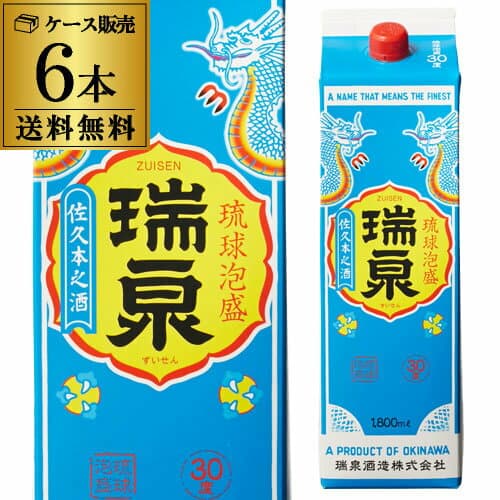
Zuisen 30% Ryukyu Awamori
【6/4~10限定 全品P3倍】焼酎 泡盛 瑞泉 30度 1.8L パック × 6本沖縄本島 瑞泉酒造 琉球泡盛【6本販売】【送料無料】1800ml 沖縄 琉球 泡盛 長S
1.8L pack x 6日本のSAKE 和泉清 楽天市場店
5.0 / 56 reviews
Japanese name琉球泡盛
In Okinawa Prefecture, rice, water, yeast, and kurokoji move through steaming, fermentation, single distillation, and maturation before the drink reaches water, ice, cocktails, pottery, or Ryukyu glass.
Information last updated yesterday
3 images【6/4~10限定 全品P3倍】焼酎 泡盛 瑞泉 30度 1.8L パック × 6本沖縄本島 瑞泉酒造 琉球泡盛【6本販売】【送料無料】1800ml 沖縄 琉球 泡盛 長S
1.8L pack x 6日本のSAKE 和泉清 楽天市場店
5.0 / 56 reviews
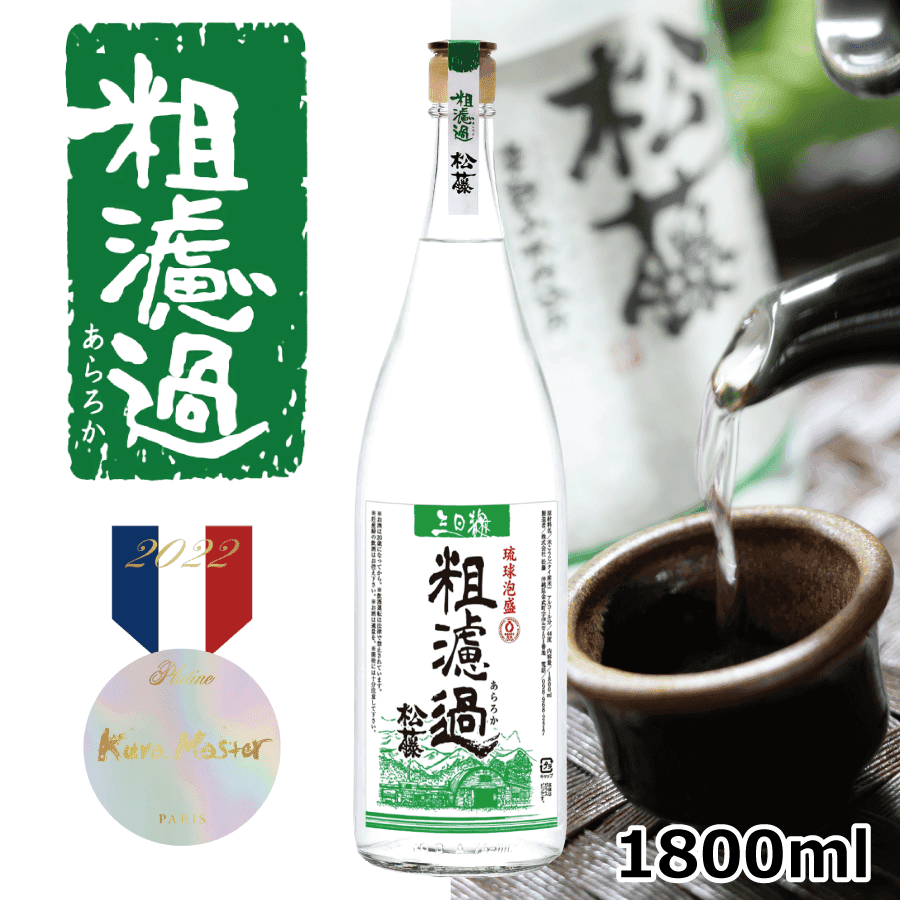
【Kura Master 3年連続受賞】 泡盛 松藤 粗濾過 44度 1800ml 老麹仕込み 沖縄 琉球泡盛 一升瓶 焼酎 父の日 ギフト お中元 御中元
44% ABV, 1800ml泡盛 もろみ酢 黒糖 無糖 松藤
5.0 / 1 reviews
 3 images
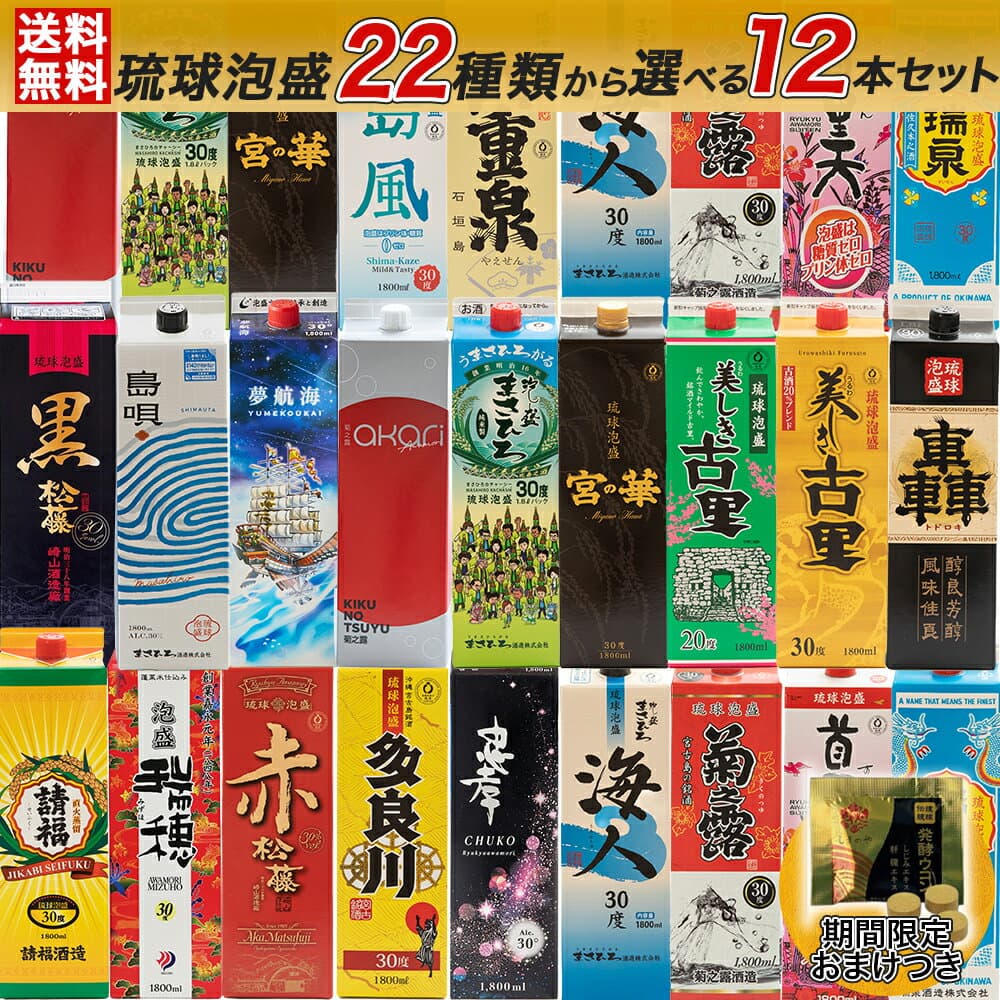
\22種類から選び放題!/送料無料 琉球泡盛 【自由に12本選べる】 泡盛 ギフト 飲み比べセット 紙パック 沖縄
Choose 12 from 22 varieties, 1800ml paper packsバラエティーストアおきなわ一番
5.0 / 18 reviews
 3 images
【泡盛】選べる 沖縄 琉球泡盛 紙パック泡盛1800ml×6本セット
1.8L x 6 cartons泡盛通販 泡盛商店
4.8 / 87 reviews
 3 images
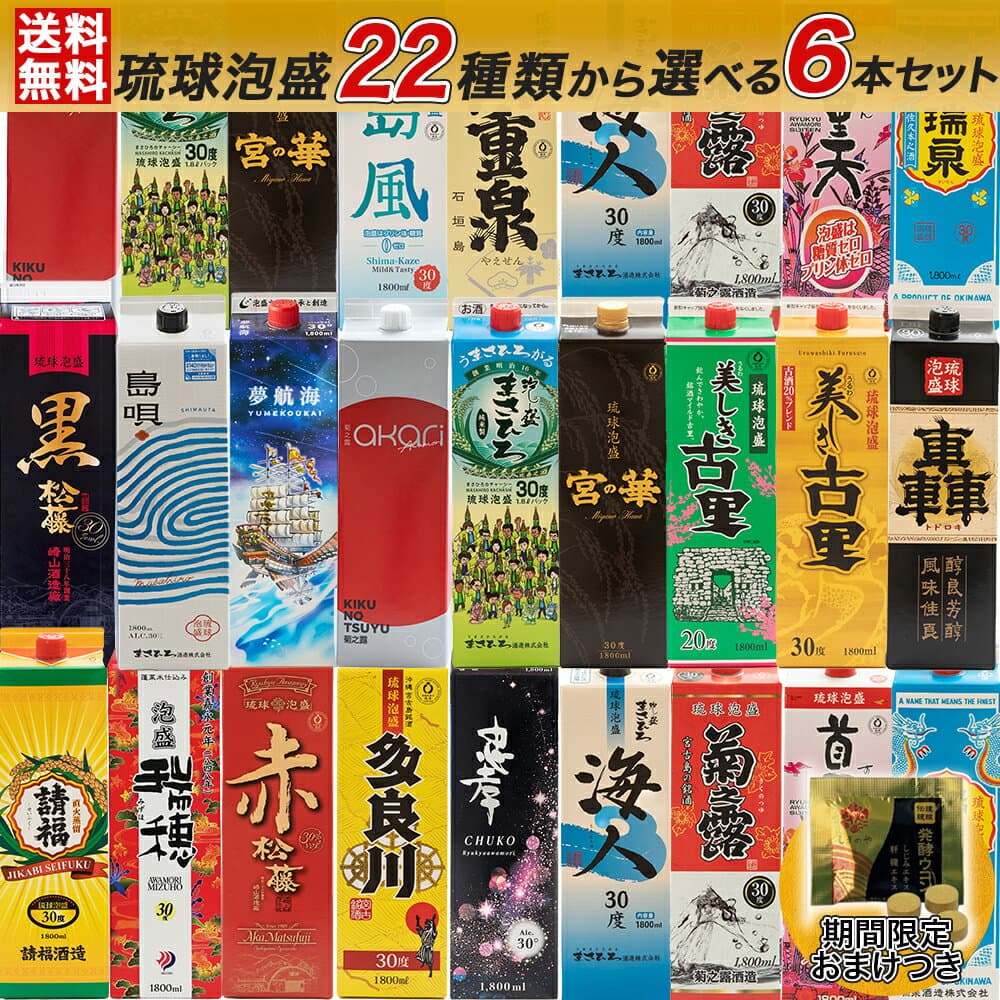
\22種類から選び放題!/送料無料 琉球泡盛 【自由に6本選べる】飲み比べセット 泡盛 ギフト 紙パック 沖縄
choose any 6バラエティーストアおきなわ一番
4.9 / 14 reviews
First time buying on Rakuten? How residents in Japan order →
All 5 listings of this product on Rakuten, lowest price first.
| Listing | Price | Shop | Reviews | Open listing |
|---|---|---|---|---|
Matsufuji Rough-Filtered Ryukyu Awamori 44% ABV, 1800mlLowest priceGift-ready | ¥4,319 | 泡盛 もろみ酢 黒糖 無糖 松藤 | 5.0 / 1 reviews | View on Rakuten → |
Zuisen 30% Ryukyu Awamori 1.8L pack x 6 | ¥11,000 | 日本のSAKE 和泉清 楽天市場店 | 5.0 / 56 reviews | View on Rakuten → |
Selectable Okinawa Ryukyu Awamori Carton Set 1.8L x 6 cartonsMost reviewed | ¥12,420 | 泡盛通販 泡盛商店 | 4.8 / 87 reviews | View on Rakuten → |
Ryukyu Awamori Choose-6 Tasting Set choose any 6Gift-readySmall size to try | ¥12,650 | バラエティーストアおきなわ一番 | 4.9 / 14 reviews | View on Rakuten → |
Ryukyu Awamori Choose-12 Tasting Set Choose 12 from 22 varieties, 1800ml paper packsGift-readySmall size to try | ¥23,600 | バラエティーストアおきなわ一番 | 5.0 / 18 reviews | View on Rakuten → |
Japanese · new tab
Ryukyu Awamori begins with Okinawa Prefecture: only awamori made there may use the name. Its base is short and exact, built from rice, water, yeast, and kurokoji before rice-koji making, moromi fermentation, single distillation, and maturation. Okinawa has made awamori for more than 600 years, and today's shape of the family can be seen in 47 distilleries, more than 1,000 labels, and place names such as Kumejima, Miyako, Naha/South, and Yaeyama.
Ryukyu Awamori begins with a clear place boundary: only awamori made in Okinawa Prefecture may use the name. The boundary is visible through the working map of the drink, from Kumejima and Miyako to Hokubu, Chubu, Naha/South, and Yaeyama. Okinawa has made awamori for more than 600 years, and the present shape of the family includes 47 distilleries and more than 1,000 labels.
At base, Ryukyu Awamori uses rice, water, yeast, and kurokoji, a black mold used to make rice koji. The black mold is seeded onto steamed rice, then the rice koji meets water and yeast in the moromi mash. That small ingredient list keeps the drink easy to follow, while the handling of rice, koji growth, yeast, and fermentation gives each brewery room to build a distinct label.
Production moves through washing rice, soaking it in water, steaming, seeding with black koji, fermenting moromi with water and yeast, distilling, maturing with water adjustment, and filling containers. The still used at the distillation stage is a single distillation still. Some labels receive another water adjustment before filling, so the bottle carries decisions made after fermentation as well as before it.
In the rice room, soaking time, steaming temperature, and koji growth alter how the starch in the rice turns toward fermentable sugars. Koji making can lean toward young koji, with restrained mycelium growth, or older koji, with the mold reaching deeper into the rice core; a common span is about two days, roughly 40 hours, while some breweries use a three-day, roughly 70-hour build. In the moromi stage, awamori 101 yeast is common, fermentation is generally around two weeks, and some producers adjust by low temperature or by season. Still settings, maturation vessels, dilution water, and filtration add further differences.
Awamori is matured, often beginning at six months to one year, and some examples rest for decades. Matured awamori known in Okinawa as kusu is associated with a sweet, mellow profile and hints of vanilla and caramel. Shitsugi keeps maturation moving over time, giving age a practical role in the drink's aroma and flavor.
Today's producer community is broad enough to read by region: Kumejima, Miyako, Hokubu, Chubu, Naha/South, and Yaeyama appear as area groupings for distilleries. In Naha's Minatomachi district, the Okinawa Prefecture Sake Cooperative was founded in 1976 with all prefectural awamori manufacturers taking part. The cooperative buys members' awamori for long-term storage as kusu and also handles joint purchasing of raw rice and other materials, so aging and rice procurement sit alongside individual brewery work.
In the glass, Ryukyu Awamori can move in several directions. It is served with hot or cold water, on the rocks, in cocktails, and in carbonated serves. The vessels range from shaped pottery to colorful Ryukyu glass, placing the same rice, water, yeast, kurokoji, distillation, and maturation work into different table settings.
Ryukyu Awamori carries a simple set of materials through a detailed set of decisions: rice, water, yeast, kurokoji, soaking, steaming, fermentation, single distillation, water adjustment, and maturation. Across 47 distilleries, aging practices, kusu aromas, and everyday serving styles, the drink stays tied to Okinawa through concrete work: rice koji, moromi, distillation, maturation, and the cup in which it is served.
Compiled from public records and official sources; see the recognition links below. Details may change over time.
Where this product is officially registered, designated, or recognized in Japan.
It is written as 琉球泡盛 in Japanese. Search Rakuten and other Japanese sites with that spelling — the English name will not bring up the listings.
Ryukyu awamori is the name used for awamori made in Okinawa Prefecture. It is based on rice, water, yeast, and kurokoji, then single-distilled and matured. Okinawa has made awamori for more than 600 years, and 47 distilleries make more than 1,000 labels.
Aged kusu may rest for decades and is associated with sweet, mellow notes often compared with vanilla and caramel; shitsugi supports continued maturation. The Okinawa Prefecture Sake Cooperative in Naha's Minatomachi district was founded in 1976 with prefectural awamori manufacturers taking part, and it handles long-term kusu storage plus joint raw-material purchasing. The production sequence includes washing, soaking, steaming, black-koji seeding, moromi fermentation, distillation, maturation, and filling containers. Breweries can create differences through soaking, steaming, koji growth, yeast, fermentation temperature, still settings, maturation vessels, dilution water, and filtration.
It is commonly diluted with hot or cold water, served on the rocks, or used in cocktails and carbonated serves. It is also served in traditionally shaped pottery and colorful Ryukyu glass. Aged kusu is tasted and compared.
Sake is sensitive to light and heat, so keep it dark and cool. Namazake and namazume must stay refrigerated at all times, and any bottle should be refrigerated and finished within a few days of opening. Serving temperature has no fixed rule — ginjo types show their aroma best chilled (around 10°C), while junmai types are fuller when warmed to 40–50°C. We don't sell alcohol; purchase and age verification are on the Rakuten listing.
Most options are shelf-stable, boxed, and travel well, so they suit gifting or bringing home. Confirm the final storage and delivery terms on the Rakuten listing.
On Rakuten: the shops listed here right now are 日本のSAKE 和泉清 楽天市場店, 泡盛 もろみ酢 黒糖 無糖 松藤, バラエティーストアおきなわ一番, 泡盛通販 泡盛商店. We don't sell directly; purchase, payment, stock, and delivery are all handled on the Rakuten product page.