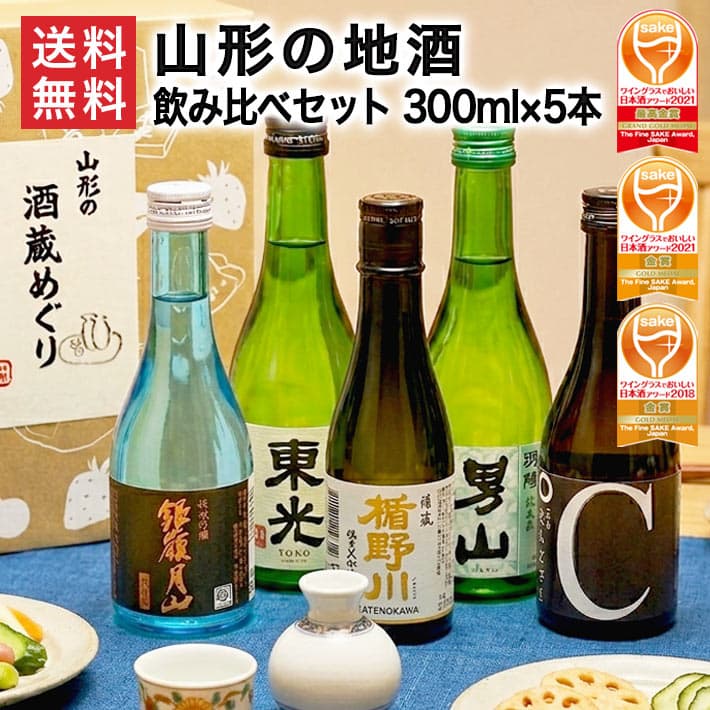
Yamagata Local Sake Tasting Set with Junmai Daiginjo
父の日 ギフト 日本酒 飲み比べセット ミニ 300ml×5本セット 山形 地酒 辛口 送料無料 純米大吟醸入り
300ml x 5 bottlesまるごと山形
4.7 / 229 reviews
¥4,455
View on Rakuten →Japanese · new tab
Japanese name山形
Yamagata is presented here as a regional clear sake family. The supplied official GI evidence ties the name directly to Yamagata, making the place connection explicit, while the provided terms identify the product as seishu, or Japanese sake.
Information updated 2 days ago
父の日 ギフト 日本酒 飲み比べセット ミニ 300ml×5本セット 山形 地酒 辛口 送料無料 純米大吟醸入り
300ml x 5 bottlesまるごと山形
4.7 / 229 reviews
¥4,455
View on Rakuten →Japanese · new tab
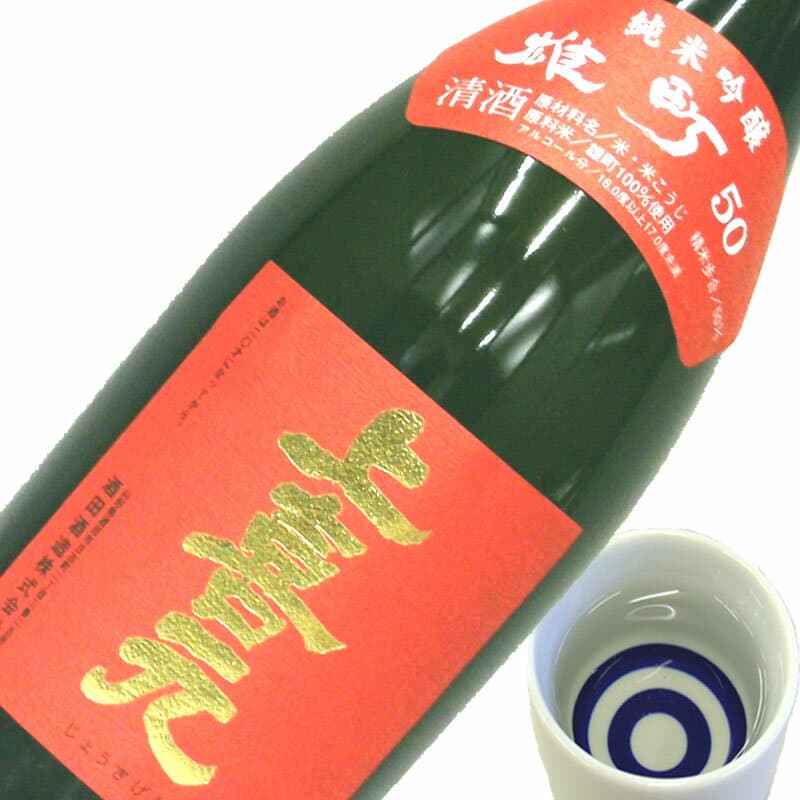
上喜元 酒田酒造 純米吟醸 赤磐雄町 1800ml 【あす楽対応】【化粧箱無し】山形のお酒 日本酒 山形 地酒
1800ml, no gift boxまるごと山形
5.0 / 5 reviews
¥3,850
View on Rakuten →Japanese · new tab
 3 images
日本酒 飲み比べ 送料無料 純米大吟醸酒 720ml 3本 セット お取り寄せグルメ 寒河江 山形 銀嶺月山 千代寿 澤正宗 酒 お酒 飲み比べセット
720ml x 3 bottles寒河江市観光物産協会山形さがえ店
5.0 / 6 reviews
¥8,200
View on Rakuten →Japanese · new tab
 3 images
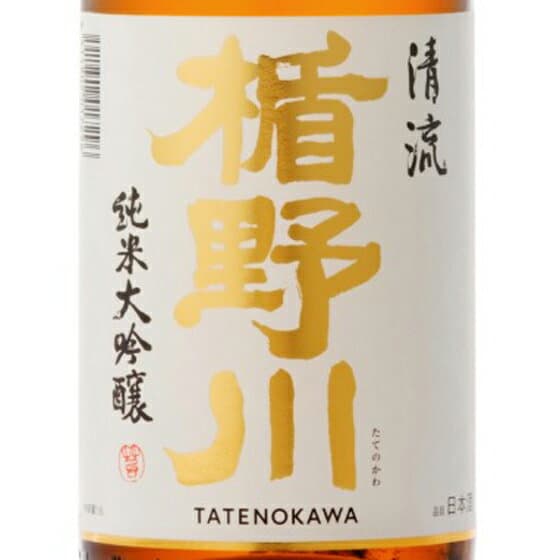
楯野川 たてのかわ 純米大吟醸 清流 1800ml 山形県 楯の川酒造 日本酒 コンビニ受取対応商品 あす楽 お酒 敬老の日 プレゼント
1800ml酒楽SHOP
4.7 / 231 reviews
¥4,180
View on Rakuten →Japanese · new tab
 3 images
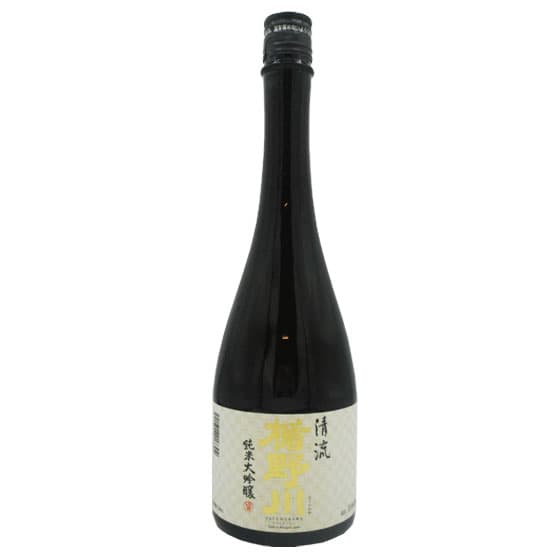
楯野川 たてのかわ 純米大吟醸 清流 720ml 山形県 楯の川酒造 日本酒 コンビニ受取対応商品 あす楽 お酒 敬老の日 プレゼント
720ml酒楽SHOP
4.4 / 54 reviews
¥2,420
View on Rakuten →Japanese · new tab
All 5 listings of this product on Rakuten, lowest price first.
| Listing | Price | Shop | Reviews | Open listing |
|---|---|---|---|---|
Tatenokawa Seiryu Junmai Daiginjo Sake 720mlLowest priceGift-ready | ¥2,420 | 酒楽SHOP | 4.4 / 54 reviews | View on Rakuten → |
Jokigen Sakata Shuzo Junmai Ginjo Akaiwa Omachi Sake 1800ml, no gift boxGift-ready | ¥3,850 | まるごと山形 | 5.0 / 5 reviews | View on Rakuten → |
Tatenokawa Seiryu Junmai Daiginjo Sake 1800mlMost reviewedGift-ready | ¥4,180 | 酒楽SHOP | 4.7 / 231 reviews | View on Rakuten → |
Yamagata Local Sake Tasting Set with Junmai Daiginjo 300ml x 5 bottlesGift-readySmall size to try | ¥4,455 | まるごと山形 | 4.7 / 229 reviews | View on Rakuten → |
Yamagata Sagae Three-Brewery Junmai Daiginjo Sake Tasting Set 720ml x 3 bottlesSmall size to try | ¥8,200 | 寒河江市観光物産協会山形さがえ店 | 5.0 / 6 reviews | View on Rakuten → |
Japanese · new tab
Yamagata sake is brewed across the prefecture. In Murayama-Mogami, Shonai, Okitama, and other areas, mountain water, snowy winters, rice-growing land, and fermentation held at low temperature set the working conditions. Ginjo gives Yamagata a clear outline. Local toji, sake rice bred in the prefecture, and sake still made for nearby drinkers keep that outline attached to fields, water, brewery rooms, and the cup.
Yamagata's breweries are scattered across the prefecture. Murayama-Mogami, Shonai, and Okitama share the same prefectural name, yet each brings its own water, climate, and brewery practice into the brewing room. Yamagata sake reads as a map: mountain water, rice fields, and brewery technique meet in different combinations from place to place.
That spread shows up in the glass. Some breweries work with newer equipment; others keep to older handwork. Waters differ, makers differ, methods differ. The prefecture-wide community stays varied, even as the breweries keep raising quality together.
From mountain systems such as Chokai, Asahi, and Gassan, waters of different quality reach Yamagata's brewing rooms. There, water is a working ingredient. It meets rice, climate, yeast choices, and technique, and it helps set the aroma, texture, and clarity of each local sake.
Winter cold belongs to that same rhythm. Snow, clean mountain water, forests, rice-growing land, and low winter temperatures are part of the brewing environment. In a long, low-temperature fermentation, those conditions help account for the region's soft, transparent profile.
Yamagata is closely tied to ginjo. The regional brewing association points to a high shipment share of premium sake, ginjo especially, as one of the prefecture's traits. Yamagata sake is often called soft and transparent, and its many breweries still show flavors of their own.
Everyday drinking sits beside that reputation. Breweries have gone on making sake that people in the prefecture love, so ginjo and junmai daiginjo share space with bottles meant for the table close to home.
Sake rice is one of the clearest ways to locate Yamagata in the glass. The prefecture developed Dewa Sansan in 1995, Dewa no Sato in 2005, and Yuki Megami in 2015. Because sake-rice varieties shape taste and aroma, those three names give a practical way to follow differences within the Yamagata family.
Yuki Megami was bred for daiginjo. It is used under conditions that include 100% Yuki Megami, Yamagata yeast, daiginjo or junmai daiginjo style, and a polishing ratio of 50% or less. Rice, yeast, and polishing become details a drinker can actually trace.
Continuity in Yamagata brewing sits with the people and the organizations around them. Many local toji are brewery owners or company employees, so technical responsibility stays inside the local brewery. In 1987 the Yamagata Kenjokai was established, giving breweries a shared place for research, development, and technical learning.
Rice growers work along similar lines. Regional sake-rice study groups bring them together, and they exchange experience with the breweries. A grain from the field becomes Yamagata sake only after cultivation, steaming, fermentation, polishing choices, and the judgment of the brewery.
The name Yamagata also marks a production boundary. Since 2016, sake using the protected Yamagata name has been tied to domestic rice, water collected inside Yamagata Prefecture, and brewing, storage, and bottling within the prefecture. For the drinker, the place name reaches from the fields and the water to the brewery and the bottle.
Those conditions make the rest easier to follow. Breweries in Murayama-Mogami, Shonai, and Okitama; waters from Chokai, Asahi, and Gassan; rice names such as Dewa Sansan, Dewa no Sato, and Yuki Megami: together they turn a prefecture name into brewing details that can be tasted.
Pour a glass of Yamagata sake and the same links return: winter cold, mountain water, rice fields, local toji, the Kenjokai, and the sake-rice study groups. The region's ginjo reputation sits on materials and decisions faced by breweries across Murayama-Mogami, Shonai, Okitama, and the rest of the prefecture. Water comes from the mountains, rice from the fields, and technique has accumulated among breweries and growers.
Compiled from public records and official sources; see the recognition links below. Details may change over time.
Where this selection is officially registered, designated, or recognized in Japan.
Geographical Indication (GI)
Registered under Japan's Geographical Indication Protection System, run by the Ministry of Agriculture, Forestry and Fisheries.
Sources1
It is written 山形 in Japanese. Search Rakuten and other Japanese sites with that spelling — the English name will not return the listings.
Sake is damaged by light and heat, so keep it dark and cool. Namazake and namazume must stay refrigerated throughout, and any bottle should be refrigerated and finished within a few days of opening. Serving temperature is a matter of style rather than rule — ginjo types show their aroma best chilled (around 10°C), while junmai types are fuller warmed to 40–50°C. We don't sell alcohol; purchase and age verification happen on the Rakuten listing.
Yamagata sake is a sake & spirits from Yamagata. We compile its regional connection and characteristics against official registries, local sources, and live Rakuten listings.
This is a temperature- or fragility-sensitive item — before travelling, confirm refrigerated/frozen delivery, packaging, and arrival dates on the Rakuten listing. For gifts, prefer shelf-stable, boxed options.
We don't sell directly. This page compiles Rakuten listings and affiliate links; purchase, payment, stock, and delivery all happen on the Rakuten listing.