 3 images
Yaeyama Parts Meat Premium Ishigaki Beef Marbled Sirloin Steak
ギフト箱入り 八重山パーツミート 特選石垣牛 霜降りサーロインステーキ 500g (250g×2枚) 沖縄 土産 人気 沖縄県産和牛 牛肉 ご自宅用に 贈り物に
gift box, 500g (250g x 2 steaks)旨いもんハンター
Japanese name石垣牛
On Ishigaki Island, about 400 km southwest of Okinawa’s main island, green pasture, stored water, warm weather, and long local fattening give the name its shape.
Information last updated 119 days ago
3 imagesギフト箱入り 八重山パーツミート 特選石垣牛 霜降りサーロインステーキ 500g (250g×2枚) 沖縄 土産 人気 沖縄県産和牛 牛肉 ご自宅用に 贈り物に
gift box, 500g (250g x 2 steaks)旨いもんハンター
 2 images
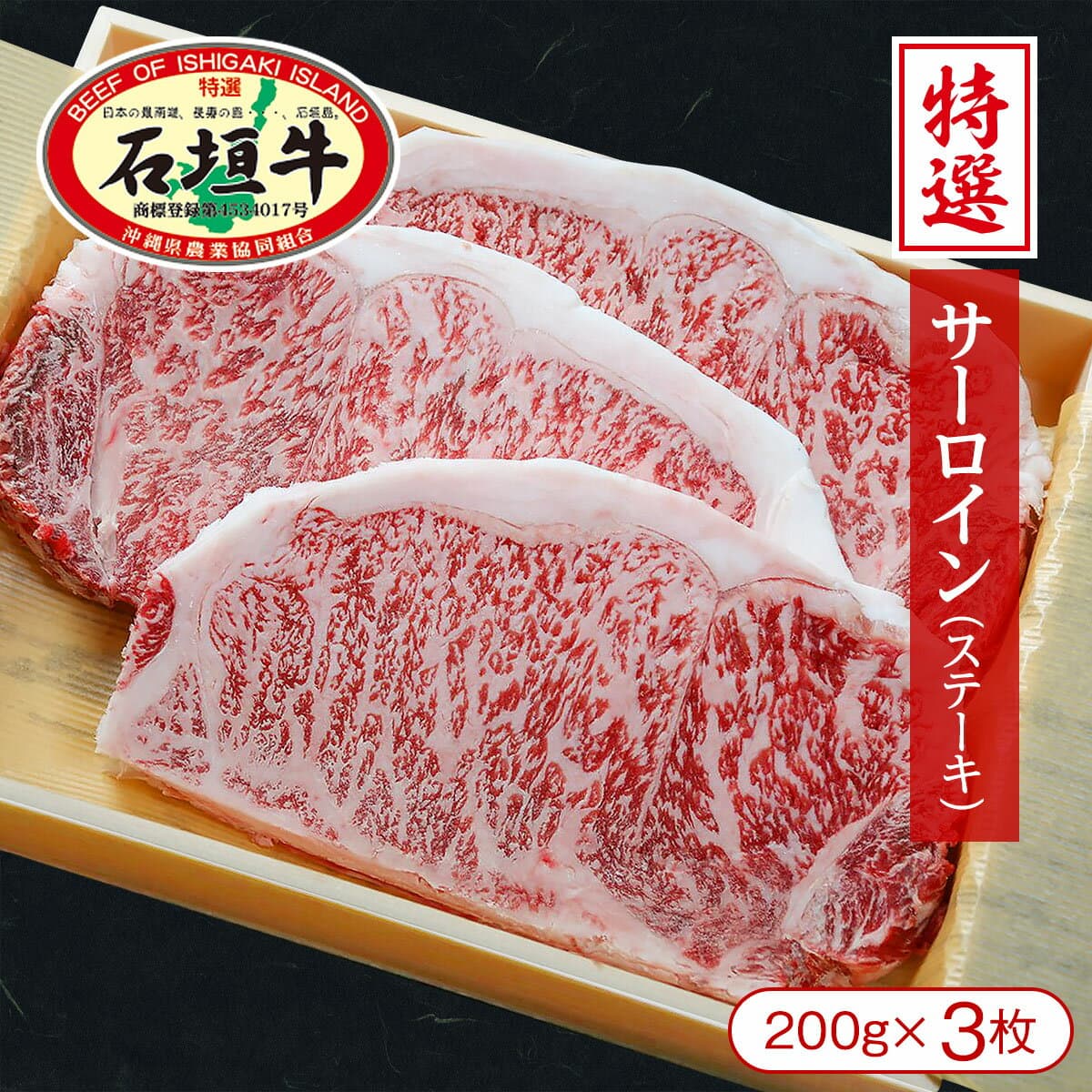
【沖縄県石垣島より直送】石垣牛特選サーロインステーキ(200g×3枚)【牛肉 黒毛和牛 石垣牛 贈り物 ギフト お祝 お中元 お歳暮 石垣島 沖縄】
200g x 3 steaks沖縄ちゅら企画
First time buying on Rakuten? How residents in Japan order →
The name Ishigaki beef begins with Yaeyama. Cattle carrying the name are Japanese Black animals produced in Yaeyama-gun and fattened there for at least 20 months, with shipment-age and carcass-grade conditions also attached. That boundary connects Ishigaki Island’s pasture and water with producers who often handle breeding through fattening, and with restaurant tables in Ishigaki City. Before COVID-19, visitors ate much of the beef in city restaurants; when demand fell, drive-through events, crowdfunding, and local meat vouchers kept it moving through the island economy.
Ishigaki beef refers to Japanese Black steers or uncalved females produced in Yaeyama-gun and fattened in the same area for at least 20 months. Qualifying carcasses are labeled by JA Okinawa under shipment-age and Japan Meat Grading Association carcass-grade conditions; grades 4 and 5 are treated as Tokusen, while grades 2 and 3 are treated as Meisan. In plain terms, the name joins a Yaeyama raising boundary with a grading boundary.
Ishigaki Island sits in the Yaeyama Islands, about 400 km southwest of Okinawa’s main island. JA Okinawa describes year-round green pasture, water stored in undulating land, and a warm climate without severe cold, all presented as conditions suited to Wagyu breeding. For Ishigaki beef, the place-name points to grass, water, and climate that enter daily cattle raising.
Within the JA Ishigaki beef fattening section, many producers manage cattle from breeding through fattening. Calves receive generous roughage, and the cattle are fattened over a long period. The raising also uses island pasture and a JA Okinawa dedicated feed with extra vitamins for the Yaeyama climate, so long fattening rests on roughage, grass, and feed work rather than on a name alone.
Before COVID-19, Ishigaki beef consumption centered on Ishigaki City restaurants, where much of it was eaten by visitors to the island. Restaurant tables made tourism a practical part of the recent production cycle. When visitor numbers dropped, dining seats, slaughter numbers, and the timing of cattle shipments were pulled into the same problem.
When demand fell, the JA Okinawa Yaeyama livestock promotion center, Ishigaki City, producers, and meat-related businesses moved circulation closer to local residents. Drive-through events used steak and yakiniku sets for household tables; crowdfunding helped older cattle ship before they fell outside the age boundary; city-only meat vouchers brought local livestock products back into Ishigaki City meals.
The later challenge still centered on Ishigaki City. Producers and Yaeyama Meat Center wanted about 80 percent of supply consumed within the city while also considering routes beyond the city, outside Okinawa Prefecture, and overseas. After Yaeyama Meat Center obtained HACCP certification in 2021, a 2023 shipment to Thailand placed Ishigaki tables and farther routes within the same adjustment.
Ishigaki beef continues through concrete conditions: at least 20 months of fattening in Yaeyama-gun, Ishigaki Island’s pasture and stored water, calf roughage, island grass, dedicated feed, and Ishigaki City restaurants. Its recent changes are concrete too: visitor tables once supported much of consumption, local groups answered the downturn with drive-through events, crowdfunding, and meat vouchers, and even as overseas routes open, the aim of keeping about 80 percent within Ishigaki City keeps the name close to island people and meals.
Compiled from public records and official sources; see the recognition links below. Details may change over time.
Where this product is officially registered, designated, or recognized in Japan.
Regional collective trademark
Registered as a Regional Collective Trademark with the Japan Patent Office.
Sources1
It is written as 石垣牛 in Japanese. Search Rakuten and other Japanese sites with that spelling — the English name will not bring up the listings.
Ishigaki beef is a Yaeyama-centered Japanese Black beef name. Cattle must be produced in Yaeyama-gun and fattened there for at least 20 months, with shipment-age and carcass-grade conditions. Ishigaki Island lies about 400 km southwest of Okinawa’s main island, where green pasture, stored water, and warm weather suit Wagyu breeding.
Grades 4 and 5 are treated as Tokusen and grades 2 and 3 as Meisan. Many producers in the JA Ishigaki beef fattening section manage cattle from breeding through fattening and feed calves generous roughage. Cattle use island pasture and a JA Okinawa dedicated feed with extra vitamins for the Yaeyama climate. Before COVID-19, much of Ishigaki beef was consumed by tourists in Ishigaki City restaurants.
Before COVID-19, much of the beef was eaten by visitors in Ishigaki City restaurants. During the 2020 drive-through initiative, producers sold sets cut for steak and yakiniku.
Storage varies by product — shelf-stable, refrigerated, or frozen — and is stated on the packaging and the Rakuten listing. Shelf-stable processed foods usually need refrigerating once opened and eating within a few days; chilled and frozen items go straight into storage on arrival. Treat the best-before date on the physical packaging as authoritative.
Most options are shelf-stable, boxed, and travel well, so they suit gifting or bringing home. Confirm the final storage and delivery terms on the Rakuten listing.
On Rakuten: the shops listed here right now are 旨いもんハンター, 沖縄ちゅら企画. We don't sell directly; purchase, payment, stock, and delivery are all handled on the Rakuten product page.