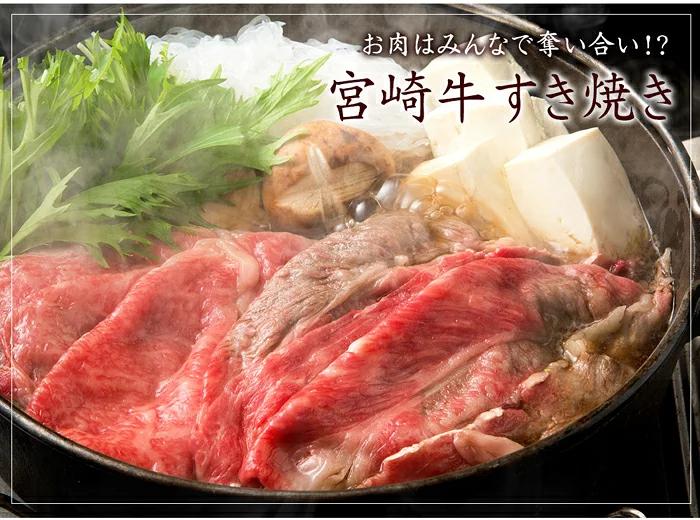
Miyazaki Beef A4 Premium Round Slices
宮崎牛 特撰モモスライス A4ランク 5種から選べるスライス 1kg
1kg, choice of 5 cuts
マツゲン
4.4 / 167 reviews
Japanese name宮崎牛
To carry the name, an animal has to be Japanese Black cattle born and raised in Miyazaki Prefecture, graded 4 or 5 for meat quality, and traced to a prefectural or designated sire. Behind that rule sits a sire-management system the prefecture built in 1973 and still runs.
Information last updated 36 days ago
Ordering from abroad works when the recipient has a Japanese address.
2 of the 3 listings below are sold as gifts in the shop's own wording (ギフト, のし対応 …), marked “Gift-ready”.
宮崎牛 特撰モモスライス A4ランク 5種から選べるスライス 1kg
マツゲン
4.4 / 167 reviews
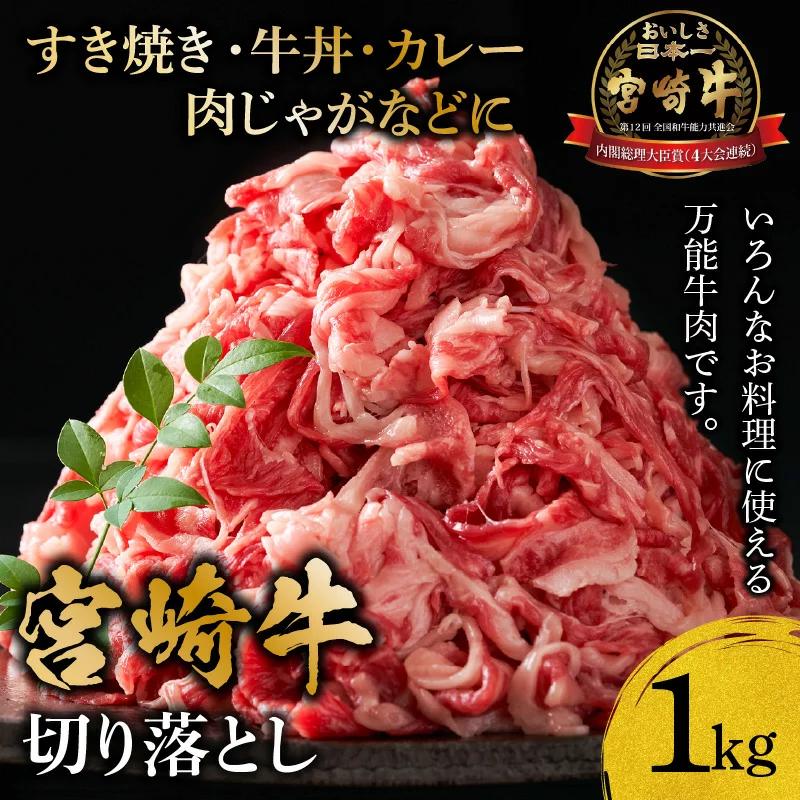
送料無料 日本一 宮崎牛 切り落とし 1kg 牛肉 しゃぶしゃぶ すき焼き 牛丼 スライス 宮崎県産 黒毛和牛 冷凍 A4 A5 ランク うす切り 和牛 ブランド ギフト プレゼント 肉 国産
宮崎牛のながやま
4.0 / 358 reviews
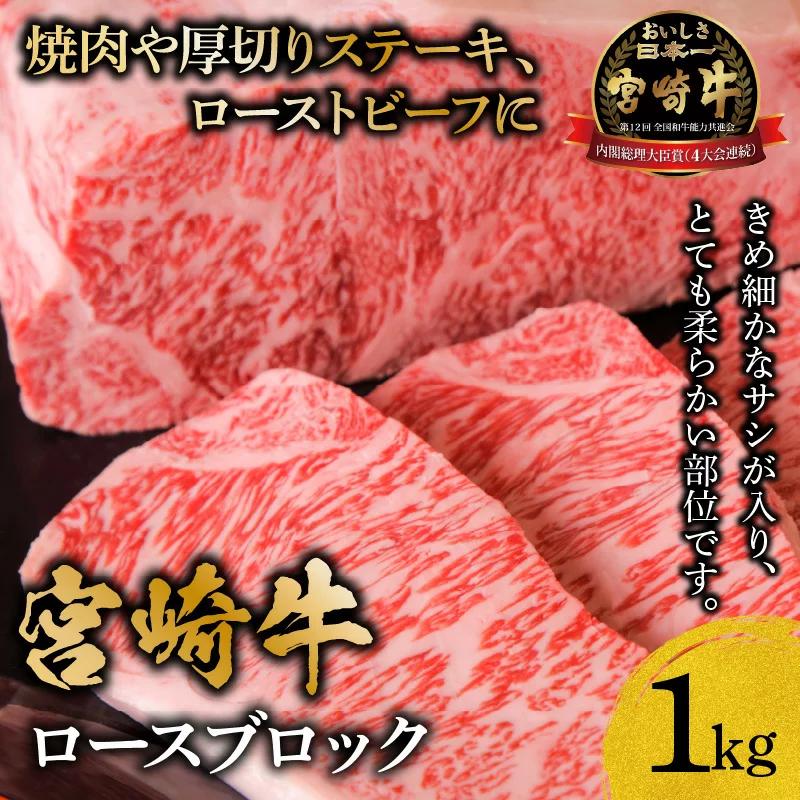
送料無料 日本一 宮崎牛 ロース ブロック 1kg A4 A5 ランク バーベキュー BBQ 日本一 宮崎牛 牛肉 キャンプ 宮崎県産 黒毛和牛 冷凍 A4 A5 ランク ステーキ ローストビーフ 豪華 サプライズ 和牛 ブランド ギフト プレゼント 肉 国産
宮崎牛のながやま
4.7 / 63 reviews
First time buying on Rakuten? How residents in Japan order →
Miyazaki Gyu is clearest when you read it as a set of conditions an animal either meets or does not. The cattle are Japanese Black, born in Miyazaki Prefecture and raised there longer than anywhere else. Their meat has to reach grade 4 or 5 on the scale set by the Japan Meat Grading Association, and their pedigree has to run back one generation to a sire from the prefecture or to a bull chosen for the prefecture's improvement program. Breed, birthplace, grade, and sire — those four lines mark where the name begins and ends. Everything else the name carries, from a breeding system set up in 1973 to the handling chain that moves beef from the pen to the counter, grows out of how Miyazaki has organized its cattle work over the past half-century.
The clearest way into Miyazaki Gyu is the boundary the name draws. The animal must be Japanese Black cattle, born and raised in Miyazaki, with the prefecture as its longest place of rearing. Its carcass must earn a meat-quality grade of 5 or 4 under the standards of the Japan Meat Grading Association. And one generation back in its pedigree there has to be either a Miyazaki prefectural sire or a bull designated for cattle improvement. Miss any one of these, and the beef is simply not Miyazaki Gyu, however it was raised. The name is also protected under Japan's law on geographical indications for farm and food products, which fixes it to exactly these breed, place, grade, and pedigree conditions rather than to a producer or a single farm. That protection is a legal backstop for a definition that was already precise.
Place, in the Miyazaki Gyu definition, is not a mood or a label on a box. It is three specific facts about one animal: where it was born, where it grew, and where it spent the longest stretch of its feeding life — all of them in Miyazaki. The prefecture's cattle base reaches well beyond the beef that ends up under its own name. Calves bred in Miyazaki are valued across the country: about 40 percent of the beef calves produced in the prefecture are shipped out and raised elsewhere as foundation cattle for other regions' branded beef. So one prefecture both finishes its own grade 4-and-5 animals and supplies the starting stock for brand-name beef far from Miyazaki.
The machinery behind all of this dates to 1973, when Miyazaki set up its prefectural livestock improvement corporation and brought the management of breeding bulls under one roof — the first centralized sire-management system of its kind in the country. The aim, in the prefecture's own guidance, was plain enough: cattle that put on weight easily, were easy to keep, and produced good meat. Producers, allied organizations, and the prefectural administration worked as one to build the approach, which came to be known as the Miyazaki method and still guides beef-cattle improvement today. The pedigree rule in the definition — that one-generation link to a prefectural or designated sire — is the visible edge of this system: the sires are managed centrally so the quality the name promises can be reproduced from one generation to the next.
Miyazaki Gyu is carried by a chain that runs without a break from breeding and fattening through meat processing and on to sales, rather than being handed between unrelated businesses at each step. That continuity matters for a product defined as tightly as this one, because the conditions attached to the name — birthplace, rearing, grade, pedigree — have to stay attached to a specific animal all the way to the point of sale. The handling end of the chain sits inside rules that cover all of Japan's meat sector. Under HACCP, the hazard-control framework used across the industry, operations identify and manage risks at every stage from the arrival of raw material to the shipment of finished product; since 1 June 2021, HACCP-based hygiene management has applied in principle to every food business in Japan. None of that is unique to Miyazaki — it is the baseline the prefecture's beef shares with the rest of the country's meat trade.
By the prefecture's count, more than 500 shops across Japan and overseas are authorized as Miyazaki Gyu designated stores, the network through which the beef reaches diners under its own name. Closer to home, the farm cooperative JA Miyazaki has run a beef-consumption program for its members, with the vouchers usable at Miyachiku's own restaurants and direct-sale shops, at A-Coop stores across the prefecture, and at designated outlets — reaching from eateries in Miyazaki City to branches in Fukuoka, Osaka, and Naha. Read together, these show how the name actually circulates: as restaurant plates, as meat bought over a counter in town, and as a product recognized well beyond the prefecture's borders.
Recognition tends to arrive after the cattle rules, not before them. Miyazaki Gyu has taken the top prize — the Prime Minister's Award — at four consecutive National Wagyu Ability Expos, the industry's main cattle competition, across its 9th through 12th shows. It has been chosen for the Academy Awards after-party menu, presented to grand-sumo tournament champions, given at a J.League awards ceremony, and handed to winners of the Dunlop Phoenix golf tournament. Those appearances travel far, but they sit on top of the definition rather than standing in for it. The quieter, steadier work happens closer to the pasture: the prefectural livestock association publishes a magazine called Miyazaki Gyu, whose 100th issue came out in March 2026, put together with JA Miyazaki, the prefectural livestock improvement corporation, the Miyazaki branch of the national wagyu registration association, and the livestock association itself. That roster is a fair picture of who actually keeps the name working — the cooperative, the breeding body, the pedigree association, and the livestock association, issue after issue.
Underneath the awards and the famous menus, Miyazaki Gyu comes back to something a reader can check point by point: Japanese Black cattle, born and raised in one prefecture, graded 4 or 5, and tied by pedigree to a prefectural or designated sire. The 1973 sire-management system gives that definition its backbone, the integrated handling chain keeps it intact from pen to counter, and a small cluster of Miyazaki organizations keeps the conversation — and the magazine — going. The name points, in the end, less to a single prize-winning cut than to the way one prefecture has organized its cattle over the past half-century.
Compiled from public records and official sources; see the recognition links below. Details may change over time.
Where this product is officially registered, designated, or recognized in Japan.
It is written as 宮崎牛 in Japanese. Search Rakuten and other Japanese sites with that spelling — the English name will not bring up the listings.
Miyazaki Gyu is Japanese Black cattle born and raised in Miyazaki Prefecture, with Miyazaki as the longest place of rearing. Its meat must be graded 4 or 5 under the Japan Meat Grading Association, and its pedigree must link one generation back to a prefectural or designated improvement sire. It is supplied through an integrated chain from breeding and fattening to meat processing and sales.
Miyazaki Gyu is registered as a Geographical Indication under Japan's GI law (MAFF registration No. 55, December 2017). In 1973 Miyazaki established a prefectural livestock improvement corporation and the first centralized sire-management system in Japan, known as the Miyazaki method. About 40% of beef calves produced in Miyazaki are shipped out of the prefecture as foundation cattle for other regions' branded beef. More than 500 Miyazaki Gyu designated stores operate in Japan and overseas.
It can be eaten or bought at Miyazaki Gyu designated stores. JA Miyazaki's consumption tickets can be used at restaurants, direct-sale shops, A-Coop stores, and designated shops.
Storage varies by product — shelf-stable, refrigerated, or frozen — and is stated on the packaging and the Rakuten listing. Shelf-stable processed foods usually need refrigerating once opened and eating within a few days; chilled and frozen items go straight into storage on arrival. Treat the best-before date on the physical packaging as authoritative.
Many countries restrict bringing in this kind of food, so check your destination's rules before you pack it, or enjoy it in Japan.
On Rakuten: the shops listed here right now are マツゲン, 宮崎牛のながやま. We don't sell directly; purchase, payment, stock, and delivery are all handled on the Rakuten product page.