 3 images
Kobe Beef Yakiniku Tasting Set
【楽天グルメ大賞受賞】2024年販売実績1万個突破!即日出荷対応 神戸牛6点食べ比べ焼肉 600g【送料無料※北海道・沖縄へは+500円】神戸ビーフ お取り寄せグルメ ギフト 誕生日 プレゼント 自宅用 食べ比べ 希少部位 BBQ お中元 御中元 お歳暮 御歳暮 父の日 90代 80代
6 cuts, 600g自社牧場直送 神戸牛 肉のヒライ
4.6 / 1238 reviews
Japanese name神戸ビーフ
The name Kobe Beef rests on Tajima cattle from Hyogo, a defined path through rearing and processing, and the soft texture that appears when fine marbling meets steady heat.
Information last updated 120 days ago
3 images【楽天グルメ大賞受賞】2024年販売実績1万個突破!即日出荷対応 神戸牛6点食べ比べ焼肉 600g【送料無料※北海道・沖縄へは+500円】神戸ビーフ お取り寄せグルメ ギフト 誕生日 プレゼント 自宅用 食べ比べ 希少部位 BBQ お中元 御中元 お歳暮 御歳暮 父の日 90代 80代
6 cuts, 600g自社牧場直送 神戸牛 肉のヒライ
4.6 / 1238 reviews
 3 images
神戸牛 カルビ焼肉 400g(冷蔵)【ギフト 贈答 神戸ビーフ 神戸肉 食品 精肉・肉加工品 牛肉 バラ・カルビ】
400g, chilled本神戸肉森谷商店
5.0 / 4 reviews
 3 images
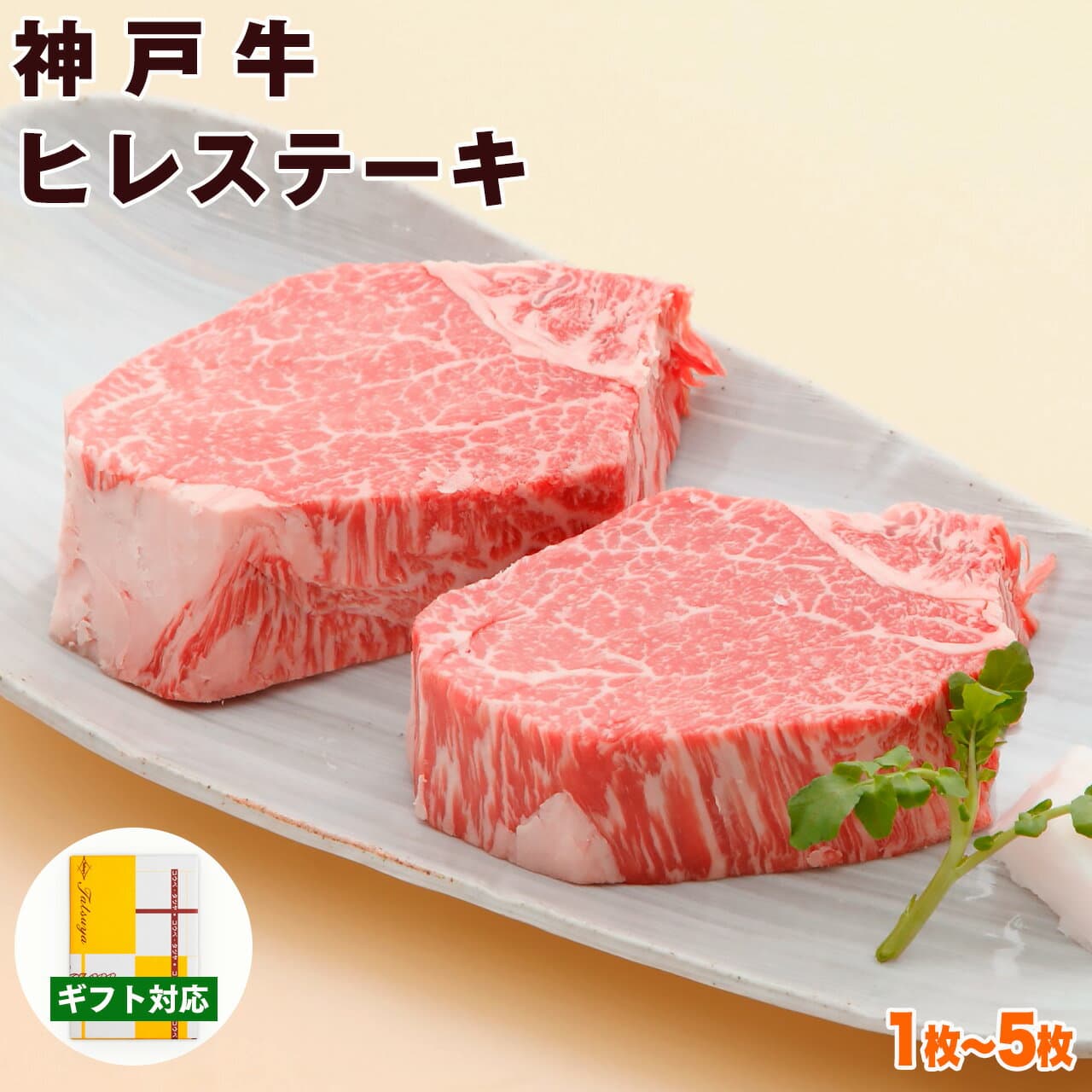
神戸牛 ヒレステーキ 送料無料 【お取り寄せ 高級肉 グルメ 父の日 ギフト プレゼント 内祝い お返し お祝い 誕生日 結婚祝い 出産祝い 結婚内祝い 出産内祝い 牛肉 肉 ステーキ肉 赤身 フィレ ヘレ】
神戸牛専門店 辰屋
4.8 / 319 reviews
 3 images
即日出荷対応 神戸牛 肩ロース すき焼き しゃぶしゃぶ 800g(400gで2分割)約4〜5人前 【送料無料※北海道、沖縄へは+500円】神戸ビーフ 高級肉 お取り寄せグルメ ギフト 誕生日 プレゼント 自宅用 肉 すき焼き 牛肉 お中元 御中元 お歳暮 御歳暮 父の日 母の日 敬老の日
800g (2 x 400g portions)自社牧場直送 神戸牛 肉のヒライ
4.8 / 44 reviews
 3 images
神戸牛すき焼き【送料無料】【神戸牛を気軽に食べる!】神戸牛すき焼き(赤身・バラ)800g/約4〜5人前 (冷蔵)【神戸牛 神戸肉 神戸ビーフ ギフト 贈答 自宅用】食品 精肉・肉加工品 牛肉 セット・詰め合わせ※北海道・沖縄へは送料+1000円かかります。
Lean and belly, 800g (serves approx. 4-5), chilled本神戸肉森谷商店
4.7 / 3 reviews
 3 images
最高級 A5等級 神戸牛すき焼きセット 神戸牛 すき焼き 300g~800g【送料無料】【結婚 出産 お祝い 内祝 お中元 お歳暮 ギフト プレゼント黒毛和牛 贈り物 誕生日 記念日 】【 牛肉 牛肉セット 神戸ビーフ 黒毛和牛 国産】【A5ランク】神戸牛の証明書付き 【お試しセット】
300g-800g神戸牛 旭屋
4.8 / 34 reviews
 3 images
神戸牛すき焼き【送料無料】【神戸牛を気軽に食べる!】神戸牛すき焼き(赤身・バラ)600g/約3〜4人前 (冷蔵)【神戸牛 神戸肉 神戸ビーフ ギフト 贈答 自宅用】食品 精肉・肉加工品 牛肉 セット・詰め合わせ※北海道・沖縄へは送料+1000円かかります。
600g, serves 3-4本神戸肉森谷商店
4.5 / 2 reviews
First time buying on Rakuten? How residents in Japan order →
All 7 listings of this product on Rakuten, lowest price first.
| Listing | Price | Shop | Reviews | Open listing |
|---|---|---|---|---|
A5 Grade Kobe Beef Sukiyaki Set 300g-800gLowest priceGift-readySmall size to try | ¥8,570 | 神戸牛 旭屋 | 4.8 / 34 reviews | View on Rakuten → |
Kobe Beef Yakiniku Tasting Set 6 cuts, 600gMost reviewedGift-readyValue pickSmall size to try | ¥8,640 | 自社牧場直送 神戸牛 肉のヒライ | 4.6 / 1238 reviews | View on Rakuten → |
Kobe Beef Sukiyaki Slices, Lean & Belly 600g, serves 3-4Gift-readyValue pick | ¥11,080 | 本神戸肉森谷商店 | 4.5 / 2 reviews | View on Rakuten → |
Kobe Beef Kalbi Yakiniku 400g, chilledGift-ready | ¥12,441 | 本神戸肉森谷商店 | 5.0 / 4 reviews | View on Rakuten → |
Kobe Beef Shoulder Loin for Sukiyaki & Shabu-Shabu 800g (2 x 400g portions)Gift-readyValue pick | ¥13,824 | 自社牧場直送 神戸牛 肉のヒライ | 4.8 / 44 reviews | View on Rakuten → |
Kobe Beef Sukiyaki Set Lean and belly, 800g (serves approx. 4-5), chilledGift-readyValue pick | ¥14,774 | 本神戸肉森谷商店 | 4.7 / 3 reviews | View on Rakuten → |
Kobe Beef Fillet Steak Gift-ready | ¥16,200 | 神戸牛専門店 辰屋 | 4.8 / 319 reviews | View on Rakuten → |
Japanese · new tab
Kobe Beef often enters the imagination through the city name, but its first concrete point is Tajima cattle in Hyogo Prefecture. The name applies to selected Tajima beef from cattle born and raised in Hyogo and processed inside the prefecture, then screened for weight, meat quality, and marbling. That path draws a line from Tajima and Mikata cattle country to Kobe port and finally to an iron plate brushed with beef fat, garlic, salt, and pepper.
Kobe Beef is not a cattle breed. It is a name for Tajima cattle meat that clears a defined boundary: Hyogo birth and rearing, processing at a Hyogo meat center, eligible sex, carcass weight, meat-quality grade, and marbling level. The detail matters because the word Kobe can sound like a city label; in practice, the meat first belongs to the Tajima cattle line.
Hyogo is built into the route of the beef: farm, growth, processing, and designated handling all sit inside the prefectural frame. Handlers may be marked by a bronze statue or certificate, and the system also uses DNA checks and the Tajima cattle pedigree search. The result is a traceable path rather than a loose restaurant adjective.
In Shinonsen Town in northwestern Hyogo, the Tajima Cattle Museum points the name back to Tajima and Mikata. Older farming households lived under one roof with Tajima cattle, and Meiji-era cattle pedigree books helped organize lineage. Mikata is also described through closed breeding that avoided crossing with outside cattle, giving the modern Kobe Beef name a deeper cattle-raising background than the port city alone can show.
After the 1859 port-opening period, foreign ships bought Tajima cattle at Kobe and sent them to Yokohama. The route joined working cattle from Tajima with a port name that could travel beyond the region. Kobe became the name attached to the beef through that movement, while the cattle background still pointed north to Hyogo’s Tajima area.
The sensory detail begins in the fat. Kobe Beef is associated with fine marbling, a low fat-melting point, and a high proportion of monounsaturated fatty acids represented by oleic acid. On the tongue, those traits become a soft texture that melts easily, connecting visible marbling with the feeling of warmed fat.
At the steak counter, the method is plain enough to keep the meat visible: an iron plate or frying pan, beef fat, garlic, salt, and pepper, with sauces or condiments added according to the meal. At Kobe Beef Gallery, counter cooking also centers on the cook’s judgment of plate temperature, meat thickness, and turning time. The material asks for careful heat rather than heavy seasoning.
Kobe Beef Gallery opened in 2019 near Shin-Kobe Station with exhibit and restaurant areas focused on the name boundary, meat quality, and brand management. In Shinonsen Town, the Tajima Cattle Museum was renewed in 2018 with displays on Tajima cattle features, improvement, and Kobe Beef management; a 2021 agricultural-heritage experience facility recreates a farmhouse where people and Tajima cattle shared one roof. One place sits beside a major station, the other inside Tajima Ranch Park, and together they return the beef to cattle, homes, and the Hyogo landscape.
Seen through Tajima cattle, Kobe Beef becomes a route with physical markers: Hyogo farms and meat centers, Mikata lineage, Kobe port, bronze statues or certificates, and the iron plate. Its tenderness is remembered as taste, but the shape behind it is concrete: cattle raised in Hyogo, fat that melts at low heat, and a steak cooked with beef fat, garlic, salt, and pepper.
Compiled from public records and official sources; see the recognition links below. Details may change over time.
Where this product is officially registered, designated, or recognized in Japan.
It is written as 神戸ビーフ in Japanese. Search Rakuten and other Japanese sites with that spelling — the English name will not bring up the listings.
Kobe Beef is not a separate cattle breed. It is a name for selected Tajima cattle meat from animals born and raised in Hyogo, processed in the prefecture, and screened by meat quality, marbling, weight, and related criteria. Its background includes Tajima and Mikata cattle raising, the post-1859 Kobe-to-Yokohama route, fine marbling, and low-melting fat.
Kobe Beef criteria include Hyogo birth and rearing, processing at Hyogo meat centers, eligible sex, carcass weight, meat-quality grade, and marbling thresholds. Handling and identification are linked to designated places, bronze statues or certificates, DNA checks, and the Tajima cattle pedigree system. The Tajima Cattle Museum in Shinonsen Town, northwestern Hyogo, presents Tajima cattle, Mikata roots, cattle pedigree books, and closed breeding. After the 1859 port-opening period, foreign ships bought Tajima cattle at Kobe and sent them to Yokohama, helping the Kobe name spread.
Kobe Beef steak is more often eaten at restaurants for special days than as everyday home food. It may be cooked on an iron plate or frying pan with beef fat, garlic, salt, and pepper; Kobe Beef Gallery also shows counter cooking shaped by heat, thickness, and turning time. Shops and restaurants may be checked for registered handling, designated status, bronze statues or certificates, DNA testing, and Tajima cattle pedigree traceability.
Storage varies by product — shelf-stable, refrigerated, or frozen — and is stated on the packaging and the Rakuten listing. Shelf-stable processed foods usually need refrigerating once opened and eating within a few days; chilled and frozen items go straight into storage on arrival. Treat the best-before date on the physical packaging as authoritative.
Most options are shelf-stable, boxed, and travel well, so they suit gifting or bringing home. Confirm the final storage and delivery terms on the Rakuten listing.
On Rakuten: the shops listed here right now are 自社牧場直送 神戸牛 肉のヒライ, 本神戸肉森谷商店, 神戸牛専門店 辰屋, 神戸牛 旭屋. We don't sell directly; purchase, payment, stock, and delivery are all handled on the Rakuten product page.