 3 images
Hyogo Local Goods Guide
兵庫県
Hyogo is indexed here as a practical buying guide for travelers and foreign residents in Japan. Start with packable gifts, then compare table goods, quiet luxuries, and crafted objects when you need a stronger sense of place.
28Local selections
What Hyogo is known for
The 8 products below are what Hyogo is known for, ordered by how strongly each is rooted in the prefecture — what it is, and why it comes from here.
Nada Gogo sakeSake & spirits
Between Kobe and Nishinomiya, five sake areas connect Miyamizu water, sake rice, Rokko foothill winds, preserved brewery buildings, and a clean finish at the table.
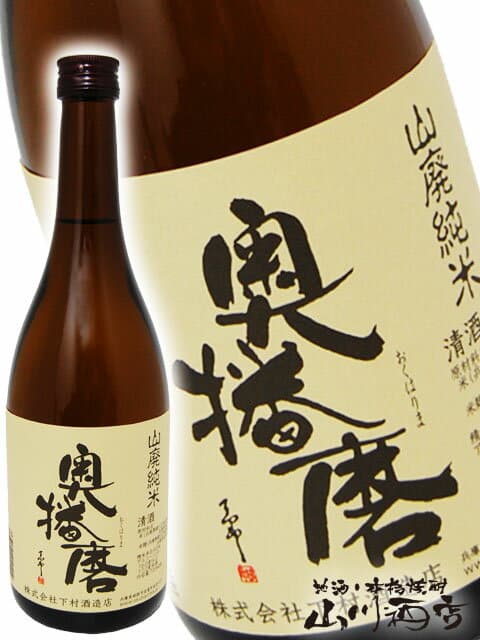
Harima sakeSake & spirits
West of the Akashi Strait and south of the Chugoku Mountains, Harima sake takes shape through Hyogo-grown Yamada Nishiki, local water, rice koji, and brewery work.
Izushi sara sobaRegional foods
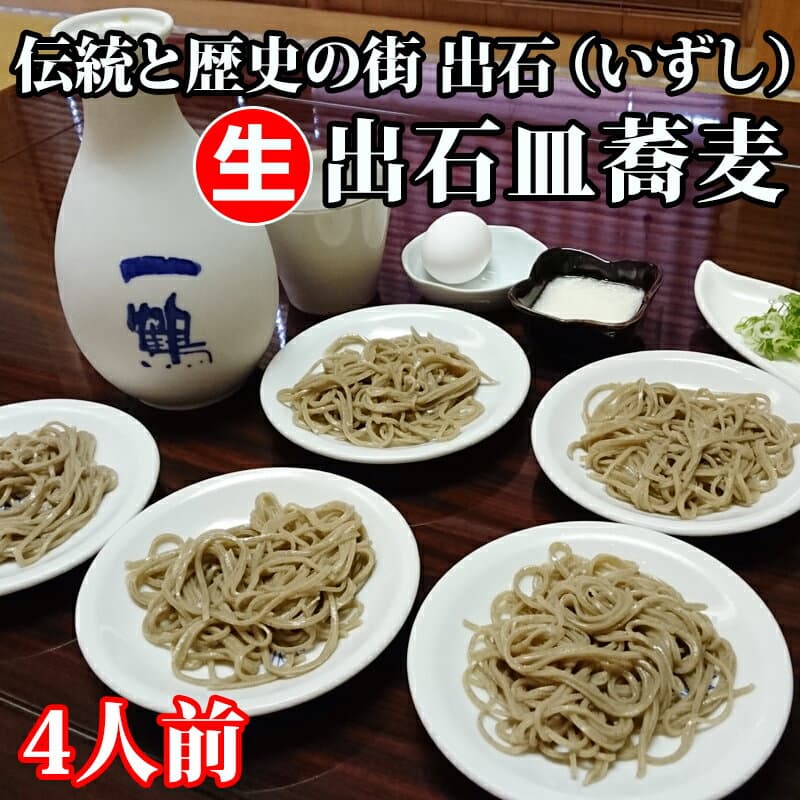
In Izushi-cho, Toyooka, Hyogo, Izushi sara soba arrives as buckwheat noodles on small white plates with tokkuri sauce, a soba cup, and condiments that shape the meal plate by plate.
Amagasaki ankake champonRegional foods
In Amagasaki, Hyogo, champon took a local form through poured ankake sauce.
Izushi sobaRegional foods
In Izushi-cho, Toyooka City, five small plates, tokkuri sauce, grated yam, egg, green onion, and wasabi turn buckwheat noodles into a measured castle-town meal.
Banshu abacusHome & living
In Ono City and nearby Hyogo communities, Banshu soroban joins wood beads, bamboo rods, center rails, frames, polish, and hand assembly into a working counting tool whose sound and touch still belong in classrooms, hands-on workshops, and brain-training sessions.
Banshu Miki forged bladesHome & living
Saws, chisels, planes, trowels, and small knives tie Banshu Miki forged blades to Hyogo’s hardware town; rails, anchors, iron, and steel carry the name into the heat of the forge.
Kobe beefRegional foods
The name Kobe Beef rests on Tajima cattle from Hyogo, a defined path through rearing and processing, and the soft texture that appears when fine marbling meets steady heat.
Regional Gifts
Packable foods and gifts with clear regional character.
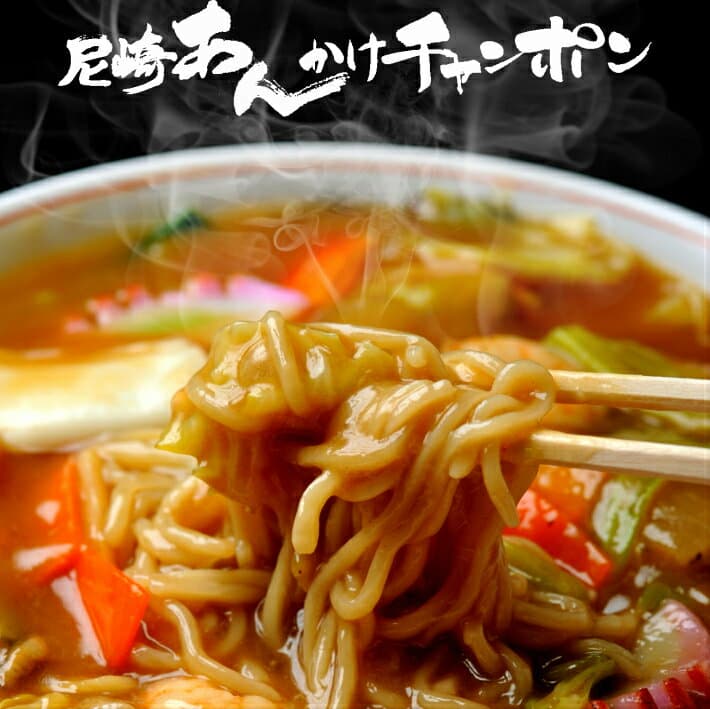
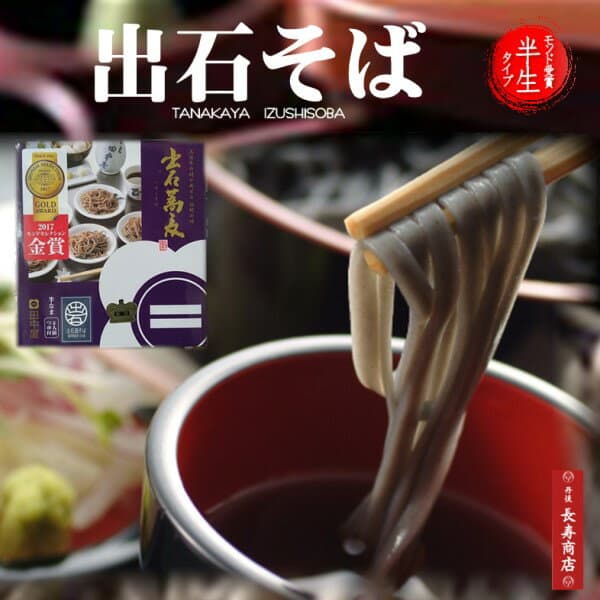


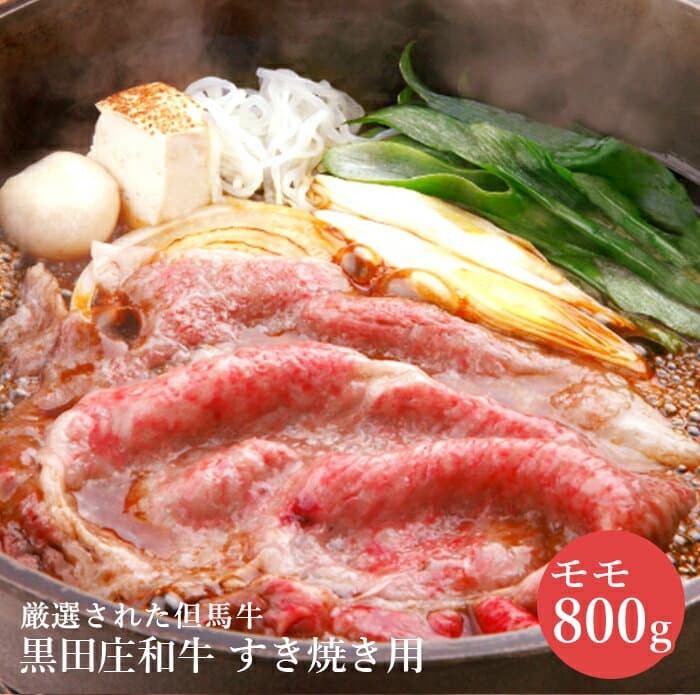



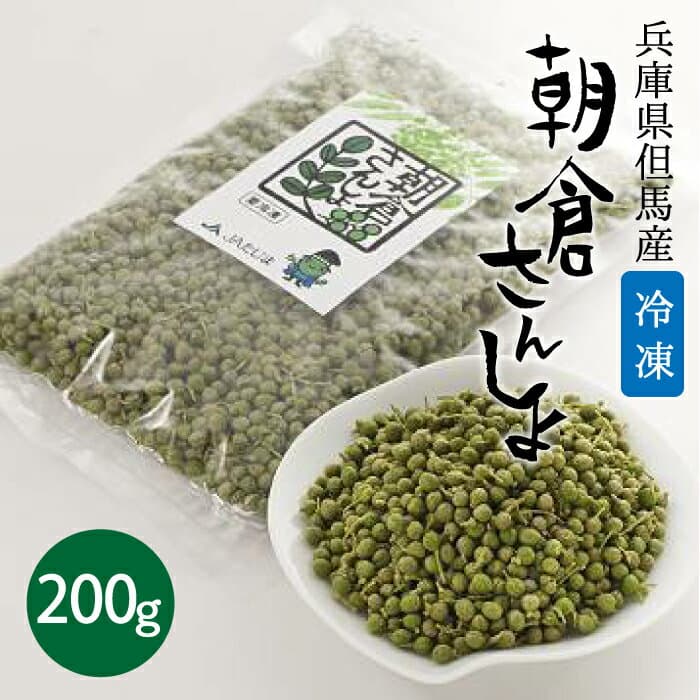
Table & Tea
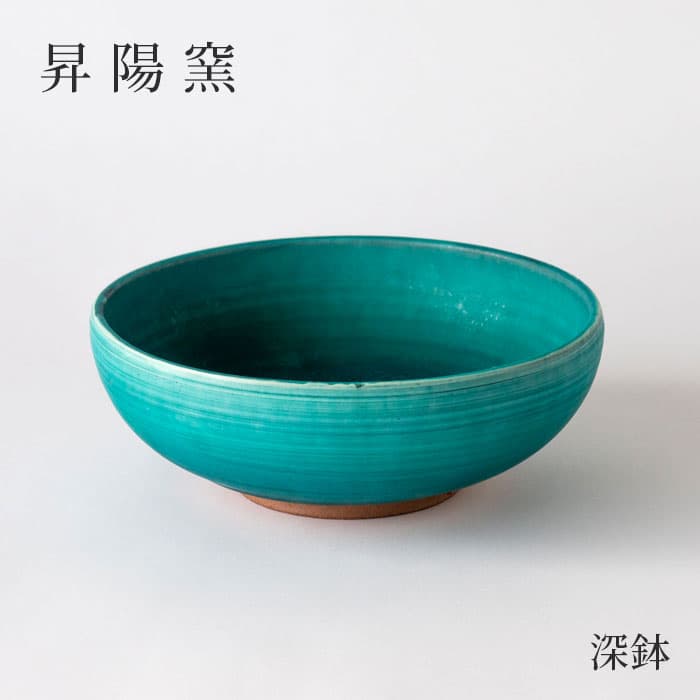
Tea, drinks, foods, and table pieces shaped by local taste.

Daily Rituals
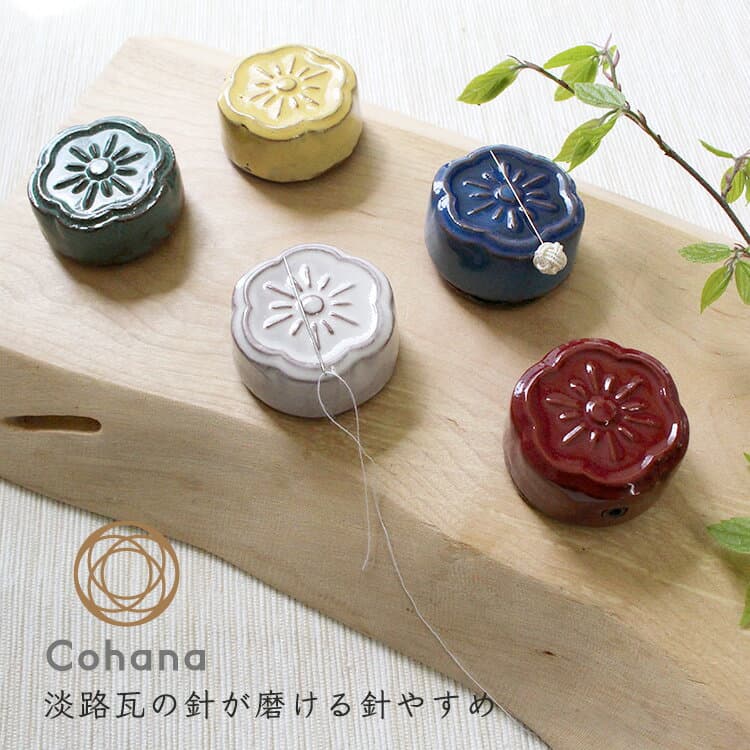
Home goods and textiles that turn everyday use into a local ritual.


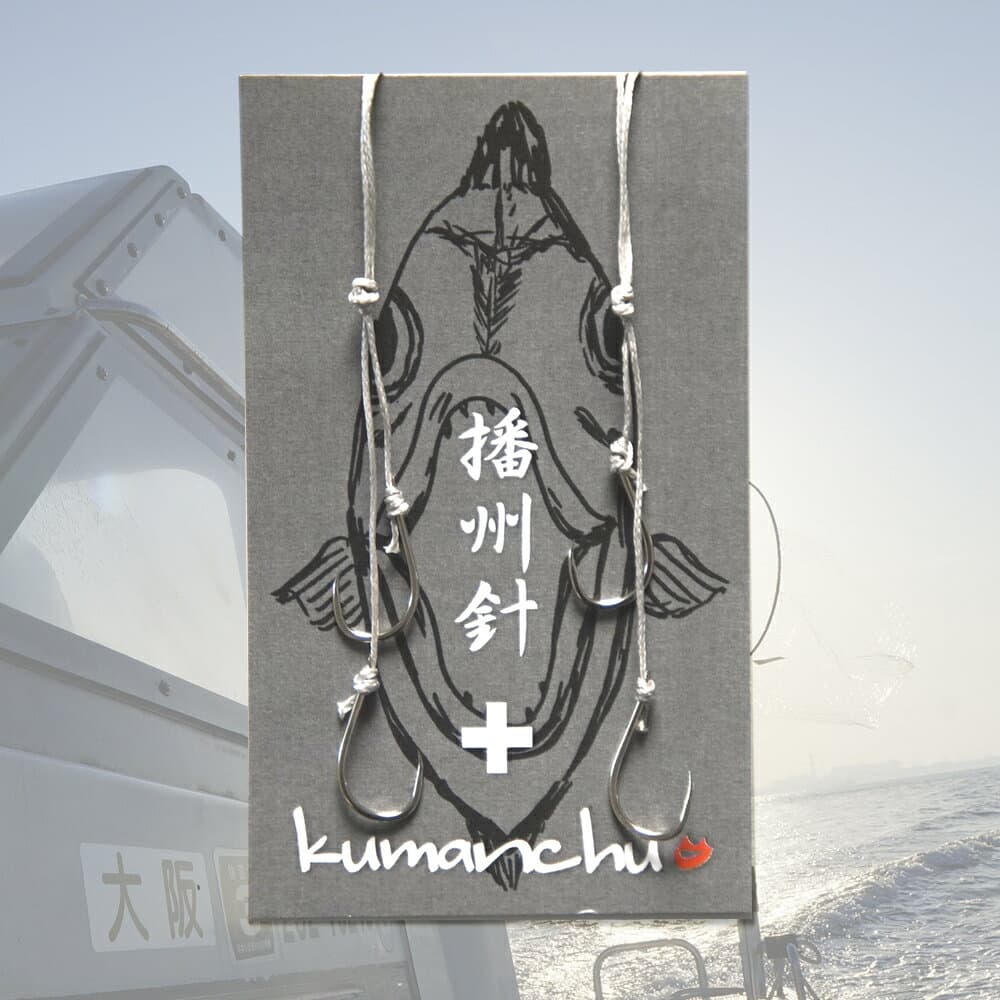
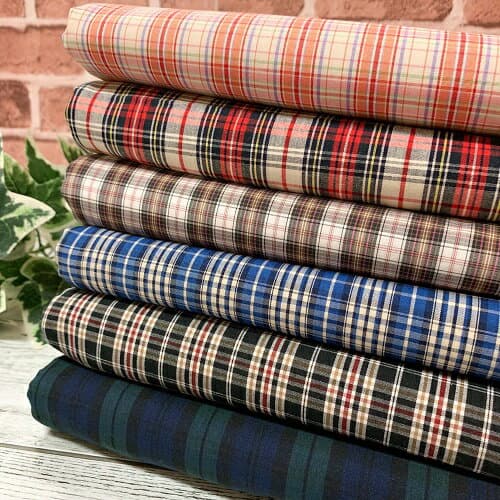
Crafted Forms
Ceramics, lacquer, glass, woodwork, metalwork, folk craft, and their forms.
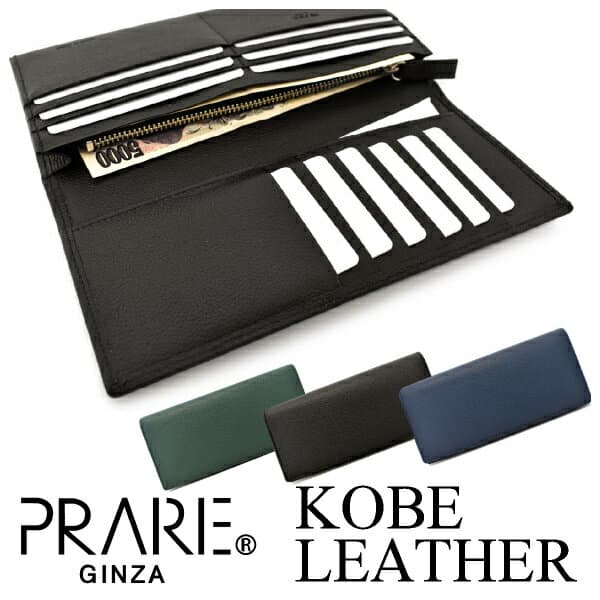
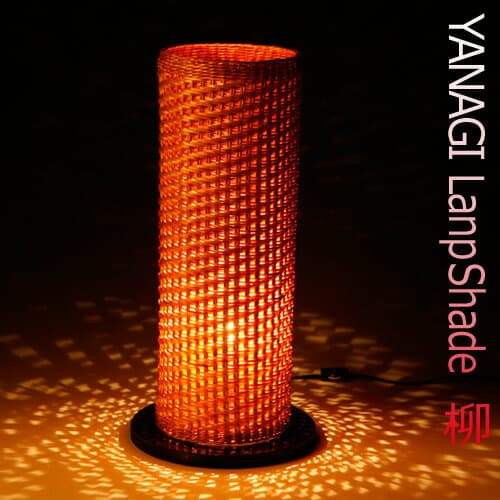
Sake & Spirits
Local sake, shochu, regional wine and craft spirits shaped by each prefecture. For ages 20+.

Hyogo's specialties by category
How the same thing is made elsewhere, and what differs: the category overviews start here.
Type first: somen and hand-stretched udon are pulled, soba is about the flour, ramen and Okinawa soba use kansui.
Breed first, brand second: Japanese Black is marbled, akaushi is lean, a brand name is a set of conditions, not a breed.
Kind before region: fresh fish is about handling, crab and oysters about season, nori and dried goods about processing.
Earthenware or porcelain first, then the surface: unglazed like Bizen, glazed like Hagi, or painted like Kutani.
Everyday Japanese tools, each tied to a named craft region and still made for use.
Type before region: knives by shape and bevel, sickles by job, and whether the blade was forged or stamped.
Woven or dyed first: tsumugi, kasuri and chijimi weave dyed yarn; yuzen, komon and bingata dye white cloth.
FAQ
What is Hyogo known for?
Hyogo (Kansai) is represented here by specialties such as Nada Gogo sake, Harima sake, Izushi sara soba — each verified against official registries and matched to Rakuten listings.
Are Hyogo souvenirs good to bring home?
Many Hyogo picks — Nada Gogo sake, Harima sake, Izushi sara soba among them — are shelf-stable foods and crafts that travel well; for temperature- or fragility-sensitive items, confirm delivery and packaging on the Rakuten listing.
Are these products sold directly by this site?
No. This site curates Rakuten listings and may earn affiliate revenue from links to Rakuten.
How are products selected?
Listings are filtered for local relevance, product images, availability, and review strength.