 3 images
Frozen Asakura Sansho Pepper Berries from Tajima, Hyogo
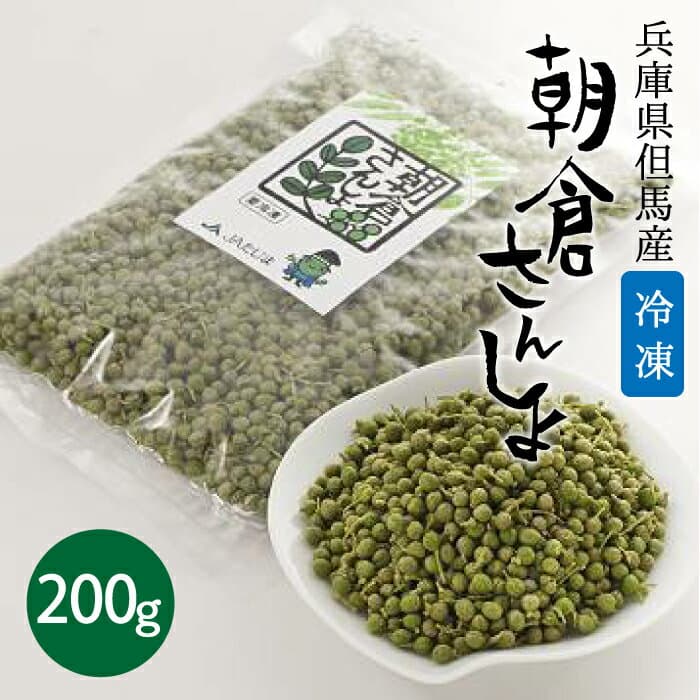
冷凍 朝倉さんしょ 200g 実山椒 山椒 山椒の実 さんしょ 兵庫県但馬産 さんしょ 野菜宅配 アク抜き済 JAたじま 7年産 賞味期限 2027年3月以降
200g, pre-processedたじまんま 地米屋
4.9 / 14 reviews
Japanese name朝倉さんしょ
In Yabu, Hyogo, Asakura sansho carries the name of Yoka-cho Asakura into large green fruit, thornless branches, gentle heat, rice dishes, simmered preparations, and local condiments.
Information last updated 119 days ago
3 images冷凍 朝倉さんしょ 200g 実山椒 山椒 山椒の実 さんしょ 兵庫県但馬産 さんしょ 野菜宅配 アク抜き済 JAたじま 7年産 賞味期限 2027年3月以降
200g, pre-processedたじまんま 地米屋
4.9 / 14 reviews
First time buying on Rakuten? How residents in Japan order →
Asakura sansho begins with a place name: Yoka-cho Asakura in Yabu City, Hyogo. Cultivation remains centered around that original growing area and extends through the Tajima region, where green mountains cool sharply at night and the harvest reaches its peak from mid to late May. The pepper’s shape and scent make the name easy to remember in the kitchen. The fruit is large and vivid green; the branches have no thorns; the aroma leans toward citrus, with a clean, gentle pungency. From tagged seedlings in the field to tsukudani and takikomi gohan at the table, Asakura sansho is carried by work that keeps one small fruit expressive without making it harsh.
Yoka-cho Asakura gives the pepper its name, and Yabu City’s Asakura settlement and sansho fields anchor the place on a clear map. The field is local before it becomes regional: cultivation starts from Yabu, then extends across Tajima through growers and JA Tajima’s work with seedlings, collection, and sorting.
The place name gives the pepper a concrete route: Hyogo Prefecture, Yabu City, Yoka-cho Asakura, and the mountains of Tajima. When the aroma and cooking uses are discussed, those names and the managed seedlings in the field remain part of the pepper’s shape.
Asakura sansho is remembered through touch and aroma. The fruit is large and bright green, and the branches have no thorns; Yabu City also notes many fruits and good fragrance. In the mouth, the aroma suggests citrus, with fragrance components described through limonene and phellandrene, while the pungency is clean and gentler than the sharp image many people bring to sansho.
Those traits shape both harvesting and cooking. Thornless branches make hand picking easier, and the large, tender fruit is described as suited to processed foods such as tsukudani, miso, oil, paste, and sauces. A small amount can leave a citrus scent beside rice, fish, meat, tofu, noodles, or bread.
In Tajima, green mountain country and cool nights are part of the cultivation frame. JA Tajima links the wide day-night temperature difference to large, well-colored green fruit, and the harvest peak arrives from mid to late May.
Quality work is described in ordinary field details: selected lines are raised for large fruit, good aroma, and resistance to withering; seedlings are tagged for management; improved seedlings are distributed through JA Tajima; cultivation, collection, and sorting are adapted to the local climate. The aromatic fruit at the table begins with those seedlings, tags, harvest days, and sorting work.
On September 26, 1611, Ikuno magistrate Mamiya Shinzaemon presented Asakura sansho to Tokugawa Ieyasu at Sunpu Castle. Later, domains such as Izushi and Sasayama also offered mature branch clusters of Asakura sansho to the Edo shogunate in bags or boxes, placing the pepper within the gift practices of its period.
The older name also entered botany: in 1912, Makino Tomitaro treated Asakura-zansho as a distinct named variety. Today, that long span is concrete in Yabu and Tajima: fields, thornless branches, May harvesting, and a pepper that still reaches rice and simmered dishes.
JA Tajima’s cooking note for tsukudani is precise enough to hear the heat in the pot: boil the seasonings first, add the sansho, then simmer slowly over low heat so the fragrance remains. The result is a pepper made for rice, where a small amount brings citrus aroma and a light bite.
Takikomi gohan gives the same fruit another path. The sweetness of rice is described as working well with the pepper’s aroma, and everyday dishes can take a small addition when the cook wants fragrance rather than heavy spice.
Yabu makers have pushed the fruit into many forms: tapenade, genovese-style sauce, miso, tsukudani, oil, paste, and even a chocolate soft-serve that uses sansho paste. These examples stay close to the pepper’s role as an aromatic accent beside vegetables, fish, meat, tofu, hot pot, pasta, udon, bread, and sauces.
The thornless branch also changes how people meet the tree. A 2025 Tajima picking experience included Asakura sansho harvesting and wagashi making, giving the large fruit and gentle heat a field-to-sweet context.
Asakura sansho is easiest to understand by following the small fruit through concrete places and uses: Yoka-cho Asakura, the Tajima mountain climate, tagged seedlings, May harvesting, tsukudani, rice, and Yabu condiments. Its long memory does not need a heavy label. The name keeps returning to a green fruit that is picked without thorns and remembered by its citrus scent.
Compiled from public records and official sources; see the recognition links below. Details may change over time.
Where this product is officially registered, designated, or recognized in Japan.
Regional collective trademark
Registered as a Regional Collective Trademark with the Japan Patent Office.
Sources1
It is written as 朝倉さんしょ in Japanese. Search Rakuten and other Japanese sites with that spelling — the English name will not bring up the listings.
Asakura sansho is a sansho pepper associated with Hyogo’s Tajima region and named for Yoka-cho Asakura in Yabu City. Cultivation is centered around Yabu and extends across Tajima. It is known for large vivid-green fruit, thornless branches, citrus-like aroma, and gentle pungency; Tajima’s day-night temperature difference is locally linked to fruit quality. JA Tajima manages selected seedlings, tags them, distributes improved seedlings, and works on collection and sorting.
On September 26, 1611, Ikuno magistrate Mamiya Shinzaemon presented Asakura sansho to Tokugawa Ieyasu at Sunpu Castle. JA Tajima links Tajima’s day-night temperature difference to large, well-colored green fruit, with peak harvest from mid to late May. JA Tajima raises selected seedlings for large fruit, good aroma, and resistance to withering; seedlings are tagged, distributed, collected, and sorted through managed workflows. Thornless branches make picking easier; a 2025 Tajima experience combined Asakura sansho harvesting with wagashi making.
JA Tajima presents tsukudani as a representative way to eat Asakura sansho: boil the seasonings first, add the sansho, then simmer gently so the aroma remains. The aroma pairs with the sweetness of rice in takikomi gohan; adding a small amount to daily cooking increases appetite through fragrance. Yabu products include tapenade, genovese-style sauce, miso, tsukudani, peppy oil, paste, and a chocolate soft-serve using sansho paste; they are used with vegetables, fish, meat, tofu, nabe, carpaccio, steak, sashimi, pasta, udon, bread, and banya cauda-style preparations.
Storage varies by product — shelf-stable, refrigerated, or frozen — and is stated on the packaging and the Rakuten listing. Shelf-stable processed foods usually need refrigerating once opened and eating within a few days; chilled and frozen items go straight into storage on arrival. Treat the best-before date on the physical packaging as authoritative.
Most options are shelf-stable, boxed, and travel well, so they suit gifting or bringing home. Confirm the final storage and delivery terms on the Rakuten listing.
On Rakuten: the shops listed here right now are たじまんま 地米屋. We don't sell directly; purchase, payment, stock, and delivery are all handled on the Rakuten product page.