
Kanejun Banshu Miki Hand-Forged Detail Saw Set by Third-Generation Mitsukawa Juntaro
カネジュン 播州三木打刃物 伝統工芸士 三代目 光川順太郎作 細工鋸 五本組 鋸巻入り 本桐製柄付 木工細工に必要な作業に最も適した鋸 横挽・縦挽・斜挽・木釘挽・欄間挽 [送料無料][代引手数料無料]
5-piece set with saw roll and paulownia handlesイマジネットで!
Japanese name播州三木打刃物
Saws, chisels, planes, trowels, and small knives tie Banshu Miki forged blades to Hyogo’s hardware town; rails, anchors, iron, and steel carry the name into the heat of the forge.
Information last updated 119 days ago
カネジュン 播州三木打刃物 伝統工芸士 三代目 光川順太郎作 細工鋸 五本組 鋸巻入り 本桐製柄付 木工細工に必要な作業に最も適した鋸 横挽・縦挽・斜挽・木釘挽・欄間挽 [送料無料][代引手数料無料]
5-piece set with saw roll and paulownia handlesイマジネットで!
 3 images
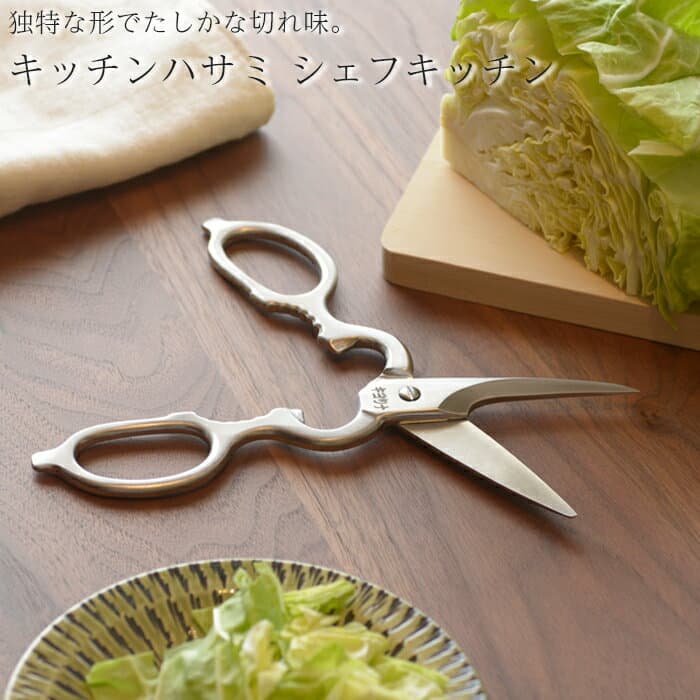
【送料無料】 シェフキッチン 播州三木打刃物 キッチンはさみ キチンハサミ ステンレス オールステンレス 栓抜き おしゃれ 料理ハサミ 鋏
カワグチ企画 日本のいいもの
5.0 / 1 reviews
 3 images
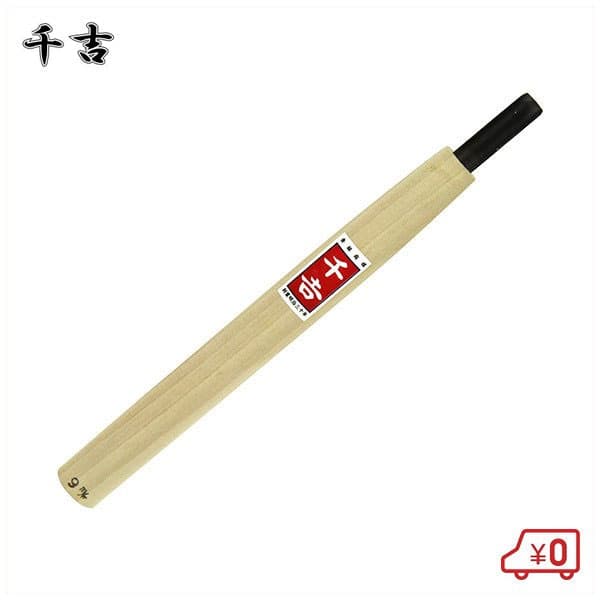
千吉 鋼付彫刻刀 丸刀 9mm 安来鋼刃物用特殊鋼 播州三木打刃物 日本製
9mm round bladeS.S.N
First time buying on Rakuten? How residents in Japan order →
In Miki City, Hyogo, Banshu Miki forged blades are understood through five working tool groups: saws, chisels, planes, trowels, and small knives. The Miki Industrial Cooperative in Honmachi gives the name a concrete civic address, while the Miki Kanamono world includes member companies, a youth division, and old-style forging events. Before a blade reaches a hand, material may be sought in old railway rails or anchors from sunken ships; iron and steel are then forge-welded into one blade and worked through heat, hammering, flame-color judgment, quenching, repeated firing, and polishing.
Compiled from public records and official sources; see the recognition links below. Details may change over time.
Where this product is officially registered, designated, or recognized in Japan.
Traditional craft
Designated a Traditional Craft (dentō kōgeihin) by Japan's Ministry of Economy, Trade and Industry.
Sources1
It is written as 播州三木打刃物 in Japanese. Search Rakuten and other Japanese sites with that spelling — the English name will not bring up the listings.
Banshu Miki forged blades are a tool family from the Miki, Hyogo hardware-producing area, covering saws, chisels, planes, trowels, and small knives. Material sourcing has included old railway rails or anchors from sunken ships. Blades are made by forge-welding iron and steel into one piece, heating to about 1,000 C, hammering, reading flame color, quenching, repeated firing, and polishing.
The tools are tied to Miki City, Hyogo, the Miki Industrial Cooperative, and the Miki Kanamono hardware network. The five named tool groups are saws, chisels, planes, trowels, and small knives. A 2016 exhibition at the Miki City Hardware Museum traced planes from spear planes to mounted planes and from push use to pull use, linked to producing visible wood grain. A 1996 prefectural designation exists as administrative background, while the source material centers on Miki City, the five tool groups, and the forging process.
Keep wood, bamboo, and lacquer out of prolonged soaking, dishwashers, and direct sun — wipe dry after use and let them air out in the shade. For metal and fabric goods, follow the care notes on the listing.
Most options are shelf-stable, boxed, and travel well, so they suit gifting or bringing home. Confirm the final storage and delivery terms on the Rakuten listing.
On Rakuten: the shops listed here right now are イマジネットで!, カワグチ企画 日本のいいもの, S.S.N. We don't sell directly; purchase, payment, stock, and delivery are all handled on the Rakuten product page.