 3 images
Shodoshima Olive-en Cosmetic Olive Oil
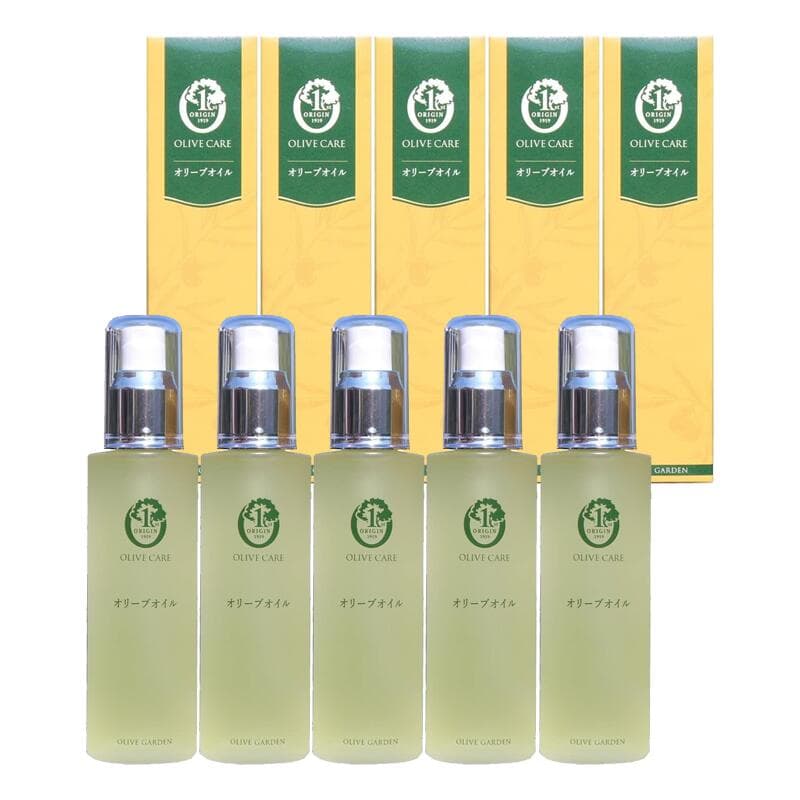
【9/25 23:59まで★ポイント5倍×楽天カード★】オリーブ園 オリーブオイル 80ml×5本【小豆島 オリーブオイル 化粧品 美容オイル ヘアケア 枝毛ケア ネイルケア 】
80ml x 5 bottles小豆島オリーブ!オリーブ!
4.8 / 73 reviews
Japanese name小豆島オリーブオイル
On Shodoshima and Teshima, olives are grown and pressed inside Shozu District; warm, relatively dry islands, 1907 trial plantings, varieties, and harvest timing shape Shodoshima Olive Oil.
Information last updated yesterday
3 images【9/25 23:59まで★ポイント5倍×楽天カード★】オリーブ園 オリーブオイル 80ml×5本【小豆島 オリーブオイル 化粧品 美容オイル ヘアケア 枝毛ケア ネイルケア 】
80ml x 5 bottles小豆島オリーブ!オリーブ!
4.8 / 73 reviews
 3 images
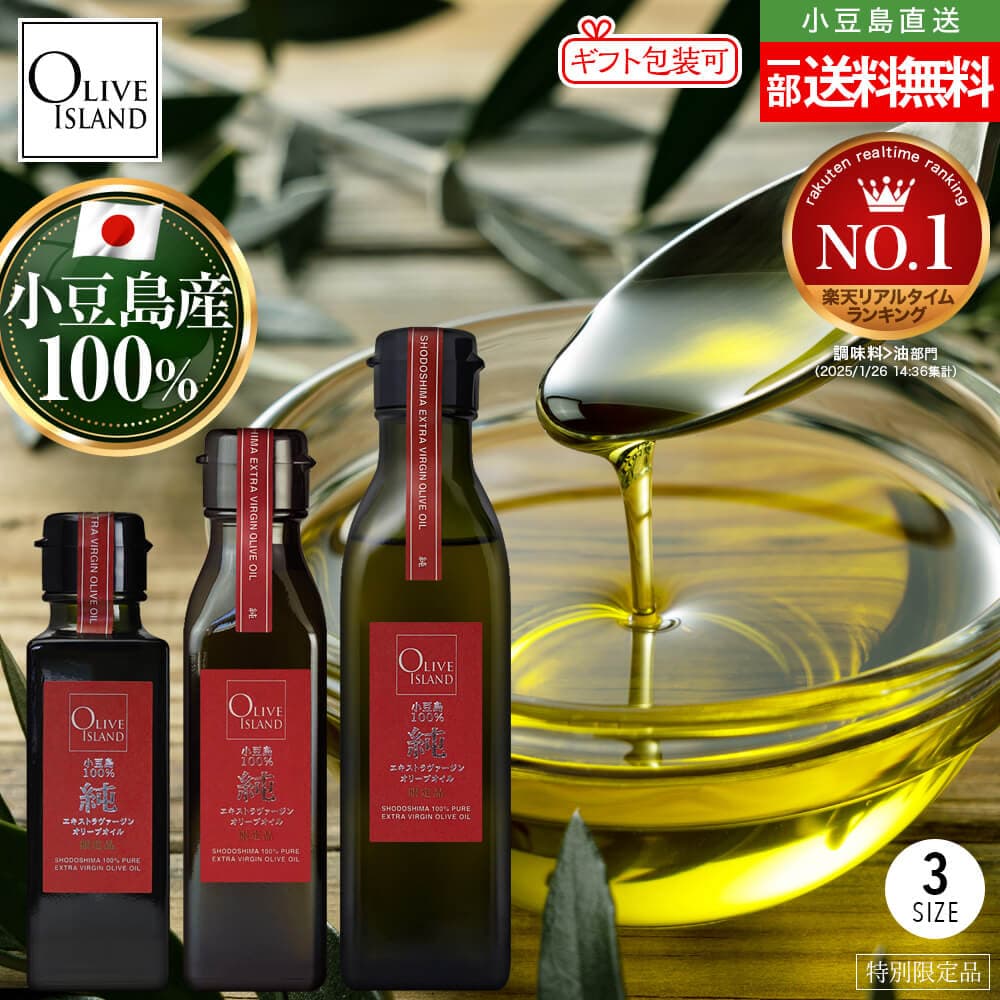
小豆島産100%「純」EXVオリーブオイル 100ml/120ml/200ml【特別限定品】一部送料無料 小豆島 オリーブオイル 国産 小豆島産100% エキストラヴァージンオリーブオイル エキストラバージン 高級 一番搾り 香川県 お取り寄せグルメ オリーブアイランド oliveisland
100ml / 120ml / 200mlOlive island
4.8 / 29 reviews
 3 images
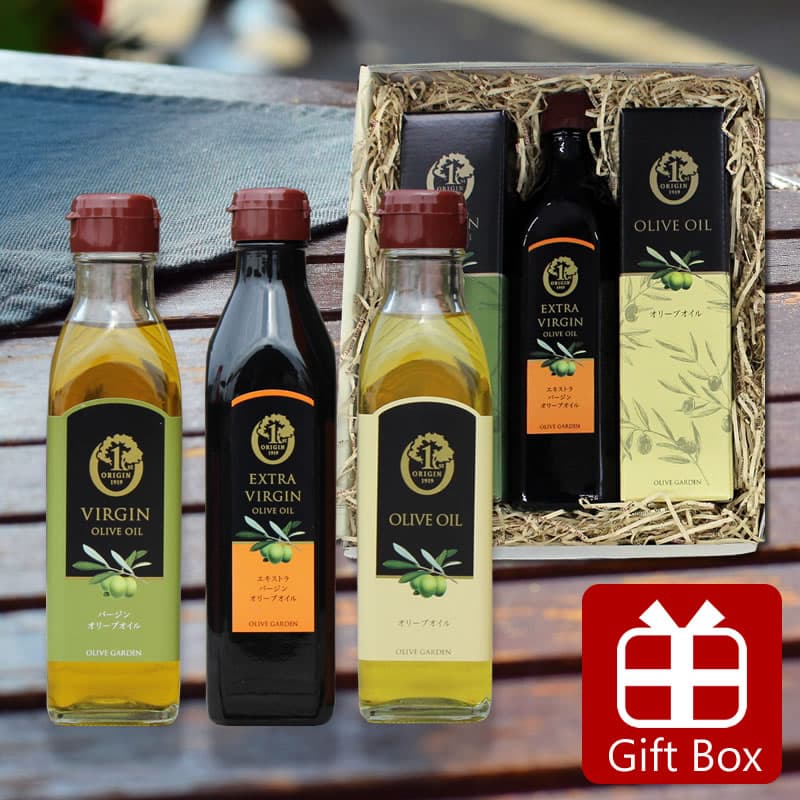
【母の日 母の日2026 母の日ギフト 内祝 御祝 御礼 お供え 快気祝 】オリーブギフト・OG-005【小豆島 オリーブオイル オリーブ園 オリーブオイルギフト お祝い 敬老の日 香典返し 法事 御供 】
3 bottles: 275g + 180g x 2小豆島オリーブ!オリーブ!
4.8 / 24 reviews
First time buying on Rakuten? How residents in Japan order →
Shodoshima Olive Oil begins with a specific part of the Seto Inland Sea. The olives are grown on Shodoshima and Teshima, and the fruit is pressed within the same district. Shodoshima lies about 20 kilometers northeast of Takamatsu in Harima-nada, with warm weather, relatively low rainfall, and limited flat land along coasts and rivers. Those island conditions give the oil its first frame before the fruit reaches the mill.
The name Shodoshima Olive Oil points to a defined island setting. Shozu District includes Shodoshima and Teshima, and the oil is made from olives harvested from trees grown there, then pressed within the district. Field and mill are held together at the same scale: the trees stand in Shozu District, and the fruit is handled there after harvest.
Regional identity becomes concrete through those boundaries. It means olives from Shodoshima and Teshima, pressing inside Shozu District, and virgin oil made without refined oil or additives. Before aroma or taste enters the conversation, the name already carries a precise island geography.
Shodoshima sits in Harima-nada in the Seto Inland Sea, about 20 kilometers northeast of Takamatsu. The island has a warm Seto Inland Sea climate and relatively low annual rainfall, while flat land is limited and often found along the coast and rivers. Olive groves are therefore part of a particular island landscape, shaped by sea, river edges, small plains, and slopes.
When people speak of local culture around Shodoshima olives, the word needs these concrete conditions: warm weather, low rainfall, limited farmland, and the growers, testing bodies, and processors who worked with those conditions.
Olive cultivation on Shodoshima can be traced to national trial plantings in 1907. Kagawa, Mie, and Kagoshima were among the trial sites, and the plantings on Shodoshima grew well enough to flower and fruit two years later. The beginning has a year, trial locations, and a visible agricultural result.
The industry later developed through the work of agricultural testing bodies and private companies. Pest control, disease response, propagation, storage, and processing became part of the island’s practical knowledge. After setbacks linked to import liberalization and weather damage, planted area expanded again after the 2003 olive promotion special zone, as idle farmland was converted and food-processing companies entered agriculture.
Once harvested, the olives are pressed under temperature conditions that do not harm the oil’s quality. The process begins with washing the fruit, then crushing it, allowing solid-liquid separation by settling, centrifuging, and filtering. These steps carry fresh fruit into virgin oil and keep the work focused on the fruit itself.
Quality here is best described through work. Fresh fruit, temperature control, washing, crushing, settling separation, centrifugation, and filtration form the practical line that gives Shodoshima Olive Oil its character; refined oil and additives stay outside that line.
Major olive varieties cultivated on Shodoshima include Mission, Manzanillo, Nevadillo Blanco, and Lucca. Mission is used for both oil and table olives, Manzanillo mainly for table olives, Lucca for oil, and Nevadillo Blanco often for pollination. These roles in the grove help explain why the oil should not be imagined as having one flat flavor.
Harvest work is concentrated from late September through December, with timing shaped by variety and use. Variety, harvest timing, and cultivation conditions can all affect flavor and aroma, so the sensory impression of Shodoshima Olive Oil can be traced back to fruit type and field work on the island.
Olives on Shodoshima also appear outside the field and mill. Food processing and tourism are major parts of the island economy, and olive oil is one of its processed foods. Kagawa Olive Park, roadside olive plantings, and local products using olive pomace or leaves place the tree in scenery, food production, and everyday regional branding.
Tradition in this setting means continued practice: cultivation after the 1907 trials, technical work by testing bodies and private producers, food processing, tourism landscapes, and participation by producers, tourism operators, and island residents in making olives part of Shodoshima’s public image.
From islands about 20 kilometers northeast of Takamatsu to the district boundary that keeps cultivation and pressing in Shozu, Shodoshima Olive Oil links place, agricultural trial, and virgin-oil process. Mission, Manzanillo, Nevadillo Blanco, and Lucca, the late-September-to-December harvest season, and the washing, crushing, separation, centrifugation, and filtration of fresh fruit give the oil a traceable island context.
Compiled from public records and official sources; see the recognition links below. Details may change over time.
Where this product is officially registered, designated, or recognized in Japan.
Regional collective trademark
Registered as a Regional Collective Trademark with the Japan Patent Office.
Sources1
It is written as 小豆島オリーブオイル in Japanese. Search Rakuten and other Japanese sites with that spelling — the English name will not bring up the listings.
Shodoshima olive oil is virgin olive oil made from olives grown on Shodoshima and Teshima in Shozu District and pressed within the same district. Shodoshima lies in Harima-nada in the Seto Inland Sea, about 20 kilometers northeast of Takamatsu, with warm weather and relatively low rainfall. Fresh fruit is washed, crushed, settled, centrifuged, and filtered without refined oil or additives; variety, harvest timing, and cultivation conditions shape aroma and taste.
Olive cultivation on Shodoshima began with trial plantings in 1907, and the trees flowered and fruited two years later. Major olive varieties cultivated on Shodoshima include Mission, Manzanillo, Nevadillo Blanco, and Lucca. The oil is made through fruit washing, crushing, settling separation, centrifugation, and filtration without refined oil or additives. Flavor and aroma vary by variety, harvest timing, and cultivation conditions.
It is used as a cooking oil or finishing oil, with flavor that depends on variety and harvest conditions. It can be tasted comparatively by variety and harvest timing to notice differences in flavor and aroma.
Storage varies by product — shelf-stable, refrigerated, or frozen — and is stated on the packaging and the Rakuten listing. Shelf-stable processed foods usually need refrigerating once opened and eating within a few days; chilled and frozen items go straight into storage on arrival. Treat the best-before date on the physical packaging as authoritative.
Most options are shelf-stable, boxed, and travel well, so they suit gifting or bringing home. Confirm the final storage and delivery terms on the Rakuten listing.
On Rakuten: the shops listed here right now are 小豆島オリーブ!オリーブ!, Olive island. We don't sell directly; purchase, payment, stock, and delivery are all handled on the Rakuten product page.