 3 images
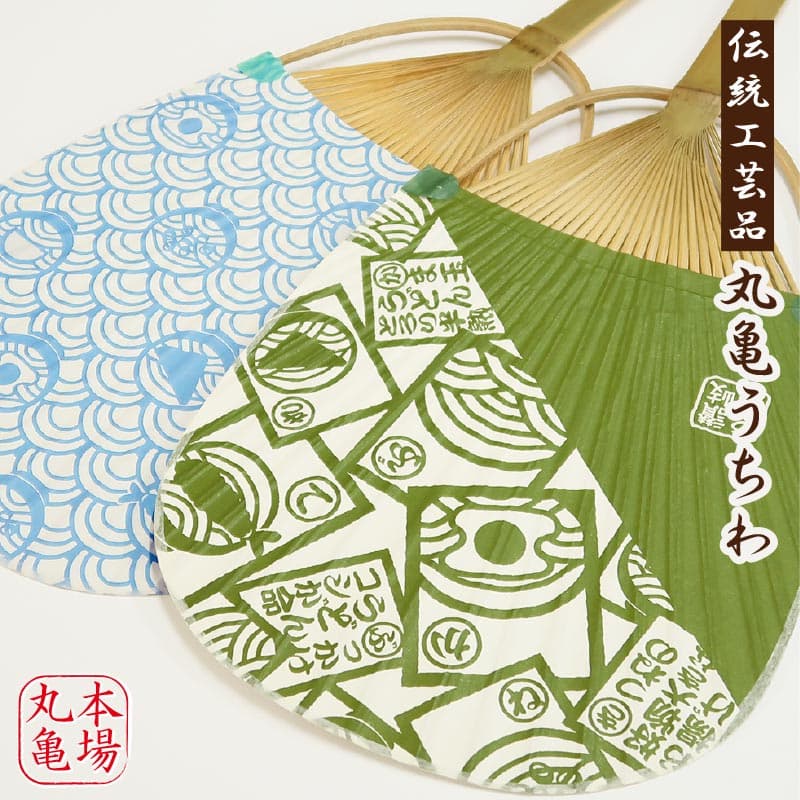
Marugame Koban-Shaped Kakishibu Washi Uchiwa Fan
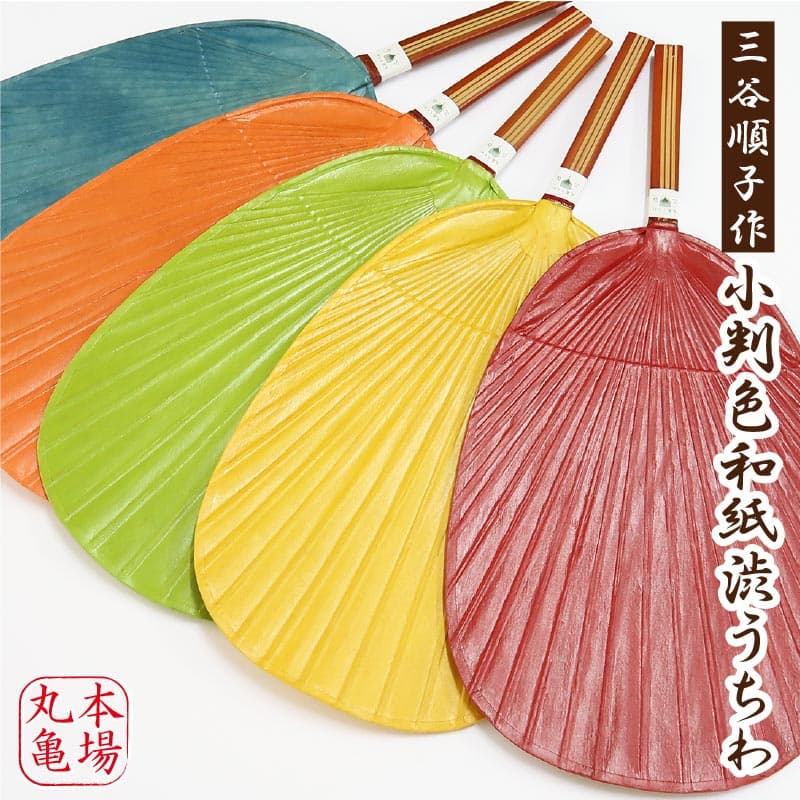
うちわ 小判色和紙渋うちわ【日本製・送料無料】うちわ 丸亀うちわ お中元 夏祭り 浴衣用 竹製手作り 色和紙 柿渋 小判型 団扇 伝統工芸品 5色 納涼グッズ 外国人お土産用に
5 colors5sense楽天市場店
4.6 / 7 reviews
Japanese name丸亀うちわ
In Marugame, Kagawa, a hand fan grew from Konpira pilgrimage souvenirs into a craft shaped by bamboo, cotton thread, washi, and careful handwork.
Information last updated yesterday
3 imagesうちわ 小判色和紙渋うちわ【日本製・送料無料】うちわ 丸亀うちわ お中元 夏祭り 浴衣用 竹製手作り 色和紙 柿渋 小判型 団扇 伝統工芸品 5色 納涼グッズ 外国人お土産用に
5 colors5sense楽天市場店
4.6 / 7 reviews
 3 images
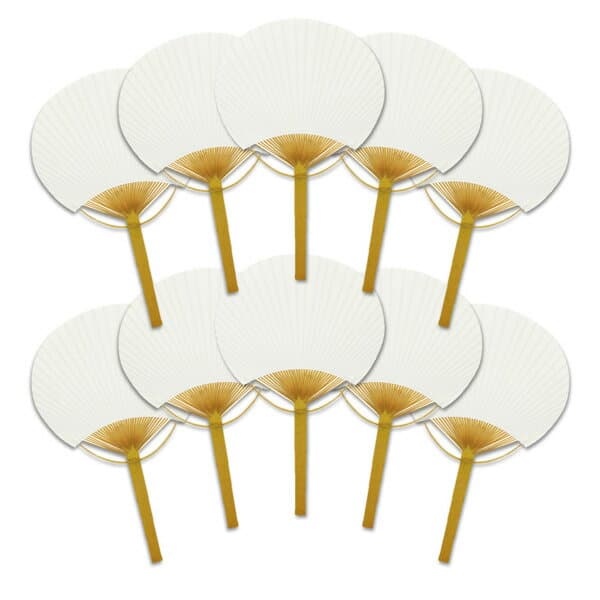
平竹うちわ 白無地 10枚 大サイズ 縦365mm×横230mm 丸亀うちわ 日本製
10-pack, large (365 x 230 mm)アクアステラ
 3 images
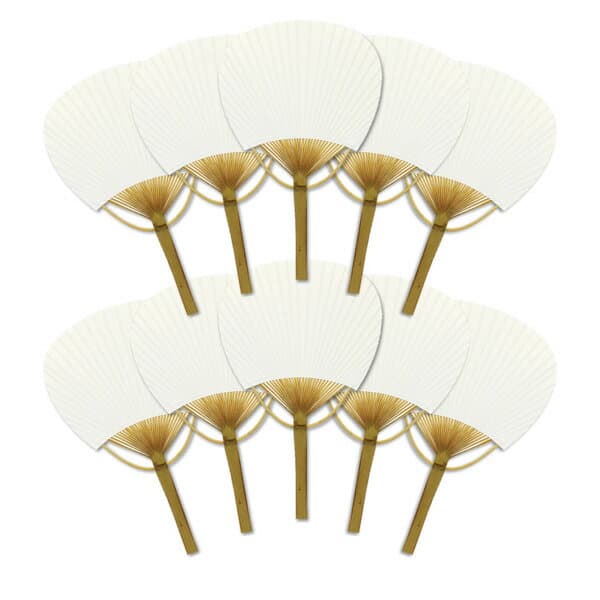
平竹うちわ 白無地 10枚 小サイズ 縦330mm×横195mm 丸亀うちわ 日本製
small, 10 fans (330 x 195 mm)KICHI-KICHE
 3 images
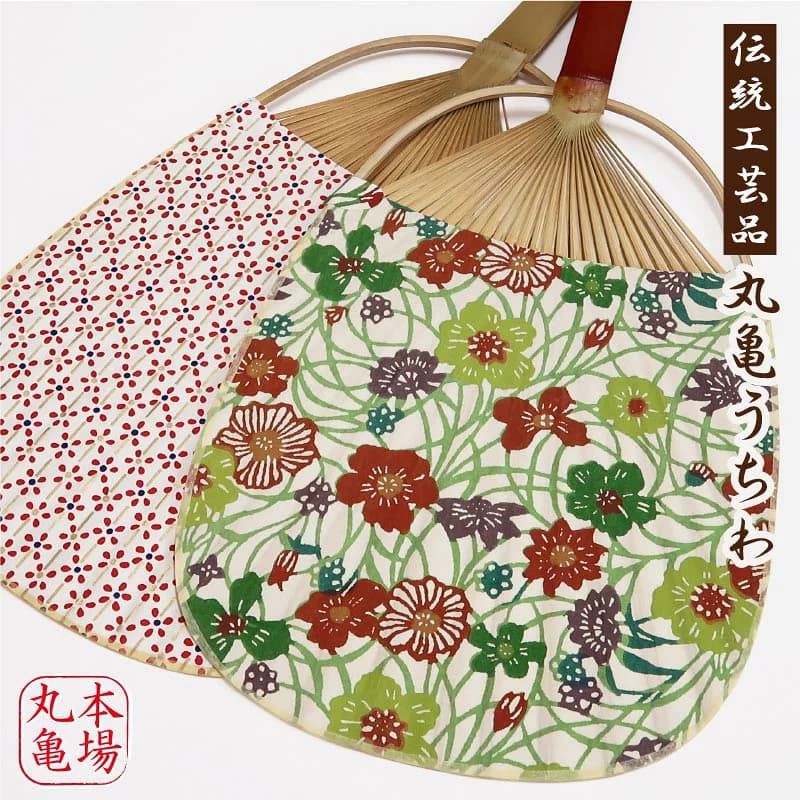
丸亀うちわ【花柄全8柄・日本製・送料無料】手作りのうちわ 讃岐の丸亀竹うちわ 夏祭りの浴衣姿に 讃岐のお土産物として 伝統工芸品 納涼グッズ 竹 和紙 小判うちわ 和装 和服 インテリア 雑貨 花柄 竹製うちわ 丸亀 四国 香川 土産 小花 うちわ 竹 団扇 丸亀 うちわ
8 floral designs5sense楽天市場店
4.8 / 28 reviews
 3 images
伝統工芸品 丸亀竹うどん柄うちわ【全5柄・日本製・送料無料】手作りのうちわ 讃岐の丸亀竹うちわ 夏祭りの浴衣姿に 讃岐のお土産物として 伝統工芸品 納涼グッズ 竹 和紙 小判うちわ 和装 和服
udon pattern5sense楽天市場店
4.7 / 25 reviews
First time buying on Rakuten? How residents in Japan order →
All 5 listings of this product on Rakuten, lowest price first.
| Listing | Price | Shop | Reviews | Open listing |
|---|---|---|---|---|
Marugame Bamboo Uchiwa Fan udon patternLowest price | ¥1,500 | 5sense楽天市場店 | 4.7 / 25 reviews | View on Rakuten → |
Marugame Uchiwa Handmade Bamboo and Washi Fan 8 floral designsMost reviewed | ¥1,680 | 5sense楽天市場店 | 4.8 / 28 reviews | View on Rakuten → |
Marugame Koban-Shaped Kakishibu Washi Uchiwa Fan 5 colorsGift-ready | ¥3,000 | 5sense楽天市場店 | 4.6 / 7 reviews | View on Rakuten → |
Marugame Uchiwa Blank White Flat Bamboo Fans small, 10 fans (330 x 195 mm) | ¥3,480 | KICHI-KICHE | View on Rakuten → | |
Marugame Uchiwa Plain White Flat Bamboo Fans 10-pack, large (365 x 230 mm) | ¥3,980 | アクアステラ | View on Rakuten → |
Japanese · new tab
Marugame uchiwa begins with a city on the route of Konpira pilgrimage traffic. In the early Edo period, red shibu-coated fans marked with a round gold seal were made as souvenirs for travelers; later, the Marugame domain encouraged lower-ranking samurai to make fans as side work, helping the craft become a local industry. To understand the fan today is to look closely at bamboo, cotton thread, washi, and the many small decisions that turn one piece of split bamboo into a usable breeze.
Marugame stood at a gateway for boat passengers headed toward Konpira worship, and the early odake marue fan took shape as a souvenir in that traffic. The setting matters because the object grew around movement: travelers, port access, local work, and a compact item that could be carried home. The Marugame domain later encouraged fan making as side work for retainers, and in the Meiji period the flat-handled fan appeared while production across the area became divided among specialized steps.
The fan is built from bamboo, cotton thread, and washi. Its material world reaches across Shikoku: a local verse carved near the inner moat of Marugame Castle links Iyo bamboo, Tosa paper, Awa glue, and Sanuki fans. In the finished object, bamboo becomes both handle and ribs, paper or cloth forms the face, and thread gathers the split rib tips into a steady curve.
Marugame uchiwa making is described in forty-seven steps. The broad sequence begins with cutting bamboo, splitting it into handle and ribs, fixing the ribs into a fan shape with cotton thread and related materials, then pasting washi or cloth onto the frame. Detailed work includes removing bamboo nodes, splitting the rib tips into thirty-two to forty-two pieces, shaping the arched kama piece that holds the ribs, stitching, pasting, trimming, and adding edge paper; some fans are strengthened with persimmon tannin or lacquer for particular uses.
The uses of Marugame uchiwa have long gone beyond personal cooling. They have been used to cool food, help with cooking and fire-starting, block sunlight, drive away insects, accompany clothing, and decorate rooms. Different forms, patterns, and types grew around those uses. As electric fans, air conditioners, and household kitchens changed daily life, the fan became less necessary in many homes, yet it remains tied to summer, yukata scenes, hand-finished texture, and display.
At the Marugame Uchiwa Museum in Nakazucho, Marugame, visitors can see historical materials, many types of fans, and craft demonstrations that show the steps of making. The hands-on activity lets participants choose paper and complete a fan with guidance. The experience brings the bamboo frame, pasted face, and finishing gestures close enough to understand the object as a sequence of hand movements, not only as a finished fan behind glass.
Marugame City describes current production at about eighty-three million fans a year, and Kagawa is described as holding most of Japan’s uchiwa production share. Behind those figures is still a hand-finished object of bamboo, cotton thread, and washi. The 1997 traditional-craft designation gives context for the place and technique; for a reader or visitor, the clearer memory is often the curve of the ribs, the paper surface, and the visible handwork shown in workshops and demonstrations.
Marugame uchiwa holds Marugame’s pilgrimage-route setting, Shikoku materials, and forty-seven making steps in one hand-held form. It has moved through kitchen fires, summer rooms, yukata outings, and display spaces. What remains steady is concrete: split bamboo, cotton thread, washi, and the light wind made when those materials open into a fan.
Compiled from public records and official sources; see the recognition links below. Details may change over time.
Where this product is officially registered, designated, or recognized in Japan.
It is written as 丸亀うちわ in Japanese. Search Rakuten and other Japanese sites with that spelling — the English name will not bring up the listings.
Marugame round fans are handmade uchiwa fans from Marugame, Kagawa, linked to Konpira pilgrimage traffic and early Edo-period souvenir making. They are crafted from bamboo, cotton thread, and washi through forty-seven steps, and have long served for cooling, cooking, shade, and insect removal. The Marugame Uchiwa Museum displays historical materials, craft demonstrations, and hands-on fan-making experiences.
In the early Edo period, red shibu-coated fans with a round gold mark were made as pilgrimage souvenirs. The Marugame domain encouraged fan making as side work for lower-ranking samurai, helping it grow into a local industry. Each fan is finished by hand through steps such as splitting bamboo, fixing ribs, pasting washi or cloth, trimming, and adding edge paper. Marugame uchiwa has also been used for fire-starting and paired with yukata as fashion, and for decoration.
Uchiwa remain a familiar summer object even after air conditioners and electric fans reduced everyday need for them. They have long been used to cool food and for other kitchen work. At the Marugame Uchiwa Museum, visitors can choose paper and make a fan themselves.
Keep craft pieces out of direct sunlight, damp, and sharp temperature swings, and store them where they won't knock against anything. Wood, bamboo, lacquer, and paper don't tolerate water — wipe any moisture off immediately. Specific care notes are on the listing.
Most options are shelf-stable, boxed, and travel well, so they suit gifting or bringing home. Confirm the final storage and delivery terms on the Rakuten listing.
On Rakuten: the shops listed here right now are 5sense楽天市場店, アクアステラ, KICHI-KICHE. We don't sell directly; purchase, payment, stock, and delivery are all handled on the Rakuten product page.