 3 images
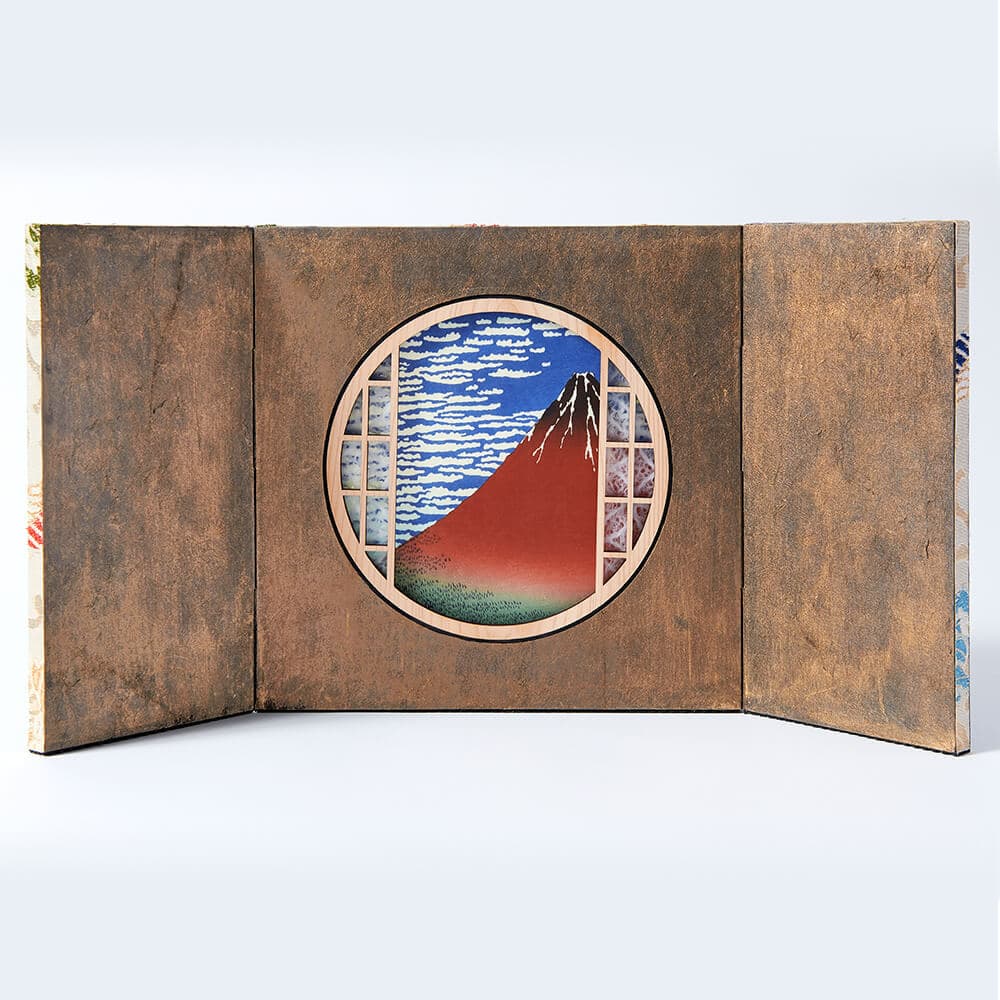
アイディ・タナカ Edo Hyogu ZEN-BYOUBU Hokusai Enso Tabletop Folding Screen
屏風 鑑賞屏風 観音開き 両面表 円相 円窓 葛飾北斎 手漉き和紙 インテリア モダン 伝統工芸品 アイディ・タナカ 江戸表具 ZEN-BYOUBU(禅屏風) Sサイズ 有限会社アイディ・タナカ
S size小粋屋東京
Japanese name江戸表具
Across Tokyo districts such as Ota, Koto, and Taito, Edo hyogu uses washi, cloth, water, paste, and brushwork to shape scrolls, screens, fusuma, framed works, and repairs around the artwork itself.
Information last updated 121 days ago
3 images屏風 鑑賞屏風 観音開き 両面表 円相 円窓 葛飾北斎 手漉き和紙 インテリア モダン 伝統工芸品 アイディ・タナカ 江戸表具 ZEN-BYOUBU(禅屏風) Sサイズ 有限会社アイディ・タナカ
S size小粋屋東京
3 images屏風 鑑賞屏風 観音開き 両面表 円相 円窓 葛飾北斎 手漉き和紙 インテリア モダン 伝統工芸品 アイディ・タナカ 江戸表具 ZEN-BYOUBU(禅屏風) 有限会社アイディ・タナカ
小粋屋東京
 3 images
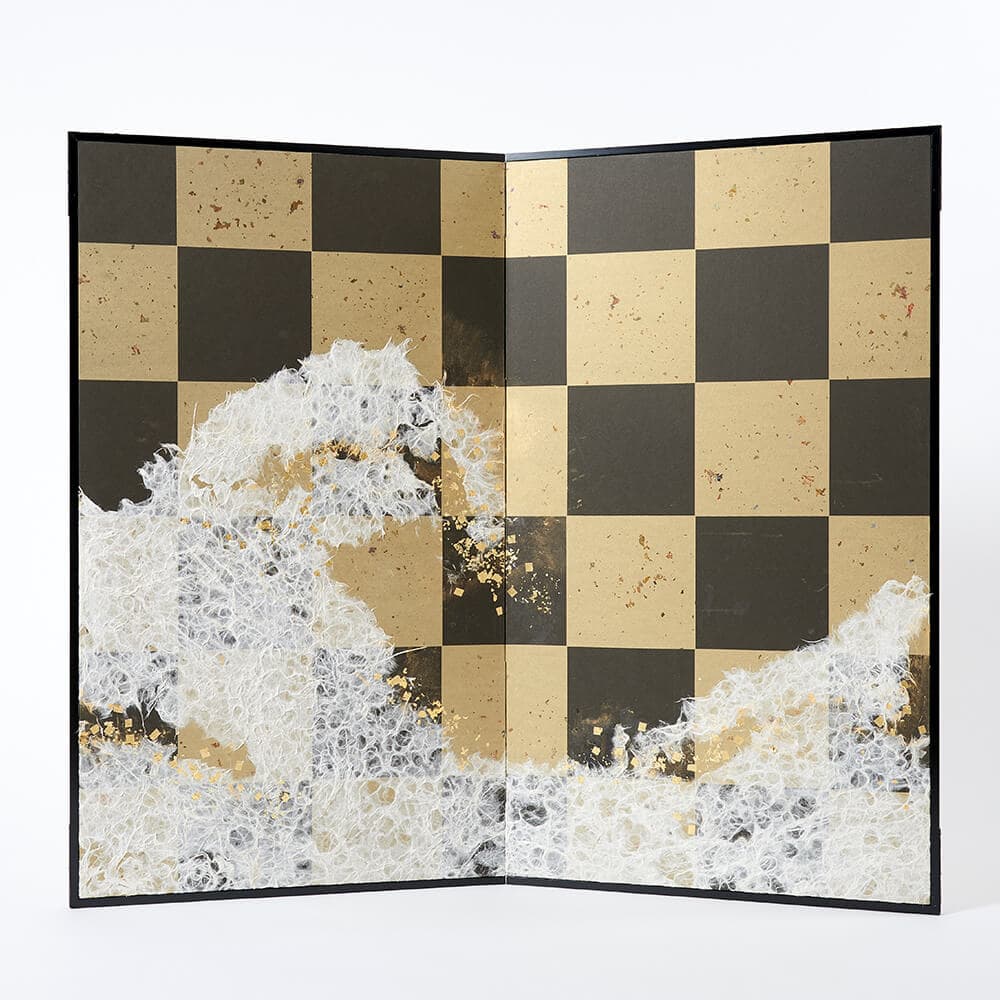
屏風 鑑賞屏風 市松紋様 北斎 インテリア モダン 伝統工芸品 アイディ・タナカ 江戸表具 手漉き和紙 二曲屏風 市松紋様 波切り絵
two-panel folding screen小粋屋東京
First time buying on Rakuten? How residents in Japan order →
Edo hyogu begins with specific Tokyo places: Ota-ku, Koto-ku, Taito-ku, and other districts named as its main production areas. The work reaches hanging scrolls, screens, fusuma, Japanese framed works, and restoration, while its materials return again and again to washi, cloth, water, and paste. In the Genroku years, daimyo residences expanded in Edo and craftspeople settled there; calligraphy and painting also moved closer to townspeople's lives. The quiet strength of Edo hyogu sits in paper handling, paste, water, and brushwork that allow the main paper or artwork to be seen first.
Edo hyogu is tied to Tokyo through concrete production areas, including Ota-ku, Koto-ku, Taito-ku, and other districts. The words hyogushi and kyoshi once pointed to different backgrounds, with kyoshi connected to Buddhist sutras and mounted religious texts, but the working range widened over time. By the Edo period, the same field covered hanging scrolls, screens, fusuma, and related mounted forms, so the two terms came to point toward the same work. The craftsperson often remains behind the artwork, arranging paper, cloth, and proportion so the piece can stand in a room.
During the Genroku period, from 1688 to 1704, the expansion of daimyo residences in Edo brought retained craftspeople into the city and helped them settle there. At the same time, calligraphy and painting became closer to townspeople's lives, increasing the need for forms that could be hung, opened, or built into interiors. Later conditions changed sharply: the field declined after the Meiji shift, demand rose again from Taisho into Showa, and the postwar years brought another blow. The present search for new directions belongs to that same timeline, not to a timeless label.
The material list is spare: different washi papers, textile cloth, water, and paste. Because the list is spare, the handling is demanding. Paper handling and brush control require long training, and the balance of water and paste must answer the behavior of paper and cloth under the hand. Brushwork is therefore not a decorative flourish; it is the practical movement that lets the mounting support the artwork without overwhelming it.
The range of hyogu work includes scroll mounting, ceilings and walls, albums, screens, fusuma, binding, restoration, and framed works. Each piece is made one by one according to the object and the request, so color, cloth, and size follow the condition of the main paper. New work is only part of the field. Repair and restoration can also bring older scrolls, screens, fusuma, and mountings from public buildings or temples back into a state where they can be viewed and used again.
In Edo hyogu, the mounting does not compete with the calligraphy or painting. Craftspeople choose cloth and arrangement by looking at the atmosphere and appearance of the main paper. Edo hanging scrolls are described as relatively short in overall length, with monochrome or pale tones, a restraint that keeps attention on the work held inside the mounting. As tatami rooms have become fewer and flooring or carpets more common, some craftspeople also make hyogu suited to Western-style and varied rooms.
Edo hyogu can be read through a short hanging scroll, a screen, a fusuma panel, or an older mounting returned through repair. In Tokyo districts such as Ota, Koto, and Taito, washi, cloth, water, paste, and brushwork give calligraphy and painting a place to be seen. As interiors shift from tatami rooms toward varied room types, the craft keeps the main paper at the center while adjusting proportion, color, and use.
Compiled from public records and official sources; see the recognition links below. Details may change over time.
Where this product is officially registered, designated, or recognized in Japan.
Traditional craft
Designated a Traditional Craft (dentō kōgeihin) by Japan's Ministry of Economy, Trade and Industry.
Sources1
It is written as 江戸表具 in Japanese. Search Rakuten and other Japanese sites with that spelling — the English name will not bring up the listings.
Edo hyogu mounting is a Tokyo craft centered in districts including Ota, Koto, and Taito. It shapes hanging scrolls, screens, fusuma, framed works, and repairs, using washi, cloth, water, paste, and brushwork. Its growth in the Genroku period is linked to daimyo residence expansion and wider contact with calligraphy and painting among townspeople. Edo hanging scrolls are noted for their shorter length and subdued tones.
Edo hyogu's main production areas include Ota-ku, Koto-ku, Taito-ku, and other Tokyo districts. The work covers hanging scrolls, screens, fusuma, framed works, binding, and restoration. Its basic materials include washi, textile cloth, water, and paste. Long training is needed for paper handling and brush control in Edo hyogu.
Mounting choices are made to bring out the atmosphere and appearance of the main painting or calligraphy work (the honshi). The craft includes repair and restoration work, such as for cultural properties, public buildings, temples, and stored mountings. As tatami rooms have decreased with changes in living styles, some craftspeople make hyogu suited to spaces such as western-style rooms (yoshitsu).
Keep craft pieces out of direct sunlight, damp, and sharp temperature swings, and store them where they won't knock against anything. Wood, bamboo, lacquer, and paper don't tolerate water — wipe any moisture off immediately. Specific care notes are on the listing.
Most options are shelf-stable, boxed, and travel well, so they suit gifting or bringing home. Confirm the final storage and delivery terms on the Rakuten listing.
On Rakuten: the shops listed here right now are 小粋屋東京. We don't sell directly; purchase, payment, stock, and delivery are all handled on the Rakuten product page.