Yamanaka Lacquerware Kanazawa Foil Lacquer Art Ballpoint Pen
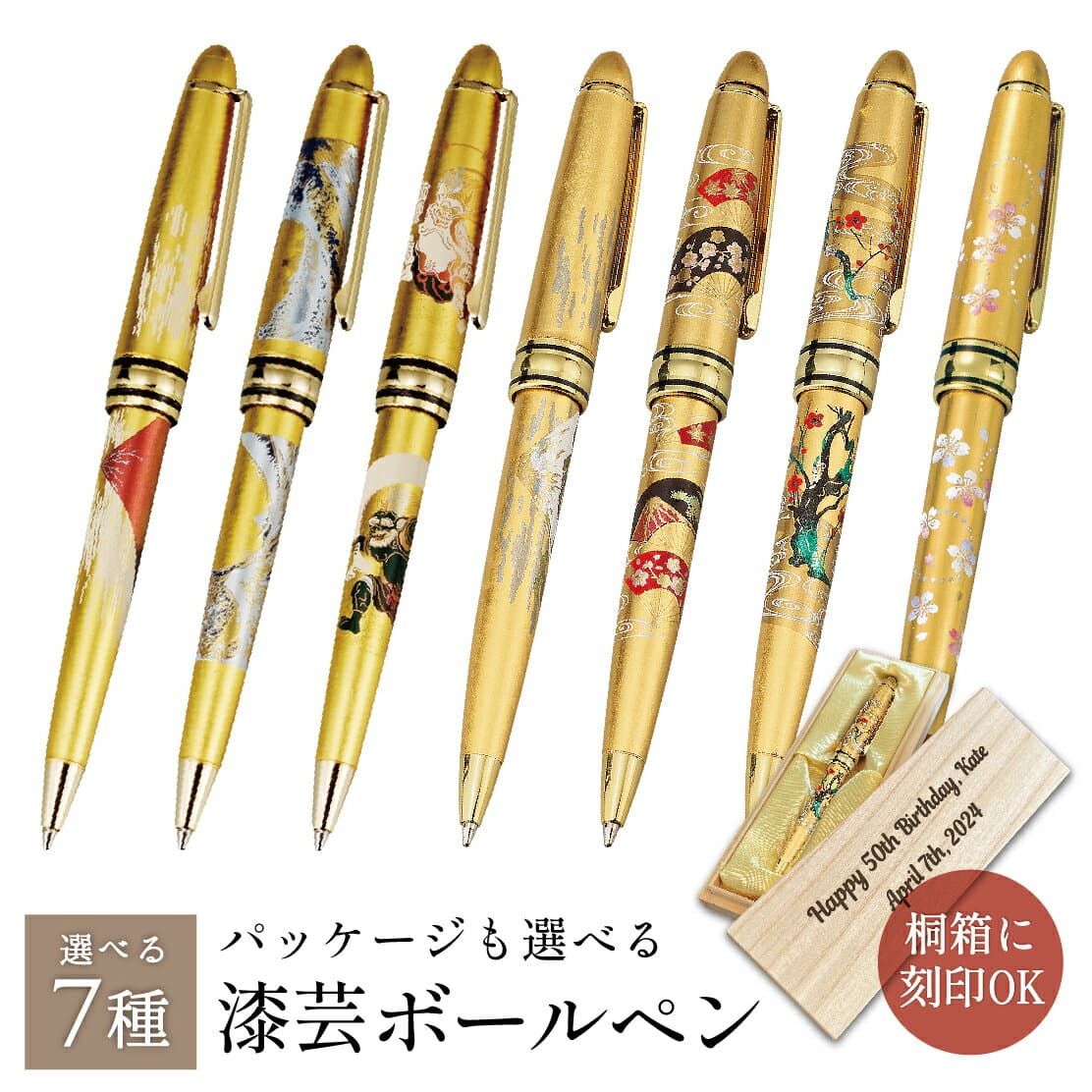
【スーパーSALEポイント5倍+まとめ割5~15%OFF】【名入れ刻印可】 山中漆器 漆芸金沢箔ボールペン 選べる7種(G)(桐箱 卒業祝 入学祝 退職祝 和柄 周年記念 工芸品 石川県 外国人 海外出張 土産 ギフト 海外発送可 プレゼント 和雑貨 お祝 誕生日 景品)
なごみや本舗 楽天市場店
5.0 / 6 reviews
Japanese name金沢箔
In Kanazawa, Ishikawa, gold alloyed with small amounts of silver and copper is carried by humid air, prepared paper, and repeated beating into leaf for altars, maki-e, screens, and restoration work.
Information last updated 5 days ago
【スーパーSALEポイント5倍+まとめ割5~15%OFF】【名入れ刻印可】 山中漆器 漆芸金沢箔ボールペン 選べる7種(G)(桐箱 卒業祝 入学祝 退職祝 和柄 周年記念 工芸品 石川県 外国人 海外出張 土産 ギフト 海外発送可 プレゼント 和雑貨 お祝 誕生日 景品)
なごみや本舗 楽天市場店
5.0 / 6 reviews
【マラソン本日ポイント5倍+まとめ割5~15%OFF】山中漆器 半月プレースマット S 麻の葉(S)(母の日 金沢箔 工芸品 ランチョンマット 和食 洋食 お膳 プレート 正月 お盆 恵方巻 お食事処 金沢箔マット おしゃれ 景品)
なごみや本舗 楽天市場店
5.0 / 1 reviews
金箔フレーク 3号色 切廻し 0.25g / 0.5g / 1g 金沢箔 金 フレーク 手芸 蒔絵用 沈金用 手芸用品 装飾用 塗装用 金箔 ヘア アート 髪 付ける 髪の毛 成人式 髪飾り ヘアアレンジ 手芸材料 ハンドメイド材料 飾り 工作 工作材料
金沢から金箔金紛工芸品材料の安江
4.9 / 11 reviews
【P5倍+まとめ割5~15%OFF】山中漆器 半月プレースマット S 麻の葉(G) (ランキング1位 金沢箔 工芸品 ランチョンマット 和食 洋食 お膳 レート 正月 お盆 恵方巻 お食事処 居酒屋 おしゃれ 金沢箔マット ギフト 海外発送可 景品)
なごみや本舗 楽天市場店
5.0 / 10 reviews
First time buying on Rakuten? How residents in Japan order →
All 4 listings of this product on Rakuten, lowest price first.
| Listing | Price | Shop | Reviews | Open listing |
|---|---|---|---|---|
Yamanaka Lacquerware Kanazawa Foil Lacquer Art Ballpoint Pen 7 designs, paulownia boxLowest priceGift-ready | ¥6,280 | なごみや本舗 楽天市場店 | 5.0 / 6 reviews | View on Rakuten → |
Kanazawa Foil Yamanaka Lacquerware Half-Moon Placemat, Asanoha S size, asanoha pattern | ¥7,980 | なごみや本舗 楽天市場店 | 5.0 / 1 reviews | View on Rakuten → |
Yamanaka Lacquerware Half-Moon Placemat S, asanoha (G)Gift-ready | ¥7,980 | なごみや本舗 楽天市場店 | 5.0 / 10 reviews | View on Rakuten → |
Kanazawa Gold Leaf Flakes (No. 3 Color, Kirimawashi) 0.25g / 0.5g / 1gMost reviewed | ¥8,668 | 金沢から金箔金紛工芸品材料の安江 | 4.9 / 11 reviews | View on Rakuten → |
Japanese · new tab
Kanazawa-haku begins with a scale most objects never reach: pure gold, mixed with small amounts of silver and copper, is extended to about one ten-thousandth of a millimeter. The sheet is tied to Kanazawa City in Ishikawa Prefecture, humid Hokuriku air, water suited to leaf-making, and the prepared papers that carry gold through beating. Its uses are equally concrete: Buddhist altars and implements, lacquer maki-e, screens, fusuma paper, ceramics, gold and silver threads, restoration work, cosmetics, and other craft or daily objects. In present-day Japan, Kanazawa accounts for nearly all domestic gold-leaf production.
Kanazawa City is named as the main production area for Kanazawa-haku, with gold leaf, silver leaf, Western metal leaf, and gold-leaf crafts listed among its main products. The center of the family is the act of making metal extraordinarily thin: a gold alloy can be spread to about one ten-thousandth of a millimeter, so a piece the size of a ten-yen coin can reach the area of four to five tatami mats. At that thickness, gold becomes a surface for altar faces, lacquer lines, folding screens, ceramics, and small objects that carry light rather than weight.
Thin leaf is vulnerable to dry air and static, so Kanazawa’s humid Hokuriku climate matters inside the workshop. Water connected with the Hakusan system and water quality suited to leaf-making are also part of the local working conditions. The water does not turn gold bright by itself; it belongs to paper preparation, handling, and the daily rhythm of a workshop where a sheet can tear if the air is too harsh. The place behind Kanazawa-haku is therefore concrete: damp air, water, paper, tools, and hands.
The timeline of Kanazawa-haku is anchored by dates rather than legend. In 1593, an order associated with Maeda Toshiie appears in the early account of leaf-making; in 1696, Tokugawa restrictions limited leaf production outside Edo and Kyoto; in 1808, demand returned with work connected to rebuilding after the Kanazawa Castle Ninomaru fire; in 1864, leaf for domain use was permitted. After domain rule ended, controls shifted and Kanazawa-haku expanded in quality and volume. These moments connect the sheet to castle interiors, domain craft policy, and a changing market.
In en-tsuke gold leaf, much of the labor happens before the final sheet appears. Handmade papers such as ganpi are prepared with materials including straw lye and persimmon tannin; another regional craft description notes clay-mixed handmade paper treated with lye, persimmon tannin, and egg over roughly one month. Paper quality directly affects the leaf, because gold and paper are layered together while the metal is beaten wider and thinner. At the end, each en-tsuke sheet is transferred and trimmed with bamboo tools, one piece at a time.
Tachi-kiri gold leaf follows a different working rhythm. It uses carbon-coated glassine paper, and the paper and leaf are stacked before being cut together into squares. That makes trimming and sorting better suited to a modern, efficient workflow. En-tsuke and tachi-kiri are two paper systems, two cutting methods, and two ways of arranging time: one centers on prepared handmade paper and bamboo-tool finishing, while the other centers on glassine paper and stacked cutting. Both belong to Kanazawa-haku and both send thin gold into craft, daily goods, and cosmetics.
Kanazawa-haku moves into specific objects: Buddhist altars and implements, mizuhiki, gold and silver threads for Nishijin textiles, lacquer chinkin and maki-e, ceramic decoration, folding screens, fusuma paper, pharmaceutical materials, cosmetics, architecture, sculpture, religious tools, and daily goods. En-tsuke gold leaf is also placed by the preservation association in the setting of national treasures and important cultural-property restoration, where prepared paper and bamboo-tool trimming become part of repair work. In Kanazawa’s Fukuhisa area, the Ishikawa leaf cooperative hall displays products, leaf-making tools, and process panels; in Higashiyama, the Kanazawa-Haku Research Center works from inside Yasue Gold Leaf Museum.
To follow Kanazawa-haku is to follow gold through water, paper, humid air, bamboo tools, and the surfaces that receive it: altars, lacquer, screens, ceramics, and repair sites. From the 1593 leaf-making order to the displays and study spaces in Kanazawa today, the craft keeps a small scale in public view: a sheet around one ten-thousandth of a millimeter, held together by place, material, and repeated work.
Compiled from public records and official sources; see the recognition links below. Details may change over time.
Where this product is officially registered, designated, or recognized in Japan.
It is written as 金沢箔 in Japanese. Search Rakuten and other Japanese sites with that spelling — the English name will not bring up the listings.
Kanazawa-haku is a craft material from Kanazawa City, Ishikawa Prefecture, centered on gold leaf, plus silver leaf, Western leaf, and gold-leaf crafts. Gold is alloyed with trace silver and copper, then hammered to about one ten-thousandth of a millimeter, supported by humid air and suitable water in Hokuriku. En-tsuke leaf uses prepared handmade ganpi paper, while tachi-kiri uses treated paper cut in stacks. Uses include altars, maki-e, screens, fusuma, ceramics, restoration, cosmetics, daily goods.
Kanazawa accounts for nearly all domestic gold-leaf production in Japan, with one regional craft listing stating more than 99 percent. The Ishikawa leaf cooperative hall displays Kanazawa-haku products, leaf-making tools, and process panels, and the Kanazawa-Haku Research Center is inside Yasue Gold Leaf Museum. En-tsuke gold leaf uses handmade papers such as ganpi prepared with materials including straw lye and persimmon tannin, and final trimming uses bamboo tools. Tachi-kiri gold leaf uses carbon-coated glassine paper and cuts stacked paper and leaf together into squares for a more efficient modern workflow.
In Kanazawa, gold-leaf application experiences let visitors apply leaf to items such as chopsticks, small boxes, mirrors, and tumblers.
Keep craft pieces out of direct sunlight, damp, and sharp temperature swings, and store them where they won't knock against anything. Wood, bamboo, lacquer, and paper don't tolerate water — wipe any moisture off immediately. Specific care notes are on the listing.
Most options are shelf-stable, boxed, and travel well, so they suit gifting or bringing home. Confirm the final storage and delivery terms on the Rakuten listing.
On Rakuten: the shops listed here right now are なごみや本舗 楽天市場店, 金沢から金箔金紛工芸品材料の安江. We don't sell directly; purchase, payment, stock, and delivery are all handled on the Rakuten product page.