 3 images
Ishikawa Local Goods Guide
石川県
Ishikawa is indexed here as a practical buying guide for travelers and foreign residents in Japan. Start with packable gifts, then compare table goods, quiet luxuries, and crafted objects when you need a stronger sense of place.
23Local selections
What Ishikawa is known for
The 8 products below are what Ishikawa is known for, ordered by how strongly each is rooted in the prefecture — what it is, and why it comes from here.
Hakusan sakeSake & spirits
In Hakusan City, Ishikawa, sake begins with Mount Hakusan water moving through the Tedori River fan; five breweries keep rice umami, rounded body, and gentle aroma close to water, koji, and shubo.
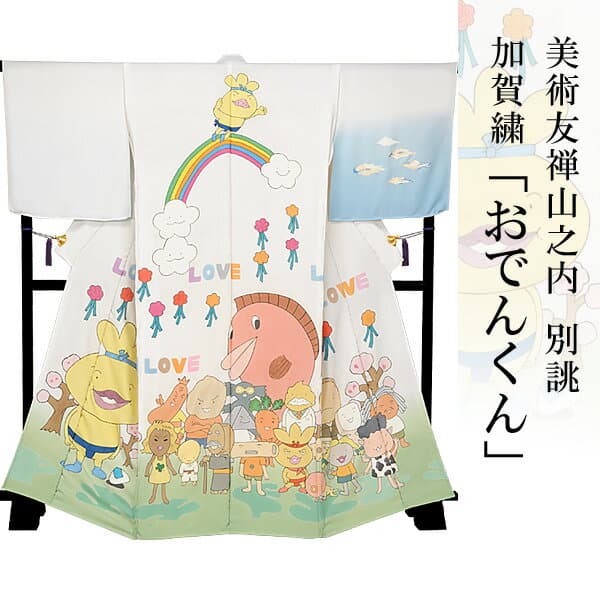
Kaga embroideryTextiles
Kaga embroidery comes from Ishikawa’s Kanazawa and Hakusan area, where silk, gold, and silver threads are stitched by hand into raised motifs for Buddhist textiles, kimono, obi, interiors, and small workshop pieces.
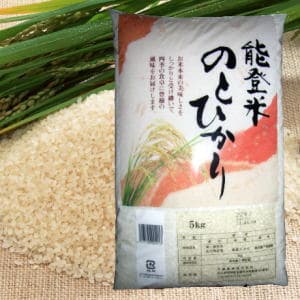
Noto riceRegional foods
Noto Rice gathers Koshihikari from Nanao, Suzu, Hakui, Shika, Hodatsushimizu, Nakanoto, Anamizu, and Noto around shared cultivation rules and visible paddy work: lower chemical inputs, mechanical weeding, scarecrows, and seasonal water management.
Kanazawa gold leafCraft objects
In Kanazawa, Ishikawa, gold alloyed with small amounts of silver and copper is carried by humid air, prepared paper, and repeated beating into leaf for altars, maki-e, screens, and restoration work.
Ono soy sauceRegional foods
In Kanazawa’s Ono area, a Japan Sea port, soy sauce grew from wheat, soybeans, Noto salt, Hakusan spring water, humid brewing weather, and a mellow umakuchi taste used with Kaga cooking and seafood.
Kaga misoRegional foods
In Ishikawa’s Kaga area centered on Kanazawa, rice koji and long maturation give this rice miso dense umami, body, gentle sweetness, and a link to the grain land fed by Mount Hakusan rivers.
Wajima lacquerwareTableware
In Wajima City, Ishikawa, wooden bases, cloth reinforcement, and local jinoko undercoat sit beneath layered lacquer on repairable bowls, cups, trays, and chopsticks made through linked hands.
Yamanaka lacquerwareTableware
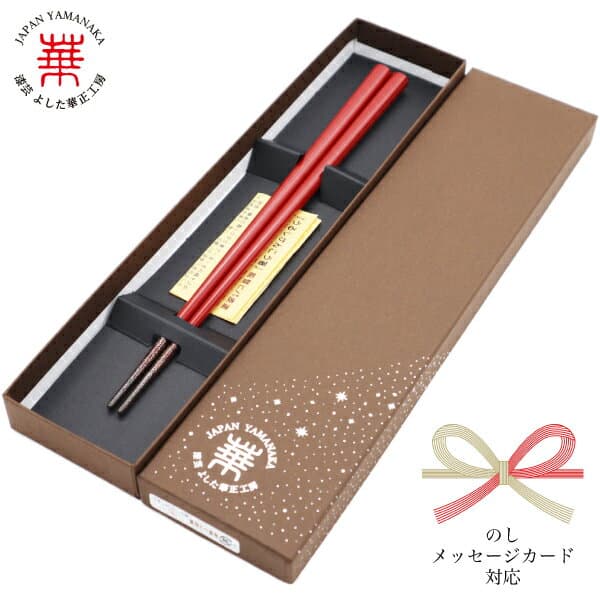
In Yamanaka Onsen, Kaga City, Ishikawa, Yamanaka-nuri is sustained by about 250 member establishments and roughly 1,200 workers, connecting wooden lacquerware, tea utensils, tableware, interior goods, and accessories.
Regional Gifts
Packable foods and gifts with clear regional character.
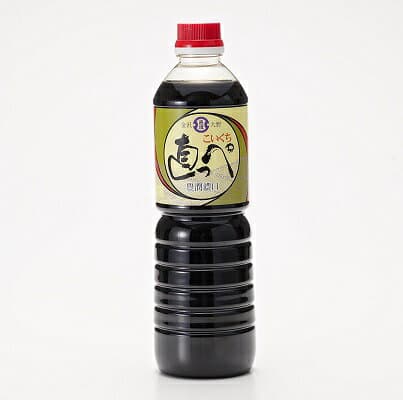
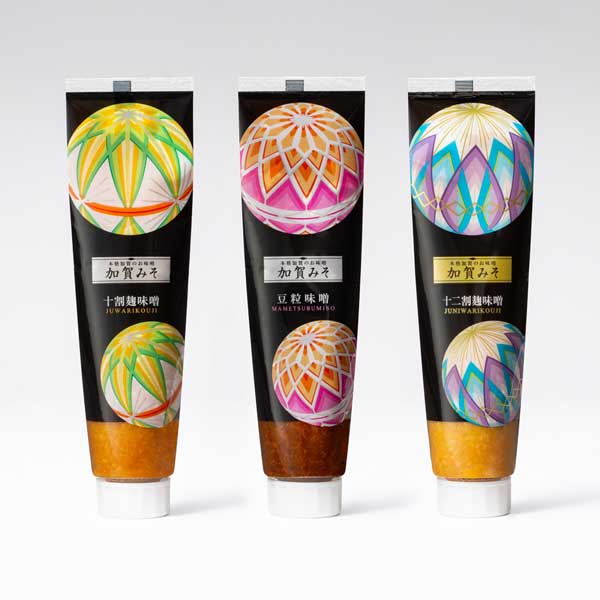

Table & Tea
Tea, drinks, foods, and table pieces shaped by local taste.


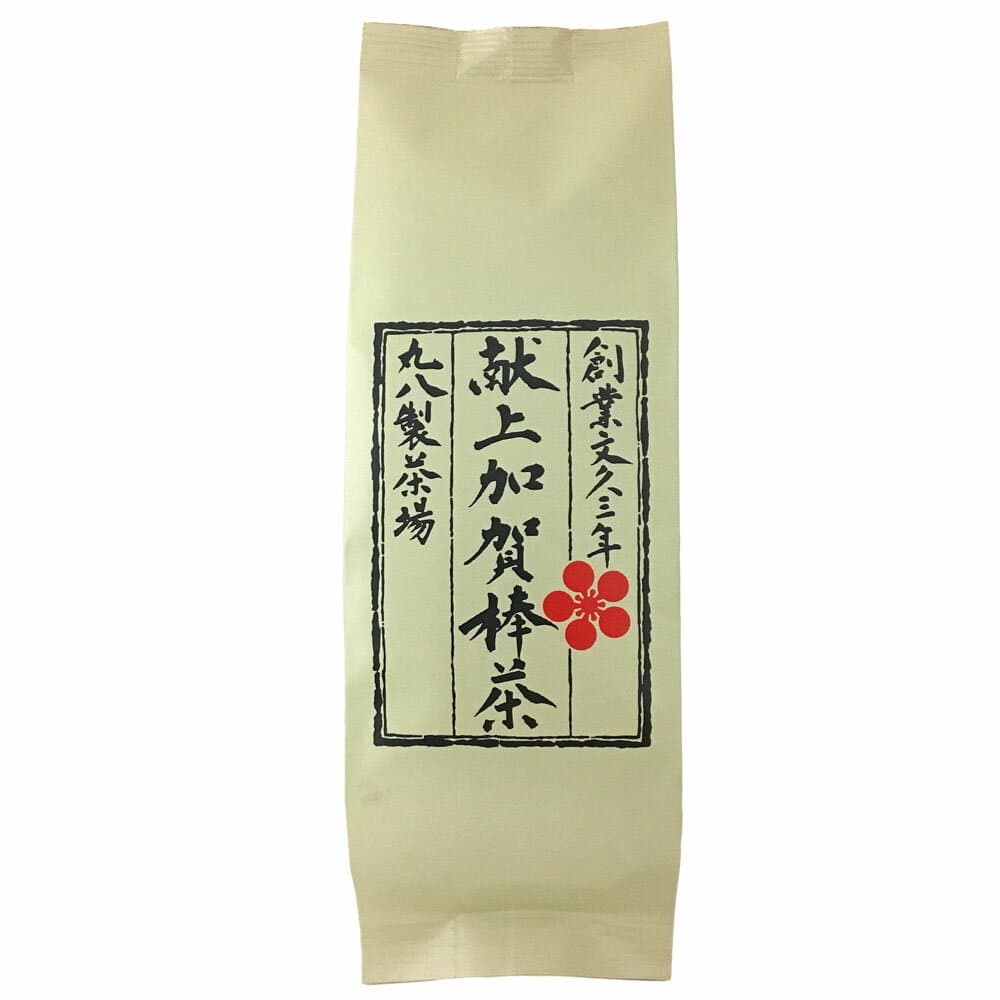
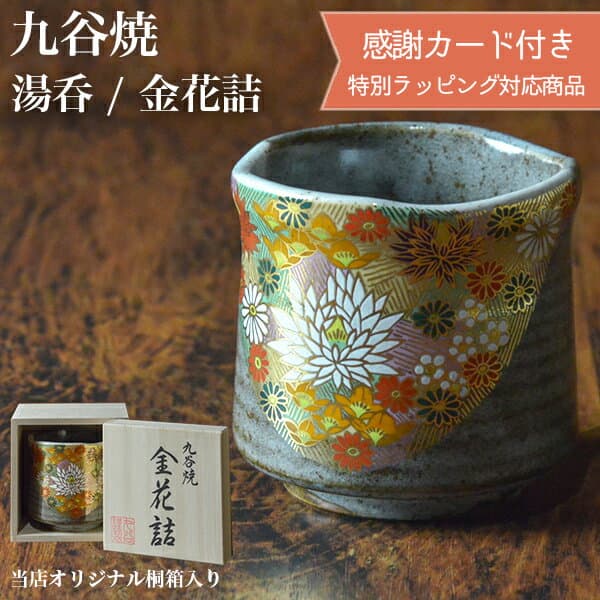
Daily Rituals
Home goods and textiles that turn everyday use into a local ritual.
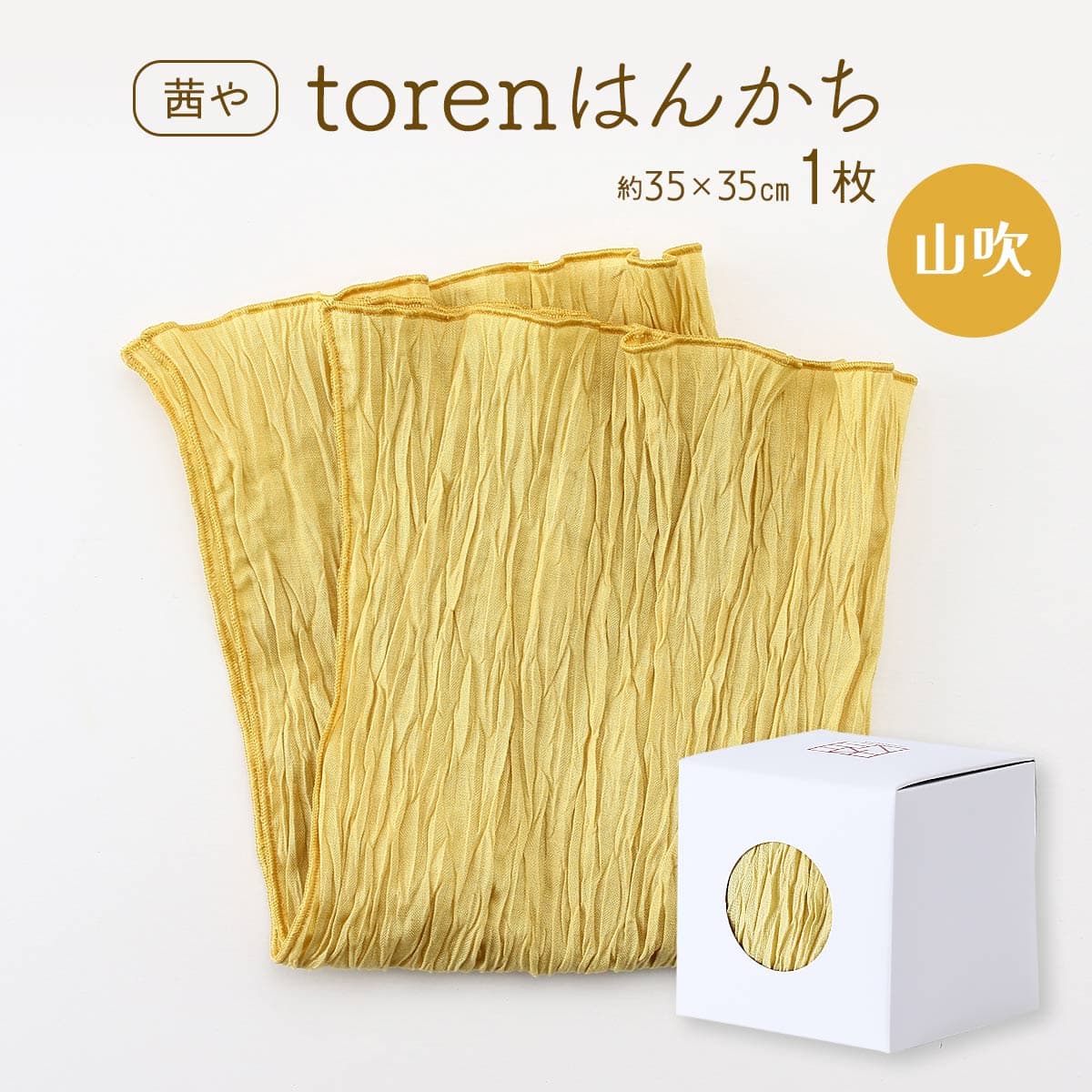
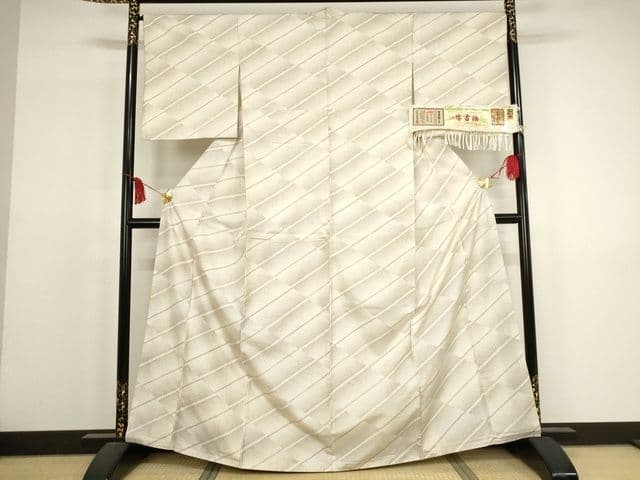
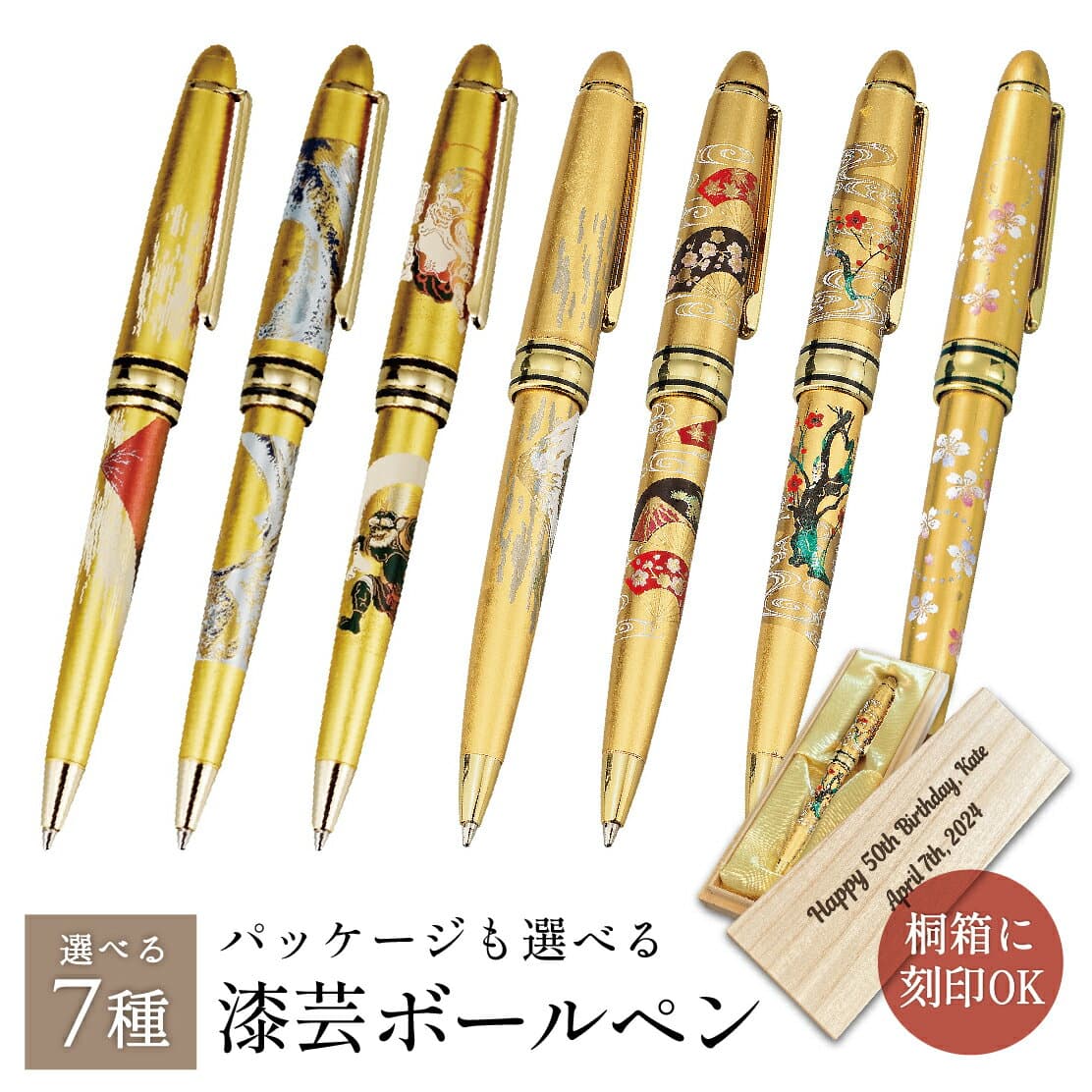
Crafted Forms
Ceramics, lacquer, glass, woodwork, metalwork, folk craft, and their forms.
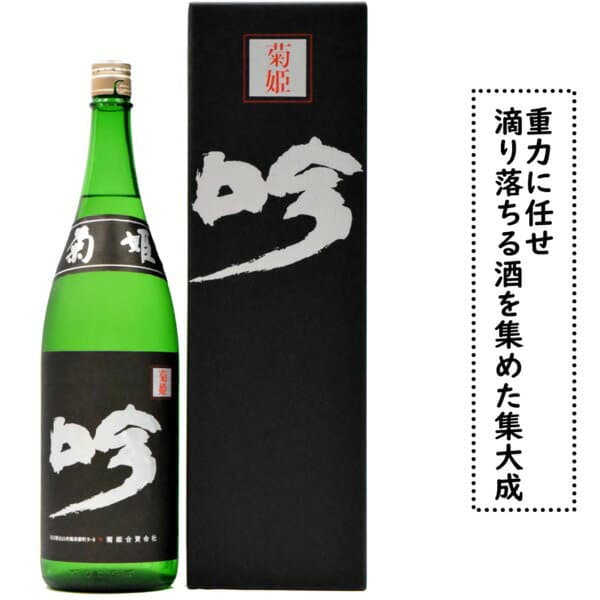
Sake & Spirits
Local sake, shochu, regional wine and craft spirits shaped by each prefecture. For ages 20+.
Ishikawa's specialties by category
How the same thing is made elsewhere, and what differs: the category overviews start here.
Start with type, not region: white miso is sweet and short-aged, red miso is salty and long-aged, bean miso is soybeans and salt only.
Type first: somen and hand-stretched udon are pulled, soba is about the flour, ramen and Okinawa soba use kansui.
Kind before region: fresh fish is about handling, crab and oysters about season, nori and dried goods about processing.
Breed first, brand second: Japanese Black is marbled, akaushi is lean, a brand name is a set of conditions, not a breed.
Pick the type before the region: sencha is brisk, gyokuro is sweet and thick, matcha is ground tencha, hojicha is roasted and not bitter.
Earthenware or porcelain first, then the surface: unglazed like Bizen, glazed like Hagi, or painted like Kutani.
Woven or dyed first: tsumugi, kasuri and chijimi weave dyed yarn; yuzen, komon and bingata dye white cloth.
FAQ
What is Ishikawa known for?
Ishikawa (Chubu) is represented here by specialties such as Hakusan sake, Kaga embroidery, Noto rice — each verified against official registries and matched to Rakuten listings.
Are Ishikawa souvenirs good to bring home?
Many Ishikawa picks — Hakusan sake, Kaga embroidery, Noto rice among them — are shelf-stable foods and crafts that travel well; for temperature- or fragility-sensitive items, confirm delivery and packaging on the Rakuten listing.
Are these products sold directly by this site?
No. This site curates Rakuten listings and may earn affiliate revenue from links to Rakuten.
How are products selected?
Listings are filtered for local relevance, product images, availability, and review strength.
Related prefecture guides
Niigata
Niigata is a useful regional guide for distinctive local specialties.
Toyama
Toyama is a useful regional guide for distinctive local specialties.
Fukui
Fukui is a useful regional guide for distinctive local specialties.
Yamanashi
Yamanashi is a useful regional guide for distinctive local specialties.