 2 images
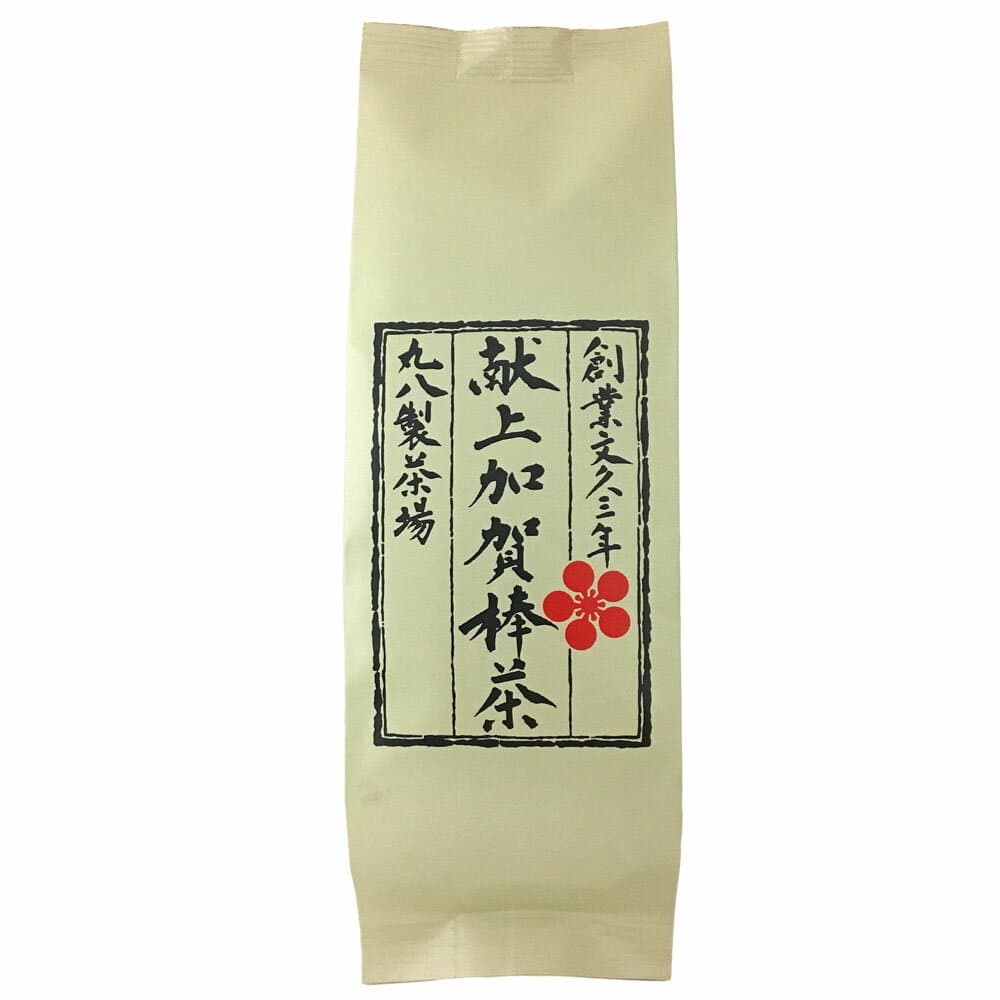
Maruhachi Seichajo Kenjo Kaga Bocha
丸八製茶場 献上加賀棒茶 60g
60g成城石井 楽天市場店
4.8 / 20 reviews
Japanese name加賀棒茶
Kaga bocha begins with selected tea stems, Kanazawa’s tea merchants, and the roasting work of Ishikawa shops, moving from light firing to deep roast and from hot cups to cold brew.
Information last updated yesterday
2 images丸八製茶場 献上加賀棒茶 60g
60g成城石井 楽天市場店
4.8 / 20 reviews
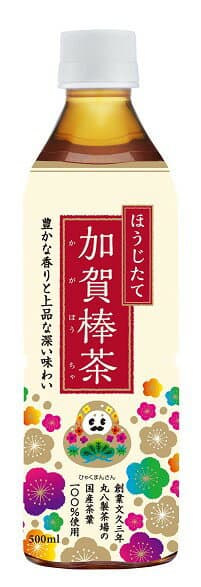
ハイピース ほうじたて加賀棒茶 500ml 24本(1ケース) 【ひゃくまんさんラベル】 JP宅配100サイズ 加賀棒茶 ペットボトル ひゃくまんさん 丸八製茶場 日本茶 ほうじ茶 カロリーゼロ 石川 北陸 【Z】
500ml x 24 bottles, Hyakumansan label北陸うまいもん屋
4.8 / 20 reviews
 3 images
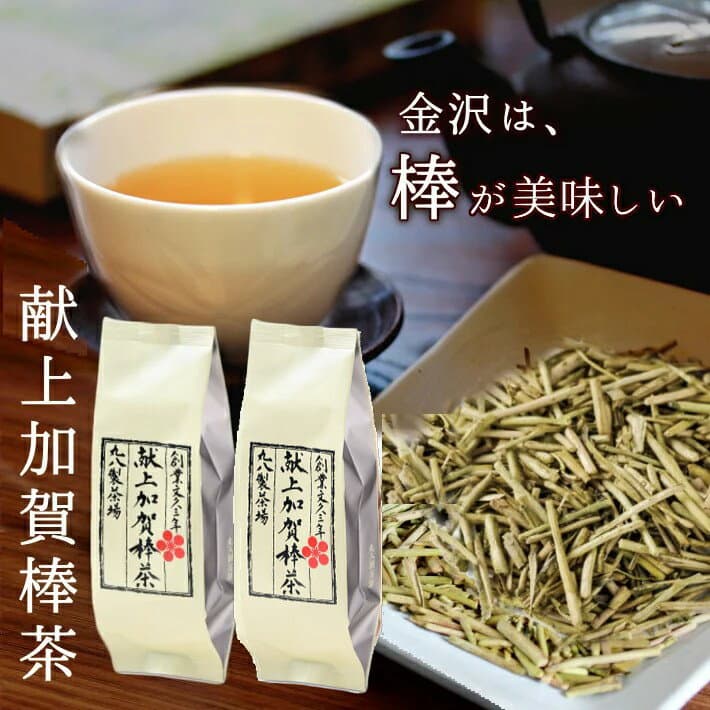
【9月9日以降お届け】【お得な送料込セット】丸八製茶場 献上加賀棒茶60g×2袋ご自宅用・他の商品同梱可
60g x 2 bags, home pack金沢 加賀 能登の味 coco彩果
4.9 / 49 reviews
 3 images
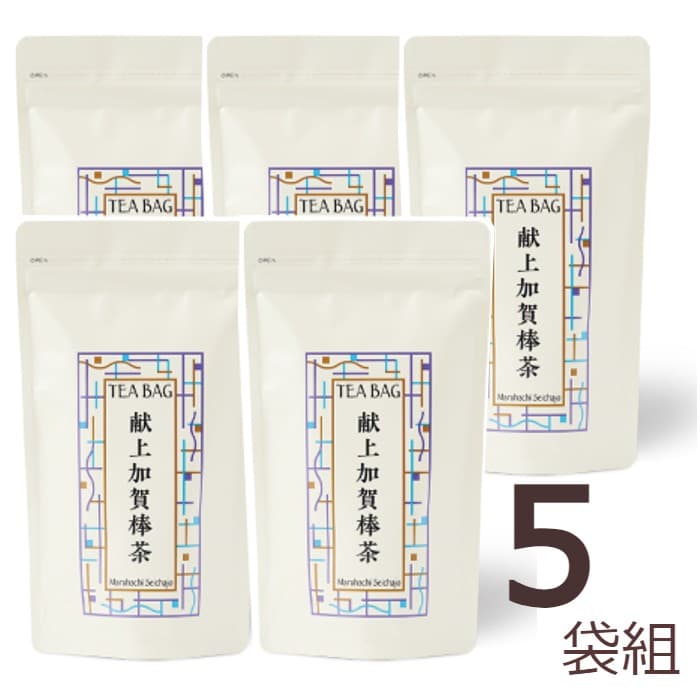
【10月1日以降お届け】【単品よりお得!送料込】丸八製茶場 献上加賀棒茶ティーバッグ 5袋組 ご自宅用(3g×12ヶ)※ギフト商品ではありません。ダンボールに詰めてお届けいたします
home-use 5-pack (3g x 12 tea bags each)金沢 加賀 能登の味 coco彩果
4.9 / 89 reviews
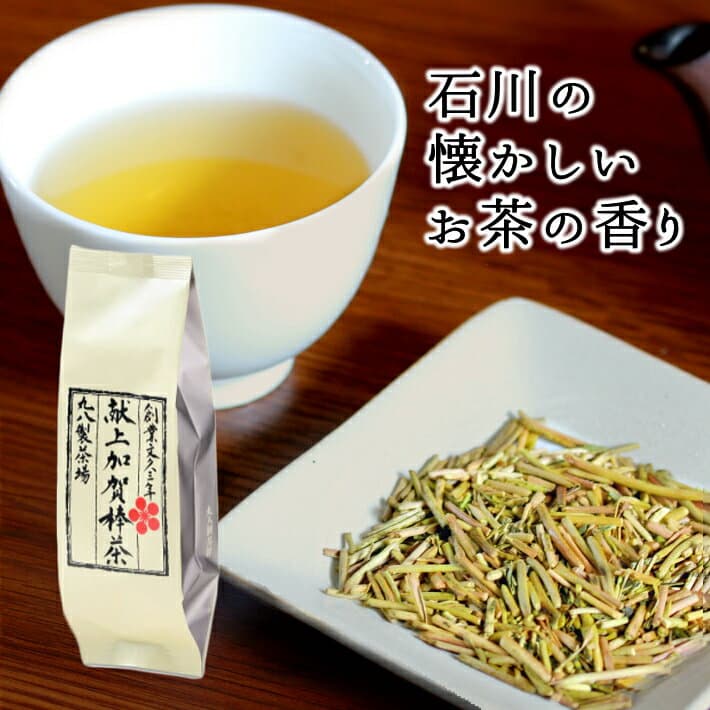 3 images
【10月1日以降お届け】丸八製茶場 献上加賀棒茶60g
60g金沢 加賀 能登の味 coco彩果
4.9 / 53 reviews
First time buying on Rakuten? How residents in Japan order →
All 5 listings of this product on Rakuten, lowest price first.
| Listing | Price | Shop | Reviews | Open listing |
|---|---|---|---|---|
Maruhachi Seichajo Kenjo Kaga Bocha 60gLowest price | ¥993 | 成城石井 楽天市場店 | 4.8 / 20 reviews | View on Rakuten → |
Maruhachi Seichajo Kenjo Kaga Boucha Roasted Stem Tea 60g | ¥1,782 | 金沢 加賀 能登の味 coco彩果 | 4.9 / 53 reviews | View on Rakuten → |
High Peace Freshly Roasted Kaga Boucha 500ml x 24 bottles, Hyakumansan label | ¥3,480 | 北陸うまいもん屋 | 4.8 / 20 reviews | View on Rakuten → |
Maruhachi Seichajo Kenjo Kaga Boucha Roasted Stem Tea 60g x 2 bags, home packValue pick | ¥3,888 | 金沢 加賀 能登の味 coco彩果 | 4.9 / 49 reviews | View on Rakuten → |
Maruhachi Seichajo Kenjo Kaga Bocha Tea Bags home-use 5-pack (3g x 12 tea bags each)Most reviewedGift-readyValue pick | ¥6,210 | 金沢 加賀 能登の味 coco彩果 | 4.9 / 89 reviews | View on Rakuten → |
Japanese · new tab
In Ishikawa Prefecture, bocha or bancha can mean roasted tea made from stems. Kaga bocha is closely associated with Kanazawa, where first-flush tea is often used, and its cup is known for roasted fragrance, natural sweetness, and a clean finish.
Kaga bocha has a precise local shape: in Ishikawa, hojicha can mean stems roasted into bocha or bancha, and the transmission area spans the prefecture. The cup begins with tea stems and heat, then carries roasted fragrance, natural sweetness, and a refreshing finish into everyday drinking.
Before roasting, the material has already passed through tea making: plucking, steaming, kneading, drying, and sorting. Hard leaves, woody stems, and powder are removed, leaving stems that can carry heat evenly. When the word tradition is useful here, it points to those concrete acts: sorting stems, choosing heat, and pouring a tea with toasted aroma and gentle sweetness.
The origin account leads to Kanazawa around Meiji 35, about 1902. Tea merchant Hayashiya Shinbee is said to have roasted stems left from tea processing into bocha, giving material that remained after drying and sorting a new place in the cup. The method then spread through Ishikawa.
The wider tea background reaches into the former Kaga domain. Maeda Toshitsune is linked with support for tea practice in Komatsu and encouragement of tea-tree planting; later, tea production expanded and Meiji-period exports grew. Kaga bocha’s regional character is grounded in named places and actions: Kanazawa merchants, tea stems, roasting, and Ishikawa circulation.
Roast depth changes the cup. A light roast keeps more tea flavor and umami, a medium roast balances tea character with roasted scent, and a deeper roast strengthens toasted aroma and sweetness. Within the same family name, Kaga bocha may feel bright, mellow, or more deeply fired.
The heat source also matters. Stems may be roasted over direct fire in an iron rotating drum, heated through sand roasting, or treated with far-infrared heat. Each path changes how heat reaches the stems, and that difference shapes aroma, sweetness, and the refreshing finish associated with the tea.
Across Ishikawa, dozens of tea businesses self-roast bocha using their own methods. The tea-merchant community reaches Kanazawa, Hakusan, Komatsu, Kaga, Hodatsushimizu, Nonoichi, and Nanao, giving the tea a broad prefectural map beyond its Kanazawa origin account.
Within that community, individual shops are tied to details such as owner-led roasting, first-flush stem-tea focus, direct-fire roasting, factory visits, or long shop histories. Those examples show a field of roasting choices across Ishikawa while keeping each shop’s method attached to that shop.
Kaga bocha has several household preparations. In a kyusu, hot water draws out the roasted aroma quickly before the cup settles into natural sweetness. In cold water, the stems steep slowly into a clear chilled drink. In a kettle, a larger volume can be boiled, the tea added after boiling, and the aroma held under a lid while it rests.
The tea can also be warmed with milk, strained into a cup, and finished with sugar if desired. Hot, cold, kettle-brewed, or milk-warmed, the common thread is the roasted stem aroma, gentle sweetness, and clean taste shaped by Ishikawa tea merchants.
Kaga bocha holds together a Kanazawa origin account, Ishikawa’s self-roasting tea merchants, and the transformation of tea stems through heat. Its character is carried by selected stems, sorting before roasting, light and deep firing, direct fire, sand roasting, far-infrared heat, and home preparations that keep roasted aroma close to daily drinking.
Compiled from public records and official sources; see the recognition links below. Details may change over time.
Where this product is officially registered, designated, or recognized in Japan.
Regional collective trademark
Registered as a Regional Collective Trademark with the Japan Patent Office.
Sources1
It is written as 加賀棒茶 in Japanese. Search Rakuten and other Japanese sites with that spelling — the English name will not bring up the listings.
Kaga bocha roasted stem tea is an Ishikawa tea centered on roasted stems and closely linked with Kanazawa. Around Meiji 35, about 1902, Kanazawa tea merchant Hayashiya Shinbee is said to have roasted stems left from tea processing into bocha, after which the method spread through Ishikawa. Today, dozens of Ishikawa tea businesses self-roast their own versions.
Kaga bocha is made around roasted tea stems rather than leaf-only roasted tea. The manufacturing flow includes plucking, steaming, kneading, drying, sorting, and removing hard leaves, woody stems, and powder before roasting. Roasting methods include direct-fire roasting in an iron rotating drum, sand roasting, and far-infrared roasting. Light, medium, and deep roast styles are used; light roasting keeps more tea flavor and umami, while deeper roasting increases roasted aroma and sweetness.
For hot tea in a kyusu, use about two tablespoons of Kaga bocha with roughly 300 cc of hot water, then wait about 25 seconds before pouring. For a cold brew, use about four tablespoons of Kaga bocha in roughly 1 liter of water and chill in the refrigerator for about three hours. For a kettle brew, boil about 2 liters of water, add about two tablespoons of Kaga bocha after boiling, stop the heat, cover to keep aroma, and rest for at least 20 minutes.
Water temperature varies a lot by type of Japanese tea: roughly 50–60°C for gyokuro, 70–80°C for sencha, and near-boiling 90–100°C for hojicha (including roasted stem tea), bancha, and genmaicha, steeped for about 30 seconds to a minute. A common ratio is about 3g of leaf per 150ml of water. Follow the instructions on the packaging where they differ.
Tea leaves are damaged by light, humidity, and absorbed odours. Once opened, keep them sealed and away from light at room temperature and drink them within a few weeks. If you refrigerate them, let the container return to room temperature before opening so condensation doesn't get in.
Most options are shelf-stable, boxed, and travel well, so they suit gifting or bringing home. Confirm the final storage and delivery terms on the Rakuten listing.
On Rakuten: the shops listed here right now are 成城石井 楽天市場店, 北陸うまいもん屋, 金沢 加賀 能登の味 coco彩果. We don't sell directly; purchase, payment, stock, and delivery are all handled on the Rakuten product page.