 3 images
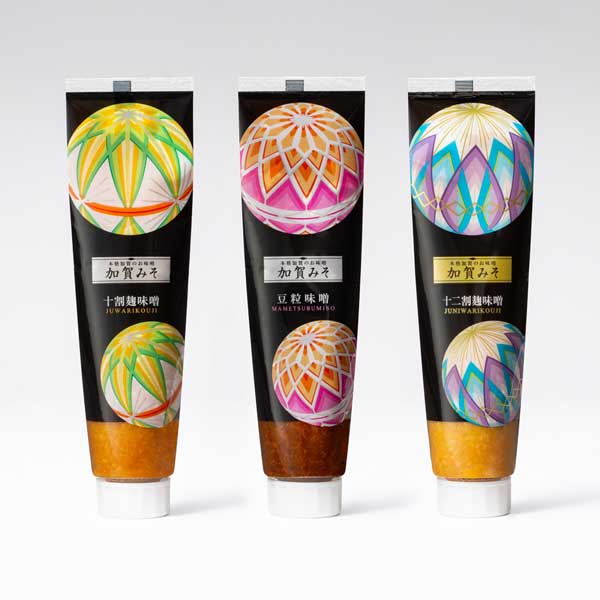
Kaga Miso Tube Pouch Set with Kaga Temari Pattern
≪加賀味噌食品工業協業組合≫加賀みそチューブなパウチ加賀てまり柄3本セット(十二割麹味噌、十割麹味噌、豆粒味噌)【★送料無料】
120g x 3 tubes: 12-wari koji, 10-wari koji, bean grain miso発見!うまうま探検隊+
5.0 / 1 reviews
Japanese name加賀みそ
Miso, soy sauce & fermented seasonings overview
In Ishikawa’s Kaga area centered on Kanazawa, rice koji and long maturation give this rice miso dense umami, body, gentle sweetness, and a link to the grain land fed by Mount Hakusan rivers.
Information last updated 119 days ago
3 images≪加賀味噌食品工業協業組合≫加賀みそチューブなパウチ加賀てまり柄3本セット(十二割麹味噌、十割麹味噌、豆粒味噌)【★送料無料】
120g x 3 tubes: 12-wari koji, 10-wari koji, bean grain miso発見!うまうま探検隊+
5.0 / 1 reviews
 3 images
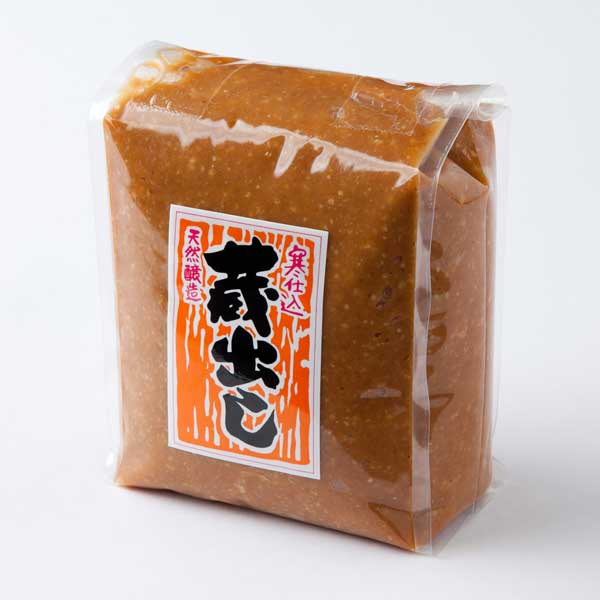
≪山木食品工業≫寒仕込み 天然醸造蔵出し味噌 1kg【熟成味噌 天然醸造 加賀みそ 石川県 小松 みそ汁 味噌汁 加賀味噌 調味料】
1kg発見!うまうま探検隊+
4.5 / 2 reviews
First time buying on Rakuten? How residents in Japan order →
Kaga miso is a rice miso made in Ishikawa’s Kaga area, centered on Kanazawa. Its character begins with rice koji, soybeans, salt, and time, then widens into the Hakusan-fed grain landscape, the castle town after Maeda Toshiie entered Kanazawa Castle in 1583, and a present-day cooperative built by ten Ishikawa makers. On the table, the same depth moves through miso soup, chilled summer soup, winter hotpot, meat seasoning, and fish marinades.
Kanazawa gives Kaga miso its center of gravity: the family is made in Ishikawa’s Kaga area and belongs to the rice-miso category. Its defining production traits are a high use of rice koji and long maturation, which bring dense umami, a rounded body, and the rich taste associated with Kaga miso. The miso is remembered through rice, koji, and maturation before any garnish reaches the bowl.
Ishikawa’s landscape enters Kaga miso through rivers flowing from Mount Hakusan, abundant water sources, and grain-growing land. Because Kaga miso uses a generous amount of rice koji, this water-and-rice setting gives the taste a concrete place: rice sweetness, matured depth, and Kanazawa-area production sit in the same frame.
After Maeda Toshiie entered Kanazawa Castle in 1583, miso was made actively through the Kaga domain period as a military stored food for wartime. The castle town also had a Miso Kuramachi, a miso storehouse district, tying the seasoning to storehouses, streets, commerce, and the search for flavor in the town below the castle.
Older Kaga miso was familiar as a long-aged country-style miso with a yamabuki yellow-orange color, a slightly salty profile, and the sweetness of rice. Current versions are often brighter in color, softer in texture, and more focused on umami. In one organic Kaga miso made with domestic organic rice and soybeans, rice koji is used at a ratio two-tenths higher than soybeans; natural brewing leaves gentle rice sweetness, matured color, and a taste that lifts simple ingredients.
The present maker community has a clear shape: ten Ishikawa miso manufacturers with roots in the Edo and Meiji periods built a shared factory to strengthen hygiene management and production efficiency, then established a cooperative in 1971. The cooperative accounts for about two-thirds of Ishikawa’s miso production, linking older Kanazawa and Kaga-area foodways to a modern manufacturing base.
Within the cooperative’s process, soybeans, salt, and rice koji are joined by an in-house cultivated yeast, then matured over a long period to develop umami, body, taste, and aroma. Raw materials are checked, and each production step includes moisture, salt, pH, and color measurements; those readings return to the production floor, so fermentation is guided by daily observation as well as time.
At home, Kaga miso begins easily in dashi: a spoonful dissolved into soup brings rice sweetness and a matured taste to simple ingredients. Summer chilled soup, winter vegetable soup, miso hotpot with a little yuzu, meat coated with miso and heated slowly in a pan, fish marinated in miso with onion and mushrooms, and colorful miso balls all keep the same rice-koji depth close to everyday cooking.
Kaga miso gathers concrete places and processes: Kanazawa, the Kaga area, Hakusan-fed rivers, grain land, Miso Kuramachi, a cooperative of ten makers, rice koji, yeast, salt, soybeans, and long maturation. Its local character can be tasted in yamabuki color, rice sweetness, slight saltiness, dense umami, and the way one spoon changes soup, hotpot, meat, or fish.
Compiled from public records and official sources; see the recognition links below. Details may change over time.
Where this product is officially registered, designated, or recognized in Japan.
Regional collective trademark
Registered as a Regional Collective Trademark with the Japan Patent Office.
Sources1
It is written as 加賀みそ in Japanese. Search Rakuten and other Japanese sites with that spelling — the English name will not bring up the listings.
Kaga miso is a rice miso made in Ishikawa’s Kaga area, centered on Kanazawa. It uses a high proportion of rice koji and long maturation to create dense umami, body, and rice sweetness. Its background includes Hakusan-fed grain land, the preserved-food account after Maeda Toshiie entered Kanazawa Castle in 1583, Miso Kuramachi in the Kaga domain castle town, and a cooperative founded in 1971 by ten Ishikawa makers.
Rivers from Mount Hakusan, abundant water sources, and grain-growing land explain the rice-koji setting behind Kaga miso. After Maeda Toshiie entered Kanazawa Castle in 1583, miso production is linked to wartime stored food in the Kaga domain period. The Kaga domain castle town had Miso Kuramachi, connecting miso with commerce and flavor development in Kanazawa. Older Kaga miso was long-aged, yamabuki colored, slightly salty, and rice-sweet; current versions are often brighter, softer, and umami-focused.
It is used in everyday dashi-based miso soup, where the rice sweetness and aged flavor are described as supporting the ingredients. In winter it is used in vegetable miso soup or miso hotpot, sometimes with a little yuzu; in summer it is used in chilled soup with frozen ingredients. It can be spread on meat and heated slowly in a frying pan, or used to marinate fish with onion and mushrooms for a foil-baked dish; it also appears in miso balls and in tube pouches for soup or seasoning.
Storage varies by product — shelf-stable, refrigerated, or frozen — and is stated on the packaging and the Rakuten listing. Shelf-stable processed foods usually need refrigerating once opened and eating within a few days; chilled and frozen items go straight into storage on arrival. Treat the best-before date on the physical packaging as authoritative.
Most options are shelf-stable, boxed, and travel well, so they suit gifting or bringing home. Confirm the final storage and delivery terms on the Rakuten listing.
On Rakuten: the shops listed here right now are 発見!うまうま探検隊+. We don't sell directly; purchase, payment, stock, and delivery are all handled on the Rakuten product page.