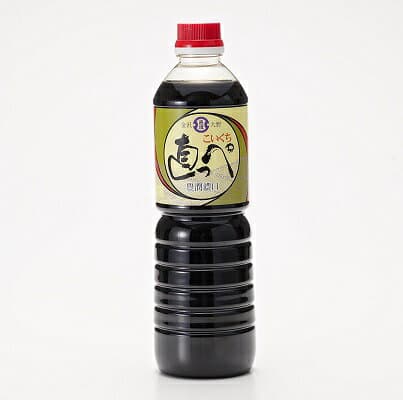
Naogen Shoyu Naope Koikuchi Soy Sauce
【M】直源醤油 直っぺ こいくち 800ml 5本 宅配80サイズ 直源醬油 直っぺ 濃口醬油 こいくち 定番品 大野醤油 人気商品 金沢 石川 北陸
800ml x 5 bottles北陸うまいもん屋
5.0 / 6 reviews
Japanese name大野醤油
Miso, soy sauce & fermented seasonings overview
In Kanazawa’s Ono area, a Japan Sea port, soy sauce grew from wheat, soybeans, Noto salt, Hakusan spring water, humid brewing weather, and a mellow umakuchi taste used with Kaga cooking and seafood.
Information last updated 119 days ago
【M】直源醤油 直っぺ こいくち 800ml 5本 宅配80サイズ 直源醬油 直っぺ 濃口醬油 こいくち 定番品 大野醤油 人気商品 金沢 石川 北陸
800ml x 5 bottles北陸うまいもん屋
5.0 / 6 reviews
First time buying on Rakuten? How residents in Japan order →
Ono soy sauce belongs to the Ono area of Kanazawa, Ishikawa, facing the Japan Sea. The port’s Kitamae-bune routes brought wheat, soybeans, and Noto salt into the town, while Hakusan spring water and a humid climate helped brewing take root. The sauce is umakuchi: moderately sweet, mellow, and relatively pale within the koikuchi range. In simmered fish, vegetables, sashimi, chilled tofu, and chawanmushi, its role is to add depth while keeping the flavor of fish, tofu, and vegetables clear.
Ono sits within Kanazawa, near the Japan Sea. Its port position connected the town to Kitamae-bune routes, which moved wheat, soybeans, and Noto salt; Hakusan spring water supplied brewing water, and the damp local climate suited soy-sauce fermentation. Place, water, salt, grain, and weather all mattered to the way this seasoning took root.
The named center for Ono soy sauce is Ono in Kanazawa. When its local character is described, the concrete anchors are the port, Hakusan water, Noto salt, wheat, soybeans, and a town where the soy-sauce trade once counted more than sixty brewers. Continuity sits in those conditions: a working port, brewing water, raw materials, and people who knew how to turn them into seasoning.
Ono soy sauce is an umakuchi soy sauce with moderate sweetness and a rounded mouthfeel. Although it belongs within the koikuchi style, its color is relatively light, so it can add richness to a dish while allowing fish, vegetables, and tofu to stay distinct.
That balance explains its place in Kaga cooking and in meals built around Japan Sea seafood. With sashimi and soy-marinated seafood, saltiness, sweetness, and umami support freshness; with chilled tofu, chawanmushi, or egg over rice, a small amount ties together soy, egg, and grain without flattening the dish.
The brewing path begins with koji starter, roasted and crushed wheat, steamed soybeans, and brine. Wheat and soybeans are inoculated and made into koji over about forty-three hours; cooled brine is then added to create moromi. The moromi ferments and matures for about six months under temperature management before slow pressing, filtration, and heating adjust color, taste, and aroma.
The flavor therefore has a material route: wheat contributes aroma, soybeans carry umami, and brine gives the koji and moromi time to transform. Tradition here means a repeated set of ingredients, hours, months, and work steps in Ono, rather than a decorative word detached from the vat.
Ono’s brewers also built shared production infrastructure. The Ono Soy Sauce Brewing Cooperative Factory was established in 1969 by soy-sauce brewers and related firms to improve quality and rationalize production in Ishikawa; the factory makes and ships the raw soy sauce produced after moromi is pressed.
The cooperative’s work is visible in equipment as well as organization. In 1980, it worked with the Food Industry Center to develop a tane-koji device that handled raw-material treatment, inoculation, and cultivation in one machine; in 1999, it introduced automated koji-making equipment. The present landscape therefore includes brewer cooperation, seed-koji technology, and hygienic koji rooms alongside older brewing images.
Older practices remain visible in Ono. Some local businesses continue wooden-vat brewing or methods associated with the Edo period, while breweries offer tours and hands-on programs. These settings put koji, moromi, wooden vats, and soy-sauce aroma within reach, so visitors encounter the seasoning as a process before it becomes a table condiment.
Learning also reaches local families and children. The cooperative has described a traditional lesson at Ono town elementary school and a parent-child program centered on Kanazawa Ono soy sauce and personal soy-sauce making. Culture in this context means children, parents, brewers, and town facilities meeting around grain, brine, and fermentation.
Ono soy sauce crosses raw seafood, simmered foods, and simple daily dishes. Sashimi and Japan Sea seafood need clean freshness; simmered fish and vegetables take sweetness and roundness into the broth; chilled tofu, chawanmushi, and egg over rice place the sauce close to soy, egg, and rice.
It is also used in ramen and seasoning bases, where umakuchi balance can bring body without making the taste heavy. From port-town seafood to a bowl of rice and egg, Ono soy sauce is recognized through concrete uses: fish, vegetables, tofu, egg, and rice keep their outlines while the sauce adds aroma and mellow depth.
Ono soy sauce comes into focus through Kanazawa’s Ono port, Hakusan spring water, wheat, soybeans, Noto salt, koji rooms, and moromi that matures for about six months. Brewers have built cooperative production and koji equipment, while some breweries keep wooden vats and learning programs in the town. On the table, the sauce moves through sashimi, simmered fish, chilled tofu, chawanmushi, and egg over rice, carrying a mellow Ishikawa taste through ordinary dishes.
Compiled from public records and official sources; see the recognition links below. Details may change over time.
Where this product is officially registered, designated, or recognized in Japan.
Regional collective trademark
Registered as a Regional Collective Trademark with the Japan Patent Office.
Sources1
It is written as 大野醤油 in Japanese. Search Rakuten and other Japanese sites with that spelling — the English name will not bring up the listings.
Ono soy sauce is an umakuchi soy sauce associated with the Ono area of Kanazawa, Ishikawa. A Japan Sea port setting, Kitamae-bune routes, wheat, soybeans, Noto salt, Hakusan spring water, and humid brewing weather shaped its production. Its process includes about forty-three hours of koji making and about six months of moromi maturation. The taste is moderately sweet, mellow, and relatively pale within koikuchi styles, and it is used with Kaga cooking, sashimi, simmered fish, tofu, chawanmushi, and egg over rice.
Ono soy sauce is associated with the Ono area of Kanazawa, Ishikawa, and Kanazawa is named as its main transmission area. Ono's port setting, Kitamae-bune routes, wheat, soybeans, Noto salt, Hakusan spring water, and humid climate supported soy-sauce brewing there. The Ono Soy Sauce Brewing Cooperative Factory was established in 1969 by soy-sauce brewers and related firms to improve quality and rationalize production in Ishikawa. The brewing process includes about forty-three hours of koji making, cooled brine added to form moromi, and about six months of fermentation and maturation.
It pairs well with fresh seafood from the Japan Sea and is used for sashimi and soy-marinated preparations. Moderate sweetness and mellowness suit fish and vegetable nimono, and it is used in Kaga cuisine with chilled tofu, simmered dishes, and chawanmushi without dominating the dish. It is used as a ramen seasoning, and as a table sauce with rice, egg, scallions, and a teaspoon of Ono soy sauce.
Storage varies by product — shelf-stable, refrigerated, or frozen — and is stated on the packaging and the Rakuten listing. Shelf-stable processed foods usually need refrigerating once opened and eating within a few days; chilled and frozen items go straight into storage on arrival. Treat the best-before date on the physical packaging as authoritative.
Most options are shelf-stable, boxed, and travel well, so they suit gifting or bringing home. Confirm the final storage and delivery terms on the Rakuten listing.
On Rakuten: the shops listed here right now are 北陸うまいもん屋. We don't sell directly; purchase, payment, stock, and delivery are all handled on the Rakuten product page.