 3 images
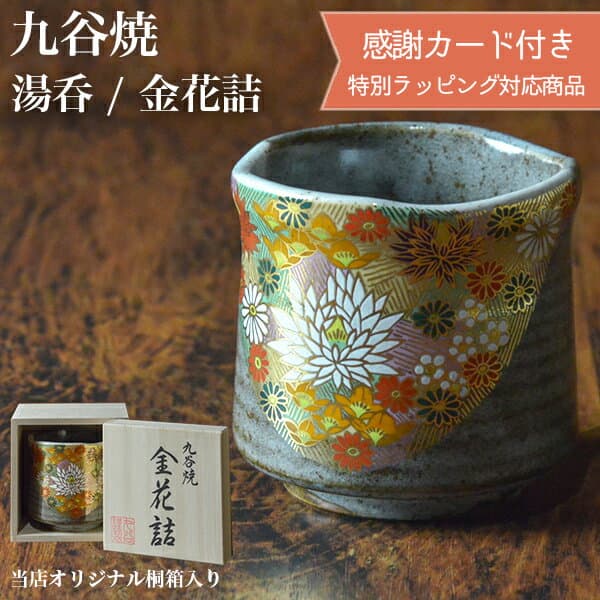
Kutani Ware Gold Hanazume Yunomi Teacup
【本日5%OFFクーポン】 九谷焼 湯呑 金花詰 専用桐箱付き 1個 ( 木箱名入れ有料 敬老の日 プレゼント 実用的 湯のみ ゆのみ 湯飲み 湯呑み 陶器 九谷焼 結婚 出産 内祝い 引き出物 金婚式 誕生日プレゼント 還暦祝い 古希 喜寿 米寿 退職 定年 プレゼント お祝い )
1 cup with paulownia box伝統本舗
4.8 / 414 reviews
Japanese name九谷焼
In Ishikawa, Kutani ware begins with porcelain stone in Kutani village and comes into view through green, yellow, purple, dark blue, and red overglaze painting.
Information last updated 7 days ago
3 images【本日5%OFFクーポン】 九谷焼 湯呑 金花詰 専用桐箱付き 1個 ( 木箱名入れ有料 敬老の日 プレゼント 実用的 湯のみ ゆのみ 湯飲み 湯呑み 陶器 九谷焼 結婚 出産 内祝い 引き出物 金婚式 誕生日プレゼント 還暦祝い 古希 喜寿 米寿 退職 定年 プレゼント お祝い )
1 cup with paulownia box伝統本舗
4.8 / 414 reviews
 3 images
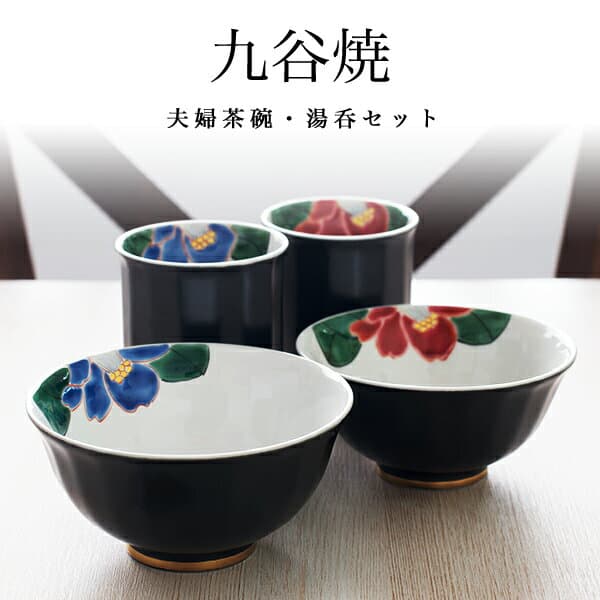
【本日5%OFFクーポン】 九谷焼 夫婦茶碗 夫婦湯呑 色彩椿紋 セット 化粧箱入り ( 名入れ有料 敬老の日 プレゼント 実用的 湯飲み 飯碗 ペア ギフト 結婚記念日 陶器 金婚式 銀婚式 米寿 傘寿 セット 九谷焼 結婚 出産 内祝い 引き出物 金婚式 誕生日プレゼント )
presentation box伝統本舗
4.8 / 134 reviews
 3 images
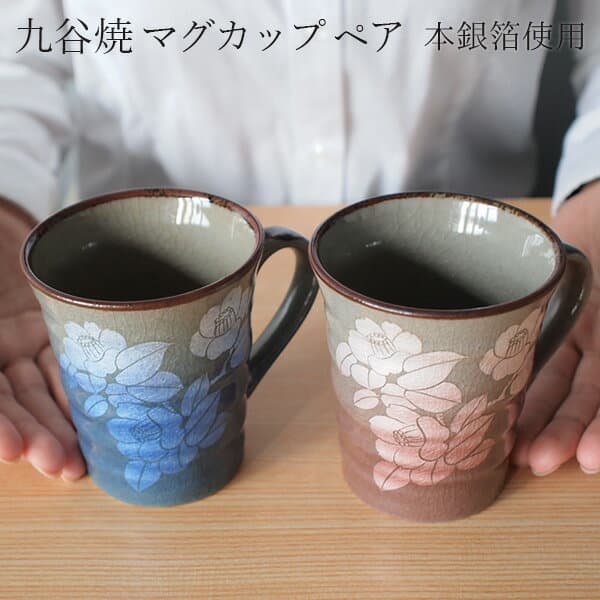
【本日5%OFFクーポン】 九谷焼 マグカップ 銀彩山茶花 ペア ( 木箱名入れ有料 敬老の日 プレゼント 実用的 マグ マグカップ ペアセット 陶器 おすすめ セット 九谷焼 結婚 出産 内祝い 引き出物 金婚式 誕生日プレゼント 還暦祝い 古希 喜寿 米寿 退職 )
pair set伝統本舗
4.8 / 125 reviews
 3 images
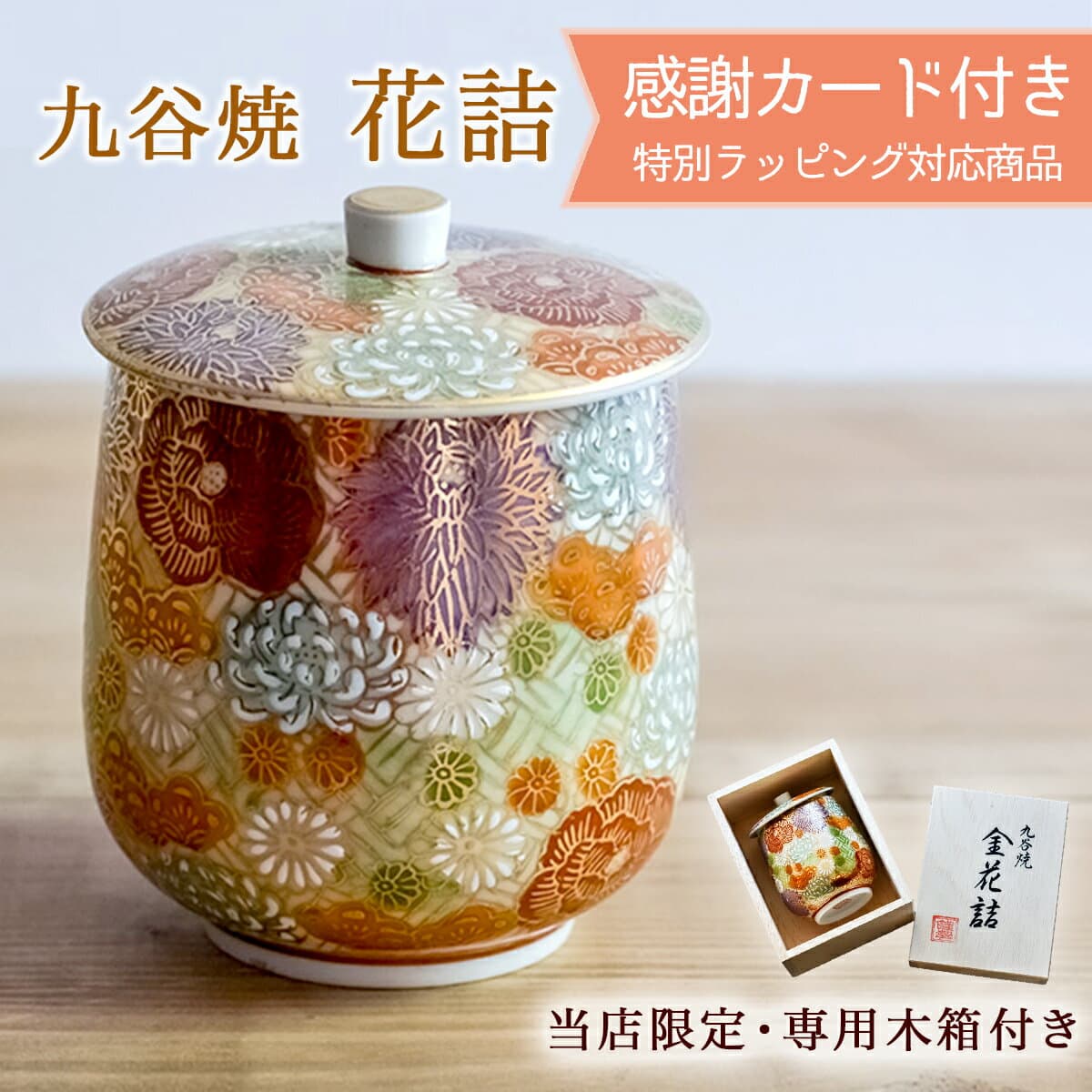
九谷焼 蓋付湯呑 専用木箱 花詰 ( 木箱名入れ有料 父の日 プレゼント 湯のみ ゆのみ 湯飲み 湯呑み 女性 九谷焼 結婚 出産 内祝い 引き出物 金婚式 誕生日プレゼント 還暦祝い 古希 喜寿 米寿 退職 定年 プレゼント お祝い お返し お礼 )
wooden box included伝統本舗
4.8 / 181 reviews
 3 images
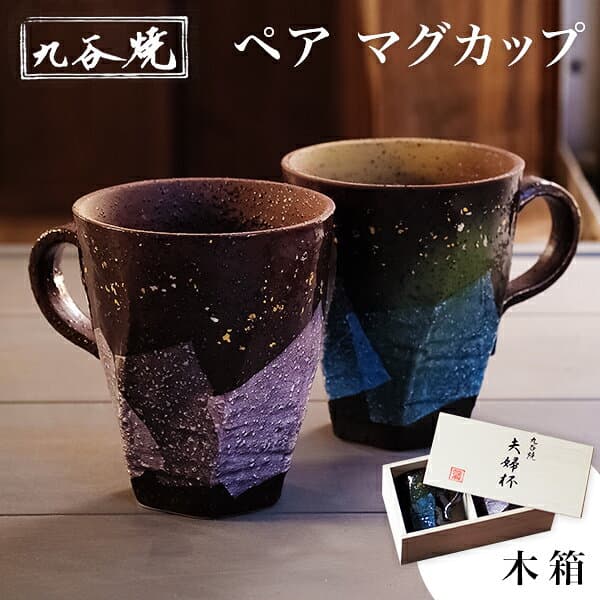
【本日5%OFFクーポン】 九谷焼 マグカップ 木箱付き 本銀箔 金銀彩 ペア 伝統保証 ( 本銀箔 金銀彩 木箱名入れ有料 敬老の日 プレゼント 実用的 マグカップ マグ 金婚式 贈り物 プレゼント ペアセット 九谷焼 結婚 出産 内祝い 引き出物 金婚式 誕生日プレゼント )
wooden box, pair set伝統本舗
4.9 / 79 reviews
 3 images
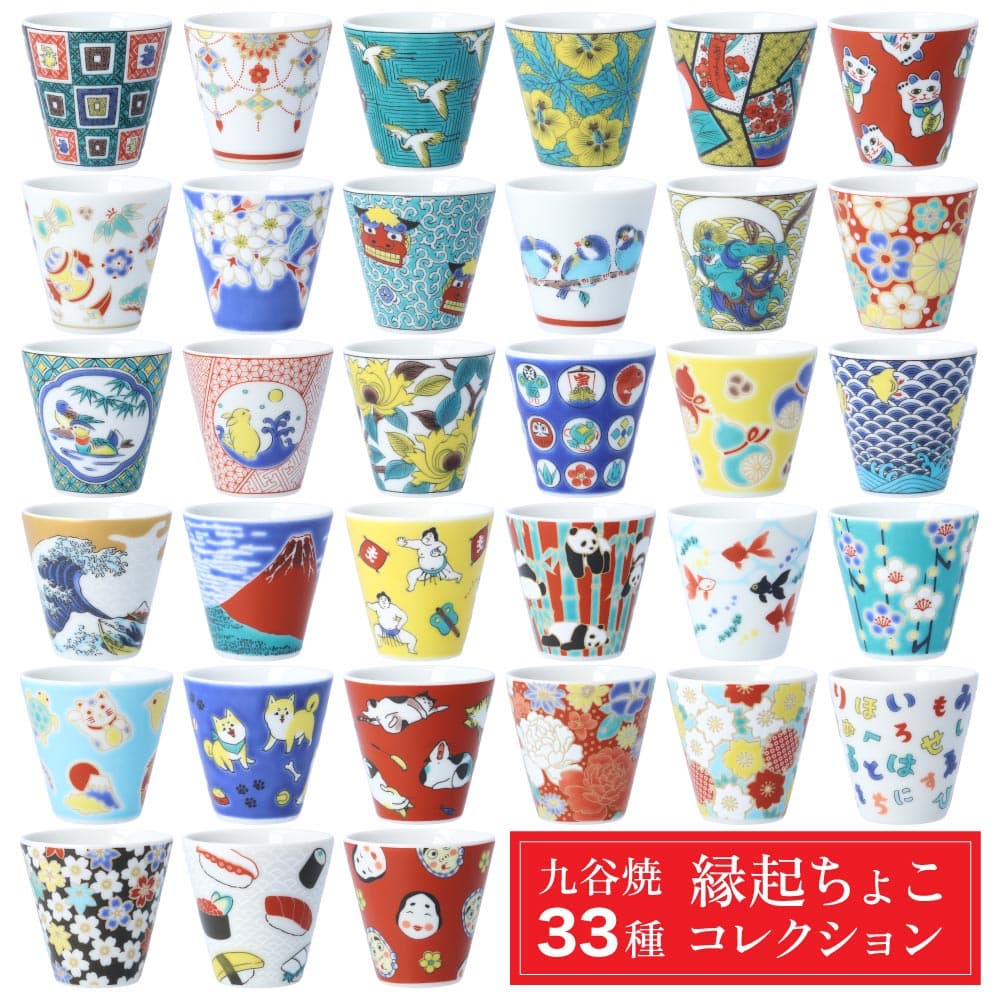
【新柄6種類追加】九谷焼 縁起ちょこコレクション 吉祥/青郊窯 和食器 おちょこ 人気 ギフト 贈り物 結婚祝い 内祝い お祝い 縁起物 縁起の良い柄
使う・贈る 九谷焼専門店 陶らいふ
4.9 / 123 reviews
 3 images
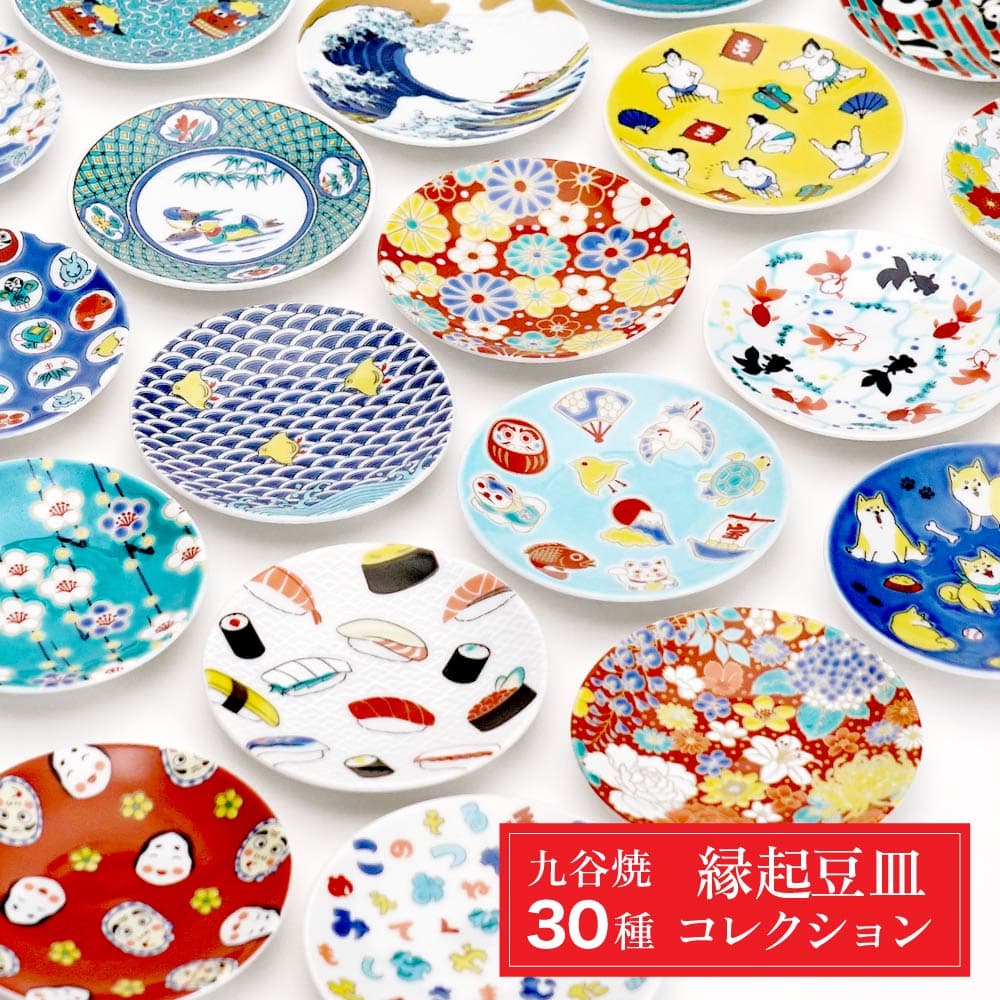
【新柄6種類追加】九谷焼 全30種 縁起豆皿コレクション 吉祥 / 青郊窯 | 9.5cm 豆皿 小皿 取り皿 和食器 皿 人気 ギフト贈り物 結婚祝い 内祝い お祝い 新築祝い 化粧箱入り
9.5 cm, presentation box使う・贈る 九谷焼専門店 陶らいふ
4.9 / 248 reviews
 3 images
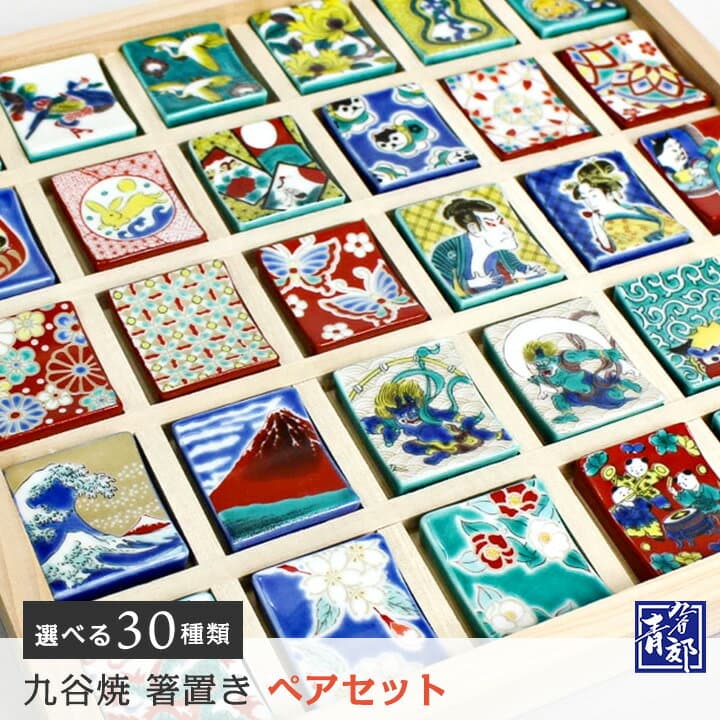
九谷焼 ペア 箸置き 全30種 はしおきこれくしょん / 青郊窯 <選べる 2個セット ペアセット 専用化粧箱入 日本製 和食器 はしおき 箸おき カトラリーレスト 縁起物 かわいい おしゃれ 結婚祝い 内祝い 出産祝い 引出物 贈り物 ギフト>
Selectable 2-piece set in gift box使う・贈る 九谷焼専門店 陶らいふ
4.9 / 109 reviews
 3 images
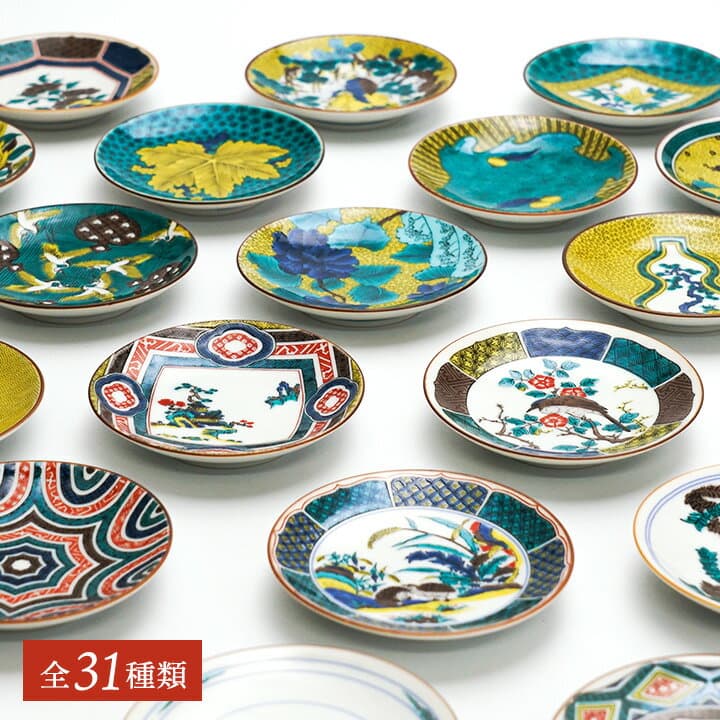
九谷焼 豆皿 全31種類 名品コレクション / 青郊窯 | 10.5 cm 小皿 取り皿 和食器 皿 日本製 ギフト贈り物 結婚祝い 化粧箱入り
10.5 cm, presentation box使う・贈る 九谷焼専門店 陶らいふ
4.9 / 78 reviews
 3 images
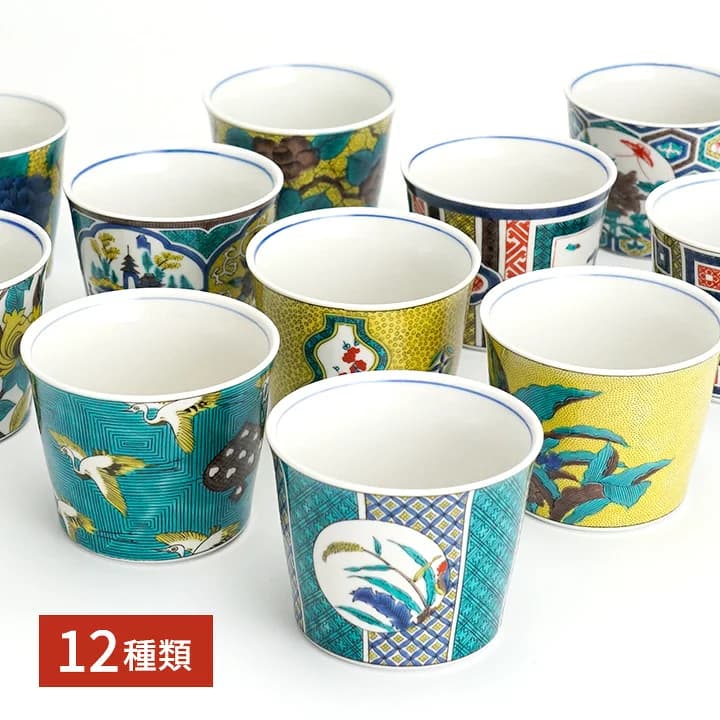
九谷焼 全12種類 フリーカップ 猪口 名品コレクション / 青郊窯 <和食器 カップ マルチカップ そばちょこ 蕎麦猪口 湯呑み 小鉢 デザートカップ 人気 ギフト 贈り物 結婚祝い 内祝い お祝い>
12 designs使う・贈る 九谷焼専門店 陶らいふ
4.9 / 113 reviews
 3 images
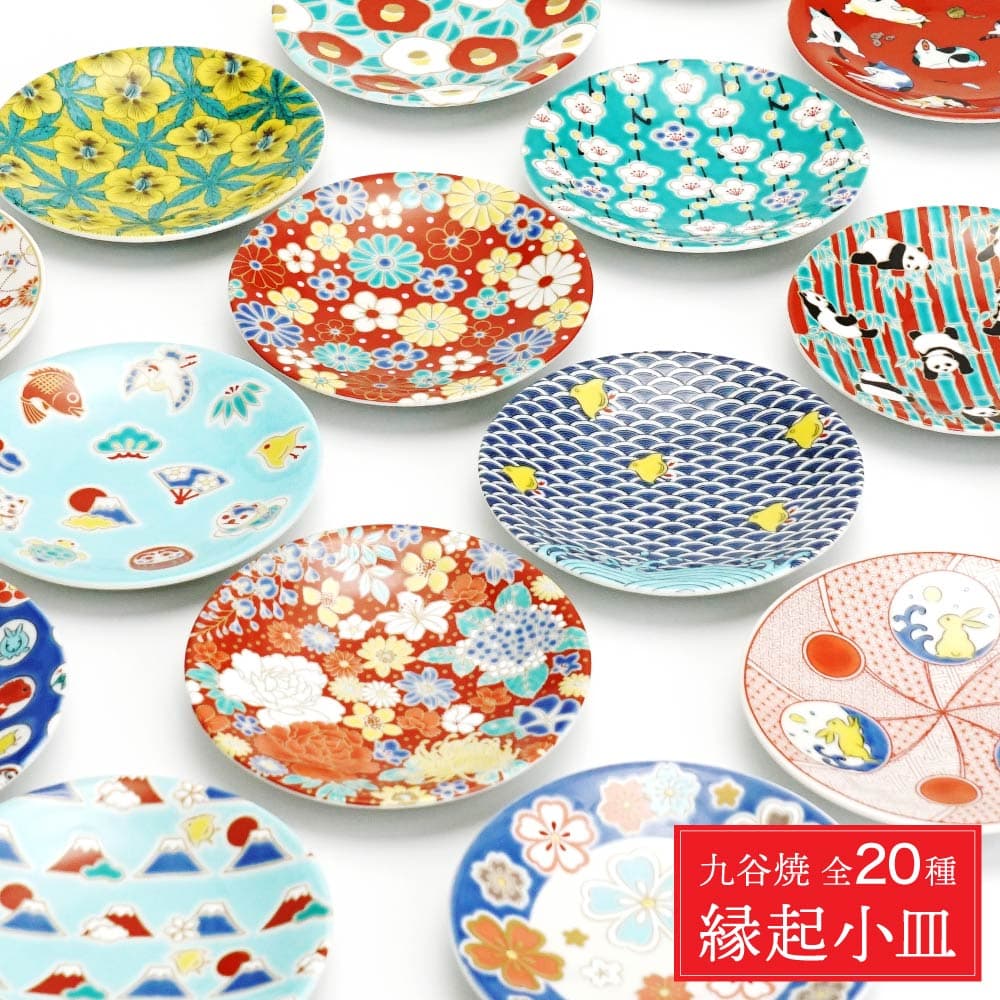
九谷焼 縁起小皿 吉祥 / 青郊窯 | 12cm 小皿 取り皿 和食器 皿 豆皿 縁起小皿コレクション 吉祥シリーズ 人気 ギフト贈り物 結婚祝い 内祝い お祝い 化粧箱入り
12 cm, gift box使う・贈る 九谷焼専門店 陶らいふ
5.0 / 65 reviews
 3 images
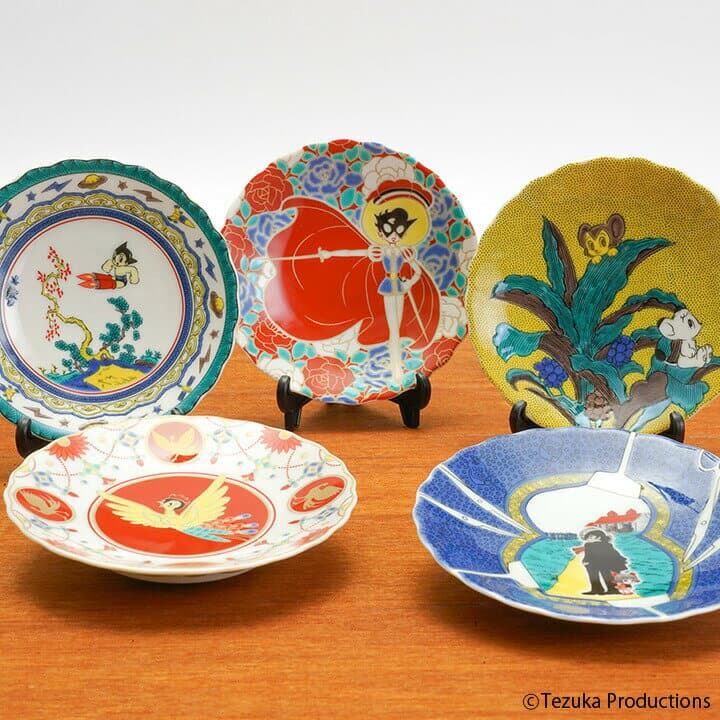
九谷焼 5種から選べる 手塚治虫ワールド 九谷焼絵皿 【皿立付き】 / 青郊窯 | 13cm 小皿 和食器 皿 取皿 キャラクター 鉄腕アトム ジャングル大帝 火の鳥 リボンの騎士 ブラックジャック
Choice of 5 designs, stand included使う・贈る 九谷焼専門店 陶らいふ
4.8 / 75 reviews
 3 images
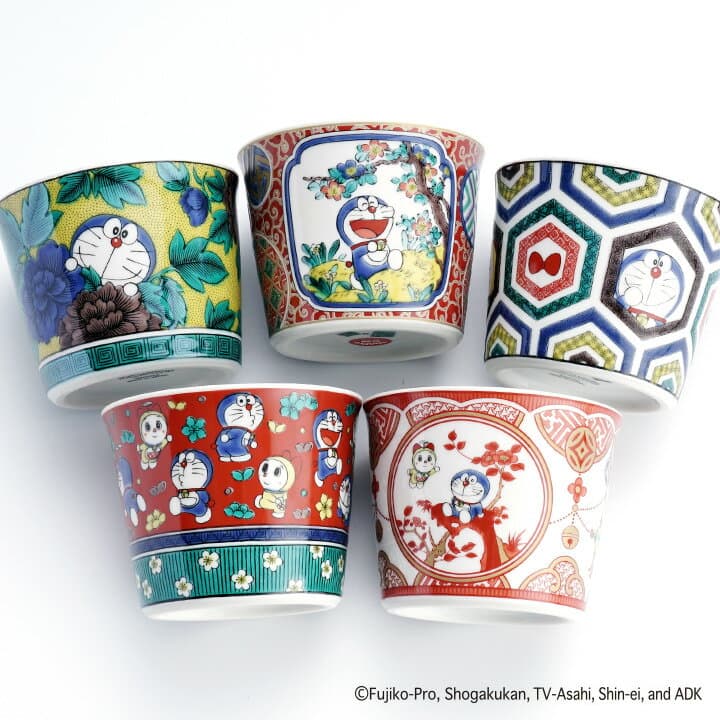
九谷焼 5柄から選べるドラえもんそばちょこ<和食器 そばちょこ 蕎麦猪口 小鉢 デザートカップ サラダカップ 人気 ギフト 贈り物 プレゼント 退職祝い/内祝い/お祝い> 化粧箱入り
5 designs available, gift box使う・贈る 九谷焼専門店 陶らいふ
4.9 / 78 reviews
 3 images
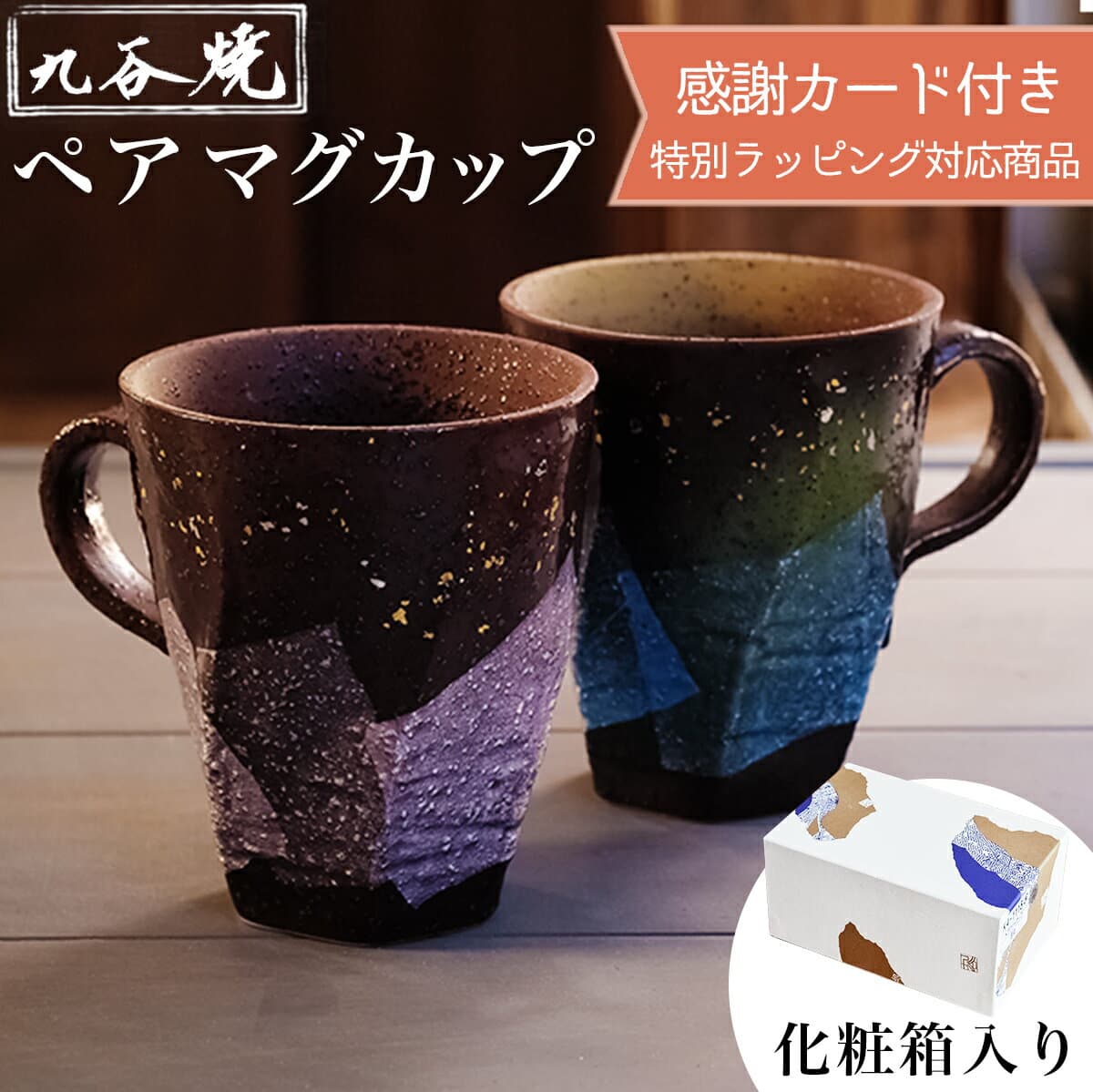
【本日5%OFFクーポン】 九谷焼 マグカップ 本銀箔 金銀彩 ペア 伝統保証 ( 本銀箔 金銀彩 敬老の日 プレゼント 実用的 マグカップ 結婚祝い 贈り物 ペアセット プレゼント セット おしゃれ 九谷焼 結婚 出産 内祝い 引き出物 金婚式 誕生日プレゼント 還暦祝い )
pair set伝統本舗
4.8 / 796 reviews
First time buying on Rakuten? How residents in Japan order →
All 14 listings of this product on Rakuten, lowest price first.
| Listing | Price | Shop | Reviews | Open listing |
|---|---|---|---|---|
Kutani Ware Kissho Auspicious Bean Plate Collection by Seikougama 9.5 cm, presentation boxLowest priceGift-ready | ¥1,452 | 使う・贈る 九谷焼専門店 陶らいふ | 4.9 / 248 reviews | View on Rakuten → |
Kutani Ware Masterpiece Collection Mamezara Plate by Seikougama 10.5 cm, presentation boxLowest priceGift-ready | ¥1,452 | 使う・贈る 九谷焼専門店 陶らいふ | 4.9 / 78 reviews | View on Rakuten → |
Kutani Ware Kissho Engi Choko Sake Cup by Seikougama Gift-ready | ¥1,573 | 使う・贈る 九谷焼専門店 陶らいふ | 4.9 / 123 reviews | View on Rakuten → |
Kutani Ware Kissho Auspicious Small Plate by Seikougama 12 cm, gift boxGift-ready | ¥1,694 | 使う・贈る 九谷焼専門店 陶らいふ | 5.0 / 65 reviews | View on Rakuten → |
Kutani Ware 青郊窯 Pair Chopstick Rests Selectable 2-piece set in gift boxGift-ready | ¥1,980 | 使う・贈る 九谷焼専門店 陶らいふ | 4.9 / 109 reviews | View on Rakuten → |
Kutani Ware Tezuka Osamu World Picture Plate by Seikou Kiln Choice of 5 designs, stand included | ¥2,530 | 使う・贈る 九谷焼専門店 陶らいふ | 4.8 / 75 reviews | View on Rakuten → |
Kutani Ware Seikou Kiln Masterpiece Collection Free Cup 12 designsGift-ready | ¥2,640 | 使う・贈る 九谷焼専門店 陶らいふ | 4.9 / 113 reviews | View on Rakuten → |
Kutani Ware Doraemon Soba Choko Cup 5 designs available, gift boxGift-ready | ¥4,950 | 使う・贈る 九谷焼専門店 陶らいふ | 4.9 / 78 reviews | View on Rakuten → |
Kutani Ware Gold Hanazume Yunomi Teacup 1 cup with paulownia boxGift-ready | ¥7,260 | 伝統本舗 | 4.8 / 414 reviews | View on Rakuten → |
Kutani Ware Kin-Hanazume Lidded Yunomi Teacup wooden box includedGift-ready | ¥7,810 | 伝統本舗 | 4.8 / 181 reviews | View on Rakuten → |
Kutani Ware Ginsai Sasanqua Pair Mugs pair setGift-ready | ¥9,350 | 伝統本舗 | 4.8 / 125 reviews | View on Rakuten → |
Kutani Ware Silver Leaf Gold & Silver Mug pair setMost reviewedGift-ready | ¥12,100 | 伝統本舗 | 4.8 / 796 reviews | View on Rakuten → |
Kutani Ware Genuine Silver Foil Gold and Silver Mug Pair wooden box, pair setGift-ready | ¥14,080 | 伝統本舗 | 4.9 / 79 reviews | View on Rakuten → |
Kutani Ware Shikisai Camellia Couple Rice Bowl and Teacup Set presentation boxGift-ready | ¥19,800 | 伝統本舗 | 4.8 / 134 reviews | View on Rakuten → |
Japanese · new tab
Kutani ware carries the name of Kutani village, in the area of present-day Kaga City, Ishikawa Prefecture. Porcelain stone found within the Daishoji domain led to kiln building there, and the ware existed by 1655. On a bowl, cup, plate, or vase, its most legible feature is color: green, yellow, purple, dark blue, and red form the Kutani five-color palette, while aote, gosai-de, and aka-e kinrande give those colors different kinds of presence on the ceramic surface.
The name Kutani ware begins with a specific place. During mining work in the Daishoji domain, porcelain stone was found in Kutani village; a kiln was built there to fire porcelain, and the ware came to be called by the village name. Present-day Kaga City carries that starting point, with Kutani village now known as Kutani-machi, a place marker for the early kiln and the name still used on the ceramics.
The first visual anchor is the Kutani five-color palette: green, yellow, purple, dark blue, and red. These colors are not merely a list. They sit on the surface of bowls, cups, plates, vases, and decorative pieces, giving weight to plants, patterns, figures, and borders in overglaze painting. In Nomi’s Kutani Toei Village, Kutani ware appears across daily tableware, vases, decorative plates, and works by named makers, so the palette belongs both to use and to viewing.
At the Kaga City Kutani Ware Museum, three display categories make the surfaces easier to read: aote, with calm color centered on blue and green; iro-e or gosai-de, using red, green, purple, dark blue, and yellow; and aka-e with red-centered drawing, sometimes carrying gold decoration as aka-e kinrande. The categories explain visible differences on the vessel: dense fields of green and blue, balanced five-color compositions, or fine red linework set off by gold.
Old Kutani kilns worked for at least 50 to 60 years before production stopped, with several possible reasons left unresolved. About a century later, organized porcelain making began again in Kaga province during the late Edo period, including activity around Kanazawa, Komatsu, and the Daishoji domain. Revival kilns such as Yoshidaya, Miyamotoya, and Matsuyama became names through which later viewers can follow changes in color, brushwork, and regional kiln practice during the nineteenth century.
In Nomi City’s Izumidai-machi Minami, Kutani Toei Village gives the craft a present-day setting. The Gosai-kan museum looks back over Kutani ware and shows notable works; the Asakura Isokichi Memorial Museum focuses on the Ishikawa-born ceramic artist Asakura Isokichi; and the experience hall offers painting, pottery making, and ceramic classes. Nearby shops place daily tableware, vases, decorative plates, and named-maker pieces within the same village walk.
The Kutani Chawan Festival began from a memorial rite for the ceramic ancestor of Kutani ware and is now held on May 3, 4, and 5. Around fifty companies handling Kutani ware gather at a special venue in Kutani Toei Village, with objects ranging from everyday vessels to artist-made pieces. The scene makes the uses concrete: a Kutani object may hold rice or tea, display flowers, sit as a decorative plate, or draw makers, merchants, and visitors together around ceramic work in May.
Kutani ware can be read from a village name, from a field of green, from a red line, or from a flash of gold. Kaga’s Kutani village, old Kutani and the revival kilns, Nomi’s Kutani Toei Village, museums, shops, and hands-on rooms together place this Ishikawa ceramic family in settings where it can be seen, used, and learned. Across bowls, cups, plates, vases, and decorative pieces, the five colors keep place, kiln, and hand visible on the surface.
Compiled from public records and official sources; see the recognition links below. Details may change over time.
Where this product is officially registered, designated, or recognized in Japan.
It is written as 九谷焼 in Japanese. Search Rakuten and other Japanese sites with that spelling — the English name will not bring up the listings.
Kutani ware is an Ishikawa ceramic family named after Kutani village, near present-day Kaga City. It existed by 1655, after porcelain stone was found in Daishoji domain and kilns were built there. Its main markers are overglaze colors of green, yellow, purple, dark blue, and red, shown in styles such as aote, gosai-de, and aka-e kinrande. Revival kilns extended the craft in the nineteenth century after old Kutani production stopped, and it remains visible today in Kaga and Nomi museums.
Old Kutani kilns worked for at least 50 to 60 years before production stopped, and revival kilns appeared about a century later in the late Edo period. Kutani ware appears as daily tableware, vases, decorative plates, and artist-made pieces. Kutani Toei Village in Nomi includes museums, an experience hall, and shops connected with Kutani ware.
Shops in Kutani Toei Village carry daily tableware, vases, decorative plates, and works by named makers, so pieces can be chosen for everyday use. The Nomi Kutani Ware Museum Experience Hall offers painting, pottery-making, and ceramics classes for hands-on practice. The Kaga City Kutani Ware Museum displays pieces by aote, iro-e or gosai-de, and aka-e or aka-e kinrande, which allows comparison of color and brushwork styles.
Porous earthenware is usually given a "medome" treatment first — simmer it gently in rice-rinsing water (or water with a little flour), then cool, rinse, and air-dry. This reduces staining and odour absorption. Porcelain normally just needs a wash. Follow the listing where it says otherwise.
Handmade earthenware, pieces with gold or silver overglaze, and lacquerware generally should not go in a dishwasher, microwave, or heated drying cabinet; heat-resistant porcelain usually can. Check the Rakuten listing for the specific piece.
Most options are shelf-stable, boxed, and travel well, so they suit gifting or bringing home. Confirm the final storage and delivery terms on the Rakuten listing.
On Rakuten: the shops listed here right now are 伝統本舗, 使う・贈る 九谷焼専門店 陶らいふ. We don't sell directly; purchase, payment, stock, and delivery are all handled on the Rakuten product page.