In 2017, grower Taga Shigeo, then 80, described having grown Nakajima-na for 60 years. He said his mother’s generation had also grown it, and that about 50 years earlier it was a vegetable for home meals before it became something his generation shipped. This is one producer’s family memory rather than a complete history of every farm, but it shows how Nakajima-na was carried through ordinary cooking.
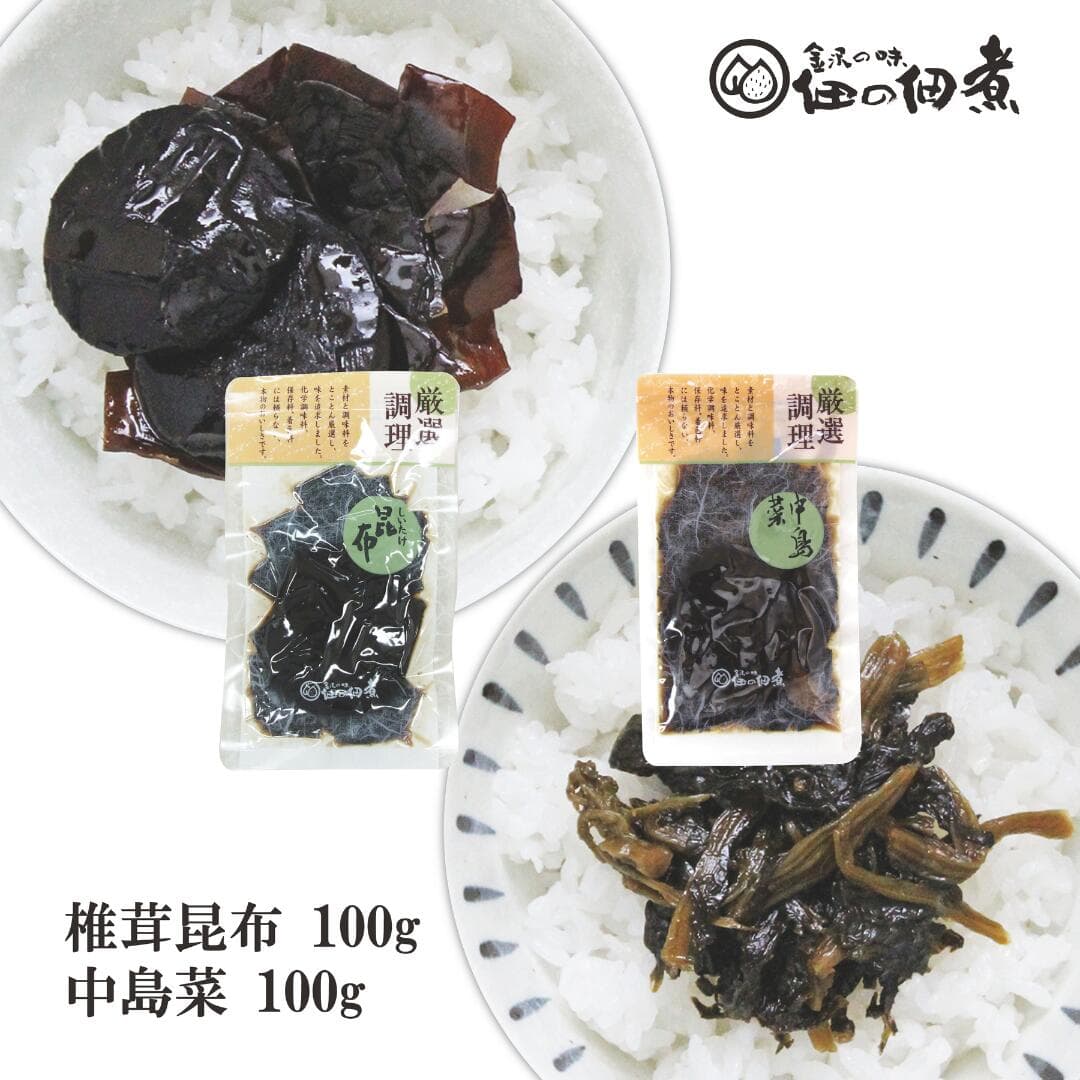
The older household background also helps explain why pickles, ohitashi, and mehari sushi appear repeatedly around Nakajima-na. These dishes are practical ways to eat the leaf, the stem texture, the bitterness, and the pungency with rice and daily meals.
 3 images