 3 images
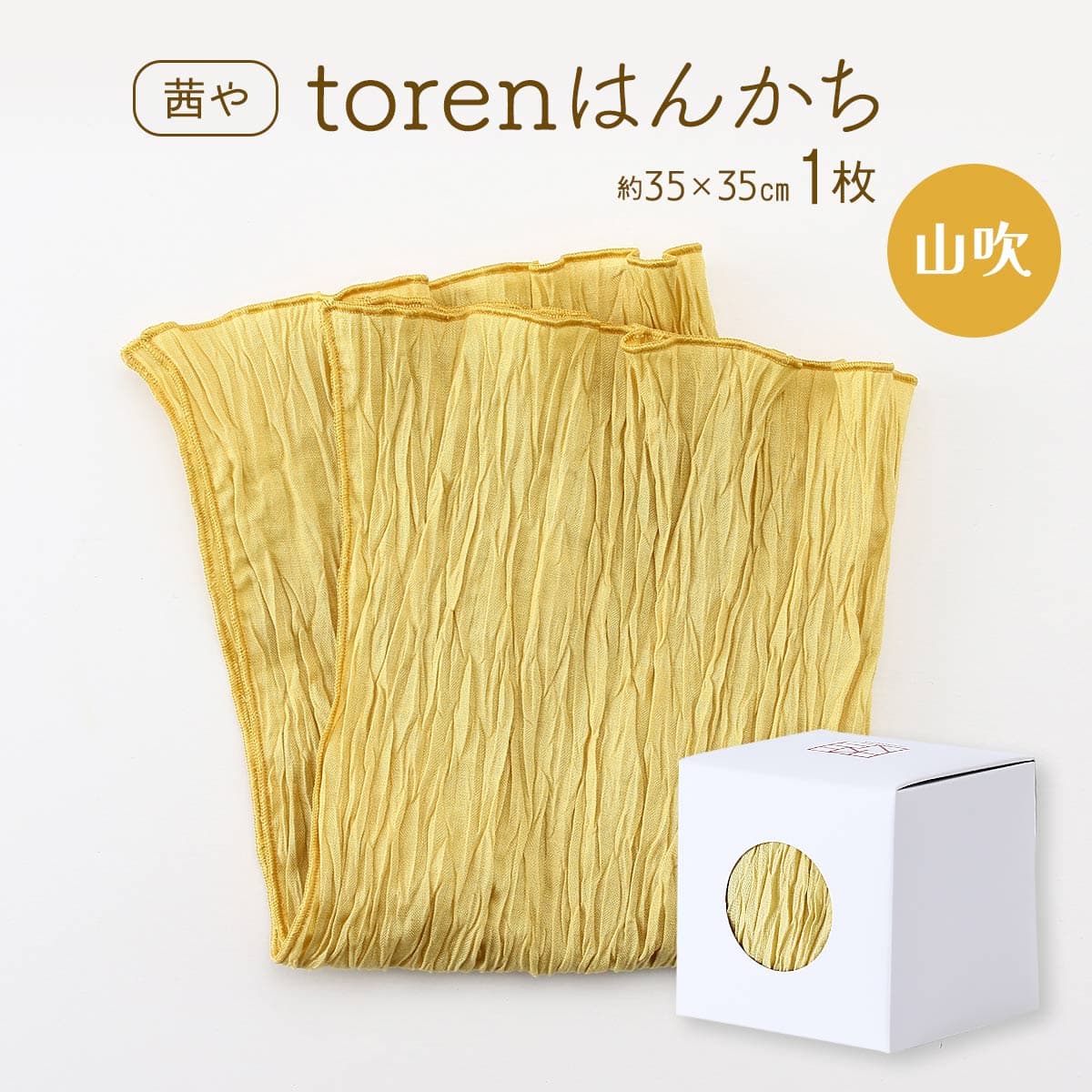
Akane-ya Kaga Yuzen toren Handkerchief
【楽天スーパーセール 10%オフ】 [茜や] ハンカチ torenはんかち 山吹 1枚 /便利 はんかち ハンカチ 加賀友禅 金沢 石川県 染織工房 茜や 大人 おしゃれ 天然素材 麺100% しわ加工 手染め アイロン不要 チャーム スマート
Yamabuki, 1 pieceMONONE
Japanese name加賀友禅
In Kanazawa, enji, indigo, ochre, grass green, and ancient purple meet itome paste, outer shading, and leaf-eaten details on dyed kimono cloth.
Information last updated 7 days ago
3 images【楽天スーパーセール 10%オフ】 [茜や] ハンカチ torenはんかち 山吹 1枚 /便利 はんかち ハンカチ 加賀友禅 金沢 石川県 染織工房 茜や 大人 おしゃれ 天然素材 麺100% しわ加工 手染め アイロン不要 チャーム スマート
Yamabuki, 1 pieceMONONE
 3 images
加賀友禅 訪問着 着物 手縫いお仕立て付き 本加賀友禅 白坂幸蔵作 大菊小菊(通年の着用可)薄桃紫色 身長168cm位まで、裄70.5cmまで 送料無料
light pink-purple, height up to 168 cm / yuki up to 70.5 cmさわらび〜ほりだし堂〜
 3 images
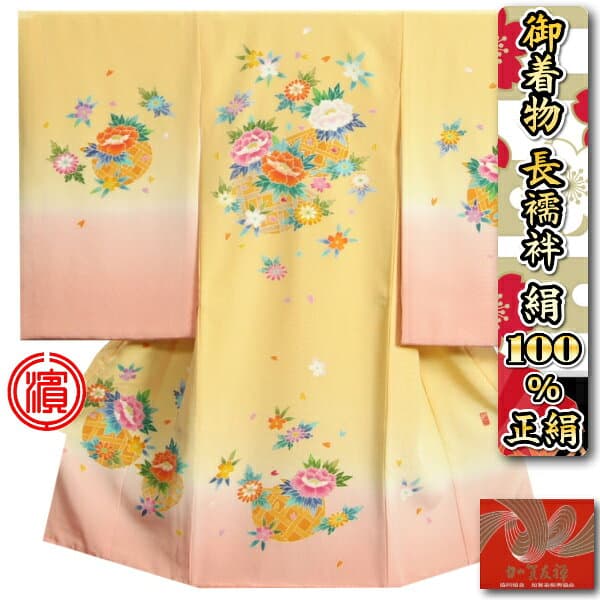
お宮参り着物 絹100% 正絹女児初着 本加賀友禅 浜ちりめん生地 黄色ピンク染め分け 手染め 手描き 裏地や長襦袢もすべて正絹仕立て 日本製
yellow/pink dyed splitお宮参りと七五三の京美(KYOUBI)
 3 images
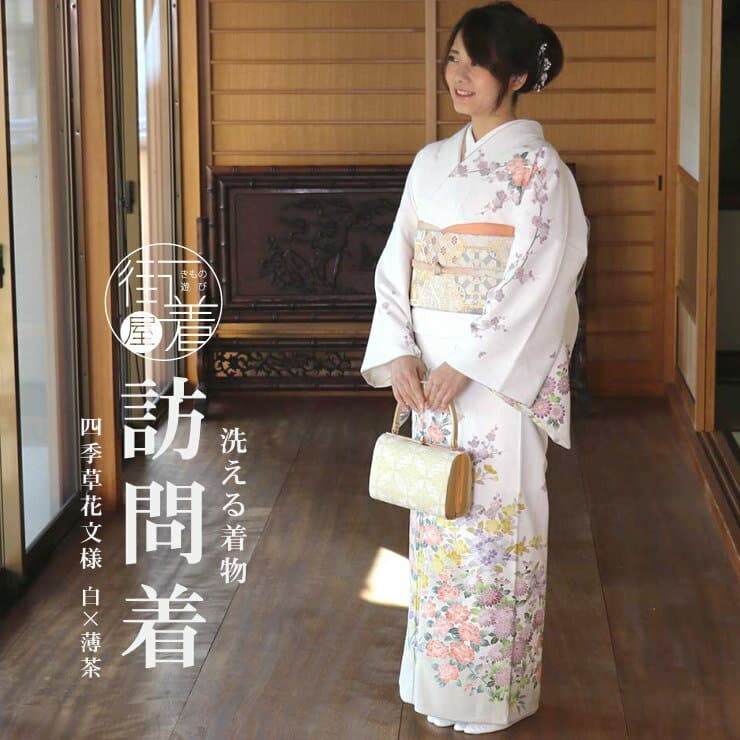
[ 洗える 訪問着 ] 東レ 袷 着物 日本製 仕立て上がり 四季草花文様 (白色×薄茶) ホワイト 白系 本加賀友禅調 花柄 フリ−サイズ 入学式 卒業式 結婚式 結納 謝恩会 同窓会 七五三 成人式 服装 母親 春 秋 冬 おしゃれ パーティー 和装 留袖 準礼装 フォーマル きもの ym412
White x light brown, free size街着屋 〜きもの遊び〜
4.6 / 13 reviews
 3 images
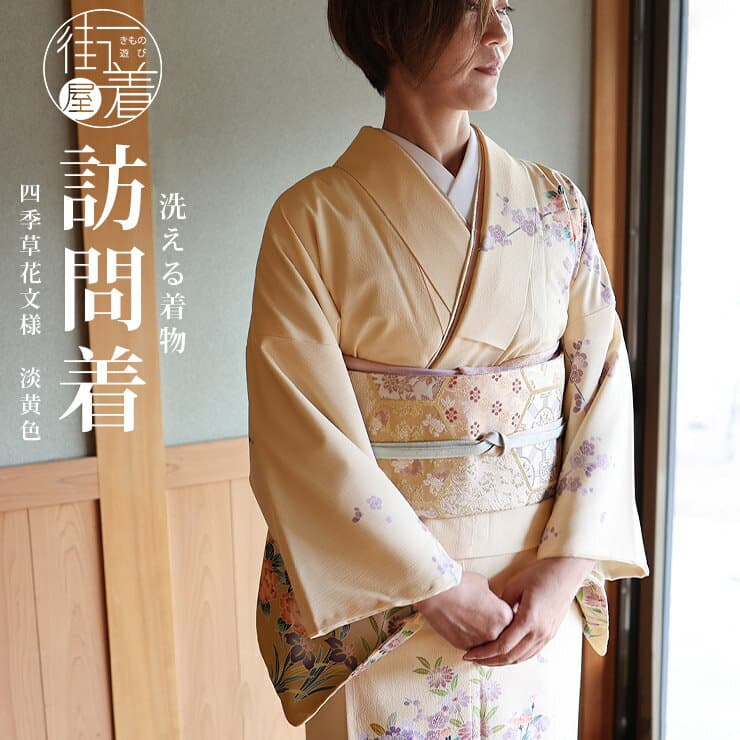
\楽天マラソン開催中!/[洗える着物] 東レ 袷 訪問着 四季草花文様 (淡黄色) 日本製 仕立て上り 黄色 パステル イエロー 淡色系 明るめ 本加賀友禅調 花柄 フリ−サイズ 入学式 卒業式 結婚式 同窓会 七五三 服装 母親 春 秋 冬 和装 留袖 準礼装 フォーマル きもの (ym411)
pale yellow街着屋 〜きもの遊び〜
5.0 / 5 reviews
First time buying on Rakuten? How residents in Japan order →
All 5 listings of this product on Rakuten, lowest price first.
| Listing | Price | Shop | Reviews | Open listing |
|---|---|---|---|---|
Akane-ya Kaga Yuzen toren Handkerchief Yamabuki, 1 pieceLowest price | ¥2,130 | MONONE | View on Rakuten → | |
Toray Washable Lined Homongi Kimono, Kaga Yuzen-Style Seasonal Florals White x light brown, free sizeMost reviewed | ¥68,200 | 街着屋 〜きもの遊び〜 | 4.6 / 13 reviews | View on Rakuten → |
Toray Washable Awase Houmongi Kimono, Kaga Yuzen-Style Four-Season Floral Pattern pale yellow | ¥68,200 | 街着屋 〜きもの遊び〜 | 5.0 / 5 reviews | View on Rakuten → |
Kaga Yuzen Houmongi Kimono by Kozo Shirasaka, Large and Small Chrysanthemums light pink-purple, height up to 168 cm / yuki up to 70.5 cm | ¥250,800 | さわらび〜ほりだし堂〜 | View on Rakuten → | |
Hon-Kaga Yuzen Silk Omiyamairi Kimono for Girls yellow/pink dyed split | ¥398,000 | お宮参りと七五三の京美(KYOUBI) | View on Rakuten → |
Japanese · new tab
Kaga Yuzen is centered on Kanazawa in Ishikawa Prefecture, with Kaga Yuzen Kaikan in Kosho-machi and Kaga Yuzen Nagashi-kan in Senkoji-machi as visible places in the city. Its cloth is known for pictorial hand-drawn dyeing: realistic grasses, flowers, and birds shaped by five base colors, fine white lines left by itome paste, outer bokashi shading, and mushikui leaf details. Gold leaf, shibori, embroidery, and other non-dye embellishments appear sparingly, keeping attention on dye, line, and brushwork.
The lineage begins with Umezome, a plain-dyeing practice described in the Kaga area about 500 years ago. Patterned dyeing appeared around the middle of the seventeenth century through Kanefusa-zome, colored picture dyeing, and Kaga-mon. In 1712, Miyazaki Yuzensai moved from Kyoto to Kanazawa and gave Kaga dyeing a stronger pictorial direction; the later name Kaga Yuzen sits within that Kanazawa history of dye, white cloth, and drawn motifs.
The base palette is named as five Yuzen colors: enji or suo, indigo, ochre, grass green, and ancient purple. On cloth, those colors give weight to petal edges, leaf shadows, branch lines, and bird forms in realistic grass-and-flower or flower-and-bird designs. Because gold leaf, shibori, embroidery, and other added decoration are used sparingly, the eye stays with dye tone, hand-drawn linework, and the placement of color on the surface.
The process begins with an aibana underdrawing, followed by itome paste that creates fine resist lines and leaves thin white contours after dyeing. Outer bokashi shades from a darker outside toward a paler center, while mushikui adds small leaf-eaten marks to plant motifs. Yuzen-nagashi finishing is also named in the craft account, connecting the final surface with honzome texture, dyed color, and the white lines made by paste resist.
Kaga Yuzen appears on homongi, tomesode, and wafuku accessories, and hand-painted works are also mounted as hanging scrolls. Each format changes how the work is seen: a homongi can carry a broad flower-and-bird composition, a tomesode can hold a more concentrated arrangement, and small accessories or mounted pieces bring the eye close to the itome line, five-color palette, and plant detail.
Kaga Yuzen Kaikan and the Kaga Dye Promotion Association are located at 8-8 Kosho-machi in Kanazawa. The Kaikan presents exhibitions, new work displays, hands-on areas, dyeing experiences, and kimono-wearing experiences; Kaga Yuzen Nagashi-kan is also listed in Kanazawa’s Senkoji-machi. These addresses make the craft visible through finished cloth, display rooms, and encounters with parts of the making process.
Kimono made by Kaga Yuzen artists carry a rakkan mark, linking the finished garment to a named hand-drawing craftsperson and the Kaga Dye Promotion Association’s artist community. In 1978, the technique preservation society connected with Kaga Yuzen became an Ishikawa prefectural intangible cultural property; the reader-facing meaning lies in the skills gathered there, including five-color dyeing, itome paste linework, realistic flower-and-bird designs, bokashi, mushikui, and waritsuke patterns.
To look closely at Kaga Yuzen, begin with Kanazawa, the five colors, and the white line. Enji and indigo steady the palette; ochre, grass green, and ancient purple shape leaves and petals; itome paste lets pale contours remain after dyeing. Kaga-area Umezome, the 1712 move of Miyazaki Yuzensai to Kanazawa, Kosho-machi’s Kaikan, and rakkan-marked kimono all give the craft its concrete local outline.
Compiled from public records and official sources; see the recognition links below. Details may change over time.
Where this product is officially registered, designated, or recognized in Japan.
It is written as 加賀友禅 in Japanese. Search Rakuten and other Japanese sites with that spelling — the English name will not bring up the listings.
Kaga Yuzen is a Kanazawa-centered dyeing craft in Ishikawa Prefecture, with roots linked to Kaga-area Umezome and later patterned dyeing. It is defined by five base colors, realistic grass, flower, and bird motifs, aibana underdrawing, fine white itome-paste lines, outer bokashi, mushikui leaf details, and restrained use of non-dye decoration. It appears on homongi, tomesode, wafuku accessories, and mounted hand-painted works.
Kaga Yuzen is centered on Kanazawa in Ishikawa Prefecture, and Kaga Yuzen Kaikan is located at 8-8 Kosho-machi, Kanazawa. In 1712, Miyazaki Yuzensai moved from Kyoto to Kanazawa and influenced the pictorial direction of Kaga dyeing. The five base colors are enji or suo, indigo, ochre, grass green, and ancient purple. Its process includes aibana underdrawing, itome paste resist lines, outer bokashi, mushikui, and sometimes waritsuke patterns.
It is used on formal kimono such as homongi and tomesode. It also appears on wafuku accessories and on hand-painted works mounted as hanging scrolls. Kaga Yuzen Kaikan offers exhibitions, dyeing experiences, and kimono-wearing experiences.
Naturally dyed textiles shed some colour on first wash. Hand-wash separately with a neutral detergent, avoid long soaking and bleach, and dry in the shade to prevent fading. Silk, ramie, and traditionally dyed pieces often need professional cleaning — the care label on the listing takes precedence.
Most options are shelf-stable, boxed, and travel well, so they suit gifting or bringing home. Confirm the final storage and delivery terms on the Rakuten listing.
On Rakuten: the shops listed here right now are MONONE, さわらび〜ほりだし堂〜, お宮参りと七五三の京美(KYOUBI), 街着屋 〜きもの遊び〜. We don't sell directly; purchase, payment, stock, and delivery are all handled on the Rakuten product page.