 2 images
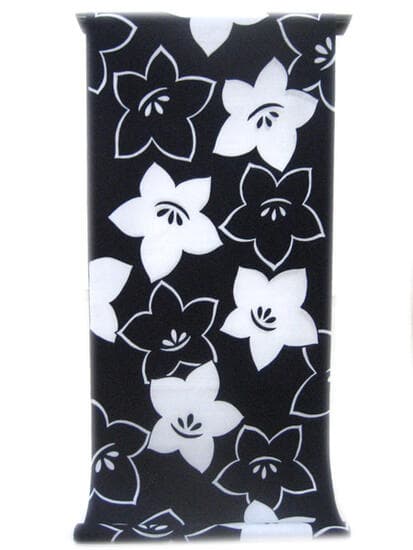
Tokyo Honzome Chusen Yukata Fabric, Dark Navy Bellflower Pattern
:::: 伝統的工芸品「東京本染注染」ゆかた ::::“涼”と“艶”の絶対定番 濃紺地に お星さまのような桔梗散らし柄(反物)◇ お仕立て(国内手縫い)¥11,000(税別)で承ります。
fabric bolt高松南新町商店街
Japanese name東京本染注染
Late-Edo tenugui, late-Meiji yukata cloth, stencil paper, resist paste, and a long-spouted kettle meet in a dyeing method that colors both faces of the fabric.
Information last updated 121 days ago
2 images:::: 伝統的工芸品「東京本染注染」ゆかた ::::“涼”と“艶”の絶対定番 濃紺地に お星さまのような桔梗散らし柄(反物)◇ お仕立て(国内手縫い)¥11,000(税別)で承ります。
fabric bolt高松南新町商店街
 2 images
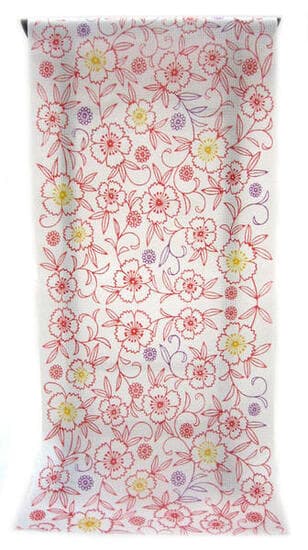
:::: 伝統的工芸品「東京本染注染」ゆかた ::::極上の肌触り 着心地さらっと綿紅梅 艶ある真紅 レトロレースな線描のなでしこ柄(反物)◇ お仕立て(国内手縫い)¥11,000(税別)で承ります。
fabric bolt高松南新町商店街
First time buying on Rakuten? How residents in Japan order →
Tokyo Honzome Chusen begins with cloth: cotton, hemp, silk, or a comparable material prepared with stencil paper, resist paste, folded layers, and poured dye. Its roots reach late-Edo dyers in Edo who devised pour dyeing for tenugui, and Tokyo makers later applied chusen to yukata fabric after the late Meiji era. The method now appears in tenugui, yukata, accessories, clothing, interior goods, shirts, and bags, carrying the touch of a stencil frame, spatula, long-spouted kettle, washing, and sun drying into everyday fabric.
In late Edo, Fukagawa dyers faced tenugui with broad white areas that were difficult to handle through ordinary indigo dyeing, so they poured indigo over cloth that had already been stenciled. By the early to mid-19th century, tenugui dyers gathered in Kanda; kabuki actors, entertainers, enthusiasts, and hobbyists ordered hand towels with chosen designs and used them as gifts. The early shape of Tokyo Honzome Chusen is tied to tenugui, indigo, Fukagawa, Kanda, and the social habit of giving designed cloth.
The main production areas include Tokyo's Adachi, Katsushika, and Edogawa wards, along with Utsunomiya in Tochigi and Takasaki in Gunma. The Kanto Chusen Industrial Cooperative lists member companies such as Asahi Someko, Tokyo Waszarashi, Kagizen, Iseyasu Senkosho, Muraisenkojo, Nakagawa Somekojo, and Nakamura Somekojo. Those names connect Tokyo locations including Hanahata, Tateishi, and Ichinoe with businesses in Utsunomiya and Takasaki that work in dyeing, bleached fabric, and finishing.
During stencil application, a frame holds stencil paper over the cloth, and a spatula spreads resist paste onto the places that must remain open or separated for color. The cloth is folded back along the paste edge, with roughly one to four tan of fabric stacked in layers, each layer aligned through the same stencil and paste lines. Cotton fabric, hemp fabric, silk fabric, and comparable materials can pass through this preparation before the dyeing work begins.
During dyeing, a long-spouted kettle pours dye into the stacked cloth, then the whole stack is turned over and dyed again from the reverse side. That movement sends pattern and color through both faces, producing fine detail and an undulating color texture rather than a single printed surface. After dyeing, washing with water and sun drying bring the folded, pasted, and poured cloth back into usable fabric.
Tokyo Honzome Chusen includes single-color dyeing, sashiwake-zome, bokashi-zome, and hosokawa-zome. In sashiwake-zome and parts of bokashi-zome and hosokawa-zome, a paste tube can build small banks of resist paste so colors stay in their intended areas. For fine motifs, a guiding rod can steer dye into specified places, linking the toolwork directly to the clarity of small patterns.
After the late Meiji era, Tokyo makers applied chusen to yukata fabric; yukata remains connected with summer clothing, fireworks, festivals, and use as sleepwear or room wear at lodging. Tokyo Honzome Chusen also extends from tenugui and yukata to accessories, clothing, interior goods, shirts, and bags. In 2023, a craft designation placed Tokyo Honzome Chusen across Tokyo, Gunma, and Tochigi, with the practical outline centered on folded cloth, resist paste, kettle-poured dye, and color reaching both sides.
At its simplest, Tokyo Honzome Chusen is a route through cloth: cotton, hemp, silk, or comparable fabric receives stencil paper, resist paste, folded layers, poured dye, washing, and sun drying. The same route connects late-Edo tenugui, post-late-Meiji yukata fabric, and present-day shirts, bags, and interior goods across Adachi, Katsushika, Edogawa, Utsunomiya, and Takasaki.
Compiled from public records and official sources; see the recognition links below. Details may change over time.
Where this product is officially registered, designated, or recognized in Japan.
Traditional craft
Designated a Traditional Craft (dentō kōgeihin) by Japan's Ministry of Economy, Trade and Industry.
Sources1
It is written as 東京本染注染 in Japanese. Search Rakuten and other Japanese sites with that spelling — the English name will not bring up the listings.
Tokyo Honzome Chusen is a handcrafted stencil-dyeing textile rooted in late-Edo pour dyeing for tenugui. Makers apply stencil paper, a spatula, and resist paste, fold roughly one to four tan of cloth into aligned layers, pour dye from a long-spouted kettle, and dye from both sides so pattern and color pass through the cloth. The main production areas include Adachi, Katsushika, Edogawa, Utsunomiya, and Takasaki, and uses now include tenugui, yukata, accessories, clothing, interior goods, shirts, and bags.
On October 26, 2023, Tokyo Honzome Chusen was designated as a traditional craft product with a Tokyo, Gunma, and Tochigi scope. Its early techniques are believed to have been established by the mid-19th century. Tokyo makers applied chusen to yukata fabric after the late Meiji era. Materials include cotton fabric, hemp fabric, silk fabric, and comparable materials.
Tenugui are often custom-dyed with a preferred design and given as gifts. Yukata are still worn at summer events such as fireworks displays and festivals. Yukata are also used as sleepwear or loungewear provided by ryokan.
Naturally dyed textiles shed some colour on first wash. Hand-wash separately with a neutral detergent, avoid long soaking and bleach, and dry in the shade to prevent fading. Silk, ramie, and traditionally dyed pieces often need professional cleaning — the care label on the listing takes precedence.
Most options are shelf-stable, boxed, and travel well, so they suit gifting or bringing home. Confirm the final storage and delivery terms on the Rakuten listing.
On Rakuten: the shops listed here right now are 高松南新町商店街. We don't sell directly; purchase, payment, stock, and delivery are all handled on the Rakuten product page.