 3 images
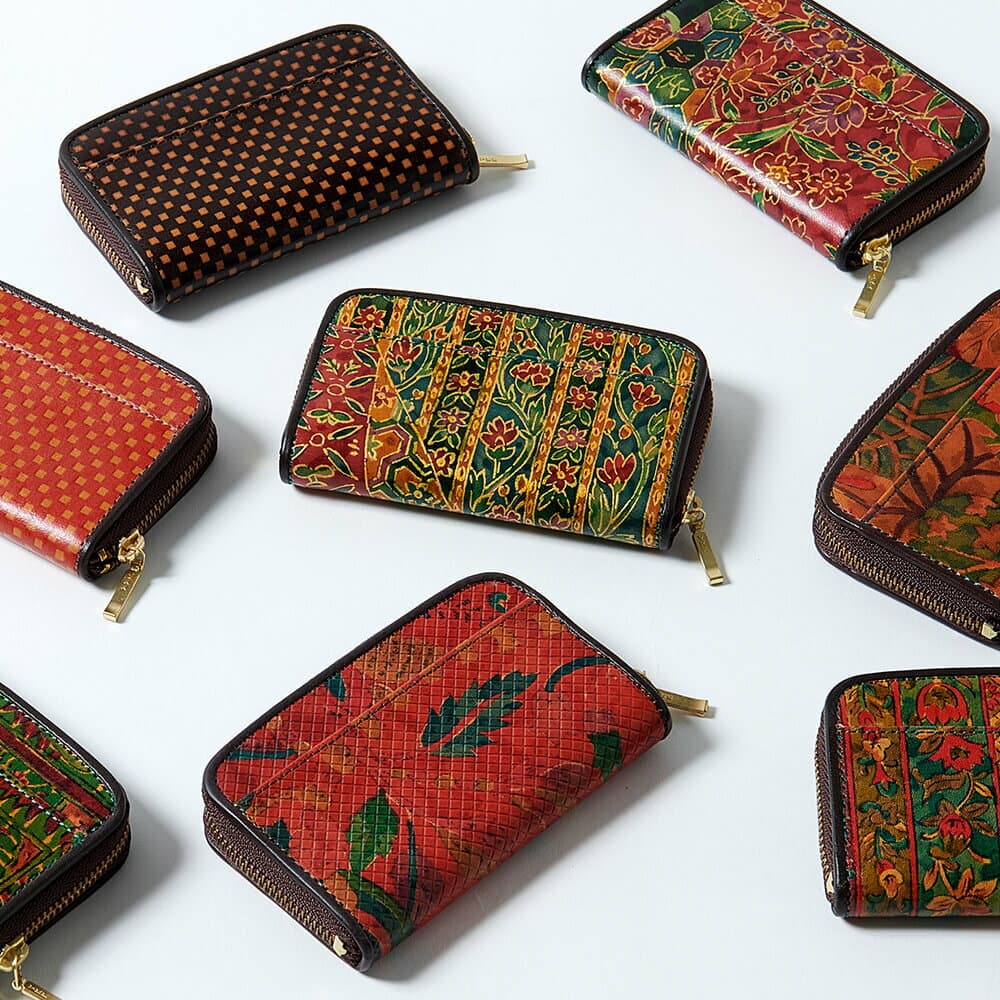
大松染工場 Hand-Dyed Cowhide Tokyo Some-Komon Coin Purse
手づくり 伝統工芸品 手染め 牛皮革 東京染小紋 江戸小紋 江戸更紗 小銭入 化粧箱入り 大松染工場
Edo Komon checkered pattern (black)小粋屋東京
Japanese name東京染小紋
In Shinjuku’s Nishiwaseda dyeing network, Tokyo Some Komon carries tiny motifs through stencils, resist paste, dye paste, steaming, washing, and drying.
Information last updated 121 days ago
3 images手づくり 伝統工芸品 手染め 牛皮革 東京染小紋 江戸小紋 江戸更紗 小銭入 化粧箱入り 大松染工場
Edo Komon checkered pattern (black)小粋屋東京
 3 images
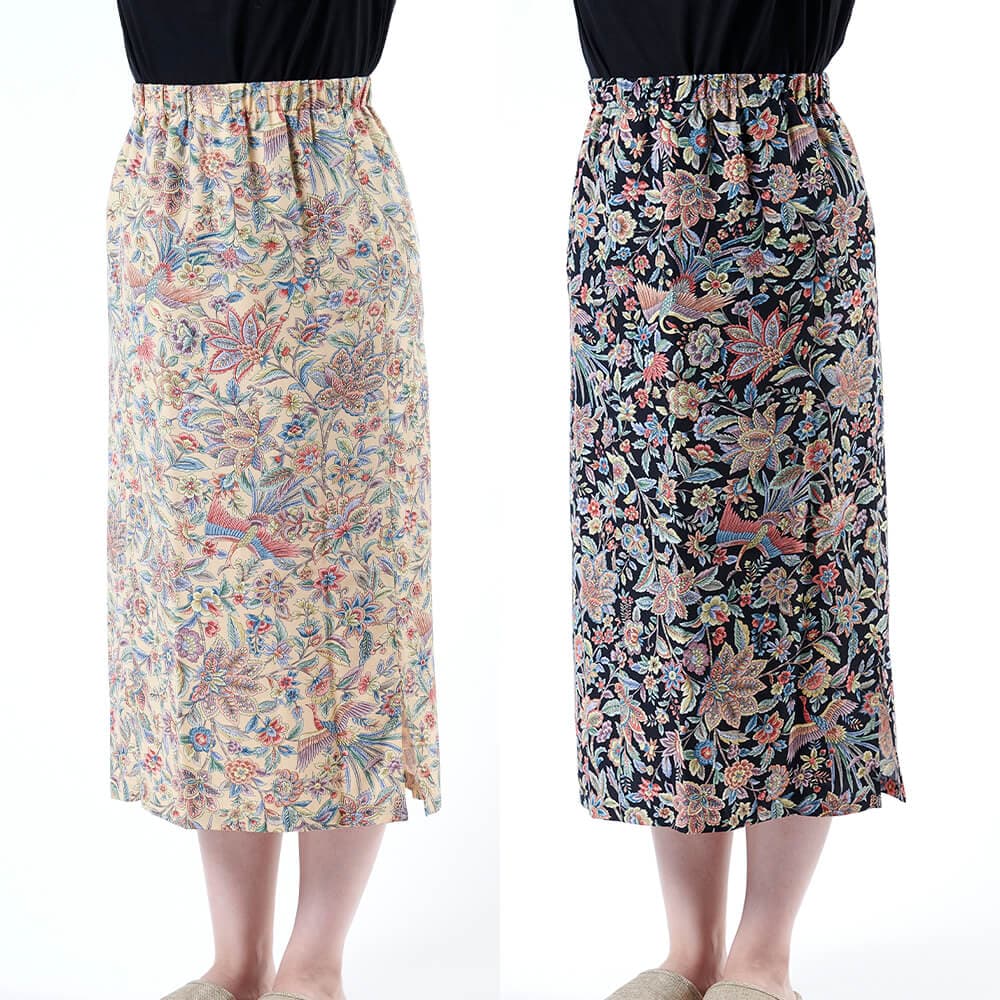
東京染小紋 手染め 江戸更紗 スカート (ペチコート付) 化粧箱入り 送料無料 ギフト 贈り物 大松染工場
gift box小粋屋東京
 3 images
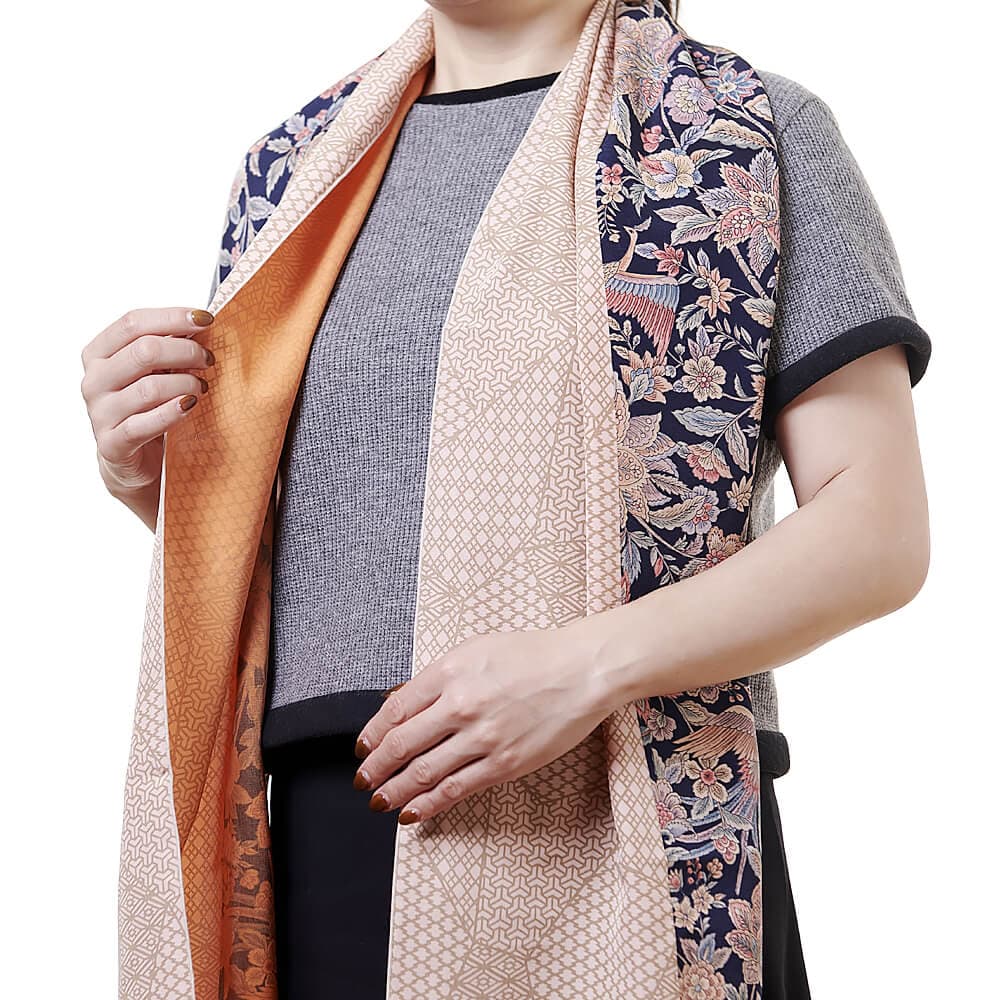
東京染小紋 手染め 江戸小紋・江戸更紗両面染めストール 化粧箱入り 送料無料 ギフト 贈り物 大松染工場
presentation box小粋屋東京
First time buying on Rakuten? How residents in Japan order →
Tokyo Some Komon begins with a change in distance. From across a room, the cloth can look almost plain; close up, dense small motifs come into view. That visual scale connects the textile to Shinjuku’s dyeing workshops, Edo-period kamishimo, and later women’s kimono use.
Compiled from public records and official sources; see the recognition links below. Details may change over time.
Where this product is officially registered, designated, or recognized in Japan.
It is written as 東京染小紋 in Japanese. Search Rakuten and other Japanese sites with that spelling — the English name will not bring up the listings.
Tokyo Some Komon is a fine-pattern dyed textile connected to Tokyo’s Shinjuku dyeing network, with the related cooperative based in Nishiwaseda. Its motifs can look almost plain from a distance and become visible close up. Its use is linked to Edo-period kamishimo, later townspeople and women, and Meiji-period women’s kimono. The process uses stencils, resist paste, dye paste, steaming, washing, and drying, with work divided among stencil makers, carvers, and dyers.
The Tokyo Metropolitan Dyeing Industry Cooperative connected with Tokyo Some Komon is located at 3-20-12 Nishiwaseda, Shinjuku-ku, Tokyo. The Shinjuku textile council identifies the Tokyo Metropolitan Dyeing Industry Cooperative as the association of workshops dyeing Tokyo Some Komon, Tokyo plain dyeing, and Edo Sarasa. Komon is connected to Muromachi-period beginnings and to early seventeenth-century Edo kamishimo made for daimyo. The Tokyo Some Komon process includes stencils, resist paste, dye-containing paste, steaming, washing, and drying.
Viewed from a distance, the pattern can look nearly plain; close inspection reveals the fine detail. Komon was worn as kamishimo in the early Edo period, later spread among townspeople and women, and became linked to women’s kimono in the Meiji period. Hands-on dyeing experience is offered at places such as Tomita Dye Crafts, Daimatsu Dye Works, and Kobayashi Dyeing Studio.
Naturally dyed textiles shed some colour on first wash. Hand-wash separately with a neutral detergent, avoid long soaking and bleach, and dry in the shade to prevent fading. Silk, ramie, and traditionally dyed pieces often need professional cleaning — the care label on the listing takes precedence.
Most options are shelf-stable, boxed, and travel well, so they suit gifting or bringing home. Confirm the final storage and delivery terms on the Rakuten listing.
On Rakuten: the shops listed here right now are 小粋屋東京. We don't sell directly; purchase, payment, stock, and delivery are all handled on the Rakuten product page.