 3 images
Edo Sarasa Silk Small Clasp Purse by 染の里おちあい 二葉苑
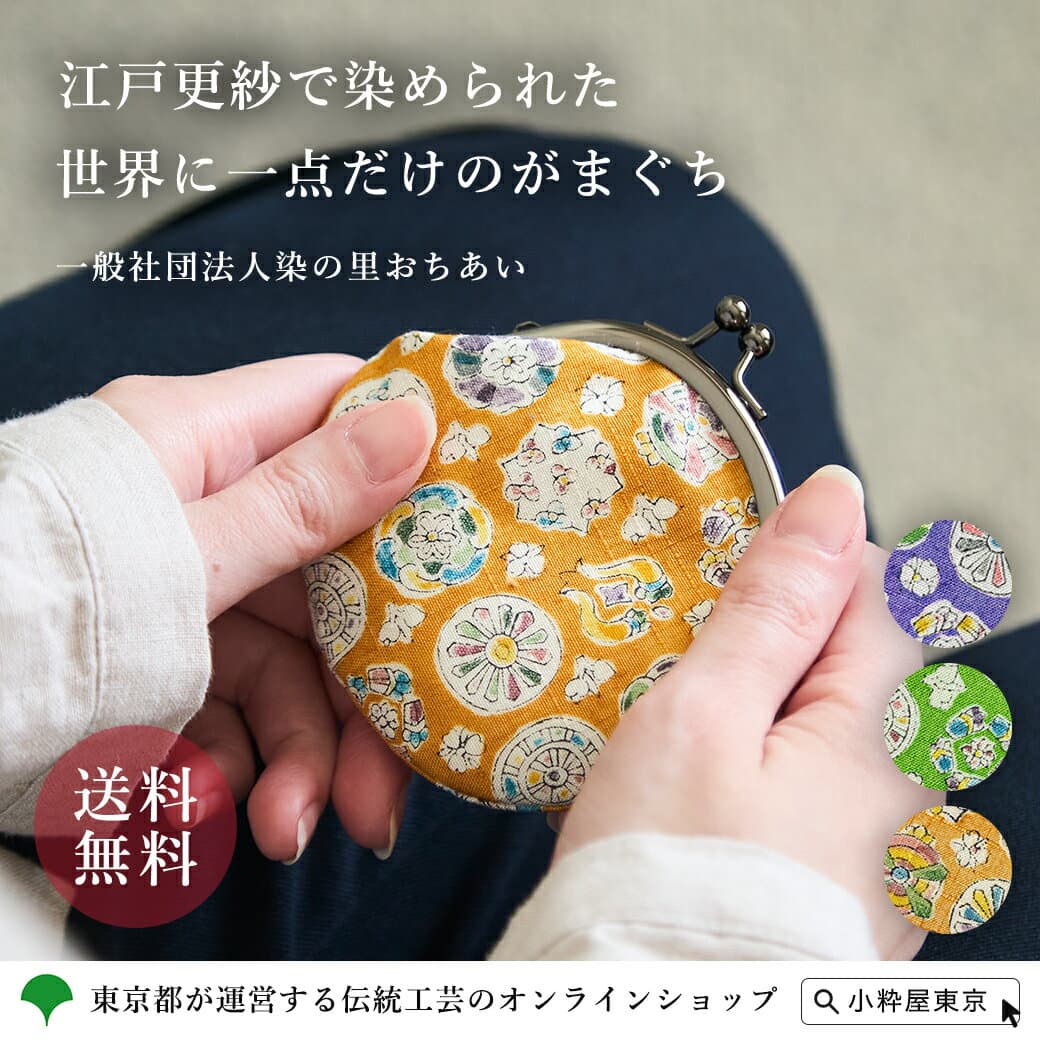
ギフト 江戸更紗 伝統工芸品 一般社団法人染の里おちあい 二葉苑 がま口小 更紗丸紋 送料無料 日本製 絹
small, Sarasa round motif小粋屋東京
5.0 / 3 reviews
Japanese name江戸更紗
Cotton, silk, persimmon-tannin stencil paper, brush pressure, and Tokyo water shape the subdued color of Edo Sarasa.
Information last updated 121 days ago
3 imagesギフト 江戸更紗 伝統工芸品 一般社団法人染の里おちあい 二葉苑 がま口小 更紗丸紋 送料無料 日本製 絹
small, Sarasa round motif小粋屋東京
5.0 / 3 reviews
 3 images
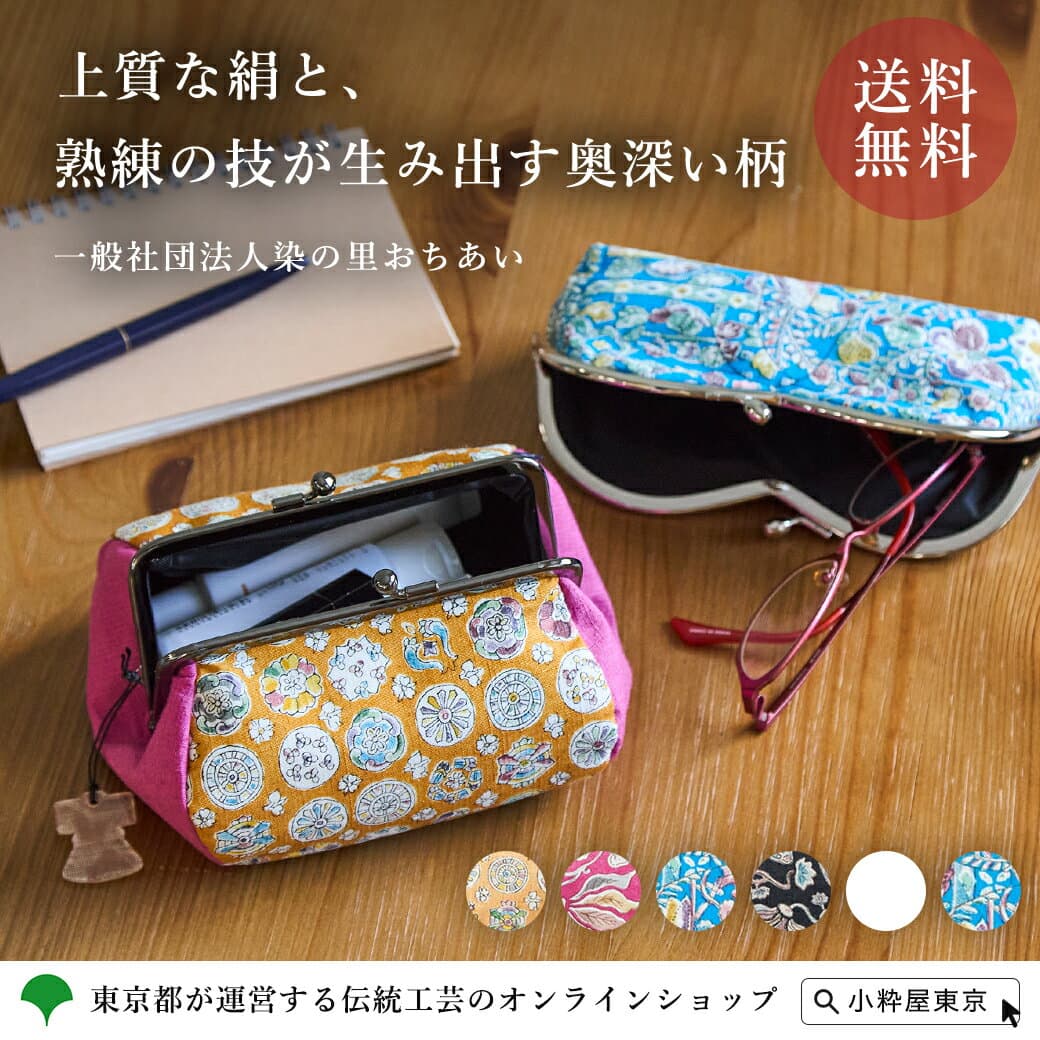
江戸更紗 がまぐちポーチ めがねがまぐち 化粧ポーチ 小物入れ 眼鏡ケース 手染め 絹100% 着物生地 一般社団法人染の里おちあい
小粋屋東京
4.5 / 4 reviews
 3 images
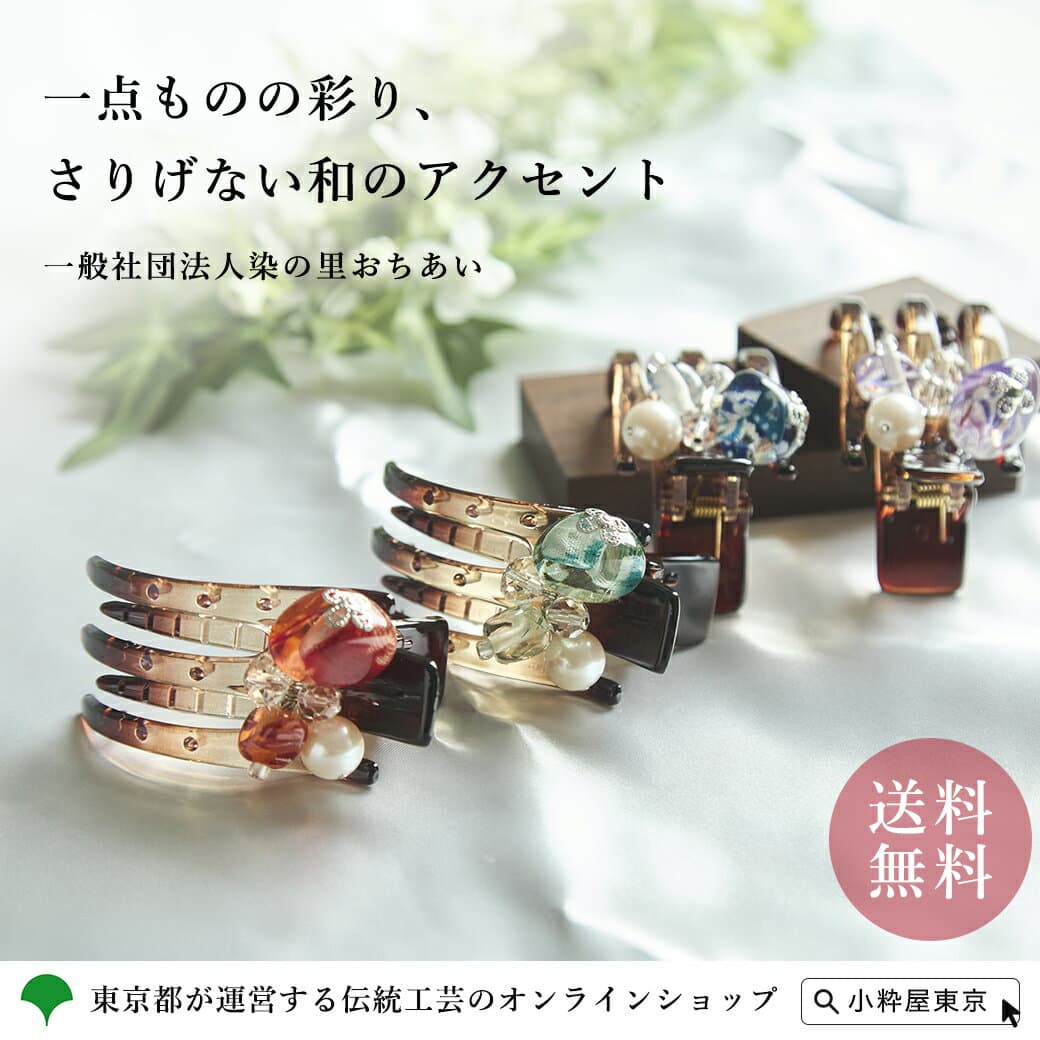
江戸更紗 ヘアークリップ 一般社団法人染の里おちあい アクセサリー
小粋屋東京
5.0 / 1 reviews
First time buying on Rakuten? How residents in Japan order →
Edo Sarasa begins with Tokyo neighborhoods where dyeing work gathered close to water. Main production places include Shinjuku, Toshima, Arakawa, and nearby areas, while the basins of the Kanda and Myoshoji rivers once held more than 300 dyeing-related businesses from the early Showa years through the 1950s. The cloth is built from cotton or silk, persimmon-tannin stencil paper, brush rubbing, rice paste, and the ongoing workshop presence of Ochiai and Nakai.
The Tokyo geography of Edo Sarasa starts with Shinjuku, Toshima, Arakawa, and surrounding production areas. Along the Kanda and Myoshoji river basins, more than 300 dyeing-related businesses gathered from the early Showa period through the 1950s, placing bolts of cloth, stencil papers, brushes, and workshops within the same working districts. Ochiai and Nakai still gather artisans and artists who inherit dyeing techniques and propose new work; around Nakai Station, Some no Komichi stretches dyed cloth over the Myoshoji River and hangs artist-made noren at storefronts, bringing dyeing work onto the water and shopping streets.
Sarasa patterns began in India, spread through Asia and Europe, and reached Japan around the fourteenth to sixteenth centuries, near the Muromachi period. Edo Sarasa places those vivid textile patterns into Japanese katazome stencil dyeing, building multicolor designs through repeated stencil layers on a single cloth. In Tokyo workshops, traveled patterns become decisions about stencil order, brush direction, and the pressure used to rub dye into cotton or silk; the depth of Edo Sarasa comes from that layered hand process.
The traditional base materials for Edo Sarasa are cotton woven cloth and silk woven cloth. Its stencil paper is made from hand-made washi laminated with persimmon tannin, or an equivalent paper; stencil rubbing is done by hand, ground dyeing uses hikizome, and the printing paste is based on glutinous rice flour, rice bran, salt, and other ingredients. The materials set the pace of the work: the stencil paper must withstand repeated rubbing, the rice paste holds pattern areas in place, and the brush drives dye into cotton or silk fibers.
The complexity of Edo Sarasa is often hidden in the number of stencils. A simpler pattern may still use about 20 stencils, while a complex one may use around 90, allowing pale same-color gradations to accumulate gradually across the cloth. The dyer rubs pigment into the fabric with a brush and controls how firmly the brush meets the surface; shadows, soft blur, and slight shifts in tone emerge through repeated stencil placement, hand rubbing, and brush control.
Edo Sarasa is often associated with restrained color, and that impression is tied to a specific dyeing condition. Tokyo hard water, including water around the Kanda River, contains iron that reacts during dyeing and helps bring out a muted, astringent tone. The workshop setting around Shinjuku and Ochiai, iron in Tokyo water, and the shadows made by brush rubbing together distinguish Edo Sarasa from overseas sarasa traditions centered on brighter primary-color designs.
Contemporary Edo Sarasa moves between clothing, interiors, workshops, and street scenery. Current uses include scarves and other fashion goods, along with partitions and interior pieces; at Someno Sato Ochiai, studio-specific examples include a monochrome sarasa tunic shirt and an Edo Sarasa tote bag. The producer community is also organized through the Tokyo dyeing cooperative's komon division, which handles stencil dyeing including Tokyo-dyed komon, Edo Sarasa, and custom dyeing. Someno Sato Ochiai has dyed Edo Sarasa for more than 100 years since 1920, and Yoko Takaichi launched a new organization in 2020 to preserve a four-generation Edo Komon and Edo Sarasa line. Around Nakai, cloth over the Myoshoji River and noren at storefronts bring the patterns into everyday street scenery.
Edo Sarasa is best understood through the work done in Tokyo’s dyeing districts. Cotton and silk receive the pattern, persimmon-tannin stencil paper defines the shapes, rice paste and hikizome hold the process together, and brush pressure creates gradation, shadows, and blur. From the Kanda and Myoshoji rivers to Ochiai and Nakai, Edo Sarasa turns sarasa patterns that reached Japan into cloth still seen in workshops, streets, clothing, and interiors.
Compiled from public records and official sources; see the recognition links below. Details may change over time.
Where this product is officially registered, designated, or recognized in Japan.
Regional collective trademark
Registered as a Regional Collective Trademark with the Japan Patent Office.
Sources1
It is written as 江戸更紗 in Japanese. Search Rakuten and other Japanese sites with that spelling — the English name will not bring up the listings.
Edo Sarasa is a Tokyo stencil-dyed textile family associated with production areas including Shinjuku, Toshima, and Arakawa. It uses cotton or silk cloth, persimmon-tannin stencil paper, hand stencil rubbing, hikizome ground dyeing, and rice-based paste. Designs may use about 20 to around 90 stencils, with brush pressure creating gradation, shading, and soft blur. Around the Kanda and Myoshoji rivers, dyeing trades once clustered in large numbers, and Ochiai and Nakai keep workshops, cloth displays, and noren tied to the area.
The Kanda and Myoshoji river basins had more than 300 dyeing-related businesses from the early Showa period through the 1950s. Edo Sarasa's printing paste is based on glutinous rice flour, rice bran, and salt. Tokyo's hard water and iron content are described as contributing to Edo Sarasa's subdued color during dyeing. Contemporary Edo Sarasa is used for items such as scarves, interior partitions, and Someno Sato Ochiai examples like shirts and tote bags.
Edo Sarasa is used for scarves and other fashion accessories. It is also used for interior pieces such as partitions. Individual studios have made items such as shirts and tote bags using Edo Sarasa, as seen in Someno Sato Ochiai examples.
Naturally dyed textiles shed some colour on first wash. Hand-wash separately with a neutral detergent, avoid long soaking and bleach, and dry in the shade to prevent fading. Silk, ramie, and traditionally dyed pieces often need professional cleaning — the care label on the listing takes precedence.
Most options are shelf-stable, boxed, and travel well, so they suit gifting or bringing home. Confirm the final storage and delivery terms on the Rakuten listing.
On Rakuten: the shops listed here right now are 小粋屋東京. We don't sell directly; purchase, payment, stock, and delivery are all handled on the Rakuten product page.