 3 images
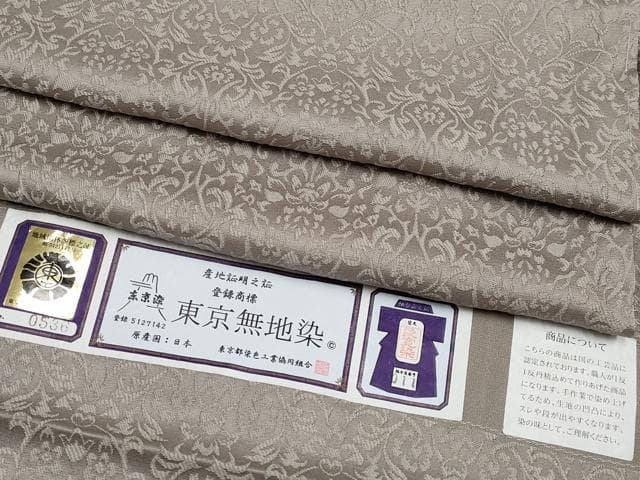
東京無地染 Iromuji Silk Kimono, Walnut-Dyed Floral Arabesque
平和屋着物●極上 色無地 東京無地染 花唐草地紋 胡桃染色地 証紙付き 逸品 未使用 CYAA4766s6
Length 175 cm平和屋
Japanese name東京無地染
A long bolt enters the dye bath and comes out as a quiet field of color. Tokyo Mujizome links Shinjuku and Nakano dyeing work with Edo purple, Edo brown, Fuji-nezu, and the many rooms where iromuji kimono are worn.
Information last updated 121 days ago
3 images平和屋着物●極上 色無地 東京無地染 花唐草地紋 胡桃染色地 証紙付き 逸品 未使用 CYAA4766s6
Length 175 cm平和屋
 3 images
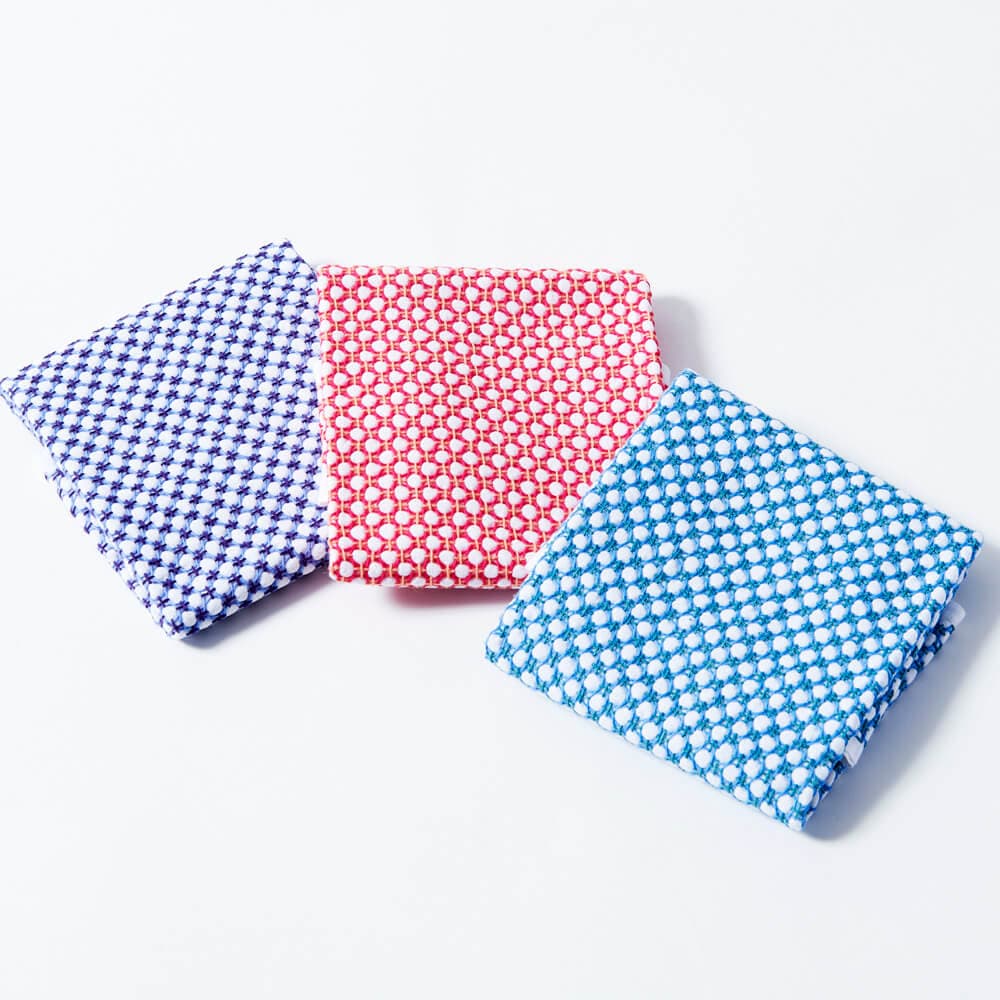
株式会社近藤染工 布巾 手縫い ハンドメイド 伝統工芸品 東京無地染 刺し子布巾
navy, red, purple; 32.5 x 34 cm小粋屋東京
5.0 / 1 reviews
First time buying on Rakuten? How residents in Japan order →
Tokyo Mujizome is plain dyeing of woven cloth in Tokyo, with Shinjuku and Nakano named as main production districts. Within Tokyo dyed goods, it sits near patterned families such as Tokyo Some Komon, Edo Komon, and Edo Sarasa, but its attention falls on a long bolt, a single color, and the difficulty of making that color even by hand. Names such as Edo purple, Edo brown, and Fuji-nezu lead directly into use: a crest can move an iromuji kimono toward formal dress, no crest can keep it in everyday wear, and obi or accessories can shift the same plain surface toward tea gatherings, parties, greetings, or meals.
Plain dyeing, or immersion dyeing, is a basic way of dyeing cloth in one color. Tokyo Mujizome refers to plain-dyed woven fabric in Tokyo, with tatami edging fabric left outside the name boundary. Beside patterned Tokyo dyed goods, the family asks the eye to stay with a single field of color. A woven ground pattern or the material of the cloth can change the texture and impression, so one color is still able to show several faces on a kimono bolt.
Shinjuku and Nakano are named as the main manufacturing districts for Tokyo Mujizome. The producer community is tied to the Tokyo Dyeing Industry Cooperative Association, whose address is in Nishi-Waseda, Shinjuku. These Tokyo place names give the plain-dyed bolt a map, connecting the work to dyers inside the city.
The color names carry the cloth back to Edo. The color background starts with cloth colored by roots, flowers, leaves, bark, and fruit; in 552, indigo and safflower arrived with Buddhism. By the Edo period, Edo purple and Edo brown were widely used among common townspeople. Fuji-nezu, a purple-tinged gray in the nezu family of colors, is treated as a restrained shade loved by Edo people for its chic impression.
Although the surface is one color, the work has to answer to the cloth, the woven ground pattern, the day’s temperature and humidity, and the way the finished kimono will be worn. Dyers use Edo-period color samples to adjust small differences in tone. Making a long bolt uniform by hand, without mottling across the length, is a demanding part of Tokyo Mujizome. Even as dyes and higher-grade fabrics have changed, the color still depends on hand adjustment.
An iromuji kimono changes with crests, obi, and accessories. With a crest it can approach formal dress; without a crest it can be worn as everyday clothing. A heavy fukuro obi woven with gold or silver threads can take Fuji-nezu into a formal room, while a restrained fukuro obi or dyed Nagoya obi suits a tea gathering. Kurikawa-cha cloth with a black-and-gold eight-sun Nagoya obi is placed in party and restaurant-wedding settings, and black or pale-ink mourning obi can make the plain color serve as iromofuku.
Color plain cloth can be stripped of color and dyed again. A person may choose a brighter shade first, then later move to subdued kodai-murasaki, navy, or matcha; when the kimono passes to a daughter, the color can be changed to a younger impression. Redyeing gives the single-color bolt a practical continuity across age and family ownership, with the change happening in the cloth itself.
Tokyo Mujizome is quiet only at first glance. Its concrete details are precise: Shinjuku and Nakano production, Edo purple and Fuji-nezu color names, temperature and humidity on the dyeing day, an even hand-dyed bolt, and the difference between a tea gathering, a party, formal dress, and color mourning wear. A plain surface becomes flexible because one color can be adjusted, worn with different obi, and dyed again as life changes.
Compiled from public records and official sources; see the recognition links below. Details may change over time.
Where this product is officially registered, designated, or recognized in Japan.
It is written as 東京無地染 in Japanese. Search Rakuten and other Japanese sites with that spelling — the English name will not bring up the listings.
Tokyo Mujizome is plain immersion dyeing of woven cloth in Tokyo, mainly produced in Shinjuku and Nakano. A long bolt is dyed in one even color, with shade adjusted for the cloth, ground pattern, temperature, humidity, and how the finished kimono will be worn. Color names linked to the craft include Edo purple, Edo brown, and Fuji-nezu. The dyed cloth can later be stripped and redyed in another color.
Tokyo Mujizome refers to plain-dyed woven fabric in Tokyo, excluding tatami edging fabric. Plain dyeing, or immersion dyeing, is a basic method for dyeing cloth in one color. Modern Tokyo Mujizome production is centered on handwork. The dyed cloth can be stripped and redyed to shades such as kodai-murasaki, navy, or matcha.
A plain-dyed kimono with a crest can be worn near formal dress, especially paired with a heavier woven obi using gold or silver thread; without a crest, the same fabric works as everyday wear, coordinated through obi and accessories. Depending on obi and accessory choices, it can also suit greetings to seniors, parties, lessons, and casual meals, tea gatherings with a restrained obi, or celebrations with a high-grade gold or silver obi. The cloth can be stripped and redyed later, for example starting with a brighter color and later changing to a subdued one, or redyeing when the kimono is passed to a daughter.
Naturally dyed textiles shed some colour on first wash. Hand-wash separately with a neutral detergent, avoid long soaking and bleach, and dry in the shade to prevent fading. Silk, ramie, and traditionally dyed pieces often need professional cleaning — the care label on the listing takes precedence.
Most options are shelf-stable, boxed, and travel well, so they suit gifting or bringing home. Confirm the final storage and delivery terms on the Rakuten listing.
On Rakuten: the shops listed here right now are 平和屋, 小粋屋東京. We don't sell directly; purchase, payment, stock, and delivery are all handled on the Rakuten product page.