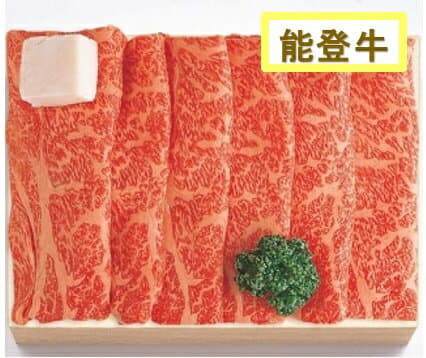
Noto Beef Sukiyaki Shoulder Loin
【NSK-80A】【送料別(※北海道、青森県、九州地方、沖縄県および離島へのお届けはできません】能登牛 すき焼き肉 肩ロ-ス500g 【送料別】御祝 内祝 御礼 記念日 プレゼント 誕生日 能登牛 能登半島 復興 支援
500g天狗ハム 楽天市場店
4.6 / 7 reviews
Japanese name能登牛
Noto Beef is shaped by Ishikawa raising boundaries, Noto Peninsula farms, clear Kuroge Washu bloodlines, and oleic acid in fat linked with tenderness and aroma.
Information last updated 119 days ago
【NSK-80A】【送料別(※北海道、青森県、九州地方、沖縄県および離島へのお届けはできません】能登牛 すき焼き肉 肩ロ-ス500g 【送料別】御祝 内祝 御礼 記念日 プレゼント 誕生日 能登牛 能登半島 復興 支援
500g天狗ハム 楽天市場店
4.6 / 7 reviews
 3 images
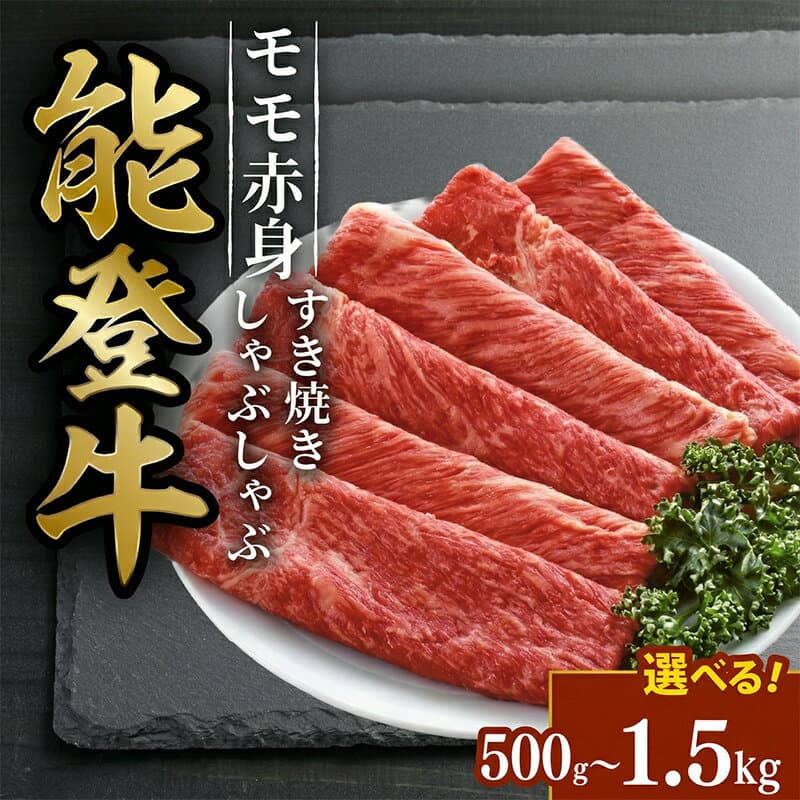
能登牛 モモ スライス すき焼き しゃぶしゃぶ用 500g 1kg 1.5kg 国産 牛 ブランド牛 肉 食肉 料理 和牛 お取り寄せ 産直 贈り物 贈答 送料無料 石川県 能登 父の日 母の日 記念日 お祝い 内祝 御礼 ギフト グルメ 入学祝
500g / 1kg / 1.5kgかわうそ市場 楽天市場店
 3 images
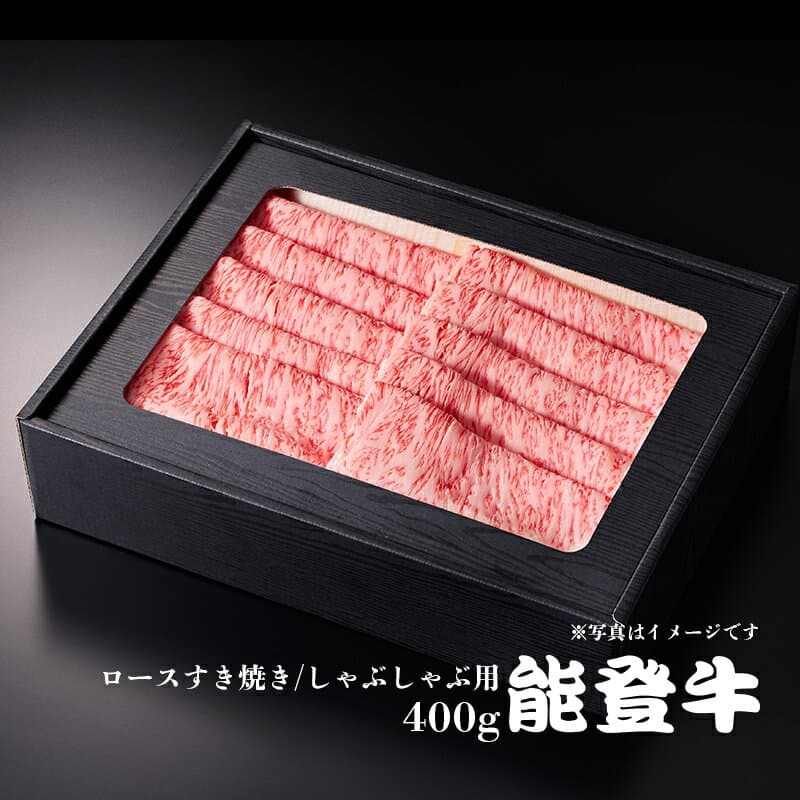
能登牛 ロース すき焼き / しゃぶしゃぶ用 400g[冷凍] ギフトボックス 野々市ミート ギフト 感謝の贈り物に
400g gift box能登 サニー牧場
5.0 / 1 reviews
First time buying on Rakuten? How residents in Japan order →
Noto Beef begins with cattle raised in Ishikawa. The name applies to Kuroge Washu beef cattle with clear bloodlines when Ishikawa is both the final place of raising and the prefecture where the animal was raised the longest, and when the meat quality grade reaches A3 or B3 and above. The Noto Peninsula, especially Oku-Noto, gives that definition a working landscape: dairy, breeding, and fattening farms connect calf production to roughly 20 months of care, daily observation, fine-grained meat, and refined fat.
The base of Noto Beef is Kuroge Washu beef cattle fattened in Ishikawa, with clear bloodlines. The name is also bounded by place and time: Ishikawa must be the final place of raising and the prefecture where the animal was raised the longest; the meat quality grade must be A3 or B3 and above. The Noto Beef Brand Promotion Council set rules in 1995, with groups connected to production, sales, and distribution in Ishikawa taking part. Regional identity here is concrete, built from breed, raising place, raising period, and meat grade.
The Noto Peninsula is described as a main production area for Noto Beef, and the Ishikawa raising boundary connects the name to farms on the peninsula. A 2004 production picture placed about 60 fattening farms in Ishikawa, with about 80 percent producing in Oku-Noto areas such as Suzu; that figure belongs to its time and should not be read as a present farm count. A 2019 Ishikawa Prefectural University roundtable also described the Noto area north of Uchinada as a working network of dairy, breeding, and fattening farms.
Cattle in Noto were once part of farm and transport work. The regional background includes cattle used in agriculture and in carrying fuelwood and charcoal connected with salt production. In 1892, three breeding bulls from the Tajima area of Hyogo were introduced, followed by planned introductions and improvements that led toward today’s beef cattle. The tradition behind Noto Beef has concrete parts: work along Noto’s outer coast, farm use, Tajima breeding bulls, and later improvement for meat production.
The taste of Noto Beef is explained through texture and fat. Ishikawa describes fine-grained meat and refined fat, and links oleic acid in the fat with tenderness and aroma; higher oleic-acid values are associated with a softer, melting texture. The 2004 production account also mentions fine marbling and gives a dish example using Noto Beef loin, daikon, and salt. Food culture in this context rests on tangible details: Kuroge Washu, marbling, oleic acid, loin, daikon, and salt.
In recent Noto Beef production, younger producers use the Noto Beef Producers Council as a place for quality improvement and human-resource development. In the 2019 university roundtable, producers discussed study sessions, quality work, and the importance of watching cattle every day. During about 20 months of fattening, daily management affects meat quality. Continuity here means farm routines: observing cattle, adjusting care, and learning with other producers.
Noto Beef depends on linked work across several kinds of farms. The 2019 discussion describes embryo-transfer technology for calf production, cooperation among dairy, breeding, and fattening farms, and hygiene management moving toward farm HACCP. When calf production, breeding, fattening, and sanitation are connected, the name reaches back into the working system north of Uchinada in the Noto area, before a finished cut of beef appears.
Noto Beef is defined by Ishikawa as the final and longest raising place, clear Kuroge Washu bloodlines, meat quality of A3 or B3 and above, and the farms of the Noto Peninsula and Oku-Noto. Its background reaches through farm cattle, fuelwood and charcoal transport for salt production, the 1892 introduction of Tajima breeding bulls, and later improvement for beef. Its present shape is supported by oleic acid, fine fat, about 20 months of fattening observation, and cooperation among dairy, breeding, and fattening farms. Those conditions make Noto Beef a traceable beef name from Ishikawa’s Noto region.
Compiled from public records and official sources; see the recognition links below. Details may change over time.
Where this product is officially registered, designated, or recognized in Japan.
Regional collective trademark
Registered as a Regional Collective Trademark with the Japan Patent Office.
Sources1
It is written as 能登牛 in Japanese. Search Rakuten and other Japanese sites with that spelling — the English name will not bring up the listings.
Noto beef is beef from Kuroge Washu cattle fattened in Ishikawa with a clear bloodline, with Ishikawa as the final and longest place of raising and a meat quality grade of A3 or B3 and above. The Noto Peninsula is described as a main production area. Its character is explained through fine-grained meat, refined fat, and oleic acid linked to tenderness and aroma.
A 2004 production background placed about 60 fattening farms in Ishikawa and about 80 percent in Oku-Noto areas such as Suzu. In 1892, three breeding bulls from the Tajima area of Hyogo were introduced in the background leading toward modern Noto beef. A 2019 Ishikawa Prefectural University roundtable discussed young producers, study sessions, quality improvement, and about 20 months of fattening management. Embryo transfer, cooperation among dairy, breeding, and fattening farms, and hygiene management are described as part of the Noto beef production system.
As an Ishikawa regional ingredient, it is suited to yakiniku, steak, loin dishes, and other beef mains. Livestock information includes a cooking example of tasting Noto beef loin with salt. A higher oleic acid content in the fat is described as giving a melting texture.
Storage varies by product — shelf-stable, refrigerated, or frozen — and is stated on the packaging and the Rakuten listing. Shelf-stable processed foods usually need refrigerating once opened and eating within a few days; chilled and frozen items go straight into storage on arrival. Treat the best-before date on the physical packaging as authoritative.
Most options are shelf-stable, boxed, and travel well, so they suit gifting or bringing home. Confirm the final storage and delivery terms on the Rakuten listing.
On Rakuten: the shops listed here right now are 天狗ハム 楽天市場店, かわうそ市場 楽天市場店, 能登 サニー牧場. We don't sell directly; purchase, payment, stock, and delivery are all handled on the Rakuten product page.