 3 images
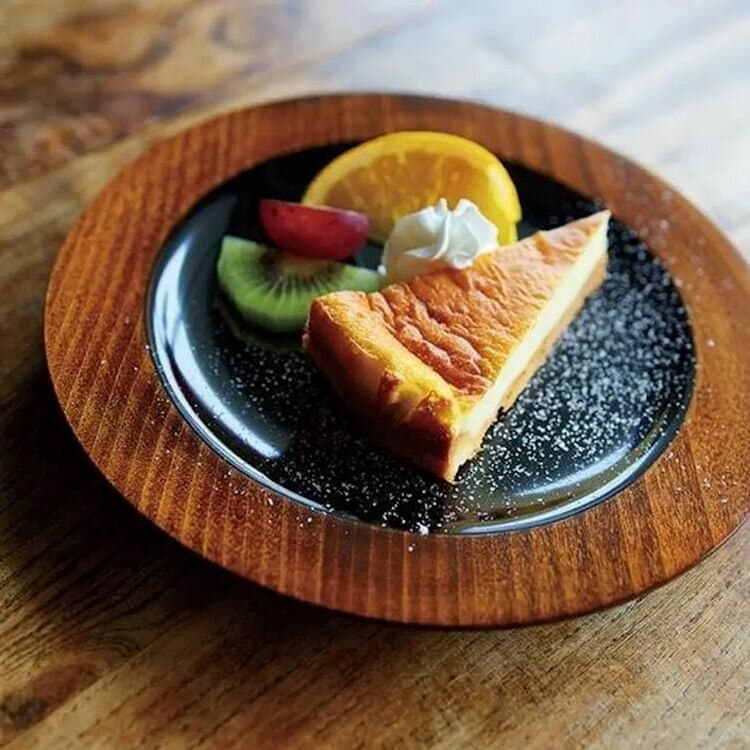
Kagawa Lacquerware Color Dish
香川漆器 カラーディッシュ
21cm / 24cmププ・オンラインショップ
5.0 / 1 reviews
Japanese name香川漆器
Around Takamatsu in Kagawa Prefecture, five lacquer methods turn urushi, colored layers, blades, and household forms into Kagawa lacquerware. Trays, confectionery vessels, boxes, and display shelves carry the craft from tea rooms into daily rooms.
Information last updated yesterday
3 images香川漆器 カラーディッシュ
21cm / 24cmププ・オンラインショップ
5.0 / 1 reviews
 2 images
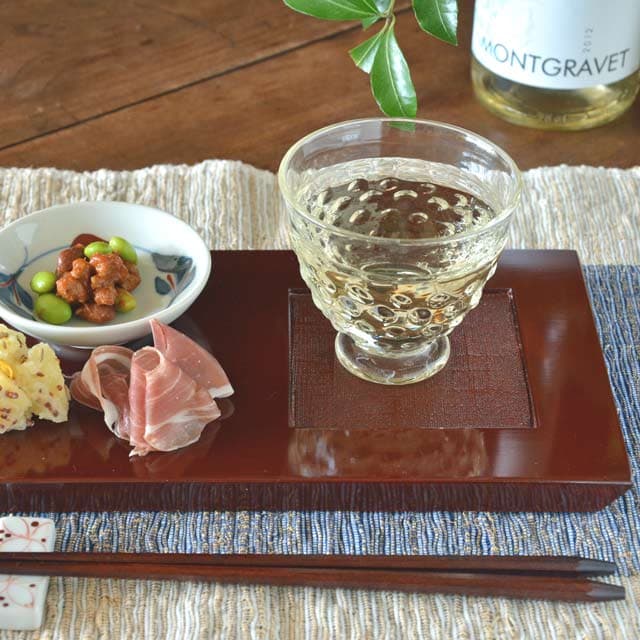
【香川漆器 後藤塗】つむぎ後藤の銘々盆(1枚)
1 piece砥部焼の和食器 【砥部工房 唐草】
5.0 / 1 reviews
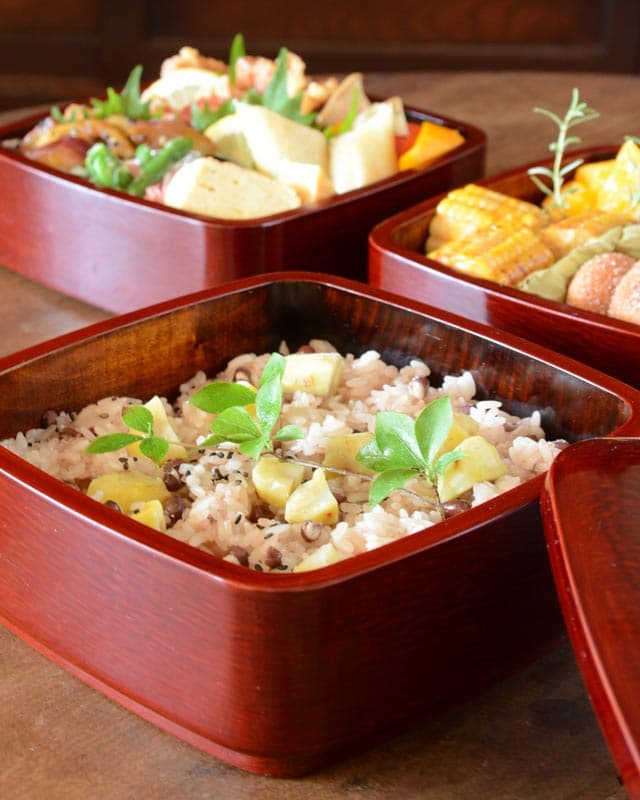
【香川漆器】6寸三段角重(後藤塗)
6-sun, 3-tier砥部焼の和食器 【砥部工房 唐草】
5.0 / 2 reviews
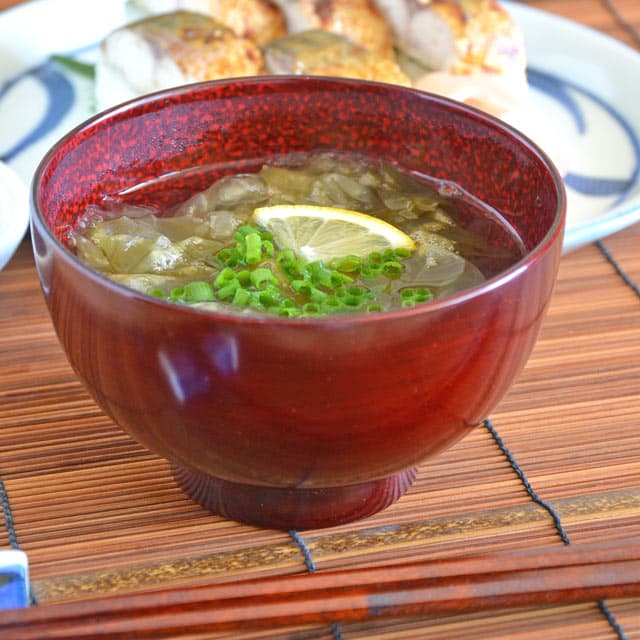
【香川漆器】京型汁椀(後藤塗)
砥部焼の和食器 【砥部工房 唐草】
5.0 / 1 reviews
First time buying on Rakuten? How residents in Japan order →
All 4 listings of this product on Rakuten, lowest price first.
| Listing | Price | Shop | Reviews | Open listing |
|---|---|---|---|---|
Kagawa Lacquerware Kyoto-Style Soup Bowl (Goto-nuri) Lowest price | ¥5,082 | 砥部焼の和食器 【砥部工房 唐草】 | 5.0 / 1 reviews | View on Rakuten → |
Kagawa Lacquerware Goto-nuri Tsumugi Goto Individual Tray 1 piece | ¥6,050 | 砥部焼の和食器 【砥部工房 唐草】 | 5.0 / 1 reviews | View on Rakuten → |
Kagawa Lacquerware Color Dish 21cm / 24cm | ¥9,900 | ププ・オンラインショップ | 5.0 / 1 reviews | View on Rakuten → |
Kagawa Lacquerware 6-Sun Three-Tier Square Jubako (Goto-Nuri) 6-sun, 3-tier | ¥47,190 | 砥部焼の和食器 【砥部工房 唐草】 | 5.0 / 2 reviews | View on Rakuten → |
Japanese · new tab
Kagawa lacquerware is centered on Takamatsu and nearby areas in Kagawa Prefecture. In the Edo period, the Takamatsu domain encouraged tea, flower arrangement, calligraphy, and related arts, giving refined lacquer objects a place in serving, display, and domestic use. The craft is often understood through five named methods: kinma, zonsei, choshitsu, goto-nuri, and zokoku-nuri. Each name points to something visible on the surface: incised lines, colored lacquer, carved layers, vermilion finish, or muted texture.
Kagawa lacquerware is tied to Takamatsu and nearby localities in Kagawa Prefecture. During the Edo period, the Matsudaira family of the Takamatsu domain supported arts such as tea, flower arrangement, and calligraphy, and lacquer objects found places in confectionery vessels, trays, writing boxes, and display shelves.
The local setting becomes concrete through those objects. A tray moves between hands, a confectionery vessel enters a tea setting, and a display shelf gives a lacquered surface a place in a room. The cultural meaning of Kagawa lacquerware rests in these Takamatsu practices and in objects made to be held, placed, stored, and viewed.
Kagawa lacquerware is known through five techniques: kinma, zonsei, choshitsu, goto-nuri, and zokoku-nuri. Kinma begins with lacquer built up on wood or bamboo; a kinma blade cuts the pattern, colored lacquer fills the grooves, and polishing brings the design level with the surface.
Zonsei combines colored-lacquer painting, incised detail, and gold powder. Choshitsu stacks many colored lacquer layers and then carves through them. Goto-nuri builds a vermilion lacquer finish over a prepared base, while zokoku-nuri uses textured wood and makomo powder to create a subdued, aged surface. The five names give readers a practical way to notice line, color, layer, and texture.
The material base is urushi, the sap of the lacquer tree. Freshly gathered sap is called raw lacquer and is used for underlayers; heated lacquer becomes transparent lacquer; minerals or pigments added to transparent lacquer create colored lacquer.
Colored lacquer makes the work visible. In kinma, colored lacquer fills the cut grooves before the surface is polished flat. In choshitsu, the carving exposes colors from the stacked layers beneath. Black lacquer also comes from material behavior: iron powder reacts with the acid in lacquer, and repeated coating gives the black a sense of depth.
Tamakaji Zokoku was born into a Takamatsu family of scabbard lacquerers. While studying in Kyoto, he encountered lacquerware techniques connected with China and Southeast Asia; after returning home, he served the Takamatsu domain and developed methods related to kinma, zonsei, and choshitsu.
The continuity here has clear places and handwork: Takamatsu, Kyoto, and Asian lacquer techniques meet in the work of a named lacquer artisan, then return to local objects and surfaces. The five Kagawa methods are understood through that movement of study, adaptation, and use.
Kagawa lacquerware appears in confectionery vessels, trays, display shelves, writing boxes, utensils, and furniture-related pieces. These forms place lacquer in recognizable rooms and gestures: sweets in a vessel, a tray carried by hand, a writing box used for storage, and a shelf made for viewing.
Technique changes how each object is seen. Kinma asks for close attention to fine lines, choshitsu reveals color through carved layers, and goto-nuri or zokoku-nuri lets vermilion, wood texture, and matte depth settle into everyday forms. The craft’s use context spans serving, storing, displaying, and looking closely.
The Kagawa Lacquerware Research Institute sits within this Takamatsu craft setting and trains students in lacquer techniques. Its display space and hands-on activities connect finished surfaces with the movements behind them: colored lacquer, carving, tools, polishing, and small objects.
Continuity becomes visible in practice. Students learn how lacquer is handled, how lines are cut, how layers are built, and how surfaces are polished; visitors can encounter the material through activities such as chopstick painting and small-plate choshitsu work. Kagawa lacquerware remains active because these techniques are still taught, shown, and handled in Takamatsu.
Kagawa lacquerware can be read from Takamatsu outward, or from a single kinma line, a layer of colored lacquer, a confectionery vessel, or a tray inward. Its history reaches back to the arts environment of the Edo-period Takamatsu domain and to Tamakaji Zokoku’s study and reshaping of lacquer techniques connected with China and Southeast Asia. As the five methods continue through training, workshops, object surfaces, and room use, the craft remains grounded in urushi, blades, color, and daily forms.
Compiled from public records and official sources; see the recognition links below. Details may change over time.
Where this product is officially registered, designated, or recognized in Japan.
Traditional craft
Designated a Traditional Craft (dentō kōgeihin) by Japan's Ministry of Economy, Trade and Industry.
Sources1
It is written as 香川漆器 in Japanese. Search Rakuten and other Japanese sites with that spelling — the English name will not bring up the listings.
Kagawa lacquerware is a lacquerware family centered on Takamatsu and nearby areas in Kagawa Prefecture. It is commonly understood through five techniques: kinma, zonsei, choshitsu, goto-nuri, and zokoku-nuri. Its background includes Edo-period arts patronage in the Takamatsu domain and Tamakaji Zokoku's study and adaptation of lacquer techniques connected with China and Southeast Asia. Urushi sap, colored lacquer, carving, layering, and polishing appear in objects such as trays, confectionery vessels, writing boxes, and display shelves.
Tamakaji Zokoku was born into a Takamatsu scabbard-lacquerer family, studied lacquer techniques connected with China and Southeast Asia, and developed related methods after returning to Takamatsu. During the Edo period, the Matsudaira family of the Takamatsu domain supported arts such as tea, flower arrangement, and calligraphy, creating context for refined lacquer objects. Kinma applies lacquer to wood or bamboo, cuts patterns with a kinma blade, fills the grooves with colored lacquer, and polishes the surface. Urushi is sap from the lacquer tree and can be used as raw lacquer, transparent lacquer, and colored lacquer.
Kagawa lacquerware appears in confectionery vessels and trays used in tea and sweets settings. It also spans everyday tableware and interior objects, including vessels, shelves, and furniture-related pieces. Cultural venues in Takamatsu offer hands-on lacquerware experiences, such as chopstick painting and small-plate choshitsu work.
Porous earthenware is usually given a "medome" treatment first — simmer it gently in rice-rinsing water (or water with a little flour), then cool, rinse, and air-dry. This reduces staining and odour absorption. Porcelain normally just needs a wash. Follow the listing where it says otherwise.
Handmade earthenware, pieces with gold or silver overglaze, and lacquerware generally should not go in a dishwasher, microwave, or heated drying cabinet; heat-resistant porcelain usually can. Check the Rakuten listing for the specific piece.
Most options are shelf-stable, boxed, and travel well, so they suit gifting or bringing home. Confirm the final storage and delivery terms on the Rakuten listing.
On Rakuten: the shops listed here right now are ププ・オンラインショップ, 砥部焼の和食器 【砥部工房 唐草】. We don't sell directly; purchase, payment, stock, and delivery are all handled on the Rakuten product page.