 3 images
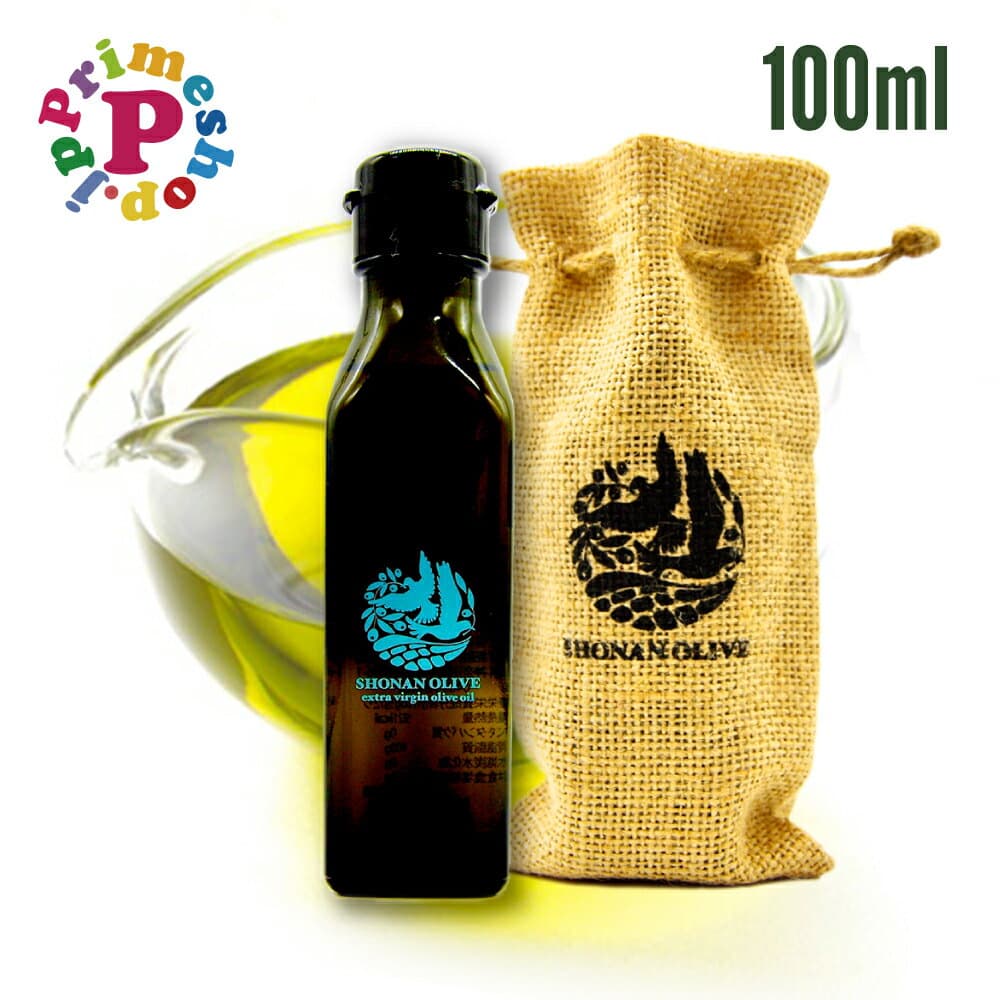
Kanagawa SHONAN OLIVE Shonan Blend Ao 2025 Extra Virgin Olive Oil
神奈川県産 オリーブオイル SHONAN OLIVE 湘南ブレンド 蒼 2025 エキストラバージンオリーブオイル 100ml 湘南 オリーブオイル 国産オリーブオイル 無添加 プライムショップ
100mlプライムショップ by primeshop.jp
Japanese name湘南オリーブオイル
In Kanagawa’s Shonan area, olives grown around Ninomiya are hand-picked and pressed in Hiratsuka within 24 hours, linking warm hillside fields, local farms, and a town crop project.
Information last updated 120 days ago
3 images神奈川県産 オリーブオイル SHONAN OLIVE 湘南ブレンド 蒼 2025 エキストラバージンオリーブオイル 100ml 湘南 オリーブオイル 国産オリーブオイル 無添加 プライムショップ
100mlプライムショップ by primeshop.jp
 3 images
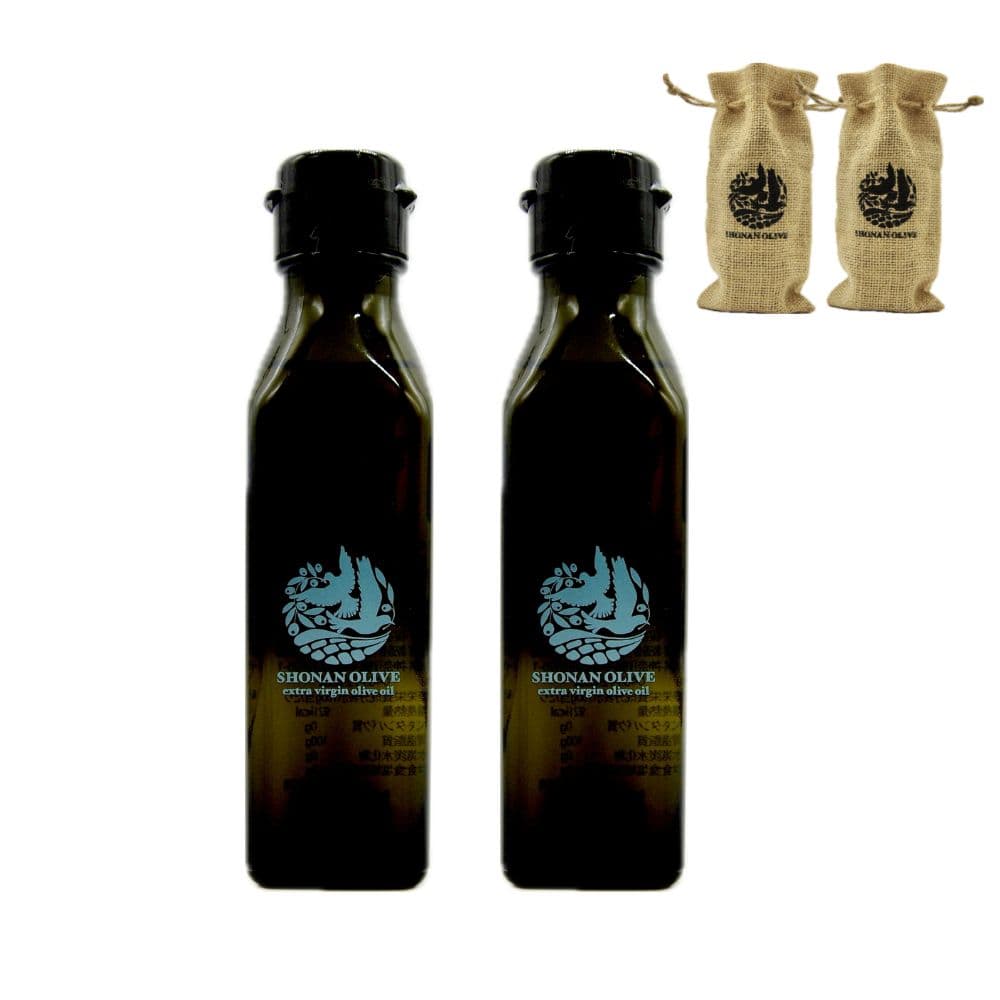
2025年産 SHONAN OLIVE 湘南ブレンド 蒼 エキストラバージンオリーブオイル 100ml×2本 湘南 オリーブオイル 国産オリーブオイル
100ml x 2 bottlesプライムショップ by primeshop.jp
First time buying on Rakuten? How residents in Japan order →
Shonan Olive Oil begins in olive groves around Ninomiya and nearby parts of Kanagawa’s Shonan area. The fields sit in hills between sea and mountains, with views toward Sagami Bay and a town climate known for warmth and long sunshine. At Farm Village Shonan in Nakai, about 4,000 olive trees grow; Universal Farm in Ninomiya has about 600. After harvest, the fruit is carried to a Hiratsuka pressing facility and pressed within 24 hours, turning a small share of each olive into fresh, aromatic oil.
Shonan Olive Oil is built around olives cultivated and harvested in Kanagawa’s Shonan area, with Ninomiya and neighboring communities forming the main setting. The area is described through sea, mountains, Sagami Bay-facing hills, and the warm conditions that Ninomiya has used for a new specialty crop.
The farms make that setting visible. Farm Village Shonan in Nakai has about 4,000 olive trees, and Universal Farm in Ninomiya has about 600. In this setting, local character is concrete: rows of trees on Shonan hills, fields facing Sagami Bay, long sunshine, and farmland being brought into a town crop project.
The name Shonan Olive Oil points to olives grown and harvested in Shonan, then pressed as Shonan-produced oil. Ninomiya Town connects the oil with fruit from Ninomiya and surrounding areas, while the national trademark listing ties the product to olives from Shonan’s sea-and-mountain landscape.
Following that boundary, the oil family is clearest through fruit, farms, and pressing: Shonan-grown olives, Ninomiya and nearby communities, the Hiratsuka press, and farms such as Farm Village Shonan and Universal Farm.
At harvest time, Shonan olives are picked by hand, fruit by fruit. Harvested olives go to a pressing facility in Hiratsuka within 24 hours to maintain freshness. Only about 7% of one olive fruit becomes Shonan Olive Oil.
The 7% figure gives the process a tangible scale. Olives have strong bitterness and are difficult to eat raw, so processing is essential; after pressing, the residue is used as feed or fertilizer. Freshness and aroma come from the practical rhythm of hand-picking, the Hiratsuka facility, the 24-hour window, and the small yield from each fruit.
Ninomiya’s olive work developed through specific farming steps. In Heisei 23, locally grown olive oil drew town interest; in Heisei 24, Ninomiya opened a 17-are trial field in Isshiki and planted 60 trees across seven varieties.
The town also subsidized 974 seedlings for 30 farmers, and later planned collaboration among growers, processors, and sellers through the Shonan Olive Promotion Council. Around Ninomiya, about 30 farms work on olive cultivation, and Shonan Olive Meister figures include Jiro Hamada and Hideo Matsuki. Continuity here is visible in trial plots, seedlings, farm participation, and the commerce association network around the crop.
Shonan olives around Ninomiya also move through local experiences. Olive-field tours, harvest experiences, oil comparison lectures, workshops, and a November event at Shonan Olive no Sato bring fields, fruit, and visitors into the same seasonal setting.
The leaves and branches have their own paths. Local Shonan olives are used for tea and beauty goods, and leaves and branches are used in plant-dyed handmade items; Ninomiya also lists salted olives, foods, cosmetics, and tea among olive uses. If the word culture fits here, it means concrete practices: fruit picked in the field, oil tasted in a lecture, leaves used for dye, and a town crop taking several everyday forms.
The oil family’s shape comes from a tight chain of place and work: Ninomiya’s warm sunshine, groves in Nakai and Ninomiya, hand-picked fruit, the Hiratsuka pressing facility, the 24-hour window, and a yield of about 7% from each olive. From the Isshiki trial field to about 30 participating farms, Shonan’s olive trees give a sea-facing hillside town a new agricultural taste rooted in local fruit.
Compiled from public records and official sources; see the recognition links below. Details may change over time.
Where this product is officially registered, designated, or recognized in Japan.
Regional collective trademark
Registered as a Regional Collective Trademark with the Japan Patent Office.
Sources1
It is written as 湘南オリーブオイル in Japanese. Search Rakuten and other Japanese sites with that spelling — the English name will not bring up the listings.
Shonan olive oil is oil pressed from olives grown and harvested in Kanagawa's Shonan area, mainly around Ninomiya. The olive groves sit on hills facing Sagami Bay, where the climate is warm and sunny, and the fruit is pressed within 24 hours at a Hiratsuka facility to keep it fresh. The project grew from a small trial field in Ninomiya into an effort involving dozens of local farmers.
Farm Village Shonan in Nakai has about 4,000 olive trees, and Universal Farm in Ninomiya has about 600. Shonan olives are hand-picked, and about 7% of each fruit becomes oil, with the pressing residue used as feed or fertilizer. In Heisei 24 (2012), Ninomiya opened a 17-are trial field in Isshiki, planted 60 trees across seven varieties, and subsidized 974 seedlings for 30 farmers. The Ninomiya Brand page lists about 30 farms working on olive cultivation and names Shonan Olive Meister figures such as Jiro Hamada and Hideo Matsuki.
The oil is fresh, highly aromatic extra virgin olive oil suited for tasting with food, and oil comparison lectures let people sample it. Olive leaves and branches are also used to make tea, beauty goods, and plant-dyed handmade items.
Storage varies by product — shelf-stable, refrigerated, or frozen — and is stated on the packaging and the Rakuten listing. Shelf-stable processed foods usually need refrigerating once opened and eating within a few days; chilled and frozen items go straight into storage on arrival. Treat the best-before date on the physical packaging as authoritative.
Most options are shelf-stable, boxed, and travel well, so they suit gifting or bringing home. Confirm the final storage and delivery terms on the Rakuten listing.
On Rakuten: the shops listed here right now are プライムショップ by primeshop.jp. We don't sell directly; purchase, payment, stock, and delivery are all handled on the Rakuten product page.