 3 images
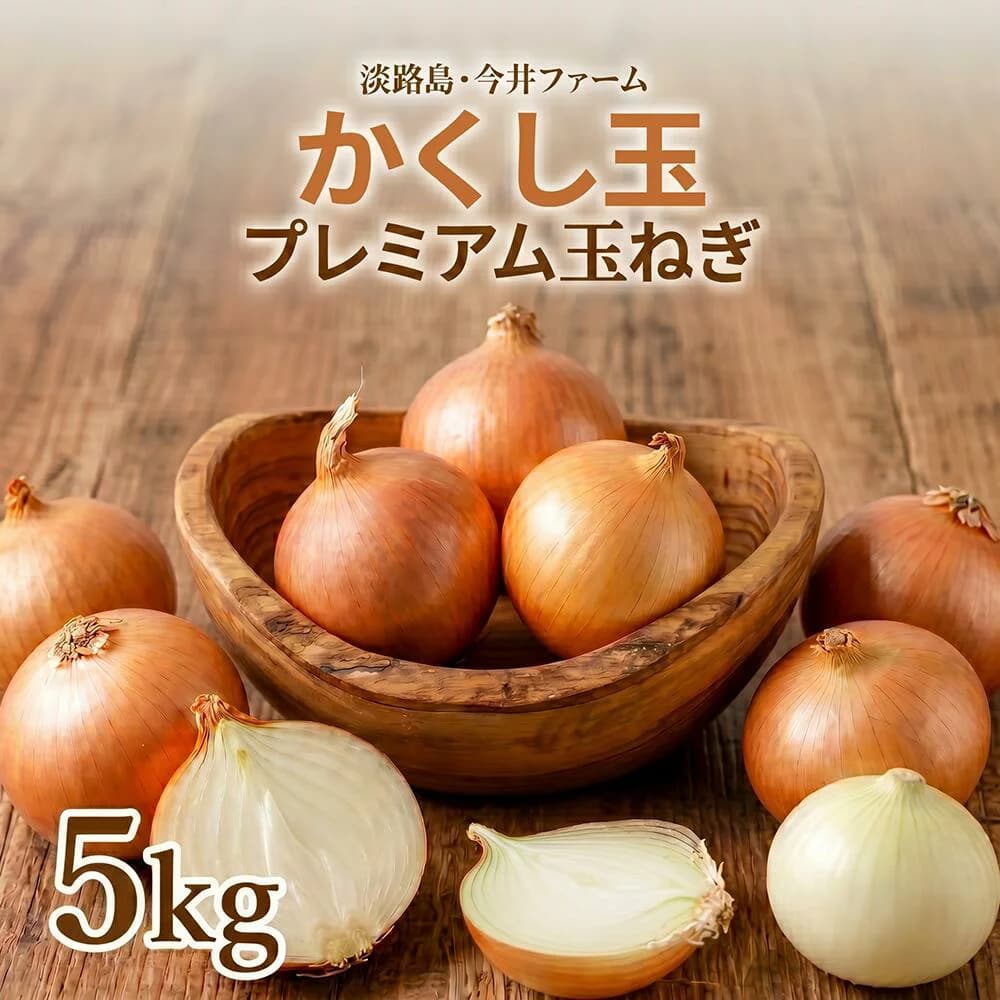
Imai Farm Kakushidama Awaji Island Onions
玉ねぎ 今井ファーム かくし玉5kg【送料無料】淡路島たまねぎ #かくし玉 5K# 淡路島 玉ねぎ 淡路島たまねぎかくし玉 たまねぎ たまねぎ葱 玉ねぎ お試し
5 kg (18-25 onions)淡路島たまねぎ 今井ファーム
4.7 / 1554 reviews
Japanese name淡路島たまねぎ
On Hyogo’s southern island, warm weather, long sunshine, well-drained South Awaji fields, winter growth, and slow drying in onion sheds shape a sweet, soft onion with a gentler bite.
Information last updated 11 hours ago
3 images玉ねぎ 今井ファーム かくし玉5kg【送料無料】淡路島たまねぎ #かくし玉 5K# 淡路島 玉ねぎ 淡路島たまねぎかくし玉 たまねぎ たまねぎ葱 玉ねぎ お試し
5 kg (18-25 onions)淡路島たまねぎ 今井ファーム
4.7 / 1554 reviews
 3 images
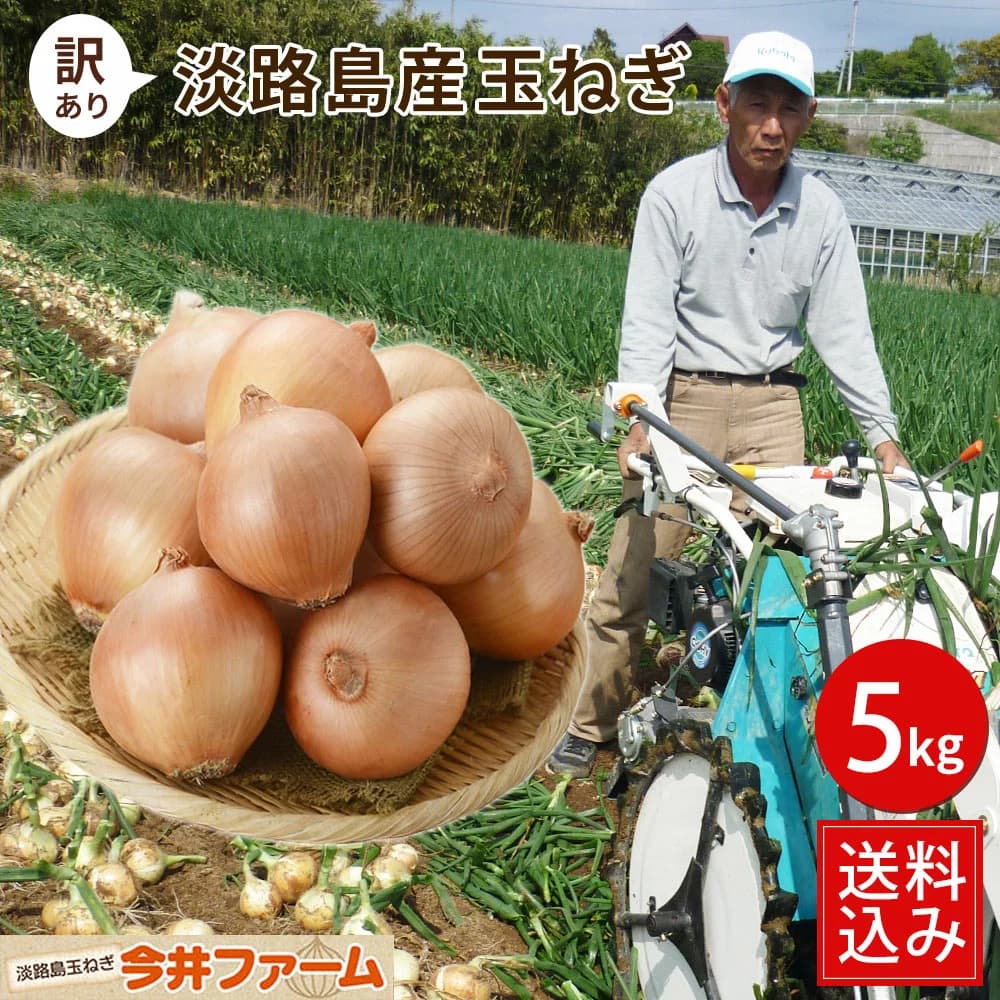
玉ねぎ 【送料無料】【訳あり】淡路島たまねぎ5キロ 【タマネギ】たまねぎ#訳あり淡路玉ねぎ5K# 「淡路島産たまねぎ」 淡路島 玉ねぎ 玉葱 タマネギ たまねぎ たまねぎ葱 玉ねぎ
Imperfect, 5 kg (15-25 onions)淡路島たまねぎ 今井ファーム
4.6 / 2388 reviews
 3 images
玉ねぎ【送料無料】淡路島たまねぎ【訳あり】10キロ サイズ・個数お任せ・ たまねぎ 玉ねぎ タマネギ 淡路たまねぎ #淡路玉ねぎ【訳あり】10K# 玉ねぎ 淡路島 玉ねぎ 今井ファーム 10kg 玉葱 オニオン 美味しい 甘い
imperfect, 10kg (35-50 onions)淡路島たまねぎ 今井ファーム
4.6 / 5297 reviews
First time buying on Rakuten? How residents in Japan order →
Awaji Island onions begin with a precise place: Awaji Island, the long north-south island at the southern end of Hyogo Prefecture. In South Awaji, the Mihara Plain and well-drained fertile soils sit under a warm Setouchi climate, about 16 C annual average temperature, and roughly 1,970 hours of sunshine. Growers sow around September, transplant seedlings in November or December, and wait through winter for a May-June harvest.
Awaji Island sits at Hyogo’s southern edge, where warm Setouchi weather and long sunshine shape fields of onions, rice, fruit, flowers, and livestock farming. The JA Awajishima area around Minamiawaji includes the Mihara Plain, and its well-drained soils give onion roots a steady winter field.
Rainfall averages about 1,289 millimeters a year, with more rain from June to September and less in winter. The local pattern is specific: warmth, sun, drainage, and a winter with fewer heavy rains.
Each crop begins around September, when seed is sown for the next season. Seedlings move into fields in November or December, then stay through the cold months before harvest arrives in May or June; the full growing period lasts about six to seven months.
Onion cultivation on Awaji Island is traced to an 1888 trial in old Kashu Village, now part of Minamiawaji City. After World War II, varieties suited to the island spread more widely, and by 1964 the cultivated area had passed 3,000 hectares.
In South Awaji, onions often follow rice in the same fields. After the rice season, fields are prepared for onions, while livestock manure is used for soil building; rice, onions, and cattle farming are tied together in the year’s farm work.
This production cycle of rice, onions, and manure-based soil building has lasted for more than a century. It turns the South Awaji field into a year-round sequence: rice season, onion season, and soil preparation returning to the ground.
After harvest, onions may be hung in local onion sheds. Natural wind moves through the sheds and dries the onions slowly, a step connected with stronger sweetness and deeper color.
Some onions go into large cold storage from mid-July through August. Storage helps maintain quality, so onions harvested in May and June can keep their condition into autumn, winter, and early spring.
When sautéed, Awaji Island onions have a total sugar figure of about 9 to 10%. Pyruvic acid, which relates to pungency, is lower than in the compared onions; the texture is also described as soft, which makes the sweetness easier to notice after cooking.
These traits are tied to the field calendar. Six to seven months of growth, variety selection, and slow natural drying in onion sheds all sit behind the sweet, soft, lower-pungency profile.
Early varieties are used for raw sliced salads and dressings, where mild pungency and sweetness matter. Late varieties move into heated dishes such as onion steak and onion soup, where cooking draws out sweetness and soft texture.
From the May-June harvest to onion-shed drying and cold storage, the eating season stretches beyond the field. Awaji Island onions show two clear faces at the table: crisp raw slices and warm dishes that turn steadily sweeter.
To follow Awaji Island onions is to follow Hyogo’s southern island, September seed, November-December transplanting, May-June harvest, and natural wind moving through onion sheds. Rice fields, manure-based soil building, and cold storage all belong to the same South Awaji farming year, gathered into an onion known for sweetness, softness, and gentler pungency.
Compiled from public records and official sources; see the recognition links below. Details may change over time.
Where this product is officially registered, designated, or recognized in Japan.
Regional collective trademark
Registered as a Regional Collective Trademark with the Japan Patent Office.
Sources1
It is written as 淡路島たまねぎ in Japanese. Search Rakuten and other Japanese sites with that spelling — the English name will not bring up the listings.
Awaji onions are grown on Awaji Island at the southern tip of Hyogo Prefecture, in the Mihara Plain area of South Awaji. Well-drained soils, a warm climate, and long sunshine support a cycle of September sowing, November-December transplanting, and May-June harvest. Afterward, onions may be dried slowly in onion sheds by natural wind, with cold storage extending the season. The onions are known for sweetness, softness, and lower pungency.
Production is centered on South Awaji City and the JA Awajishima area. South Awaji has an average annual temperature of about 16 C, roughly 1,970 hours of sunshine, and about 1,289 mm of annual rainfall. Onion cultivation on Awaji Island traces to an 1888 trial in old Kashu Village, now Minamiawaji City; after postwar variety improvement, cultivated area exceeded 3,000 hectares by 1964. In South Awaji, rice cultivation, onion growing, and manure-based soil building form a production cycle described as more than 100 years old.
Early varieties are used raw, in sliced salads and dressings. Late varieties are used in heated dishes such as onion steak and onion soup. Drying and cold storage after the May-June harvest allow shipments to continue into later months.
Storage varies by product — shelf-stable, refrigerated, or frozen — and is stated on the packaging and the Rakuten listing. Shelf-stable processed foods usually need refrigerating once opened and eating within a few days; chilled and frozen items go straight into storage on arrival. Treat the best-before date on the physical packaging as authoritative.
Most options are shelf-stable, boxed, and travel well, so they suit gifting or bringing home. Confirm the final storage and delivery terms on the Rakuten listing.
On Rakuten: the shops listed here right now are 淡路島たまねぎ 今井ファーム. We don't sell directly; purchase, payment, stock, and delivery are all handled on the Rakuten product page.