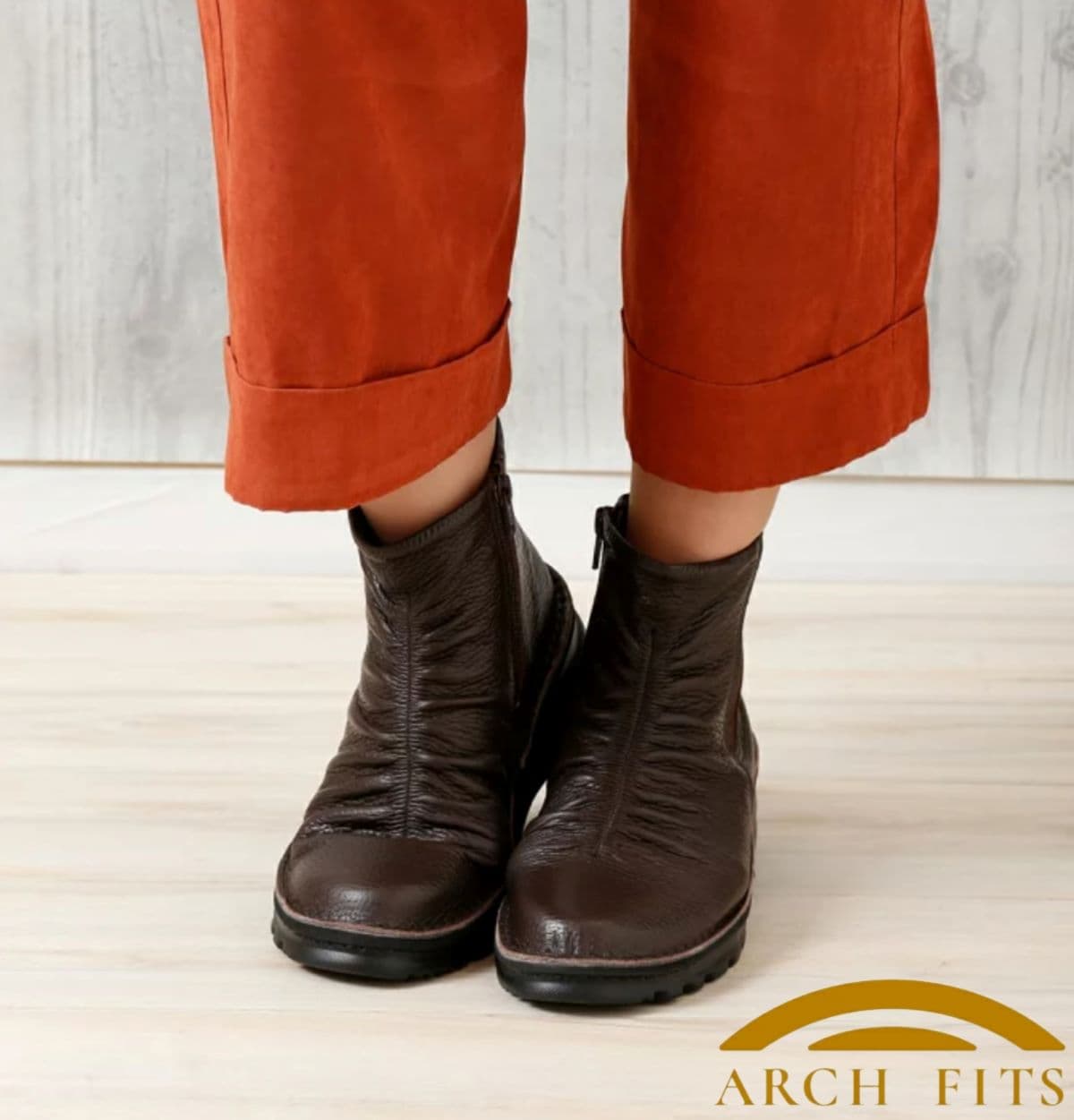
Kobe Shoes A7032 Women's Genuine Leather Double-Zip Comfort Short Boots
【全品ポイント5倍】【外反母趾の方でも履けるゆったりブーツ】 コンフォートブーツ ショートブーツ 婦人靴 レディース 日本製 本革 幅広 送料無料 履きやすい 歩きやすい 21.5cm 25cm 神戸シューズ 痛くない 疲れない 外反母趾 4E 甲高 らくちん A7032
4E wide fitARCH FITS
4.6 / 164 reviews
Japanese name神戸シューズ
From raw rubber entering Kobe Port to cutting, sewing, and 0.25 cm sizing in Nagata, Kobe Shoes carry the district’s material shifts into everyday wear.
Information last updated 119 days ago
【全品ポイント5倍】【外反母趾の方でも履けるゆったりブーツ】 コンフォートブーツ ショートブーツ 婦人靴 レディース 日本製 本革 幅広 送料無料 履きやすい 歩きやすい 21.5cm 25cm 神戸シューズ 痛くない 疲れない 外反母趾 4E 甲高 らくちん A7032
4E wide fitARCH FITS
4.6 / 164 reviews
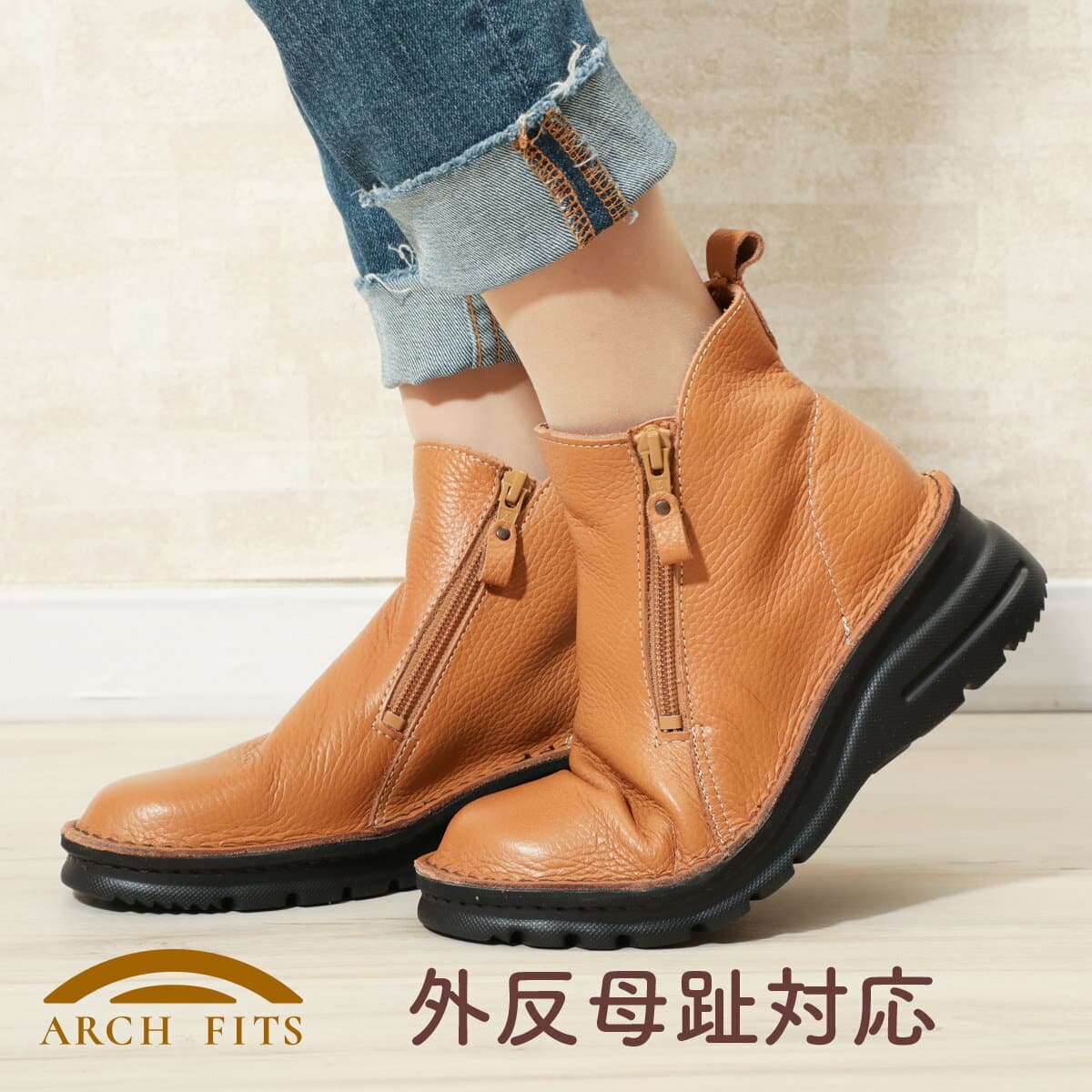
【全品ポイント5倍】【アーチにこだわった足に優しい靴】ARCH FITS コンフォートブーツ 婦人靴 レディース ショートブーツ 4E 撥水 日本製 本革 履きやすい 歩きやすい スマート 靴 オシャレ 軽い 秋 冬 シンプル21.5cm 25cm 神戸シューズ A0026
4E wide fit, 21.5-25 cmARCH FITS
4.6 / 20 reviews
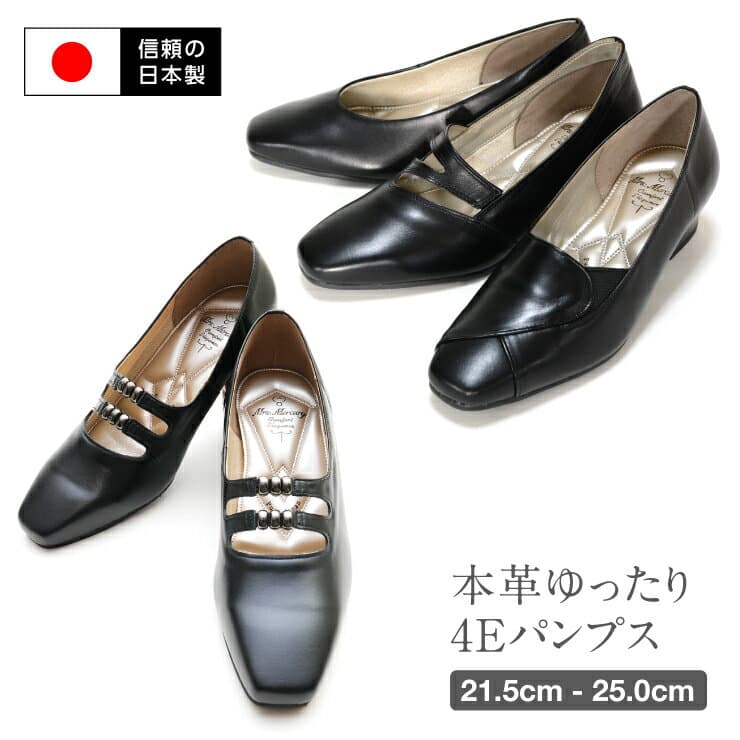
【送料無料】【日本製】Mrs.Mercury 神戸シューズ 本革 日本製 ゆったり4Eパンプス ミセスマーキュリー 太ヒール 外反母趾 幅広 クッションインソール リクルート スーツ 就活 入学式 冠婚葬祭 フォーマル Ark-Shoes nm-3112 3120 3125 3116 [mother] [lowheel]
4E wide fitArk-Shoes
4.8 / 12 reviews
First time buying on Rakuten? How residents in Japan order →
Kobe Shoes are rooted in the Nagata area of Kobe. Raw rubber came through Kobe Port, rubber industry grew in the city from the Meiji period, and rubber-shoe making began in the Taisho period. Nagata later became one of Japan’s major shoe-manufacturing clusters; shoe-related shipments from the ward account for a large share of Kobe’s total, and the district’s workshops, materials, and maker skills still shape the shoes made under the Kobe name.
The shoe district of Nagata begins with a port and factory work, not a display window. As raw rubber came into Kobe Port, rubber manufacturing developed in the city; Kobe Dunlop Rubber was established in 1909, demand for rubber grew around the First World War, and rubber factories were built one after another in Nagata during the 1920s.
Those factories helped Nagata and nearby Suma gather makers of rubber footwear and related goods with a strong workshop character. The phrase “shoe town Nagata” points to this 20th-century continuity: rubber shoes, boots, and later chemical shoes all grew from the same western Kobe manufacturing area.
After the Second World War, rubber became hard to obtain, and shortages pushed makers in Nagata to work with substitute materials. Around 1952, shoes using vinyl sheet were devised in Kobe’s Nagata area; because they used chemical materials, they came to be known as chemical shoes.
The change was larger than a new material label. By around 1955, improvements in materials, adhesive development, and processing research had accumulated enough for the product base to take shape. Synthetic leather, cloth, and rubber soles gave Nagata’s shoe industry a new form after the postwar shortage.
Kobe’s chemical shoes began from synthetic materials and rubber soles, then broadened as production techniques improved and design skills developed. Shoemaking in the area expanded to leather footwear as well, and Kobe City describes the shift as a move from a chemical-shoe district to a wider shoe-producing district. Makers centered around Nagata now promote Kobe-made domestic footwear as Kobe Shoes.
The name is tied to more than a place label. Kobe Shoes must originate in Kobe and meet standards for work such as cutting and sewing; participating makers emphasize design, fashion character, safety, function, and comfort. The tradition here is concrete: material choice, upper cutting, stitching, and the way the shoe feels on the foot.
A pair of Kobe Shoes rests on several practical conditions: Kobe origin, cutting and sewing that meet set standards, and checks for durability, appearance, and strength. These conditions turn a broad word like quality into judgments about the upper, sole, adhesive work, stitching, and finished look.
The regional brand framework sits in the background; what reaches the wearer’s foot is the accumulated technique of Nagata-area makers and the working boundary of domestic production. Safety, function, and design are measured together in one pair of shoes, so the Kobe name carries a specific way of making and checking footwear.
The 1995 Great Hanshin-Awaji Earthquake severely damaged Nagata’s shoe industry. The ward, already known for its concentration of shoe-related shipments, faced reconstruction after the earthquake alongside the effects of the bubble economy’s collapse and the movement of production overseas.
In 2000, Shoes Plaza was completed in Hosoda-cho to support recovery and revitalize Nagata as a shoe town. Industry facilities, local activities, and training efforts kept shoemaking present in the district, carrying forward the memory of rubber work and chemical shoes into post-earthquake Nagata.
The recent Kobe Shoes Premium Line makes fit visible through precise sizing. It aims for a close fit that does not tire the wearer even after long use, sets sizes in 0.25 cm increments, and allows different sizes for the left and right foot.
That detail returns the shoes to daily movement: Japanese foot shape, long hours of walking, and left-right differences all affect whether a shoe feels comfortable. Nagata has also seen shoes made for people with concerns such as bunions and flat feet, turning comfort from a general word into measurements, sizing, and construction choices.
The clearest clues to Kobe Shoes remain concrete: Nagata as a district, raw rubber through Kobe Port, vinyl sheet and synthetic leather around 1952, cutting and sewing standards, and 0.25 cm sizing. Together they show how one shoe-producing area kept making footwear for everyday walking through material shortages, industrial change, and post-earthquake rebuilding.
Compiled from public records and official sources; see the recognition links below. Details may change over time.
Where this product is officially registered, designated, or recognized in Japan.
Regional collective trademark
Registered as a Regional Collective Trademark with the Japan Patent Office.
Sources1
It is written as 神戸シューズ in Japanese. Search Rakuten and other Japanese sites with that spelling — the English name will not bring up the listings.
Kobe Shoes are Kobe-made domestic shoes led by makers around Nagata in Kobe. Their background includes raw rubber entering Kobe Port, rubber factories in Nagata during the 1920s, the chemical-shoe turn around 1952 using vinyl sheet and synthetic leather, and current standards covering Kobe origin, cutting, sewing, checks, design, function, and comfort.
Kobe Shoes are centered on makers around Kobe’s Nagata area, a major Japanese shoe-manufacturing cluster. Raw rubber entering Kobe Port helped Kobe’s rubber industry grow, and rubber factories were built in Nagata during the 1920s. Around 1952, makers in Nagata began using vinyl sheet and related materials for shoes, marking the start of chemical shoes. By around 1955, material improvements, adhesive development, and processing research had established the product base for chemical shoes.
Keep craft pieces out of direct sunlight, damp, and sharp temperature swings, and store them where they won't knock against anything. Wood, bamboo, lacquer, and paper don't tolerate water — wipe any moisture off immediately. Specific care notes are on the listing.
Most options are shelf-stable, boxed, and travel well, so they suit gifting or bringing home. Confirm the final storage and delivery terms on the Rakuten listing.
On Rakuten: the shops listed here right now are ARCH FITS, Ark-Shoes. We don't sell directly; purchase, payment, stock, and delivery are all handled on the Rakuten product page.