 3 images
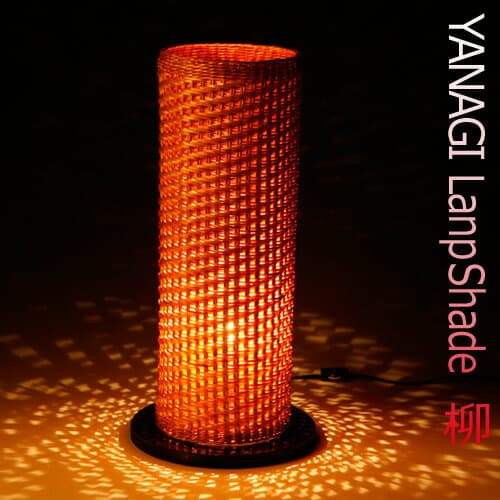
Takumi Kogei Willow Light Cylindrical Lamp, Toyooka Kiryu Zaiku
柳の灯り 円筒型(中)柿渋 豊岡杞柳細工 送料無料 たくみ工芸
medium, persimmon tannin finishあるまま
Japanese name豊岡杞柳細工
In Toyooka, Hyogo, kōriyanagi willow is prepared into pale white material and woven into willow kōri, baskets, travel containers, lunch-box forms, and present-day willow bags.
Information last updated yesterday
3 images柳の灯り 円筒型(中)柿渋 豊岡杞柳細工 送料無料 たくみ工芸
medium, persimmon tannin finishあるまま
 3 images
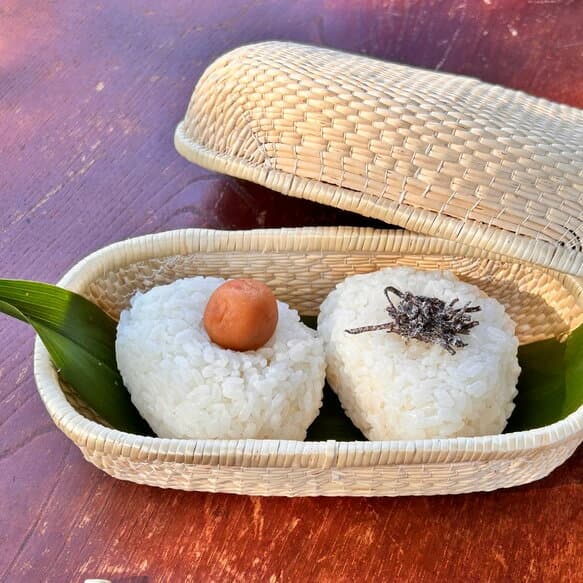
飯行李 めしごうり おにぎり入れ お弁当箱 豊岡杞柳細工 柳行李 \全国送料無料/
with plum-knot bento bandあるまま
 3 images
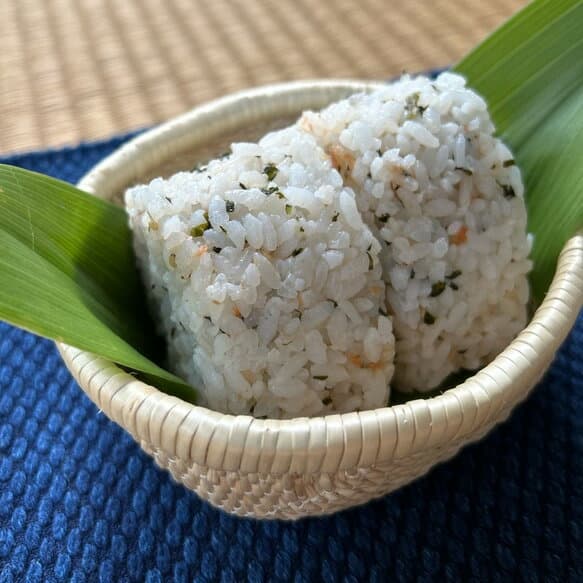
飯行李(丸型)梅結びのお弁当バンド付き めしごうり おにぎり入れ お弁当箱 豊岡杞柳細工 柳行李 \全国送料無料/
round, approx. 13 x 7 cmあるまま
 3 images
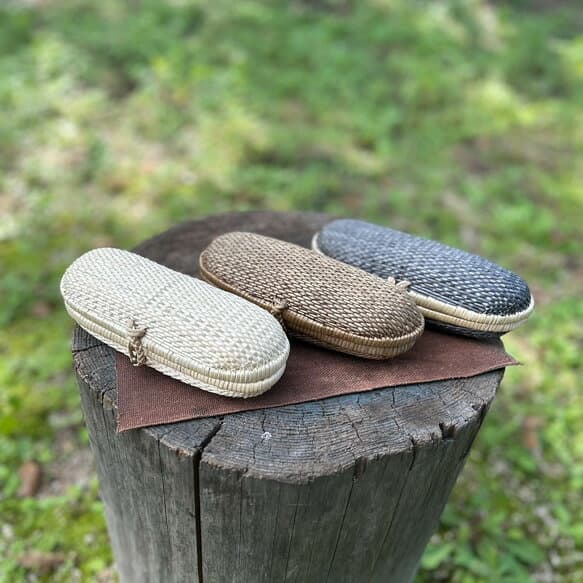
柳で編んだ メガネケース 眼鏡入れ 天然素材 軽くて丈夫 豊岡杞柳細工 柳行李 \全国送料無料/
あるまま
First time buying on Rakuten? How residents in Japan order →
All 4 listings of this product on Rakuten, lowest price first.
| Listing | Price | Shop | Reviews | Open listing |
|---|---|---|---|---|
Toyooka Kiryu Wickerwork Round Rice Basket with Plum-Knot Bento Band round, approx. 13 x 7 cmLowest price | ¥20,580 | あるまま | View on Rakuten → | |
Toyooka Kiryu Wickerwork Willow Rice Lunch Box with Plum-Knot Band with plum-knot bento band | ¥24,980 | あるまま | View on Rakuten → | |
Toyooka Kiryu Willow Craft Woven Glasses Case | ¥28,280 | あるまま | View on Rakuten → | |
Takumi Kogei Willow Light Cylindrical Lamp, Toyooka Kiryu Zaiku medium, persimmon tannin finish | ¥66,000 | あるまま | View on Rakuten → |
Japanese · new tab
Toyooka kiryū craft begins around Toyooka in Hyogo, where kōriyanagi willow is linked with the Maruyama River landscape. The material bends with softness while keeping enough firmness to hold a woven shape, then it is cut, set, peeled, washed, and sun-dried into pale willow. The same handwork once made containers for clothing, books, lunches, and travel gear; later forms include kōri bags, willow-and-rattan baskets, shopping baskets, small cases, lampshades, and willow bags.
Toyooka kiryū craft is rooted in Toyooka and in kōriyanagi that grows in conditions associated with the Maruyama River. The riverbank setting matters in practical terms: the willow provides a material that can bend while holding the shape of baskets, storage cases, and bags.
Frequent Maruyama River flooding and unstable rice harvests form part of the local background for basketmaking in Toyooka. People turned to kōriyanagi suited to the climate and river ground, and the result was a working link between water-shaped land, willow growth, and handwoven containers.
Before a strip can be woven, kōriyanagi goes through seasonal preparation. Cut willow is temporarily set, peeled, washed, and dried in the sun, becoming ivory-toned white willow with a glossy, warm surface.
That preparation changes a riverbank plant into material ready for the hand. Some makers keep the whole route inside one practice, from cultivating kōriyanagi to finishing the work, so the final object carries the sequence of growing, preparing, weaving, and edging.
Willow kōri making follows a clear order of tools and movements. The maker selects willow, soaks it before weaving, prepares hemp-thread strings on a bamboo bow, inserts willow alternately, and weaves while controlling each strip and the tension of the thread.
The shape is then raised with a mallet and form, the corners are sewn with hemp thread, and bamboo edging wrapped in rattan skin is fitted along the rim. Sulfur smoking gives a bleaching effect and is used for insect- and moisture-resistant qualities, linking the pale surface to the container’s everyday durability.
Willow kōri belonged close to household storage. Long kōri and document kōri were used for clothing and books, while meishi kōri and related forms served as lunch-box containers.
In the Edo period, Toyooka willow containers also went on the road. Daimyo processions, merchants, Toyama medicine sellers, and people visiting Ise used willow kōri as travel gear; names such as medicine-seller kōri, ledger kōri, and small-goods kōri point to the person carrying the box and the objects placed inside.
Toyooka willow work kept changing with daily needs. In the Meiji period, hand-carried kōri bags appeared; willow-and-rattan baskets followed, wartime production included military kōri and lunch kōri, and postwar recovery centered on shopping baskets and colorful lacquered products.
Today the technique appears in willow bags, baskets, storage cases, eyeglass cases, and lampshades. In 1992, Toyooka kiryū craft received a national traditional craft designation, a context that gathers Toyooka, kōriyanagi, hand weaving, and changing everyday objects under the same name.
Toyooka also keeps the work moving through successor classes for local residents. The program runs roughly from June to March, with about 20 sessions a year, and teaches the path from kōriyanagi cultivation to basket finishing.
As of 2026, five of eight traditional craft specialists serve as instructors for about 30 students. The lessons are concrete: tending willow, preparing material, weaving the basket, applying the edge, and completing the finished piece.
Toyooka kiryū craft is easiest to understand through its objects and motions: kōriyanagi from the Maruyama River area, ivory-colored willow, hemp-thread bows, bamboo edging, mallet shaping, and sulfur smoking. The same craft once held clothing, books, lunches, and travel goods, then moved into kōri bags, baskets, shopping baskets, and willow bags. In Toyooka’s classrooms, the line continues through hands that learn the plant, the weave, and the finish together.
Compiled from public records and official sources; see the recognition links below. Details may change over time.
Where this product is officially registered, designated, or recognized in Japan.
It is written as 豊岡杞柳細工 in Japanese. Search Rakuten and other Japanese sites with that spelling — the English name will not bring up the listings.
Toyooka willow craft is willow work linked to Toyooka, Hyogo, and kōriyanagi from the Maruyama River area. The willow is soft yet moderately firm, and it is cut, set, peeled, washed, and sun-dried into pale material. Willow kōri making can involve hemp-thread bamboo bows, mallet shaping, bamboo edging, and sulfur smoking. The resulting objects have served as clothing and book storage, lunch boxes, travel gear, and today also baskets and willow bags.
During the Edo period, willow kōri were used by daimyo, merchants, and common travelers for sankin-kōtai, trade, and pilgrimages such as visits to Ise. Willow kōri making can also include soaking, alternating willow insertion, and hemp-thread sewing before the bamboo edging is added. Toyooka kiryū craft later appeared in kōri bags, willow-and-rattan baskets, and, after the war, shopping baskets and colorfully lacquered products. Storage forms included long kōri and document kōri.
Willow kōri were used at home for storing clothing and books. Meishi kōri has long served as a bento (lunch box). The craft is also applied to smaller daily items such as eyeglass cases and lampshades.
Keep craft pieces out of direct sunlight, damp, and sharp temperature swings, and store them where they won't knock against anything. Wood, bamboo, lacquer, and paper don't tolerate water — wipe any moisture off immediately. Specific care notes are on the listing.
Most options are shelf-stable, boxed, and travel well, so they suit gifting or bringing home. Confirm the final storage and delivery terms on the Rakuten listing.
On Rakuten: the shops listed here right now are あるまま. We don't sell directly; purchase, payment, stock, and delivery are all handled on the Rakuten product page.