 3 images
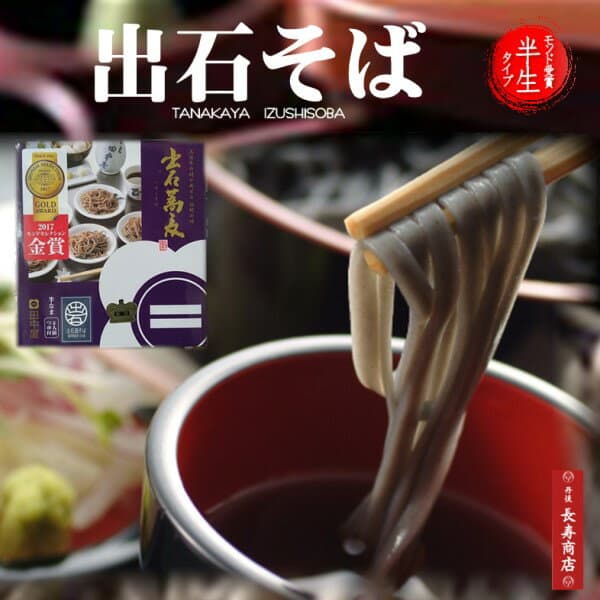
Tanakaya Foods Izushi Semi-Fresh Soba with Tsuyu
父の日 ギフト【出石そば】簡単つゆ付 半生そば/6人前【田中屋食品】【モンドセレクション金賞】【父の日 贈り物】【そば 父の日】【御挨拶 ギフト】【引越し 御挨拶】【出石蕎麦】【年越しそば 送料無料】【父の日 そば】【お歳暮 ギフト】【ご挨拶 贈り物】
6 servings, tsuyu included丹後長寿商店-スイーツ・米・蟹-
4.5 / 313 reviews
Japanese name出石そば
In Izushi-cho, Toyooka City, five small plates, tokkuri sauce, grated yam, egg, green onion, and wasabi turn buckwheat noodles into a measured castle-town meal.
Information last updated 120 days ago
3 images父の日 ギフト【出石そば】簡単つゆ付 半生そば/6人前【田中屋食品】【モンドセレクション金賞】【父の日 贈り物】【そば 父の日】【御挨拶 ギフト】【引越し 御挨拶】【出石蕎麦】【年越しそば 送料無料】【父の日 そば】【お歳暮 ギフト】【ご挨拶 贈り物】
6 servings, tsuyu included丹後長寿商店-スイーツ・米・蟹-
4.5 / 313 reviews
 3 images
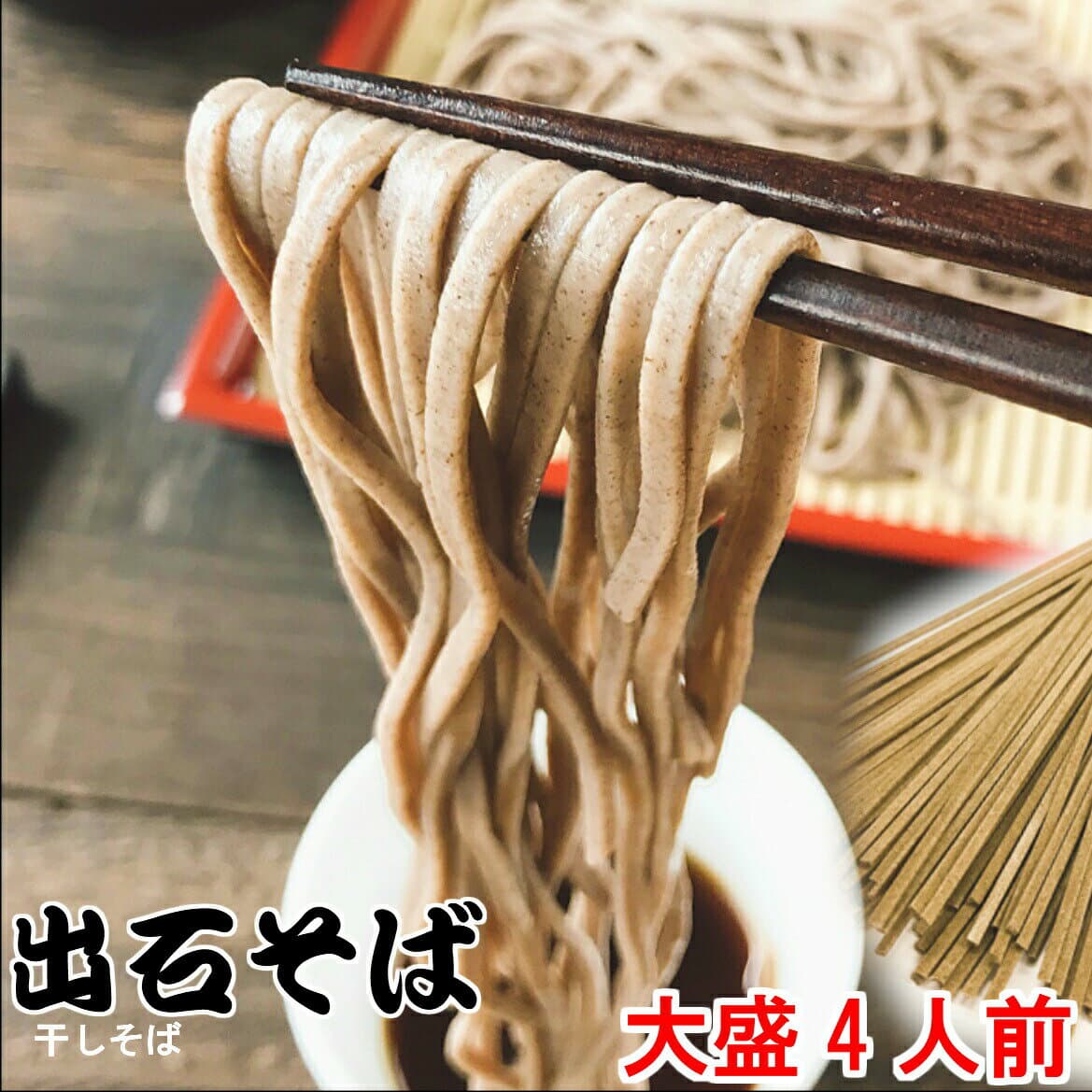
年越しそば 出石本陣 出石そば 乾麺 120g×4袋 そばつゆ付 4人前 ギフト お取り寄せ 食べ物 御歳暮 干しそば 年越し 年越そば お土産 兵庫県 但馬 そば処 出石 本陣 ギフト 贈り物 お歳暮 乾麺
120g x 4 packs, tsuyu included黒豆とご飯のお供 八庵-はちあん
4.6 / 28 reviews
First time buying on Rakuten? How residents in Japan order →
Izushi soba in Izushi-cho, Toyooka City, is most visible as Izushi sara soba: buckwheat noodles divided onto small white plates, served with dipping sauce in a tokkuri and condiments at the side. Five plates make one serving, and the meal moves from the first taste of sauce to noodles, toppings, and a final cup of sobayu.
The table begins with soba portioned onto small white plates, with five plates counted as one serving. A tokkuri holds the dipping sauce, a small cup receives it, and the side dishes include egg, grated yam, green onion, grated daikon, and wasabi. The plates are about 13 centimeters across, and white Izushi-yaki ware forms part of the recognizable setting.
The usual origin point is 1706, when Sengoku Masaaki moved from Ueda in Shinshu to Izushi. Soba craftspeople who came with the move brought Shinshu techniques, and those methods joined the local way of making noodles. Over more than three centuries, the small plates, sauce, and handmade noodles became the form now associated with Izushi.
The small-plate style is said to have taken shape around the late Edo period, when shallow hand-salt plates were convenient for serving soba from stalls. Later, as Izushi-yaki developed, white small plates became the settled presentation. Instead of arriving as one large bowl, the noodles appear in separate portions that invite a plate-by-plate meal.
Izushi sara soba is made with buckwheat flour and a wheat-flour binder. The craft centers on three fresh steps: freshly milled flour, freshly made noodles, and freshly boiled soba. Because the dish is eaten through the year in Izushi-area restaurants, that rhythm belongs as much to ordinary meals as to seasonal occasions.
The eating sequence starts with the sauce. It is poured into the small cup and tasted first, then used with plain soba. Green onion and wasabi bring a sharper plate, while grated yam or egg softens the next one. At the end, sobayu is poured into the cup so the remaining sauce becomes the final warm sip.
Izushi has around 40 soba shops, so the white plates and tokkuri appear throughout the castle town rather than at a single maker’s table. A new-soba festival in November and a sara-soba eating event in April keep the dish on the local calendar, linking fresh noodles, plate counts, and shared meals in town.
Izushi soba connects a place name, a set of plates, and a way of eating. From the Shinshu techniques brought in 1706 to late-Edo stall plates, white Izushi-yaki ware, five-plate servings, and the final sobayu, Izushi-cho keeps soba visible, countable, and changeable one small plate at a time.
Compiled from public records and official sources; see the recognition links below. Details may change over time.
Where this product is officially registered, designated, or recognized in Japan.
Regional collective trademark
Registered as a Regional Collective Trademark with the Japan Patent Office.
Sources1
It is written as 出石そば in Japanese. Search Rakuten and other Japanese sites with that spelling — the English name will not bring up the listings.
Izushi soba is a local buckwheat-noodle dish from Izushi-cho, Toyooka City, Hyogo, typically served as Izushi sara soba. Noodles go onto small white plates about 13 centimeters across; five plates make one serving, with sauce in a tokkuri and condiments such as egg, grated yam, green onion, grated daikon, and wasabi. Accounts often trace it to a 1706 move from Ueda in Shinshu to Izushi, then to late-Edo stall plates, Izushi-yaki ware, and freshly milled, freshly made, freshly boiled soba.
Izushi sara soba uses buckwheat flour with a wheat-flour binder. The origin story names Sengoku Masaaki, who moved from Ueda in Shinshu to Izushi in 1706, with soba craftspeople bringing techniques. The small-plate style is linked to late-Edo stall service using shallow hand-salt plates, later set by white Izushi-yaki plates. Izushi has around 40 soba shops.
The usual sequence is to taste the sauce, eat the noodles plain, add green onion and wasabi, then grated yam or egg, and finish with sobayu. It is eaten regardless of season and served in Izushi-area restaurants.
Storage varies by product — shelf-stable, refrigerated, or frozen — and is stated on the packaging and the Rakuten listing. Shelf-stable processed foods usually need refrigerating once opened and eating within a few days; chilled and frozen items go straight into storage on arrival. Treat the best-before date on the physical packaging as authoritative.
Most options are shelf-stable, boxed, and travel well, so they suit gifting or bringing home. Confirm the final storage and delivery terms on the Rakuten listing.
On Rakuten: the shops listed here right now are 丹後長寿商店-スイーツ・米・蟹-, 黒豆とご飯のお供 八庵-はちあん. We don't sell directly; purchase, payment, stock, and delivery are all handled on the Rakuten product page.