 3 images
Fresh Handmade Izushi Sara Soba
【クール便】本格手打ちそば!出石皿そば(生)4人前【手打ち生蕎麦、そば通販、お歳暮、贈答、ご自宅用に♪】美味しい蕎麦をお召し上がり頂きたいため、到着日、時間をご記入下さい。@
4 servingsメイドインたんたん
5.0 / 1 reviews
Japanese name出石皿そば
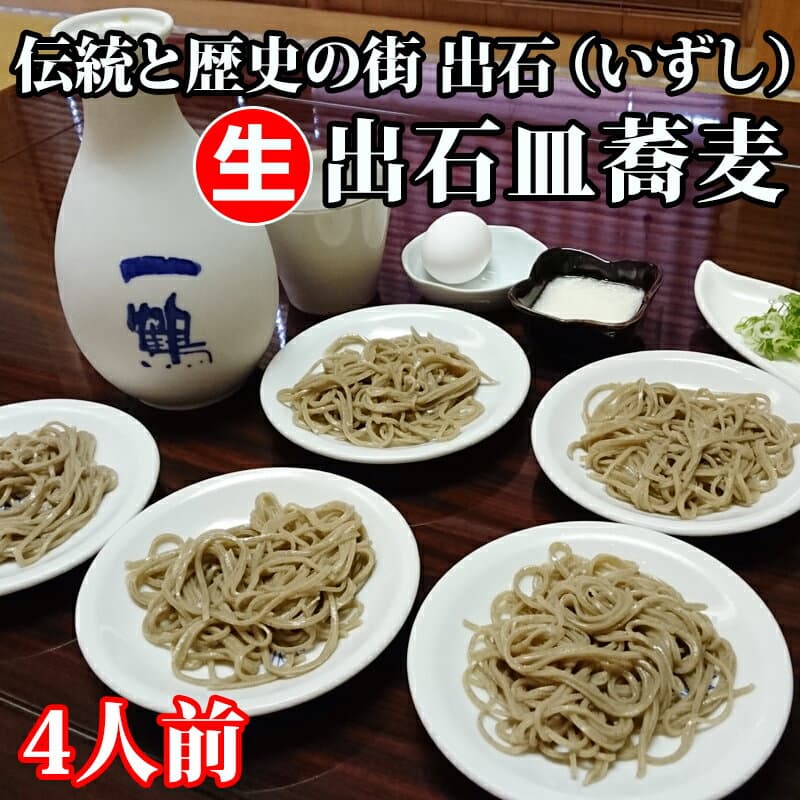
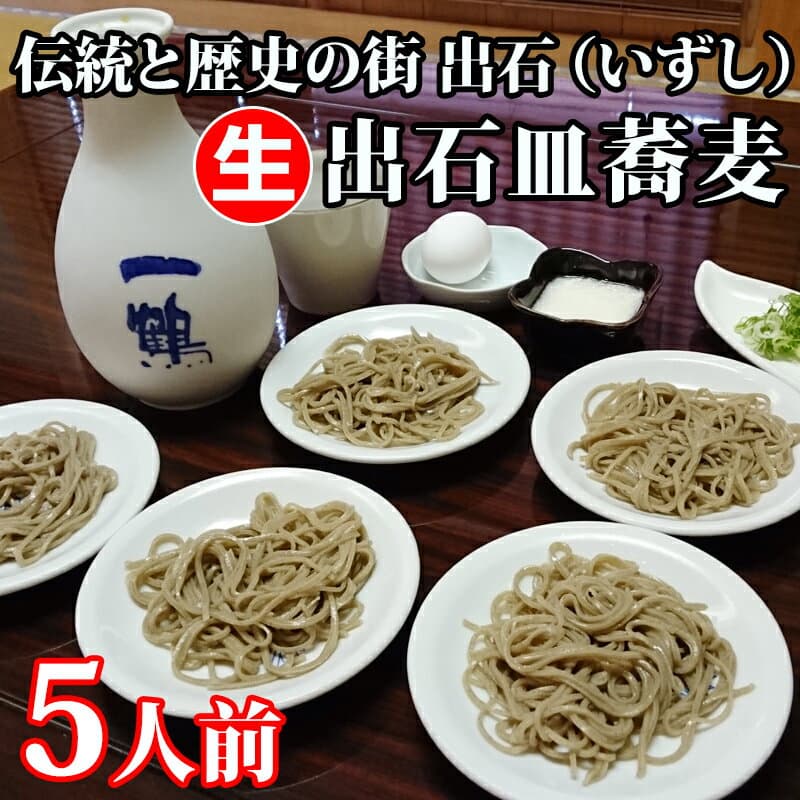
In Izushi-cho, Toyooka, Hyogo, Izushi sara soba arrives as buckwheat noodles on small white plates with tokkuri sauce, a soba cup, and condiments that shape the meal plate by plate.
Information last updated 120 days ago
3 images【クール便】本格手打ちそば!出石皿そば(生)4人前【手打ち生蕎麦、そば通販、お歳暮、贈答、ご自宅用に♪】美味しい蕎麦をお召し上がり頂きたいため、到着日、時間をご記入下さい。@
4 servingsメイドインたんたん
5.0 / 1 reviews
 3 images
【クール便】お蕎麦 本格手打ちそば!出石皿そば(生)5人前【手打ち 生蕎麦 そば通販 お歳暮 贈答 自宅用】美味しい蕎麦をお召し上がり頂きたいため、到着日、時間をご記入下さい。@
5 servingsメイドインたんたん
5.0 / 1 reviews
First time buying on Rakuten? How residents in Japan order →
Izushi sara soba is rooted in Izushi-cho, Toyooka City, Hyogo Prefecture. The noodles are made from buckwheat flour with wheat-flour binder and served on small white plates about 13 centimeters across, usually five plates to one serving. A tokkuri of dipping sauce, a soba cup, and condiments such as egg, grated yam, green onion, grated daikon, and wasabi give the meal its rhythm: pour, season, dip, and move to the next plate.
The first thing that defines Izushi sara soba is the table setting in Izushi-cho. The noodles are divided across small plates rather than gathered into one large bowl, and the white Izushi-yaki surface makes the color and portion of the soba visible before the first dip.
The usual serving is five plates, each plate around 13 centimeters wide. That scale leaves room for the tokkuri, the soba cup, and a row of condiments, so the dish is remembered through objects as much as through noodles.
The shared history of the dish is commonly dated to 1706. When Sengoku Masaakira moved from Shinshu Ueda to Izushi, soba craftspeople came with him, and their methods were added to noodle making already practiced in the town.
That account names people, movement, and technique. Izushi sara soba grew from the meeting of Shinshu Ueda methods and local soba work in Izushi, then continued for more than three centuries through shop practice and refinement.
The small-plate form also has a practical town setting behind it. In the Bakumatsu period, shallow dishes are said to have suited stall service because they were easier to carry; later, white Izushi-yaki plates became the recognizable form of the dish.
The plate carries the memory of stall service, the local ceramic surface, and the pace of eating one portion at a time. Its size and color are part of the way Izushi sara soba is seen before it is tasted.
Izushi shops describe the craft through three fresh steps: freshly ground, freshly made, and freshly boiled. Buckwheat flour and wheat-flour binder form the noodle base, while the close timing from milling to boiling helps define the texture placed on each plate.
Izushi water is also named in the cooperative account of the method. The craft here is concrete: flour, water, handwork, boiling, and the short path from kitchen to plate.
To eat Izushi sara soba, sauce is poured from the tokkuri into a soba cup. Diners then add condiments such as egg, grated yam, green onion, grated daikon, or wasabi before dipping the noodles from each small plate.
The condiments change the meal as it moves along. Egg and grated yam bring richness and smoothness, while green onion, daikon, and wasabi add sharper aroma and bite to the dipping sauce.
Izushi has many soba shops, though the count changes by date and activity: one walking route names 38 participating shops, while other accounts describe about 40, more than 40, or about 50 shops. The careful way to read those numbers is as a sign of concentration in the town, not a fixed census.
The soba-walk format connects eating with the streets of Izushi. Its three-shop tasting route is a town activity, while the everyday table setting remains the five-plate serving described for the dish itself.
The dish also stays visible through annual and hands-on practices. A new-soba festival in November brings fresh-season soba into town life, and an eating contest in April turns the plate-by-plate format into a public event.
Soba-making experiences add another route into the dish. Visitors can encounter the dough and handwork behind the plates, linking the table setting to the process that produces the noodles.
Izushi sara soba is easy to recognize because its details are precise: Izushi-cho, five small white plates, a tokkuri of sauce, a soba cup, condiments, and noodles made through the fresh-ground, fresh-made, fresh-boiled sequence. The 1706 movement from Shinshu Ueda, the Bakumatsu shallow-plate account, and the white Izushi-yaki surface all meet in a meal eaten one plate at a time.
Compiled from public records and official sources; see the recognition links below. Details may change over time.
Where this product is officially registered, designated, or recognized in Japan.
Regional collective trademark
Registered as a Regional Collective Trademark with the Japan Patent Office.
Sources1
It is written as 出石皿そば in Japanese. Search Rakuten and other Japanese sites with that spelling — the English name will not bring up the listings.
Izushi sara soba is a local soba dish from Izushi-cho, Toyooka City, Hyogo Prefecture. The noodles use a wheat-flour binder and are served on small white plates about 13 centimeters across, usually five plates per person. Accounts of its origin often begin in 1706, when Sengoku Masaakira moved from Shinshu Ueda to Izushi with soba craftspeople whose methods joined local noodle making.
Shop counts in Izushi-cho vary by date and activity, including 38, about 40 as of 2021, more than 40, and about 50. The tourism association describes a soba-walk route with 38 participating shops. A town product for comparing three soba shops is separate from the usual five-plate serving at the table. A cooperative organizes a November new-soba festival, and the tourism association organizes an April eating contest.
Izushi sara soba is eaten in Izushi regardless of season. At the table, dipping sauce is served from a tokkuri with a soba cup, alongside condiments such as egg, grated yam, green onion, grated daikon, and wasabi.
Storage varies by product — shelf-stable, refrigerated, or frozen — and is stated on the packaging and the Rakuten listing. Shelf-stable processed foods usually need refrigerating once opened and eating within a few days; chilled and frozen items go straight into storage on arrival. Treat the best-before date on the physical packaging as authoritative.
Most options are shelf-stable, boxed, and travel well, so they suit gifting or bringing home. Confirm the final storage and delivery terms on the Rakuten listing.
On Rakuten: the shops listed here right now are メイドインたんたん. We don't sell directly; purchase, payment, stock, and delivery are all handled on the Rakuten product page.