 3 images
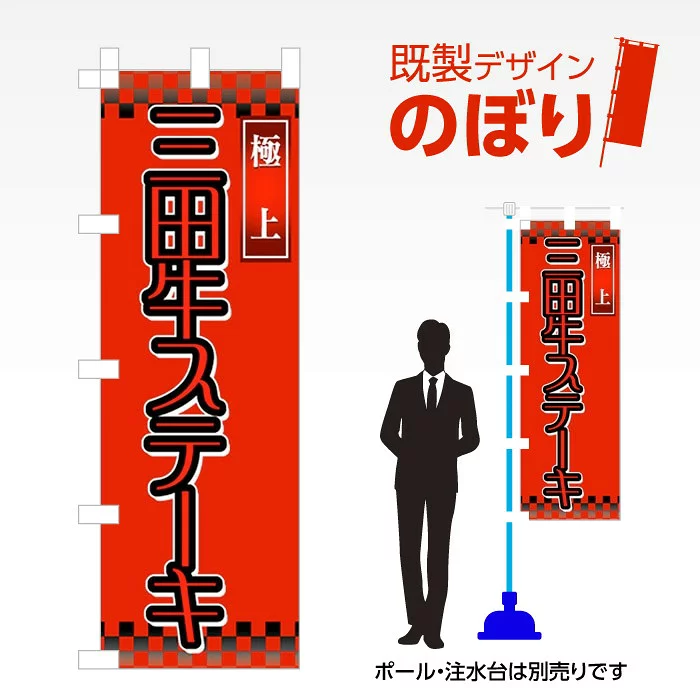
Sanda Beef Steak Ready-Made Nobori Flag
既製デザインのぼり旗 三田牛ステーキ W600mm×H1,800mm AM-F-2520
600 x 1800 mm, 1 flag
ワンスト 楽天市場店
Japanese name三田牛
Sanda sits about 25 kilometres north of central Kobe, ringed by the Rokko mountains with the Muko River running through it. Its cattle begin as Hyogo-born Tajima black Wagyu, raised one by one by growers near the town, and the beef is known for fine fat sweetness and a texture that melts on the tongue.
Information last updated 36 days ago
Ordering from abroad works when the recipient has a Japanese address.
None of the listings below mentions gift wrapping in its name; check noshi and wrapping options on the Rakuten page.
3 images既製デザインのぼり旗 三田牛ステーキ W600mm×H1,800mm AM-F-2520
ワンスト 楽天市場店
First time buying on Rakuten? How residents in Japan order →
To understand Sanda beef, start with the ground it stands on: the Sanda Basin, about 25 kilometres north of central Kobe in southeastern Hyogo. Mountains ring the town, the Muko River runs north to south, and its tributaries thread between farmland and a planned new town. The cattle raised here begin as Tajima black Wagyu born in Hyogo, taken on by designated growers in and around Sanda. Once grown, each animal passes through inspection at the Sanda Meat Corporation; labelled "Sanda-niku" as it moves into distribution, it is usually called "Sanda beef" by the time it reaches the table.
Compiled from public records and official sources; see the recognition links below. Details may change over time.
Where this product is officially registered, designated, or recognized in Japan.
Regional collective trademark
Registered as a Regional Collective Trademark with the Japan Patent Office.
Sources1
It is written as 三田牛 in Japanese. Search Rakuten and other Japanese sites with that spelling — the English name will not bring up the listings.
Sanda beef, labelled Sanda-niku in distribution, comes from the Sanda area of southeastern Hyogo. It starts as Hyogo-born Tajima black Wagyu and is raised by designated growers in and around Sanda from about 28 to under 60 months. It is then shipped to the Sanda Meat Corporation and must pass inspection. The beef is known for fine fat sweetness and a melting texture.
An animal stays with its fattening farm for over half its life and is not moved to non-designated growers. The Muko River system's spring water carries minerals suited to fattening, and the Sanda Basin has wide daily temperature swings. Sanda sits about 25 km north of Kobe and 35 km northwest of Osaka, covering about 210 sq km. A higher grade marked "廻" requires extra conditions for yield grade, meat quality and marbling.
It suits dishes that let the fat sweetness and tenderness come through, such as sukiyaki, steak and yakiniku.
Storage varies by product — shelf-stable, refrigerated, or frozen — and is stated on the packaging and the Rakuten listing. Shelf-stable processed foods usually need refrigerating once opened and eating within a few days; chilled and frozen items go straight into storage on arrival. Treat the best-before date on the physical packaging as authoritative.
Many countries restrict bringing in this kind of food, so check your destination's rules before you pack it, or enjoy it in Japan.
On Rakuten: the shops listed here right now are ワンスト 楽天市場店. We don't sell directly; purchase, payment, stock, and delivery are all handled on the Rakuten product page.