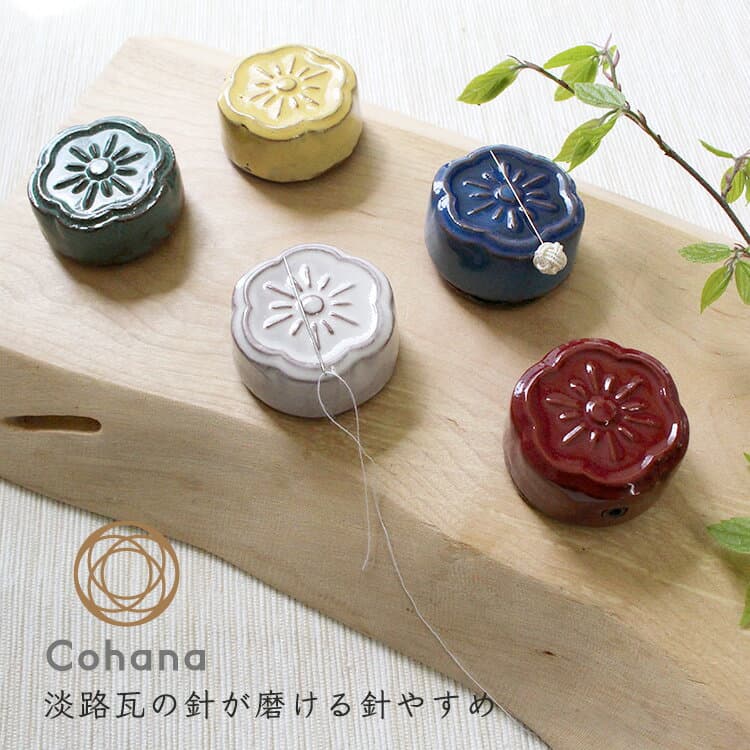
 3 images
Cohana Awaji Tile Needle-Sharpening Magnetic Needle Rest
コハナ cohana 淡路瓦の針が磨ける針やすめ マグネット 針置き 瓦 焼き物 磁石 かわいい ソーイング ピンクッション 大人 おしゃれ 針山 日本製 KG-HYS-45 ギフト お返し 手芸用品 裁縫道具 おうち時間
Kisui yellow雑貨と文具の店 Gute Gouter
4.7 / 10 reviews
Japanese name淡路瓦
Iron-rich soil, kiln fire, and smoking give Awaji kawara its ibushi sheen; in Minamiawaji, the same tile work appears on roofs, walls, floors, benches, and paving stones.
Information last updated 120 days ago
3 imagesコハナ cohana 淡路瓦の針が磨ける針やすめ マグネット 針置き 瓦 焼き物 磁石 かわいい ソーイング ピンクッション 大人 おしゃれ 針山 日本製 KG-HYS-45 ギフト お返し 手芸用品 裁縫道具 おうち時間
Kisui yellow雑貨と文具の店 Gute Gouter
4.7 / 10 reviews
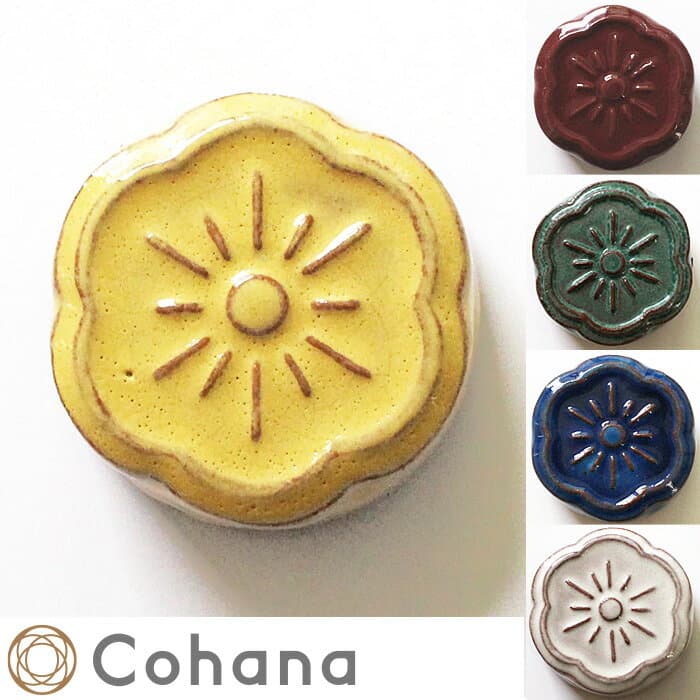 3 images
Cohana 淡路瓦の針が磨ける針やすめ ■ コハナ こはな 花 針山 ピンクッション 針 針磨き マグネット 陶器 オシャレ 可愛い 日本製 洋裁 和裁 裁縫 道具 ギフト ハンドメイド 手芸 手作り プレゼントギフト ギフト ■
手作り工房MYmama(エムワイママ)
5.0 / 5 reviews
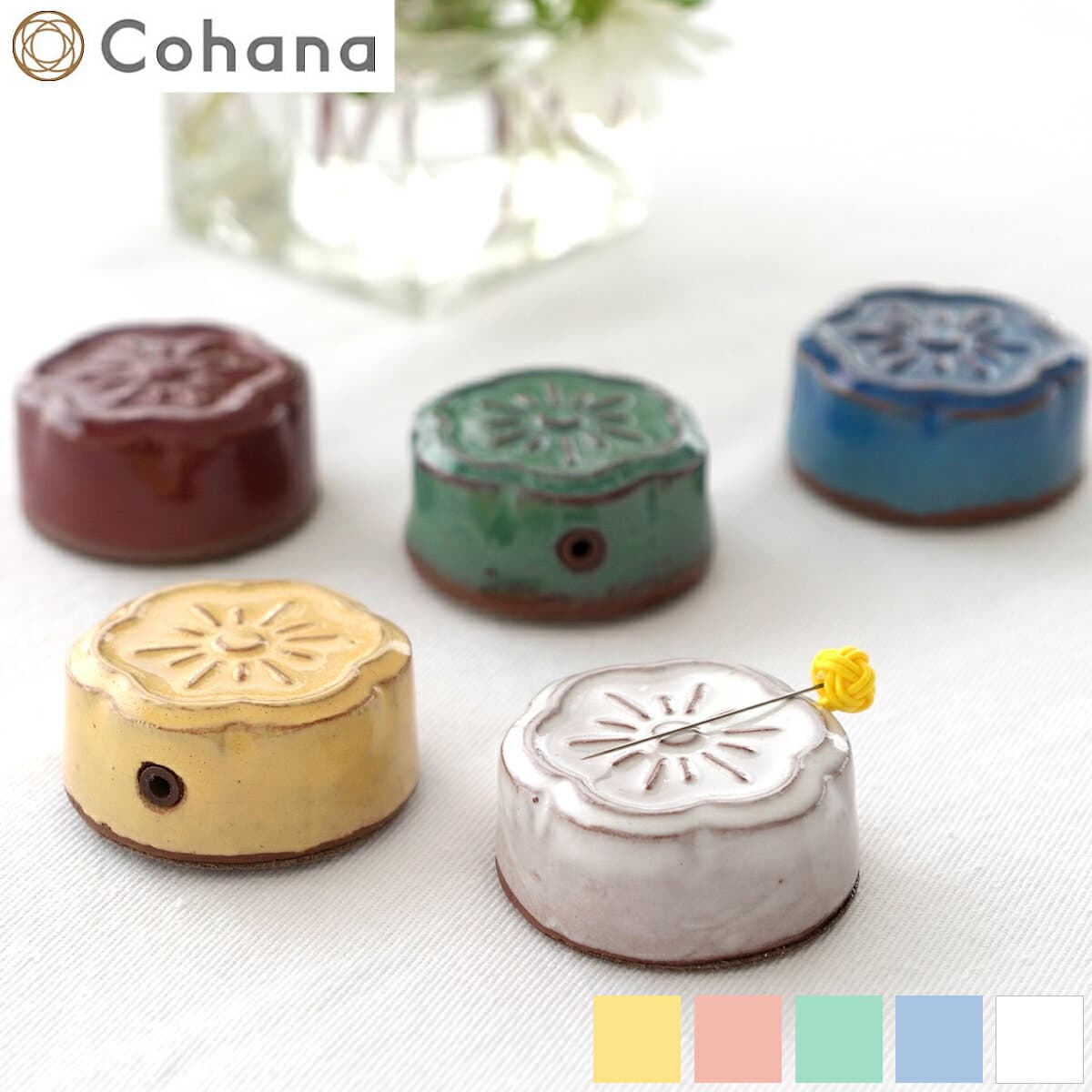 3 images
【クーポン対象 5/27 10:59まで】 Cohana コハナ 淡路瓦の針が磨ける針やすめ 針山 日本製 針置き 針休め Made in Japan 裁縫道具
FavoriteStyle〜キッチン・雑貨〜
First time buying on Rakuten? How residents in Japan order →
On Awaji Island in Hyogo, Awaji kawara begins with iron-rich clay and kiln fire. After firing, the tiles are smoked so a carbon film forms across the surface, giving ibushi tiles a silver sheen and a hard surface; about 400 years of tile work connect roof use with present-day walls, floors, and landscape pieces.
Compiled from public records and official sources; see the recognition links below. Details may change over time.
Where this product is officially registered, designated, or recognized in Japan.
Regional collective trademark
Registered as a Regional Collective Trademark with the Japan Patent Office.
Sources1
It is written as 淡路瓦 in Japanese. Search Rakuten and other Japanese sites with that spelling — the English name will not bring up the listings.
Awaji roof tiles (kawara) are clay tiles associated with Awaji Island and Minamiawaji in Hyogo. Iron-rich island clay is fired and then smoked, forming a carbon film that gives ibushi tiles their silver surface. The craft goes back about 400 years, with a production area forming in the Meiji era and continuing through postwar demand.
Uses now include roofs, walls, floors, landscape materials, benches, and paving stones. Awaji kawara forms include Japanese-style tiles, Western-style tiles, landscape materials, black ibushi tiles, full-flat tiles, and honbuki-integrated tiles. The tile exhibition space in Tsui, Minamiawaji includes a recreated daruma kiln, ancient tiles, Awaji tile benches, paving stones, and links to nearby factory visits and tile-making experiences. The producer community includes small Hyogo businesses making clay tiles, ceramic tiles, and ibushi tiles; membership was 64 companies as of April 1, 2022.
Awaji kawara is used on Japanese residential and architectural roofs, with forms such as full-flat and honbuki-integrated tiles. Beyond roofs, it is used for wall and floor finishes, including split-surface border tiles and black ceramic tiles. It also appears in landscape and public-facing settings such as tile benches and paving stones, and the Tsui exhibition hall offers clay-craft experiences and factory tours.
Keep wood, bamboo, and lacquer out of prolonged soaking, dishwashers, and direct sun — wipe dry after use and let them air out in the shade. For metal and fabric goods, follow the care notes on the listing.
Most options are shelf-stable, boxed, and travel well, so they suit gifting or bringing home. Confirm the final storage and delivery terms on the Rakuten listing.
On Rakuten: the shops listed here right now are 雑貨と文具の店 Gute Gouter, 手作り工房MYmama(エムワイママ), FavoriteStyle〜キッチン・雑貨〜. We don't sell directly; purchase, payment, stock, and delivery are all handled on the Rakuten product page.