 3 images
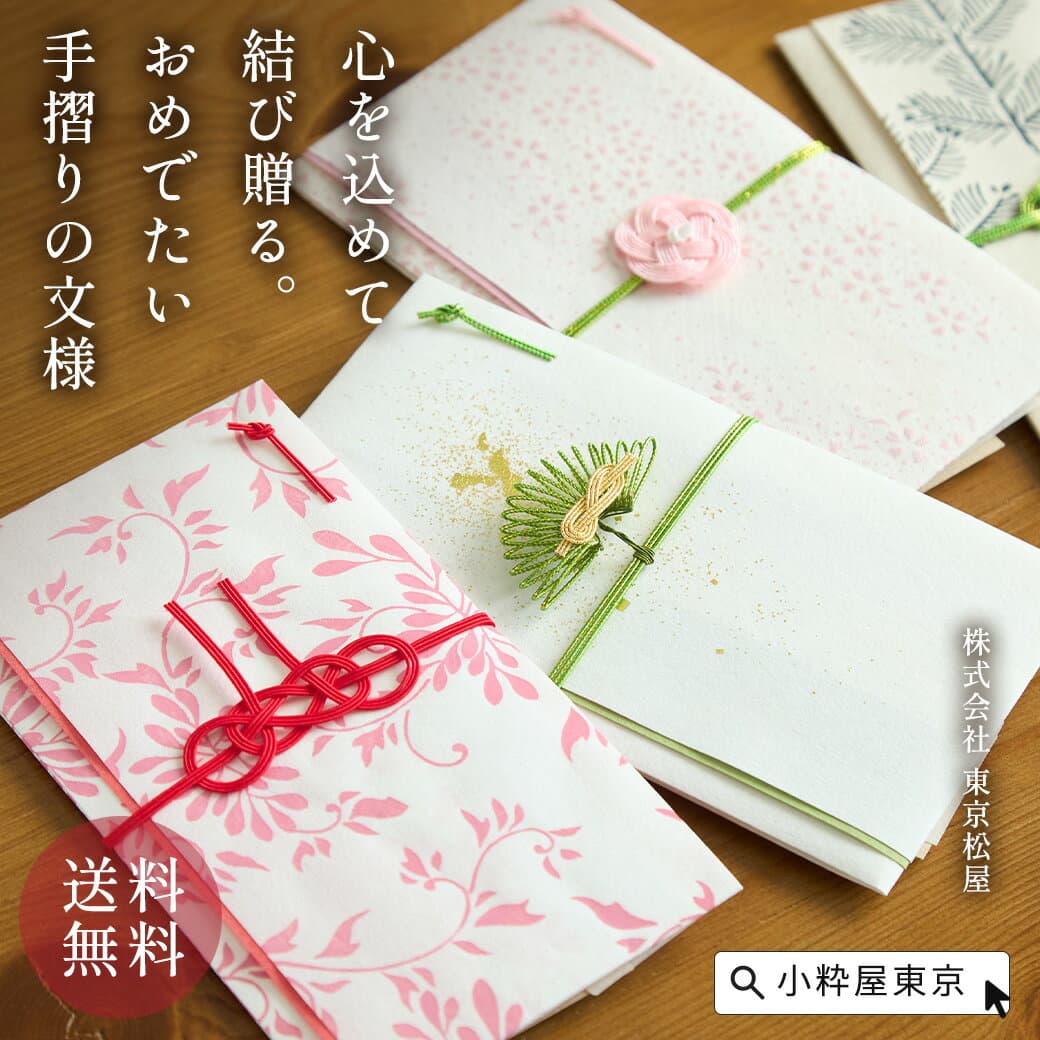
Tokyo Matsuya Edo Karakami Celebration Gift Envelope
江戸からかみ 祝包み(ご祝儀袋) 祝包み 和紙 手摺り 結び 慶事 伝統工芸品 東京松屋
小粋屋東京
5.0 / 1 reviews
Japanese name江戸からかみ
Once linked to paper for waka poetry, Edo karakami now lives on fusuma, shoji, screens, walls, and ceilings through handwork with washi, blocks, stencils, brushes, mica, and metal leaf.
Information last updated 120 days ago
3 images江戸からかみ 祝包み(ご祝儀袋) 祝包み 和紙 手摺り 結び 慶事 伝統工芸品 東京松屋
小粋屋東京
5.0 / 1 reviews
 3 images
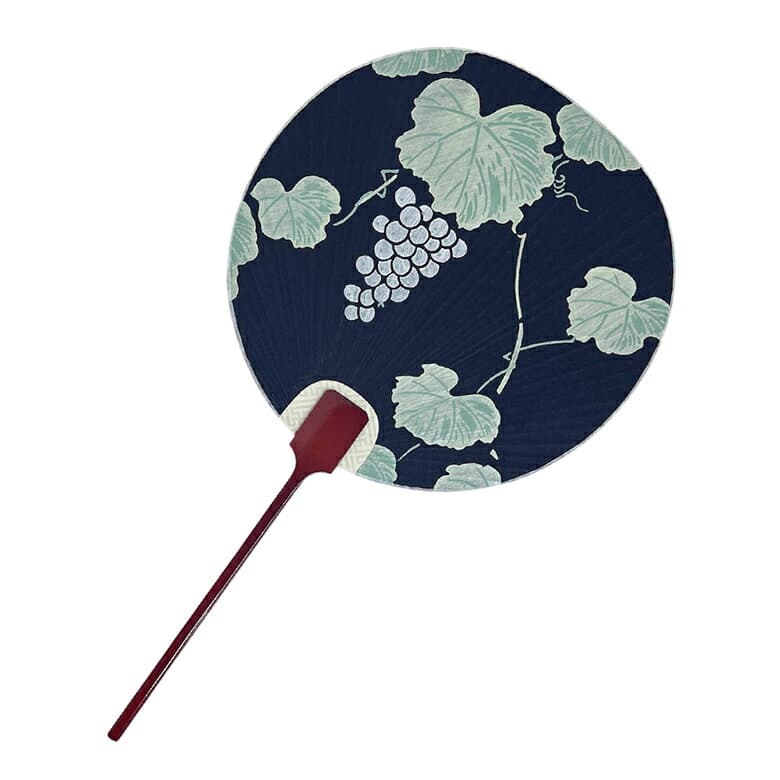
江戸からかみ 丸団扇 葡萄(たとう紙入り) <和食 / 東京松屋 / 手すき和紙 / おもてなし / うちわ>
grape pattern, tatou paper sleeveTABLE & STYLE
5.0 / 1 reviews
 3 images
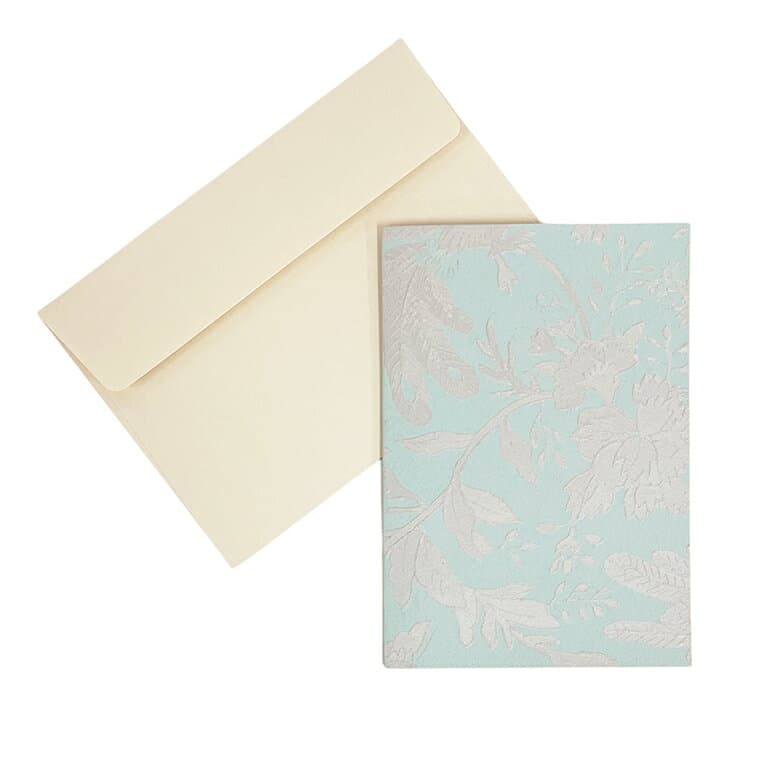
江戸からかみ グリーティングカード 金花鳥
Gold Flower and BirdTABLE & STYLE
First time buying on Rakuten? How residents in Japan order →
Edo karakami begins as washi, then becomes a room surface: fusuma paper, shoji paper, a folding screen, a wall, or a ceiling. Its line of continuity reaches back to Heian-period decorated paper for writing waka, then moves through screens and partitions into Edo interiors, where demand for fusuma helped Tokyo-area craftspeople develop woodblock mica hand-printing, brush-dyeing, stencil printing, gold and silver leaf work, and sprinkled sunago.
The craft is defined by use as much as by pattern: Edo karakami is decorated washi for fusuma, walls, ceilings, shoji, and folding screens. Its production area is centered on Tokyo districts such as Taito and Bunkyo, with nearby areas in Chiba and Saitama also appearing in the named production boundaries, so the material belongs to an interior landscape of sliding partitions, lit walls, and paper surfaces rather than to a single motif on a flat sheet.
The early thread runs to eisoryoshi, decorated paper used for writing waka in the Heian period, before decorated paper spread to screens and fusuma from the medieval period onward. In Edo, city building and the growth of fusuma demand gave the craft a local shape; the mid-Edo illustrated work Wakoku Shoshoku Ezukushi includes Edo karakami craftspeople, showing that specialized makers were already part of the urban craft scene.
Edo karakami is often explained through three specialist roles. Karakami-shi work with woodblock mica hand-printing, sarasa-shi with stencil dye-printing, and sunago-shi with gold and silver leaf or sprinkled sunago. In woodblock mica printing, mica or shell-powder gofun is mixed with funori, moved through a sieve onto a carved block, covered with washi, and rubbed from the back with both palms so the design transfers with a soft raised feeling.
The material choices are part of the technique. The base may be washi, or washi combined with natural-fiber textiles; pigments may include mica or gofun mixed with funori. Brush-dyeing uses comb-like brushes and repeated drying, stencil work uses shibugata or Ise katagami, and leaf or sunago work brings in gold and silver leaf, bamboo tubes, glue, and dousa. Paper thickness, softness, pigment behavior, temperature, and humidity all change how the brush, block, and hand meet the sheet.
The motifs are close to daily rooms: sparrows, grasses, seasonal flowers, stripes, lattice patterns, Hagi, Korin ivy, and Chojigoshi all appear among the named examples. Mica gives the surface a quiet shimmer, and a brush-made Chojigoshi pattern can change expression when electric light is turned on or off; the same wall or fusuma can therefore look different by day, at dusk, and under interior light.
The Great Kanto Earthquake and wartime air raids destroyed many Edo karakami blocks, and postwar machine-made washi and machine printing weakened demand for handwork. Craftspeople, publisher-wholesalers, and the Edo Karakami Cooperative worked to revive designs and production; Tokyo Matsuya’s East Ueno workshop, its pattern work, a 1992 sample book, and training for younger craftspeople are one concrete Tokyo example. Today the patterns can appear in residences, apartment entrances, shops, inns, hotels, temples, and shrines, and Tokyo Matsuya has also developed paper boxes, gift envelopes, pochibukuro, and letter paper from the same visual vocabulary.
Edo karakami continues through specific things rather than vague nostalgia: Tokyo rooms, washi, mica, funori, carved blocks, stencils, gold and silver leaf, brushes, bamboo tubes, and the pressure of palms across paper. Those materials and gestures turn a sheet into a surface that changes with light, seasonal motifs, and the everyday movement of a room.
Compiled from public records and official sources; see the recognition links below. Details may change over time.
Where this product is officially registered, designated, or recognized in Japan.
It is written as 江戸からかみ in Japanese. Search Rakuten and other Japanese sites with that spelling — the English name will not bring up the listings.
Edo karakami paper is decorated washi used for fusuma, shoji, folding screens, walls, and ceilings in Tokyo-area interiors. Its roots are linked to Heian-period decorated paper for writing waka, and it developed in Edo as city building and fusuma demand grew.
Key techniques include woodblock mica hand-printing, brush-dyeing, stencil printing, gold and silver leaf work, and sprinkled sunago. Specialist roles in Edo karakami include karakami-shi, sarasa-shi, and sunago-shi. Woodblock mica hand-printing uses mica or gofun, funori, a carved block, a sieve, washi, and palm pressure to transfer the design. The Great Kanto Earthquake, wartime air raids, and postwar machine printing damaged blocks and reduced demand for hand-processed Edo karakami.
It is used on fusuma, shoji, folding screens, walls, and ceilings. It is also used on interior surfaces in restaurants, residences, stores, inns, hotels, and temples or shrines. Mica and washi texture can show as room light changes, and a Chojigōshi brush pattern changes when electric light is turned on or off.
Keep wood, bamboo, and lacquer out of prolonged soaking, dishwashers, and direct sun — wipe dry after use and let them air out in the shade. For metal and fabric goods, follow the care notes on the listing.
Most options are shelf-stable, boxed, and travel well, so they suit gifting or bringing home. Confirm the final storage and delivery terms on the Rakuten listing.
On Rakuten: the shops listed here right now are 小粋屋東京, TABLE & STYLE. We don't sell directly; purchase, payment, stock, and delivery are all handled on the Rakuten product page.