 3 images
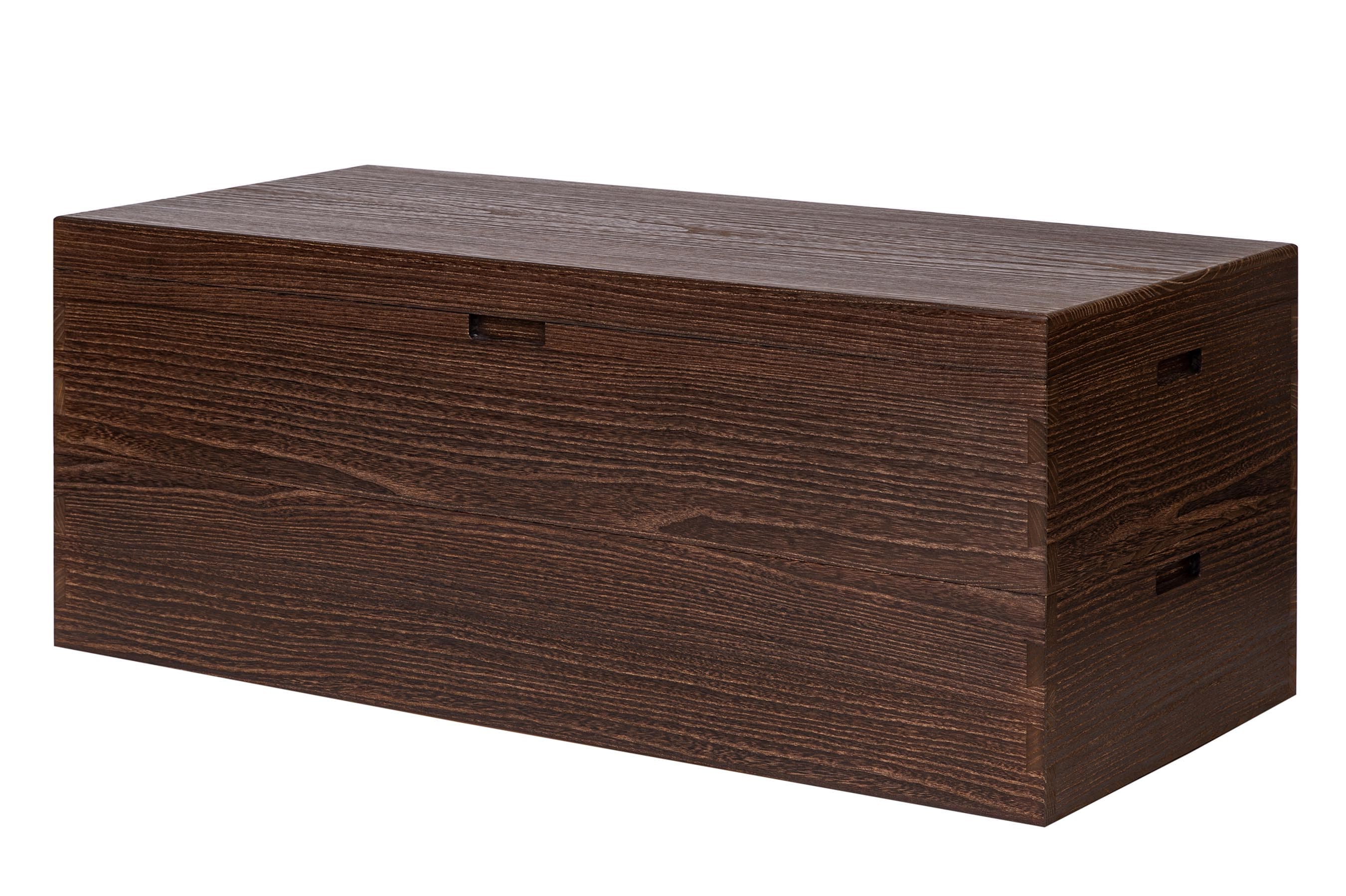
Hatsune no Kiri Tansu Osaka Senshu Burnt Paulownia Kimono Storage Box
“Web限定商品” 【初音の桐箪笥】 【大阪泉州桐箪笥・伝統工芸士製作】 焼桐衣裳箱(二段) <伝統的工芸品> 守り、整え、受け継ぐための一棹…
2-tier京都きもの市場 楽天市場店
Japanese name大阪泉州桐箪笥
Around Kishiwada, Sakai, Izumi, Higashiosaka, and Tadaoka, thick paulownia boards are dried, matched, joined, colored, waxed, and fitted for chests shaped by Senshu workshops.
Information last updated 119 days ago
3 images“Web限定商品” 【初音の桐箪笥】 【大阪泉州桐箪笥・伝統工芸士製作】 焼桐衣裳箱(二段) <伝統的工芸品> 守り、整え、受け継ぐための一棹…
2-tier京都きもの市場 楽天市場店
 3 images
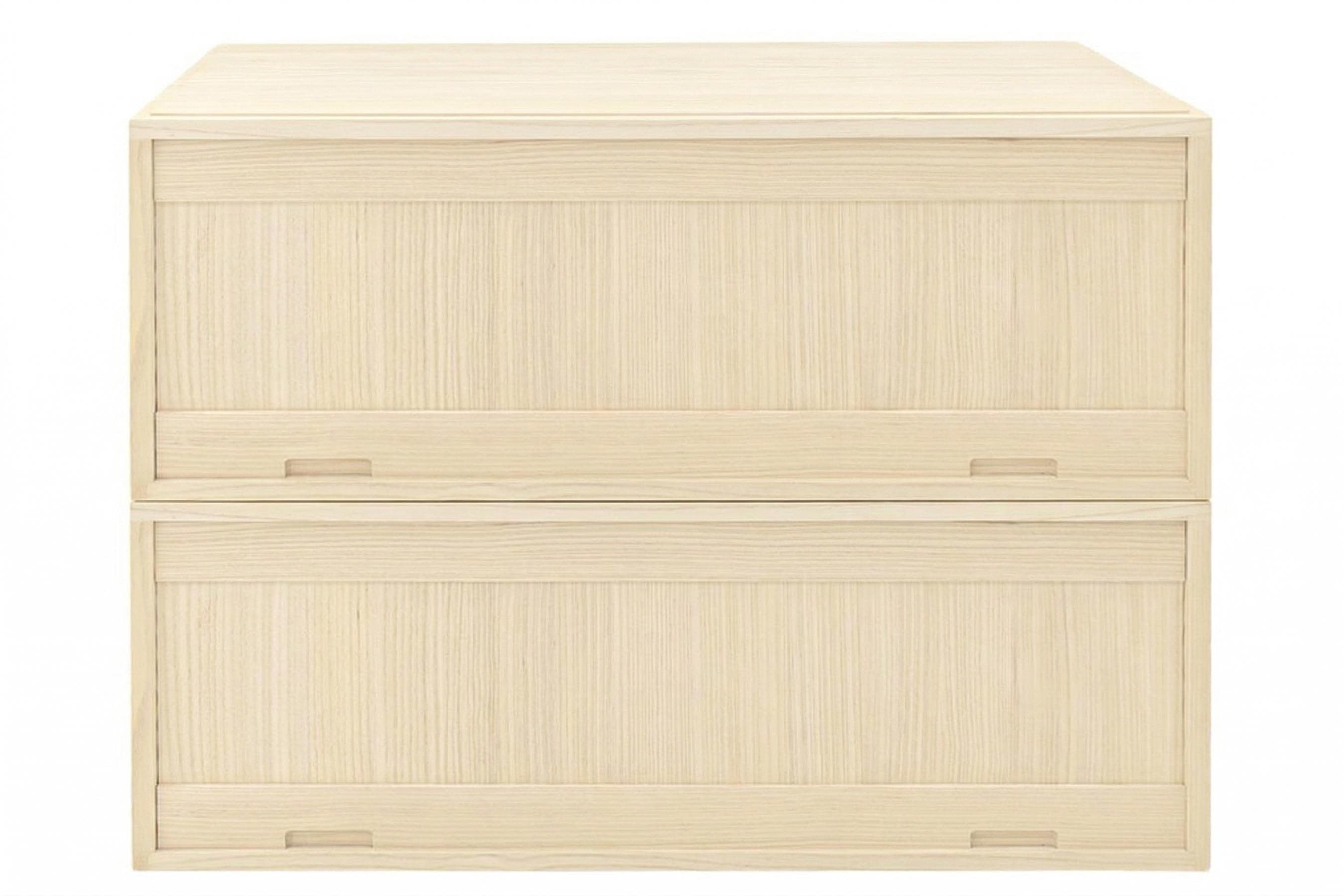
“Web限定商品” 【初音の桐箪笥】 【大阪泉州桐箪笥・伝統工芸士製作】 きもの桐箪笥(二段) フラップ式 <伝統的工芸品> 守り、整え、受け継ぐための一棹…
two-tier flap-front京都きもの市場 楽天市場店
 3 images
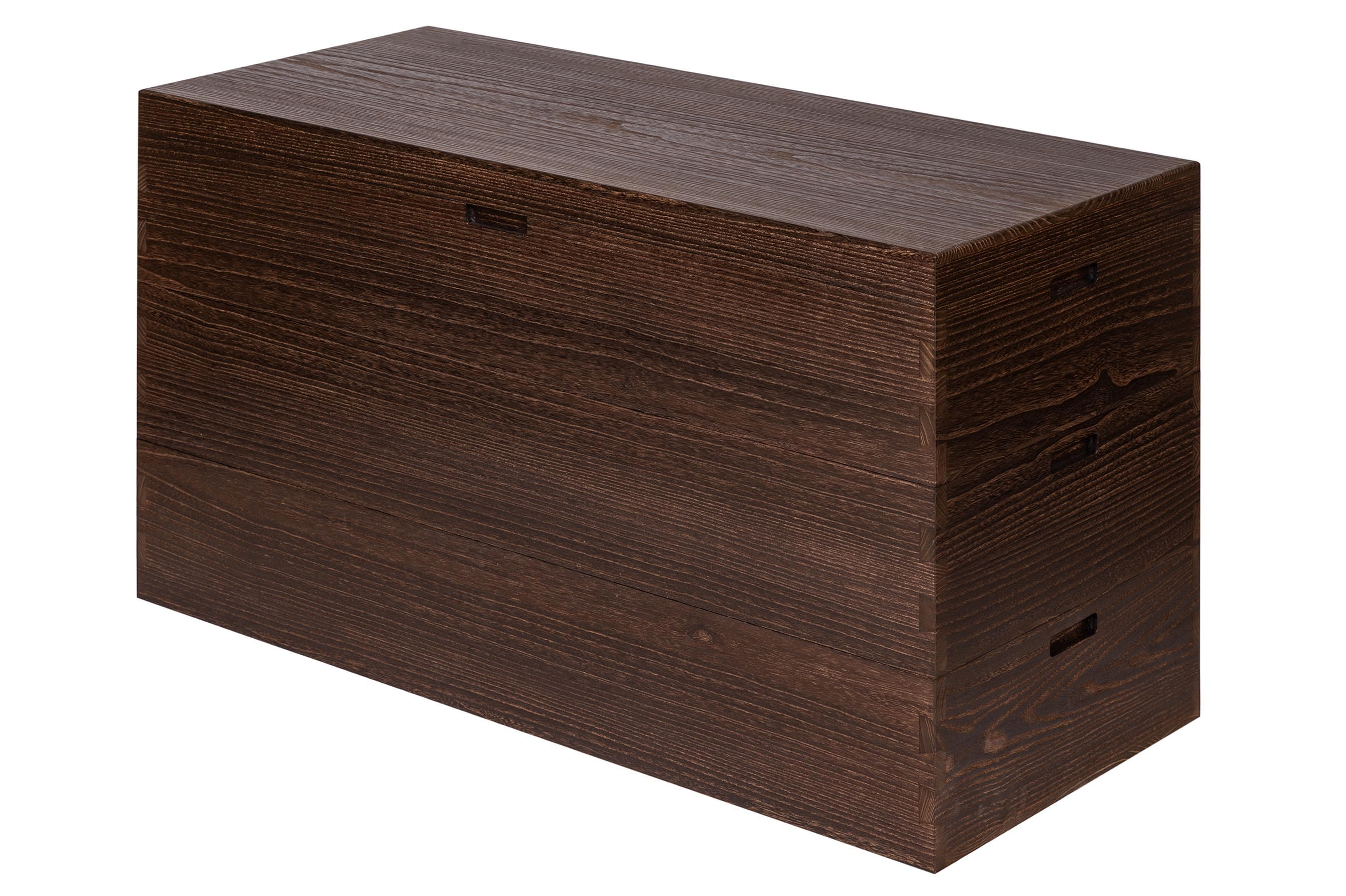
“Web限定商品” 【初音の桐箪笥】 【大阪泉州桐箪笥・伝統工芸士製作】 焼桐衣裳箱(三段) <伝統的工芸品> 守り、整え、受け継ぐための一棹…
3 tiers京都きもの市場 楽天市場店
First time buying on Rakuten? How residents in Japan order →
Osaka Senshu paulownia wardrobes belong to the Osaka production area around Kishiwada, Sakai, Izumi, Higashiosaka, and Tadaoka. By the mid-Edo period, wardrobe-making techniques were already established in Osaka, then moved from Osaka City through Sakai into Izumi; from late Edo into Meiji, Senshu took shape as a production area. The craft rests on concrete work: paulownia wood, thick solid boards, natural drying, close joinery, coloring, wax polishing, and metal fittings.
The place names give the wardrobe its first outline: Osaka City, Sakai, Izumi, and today’s production areas of Kishiwada, Sakai, Izumi, Higashiosaka, and Tadaoka. In the mid-Edo period, Osaka already had wardrobe-making techniques, while farm-side joinery used nearby cork tree and paulownia for simple boxes. From late Edo into Meiji, those skills gathered into a Senshu production area, and workshop names in Kishiwada, Sakai, and Tadaoka still keep the map concrete.
Before a wardrobe has drawers or doors, the paulownia must wait. Boards are cut with attention to straight grain and flat grain, then naturally dried for about one to two years before parts are shaped. The main top, side, shelf, upright, and bottom boards use solid wood at least 20 millimeters thick, while back boards and drawer bottoms use boards at least 8 millimeters thick. Those measurements turn the idea of thickness into a visible furniture boundary.
After drying, the boards are arranged by eye and hand. Makers match three or four boards with similar grain, join them into a broad surface, correct drying warp with heat, and plane both sides flat. The quiet face of the chest comes from straight grain, the placement of join lines, and the surface left by planing.
The box is held by tenons, grooves, and several forms of fitted joinery. Where side boards meet top boards, front-locking joints and related methods are made with nine pieces or more; drawers use wrapped dovetail-like joints and other fitted joints, while hinged or sliding doors carry rules for board thickness and frame construction. The wooden body is paulownia, the wood nails are deutzia or equivalent material, and the fittings are copper, copper alloy, or iron, so daily opening and storage depend on both wood and metal.
The finish moves through uzukuri surface treatment, coloring with yashabushi, wax polishing, and metal hardware. Some Osaka Senshu wardrobes appear as do-maru forms with rounded corners, and some custom contexts include maki-e or lacquer; these details belong to selected pieces rather than every chest. The craft’s national and Osaka prefectural traditional-craft recognition points back to concrete limits: paulownia bodies, specified board thickness, joinery, coloring, wax polishing, and metal fittings.
Workshop names bring the furniture back to working rooms: Tanaka Furniture Works in Kishiwada works from log to finished piece, Takeshita Woodwork in Sakai centers on all-paulownia chests, Tsujikawa Furniture Works in Tadaoka makes Japanese-style, organizing, and clothing chests, and Tomekawa Kiri Tansu in Kishiwada also carries the process from raw wood to finish. Some workshops show production steps, while hands-on settings may include planing a board, simple painting, or making a paulownia box; the finished chest returns to the sound of tools, shavings, and drawer frames.
An Osaka Senshu wardrobe carries time in ordinary measurements: 20-millimeter solid boards, one to two years of natural drying, matched grain, nine-piece or greater joinery, and a wax-polished surface. From Osaka City, Sakai, and Izumi to Kishiwada and Tadaoka, the furniture links place names, paulownia boards, and workshop steps; when a drawer opens, the first thing to read is how the wood was waited on, planed, joined, and finished.
Compiled from public records and official sources; see the recognition links below. Details may change over time.
Where this product is officially registered, designated, or recognized in Japan.
It is written as 大阪泉州桐箪笥 in Japanese. Search Rakuten and other Japanese sites with that spelling — the English name will not bring up the listings.
Osaka Senshu paulownia wardrobes are paulownia chests from the Osaka production area around Kishiwada, Sakai, Izumi, Higashiosaka, and Tadaoka. Wardrobe-making techniques were established in Osaka by the mid-Edo period and spread through Sakai into Izumi. The making centers on solid paulownia boards, natural drying for about one to two years, grain matching, board joining, heat correction, tenons, grooves, fitted joinery, coloring, wax polishing, and metal fittings.
Paulownia boards are cut with attention to straight grain and flat grain, then naturally dried for about one to two years before shaping. Main top, side, shelf, upright, and bottom boards use solid boards at least 20 millimeters thick, while back boards and drawer bottoms use boards at least 8 millimeters thick. The chests use tenons, grooves, nine-piece or greater front-locking joints, wrapped dovetail-like joints, and other fitted joinery for bodies, drawers, doors, and sliding doors. Finishing includes uzukuri treatment, yashabushi coloring, wax polishing, and metal fittings, with do-maru forms, maki-e, and lacquer appearing in selected or custom contexts.
Osaka Senshu paulownia wardrobes are used for clothing and household storage, including Japanese-style chests, clothing chests, and other storage furniture. Some workshops take custom orders involving maki-e, lacquer, and rounded do-maru forms, as well as remaking and made-to-need production. Some workshops offer showroom visits, production-process tours, planing-board experiences, simple painting experiences, and paulownia-box making, usually by reservation.
Keep wood, bamboo, and lacquer out of prolonged soaking, dishwashers, and direct sun — wipe dry after use and let them air out in the shade. For metal and fabric goods, follow the care notes on the listing.
Most options are shelf-stable, boxed, and travel well, so they suit gifting or bringing home. Confirm the final storage and delivery terms on the Rakuten listing.
On Rakuten: the shops listed here right now are 京都きもの市場 楽天市場店. We don't sell directly; purchase, payment, stock, and delivery are all handled on the Rakuten product page.