 3 images
Mie Local Goods Guide
三重県
Mie is indexed here as a practical buying guide for travelers and foreign residents in Japan. Start with packable gifts, then compare table goods, quiet luxuries, and crafted objects when you need a stronger sense of place.
17Local selections
What Mie is known for
The 8 products below are what Mie is known for, ordered by how strongly each is rooted in the prefecture — what it is, and why it comes from here.
Mie sakeSake & spirits
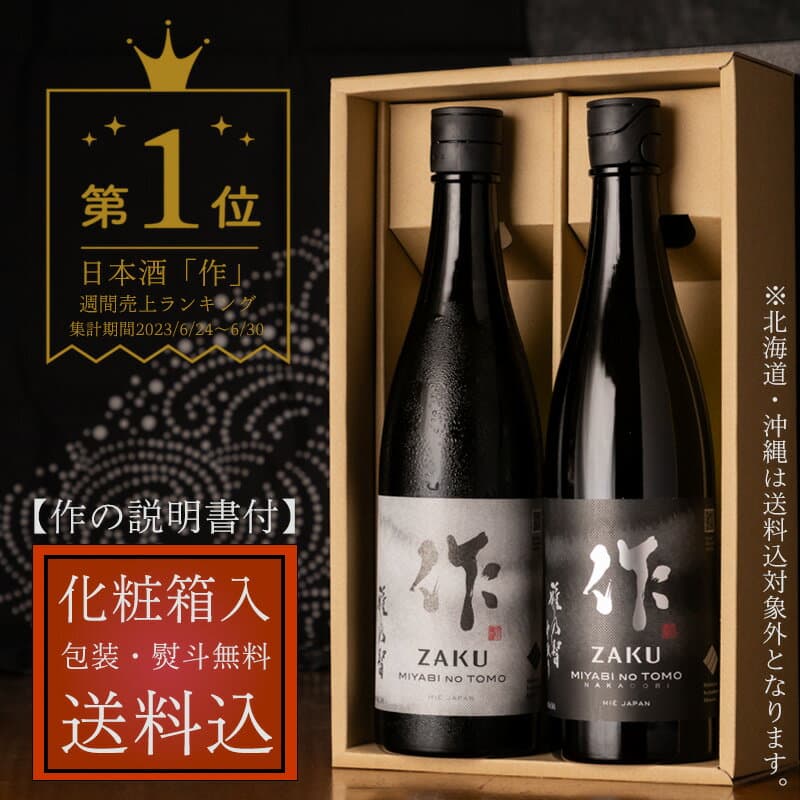
From a toast near Ise Jingu’s Uji Bridge to rice, rice koji, water, and fermentation, Mie sake connects local foods, brewery communities, and drinking occasions across the prefecture.
Suzuka ink sticksHome & living
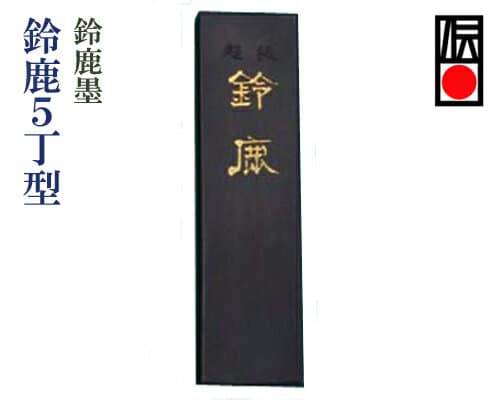
In Suzuka City, Mie, solid writing ink joins Shiroko’s port-town setting, a pine-resin soot origin account, vegetable-oil soot, and handwork for calligraphy.
Iga kumihimo braidsTextiles
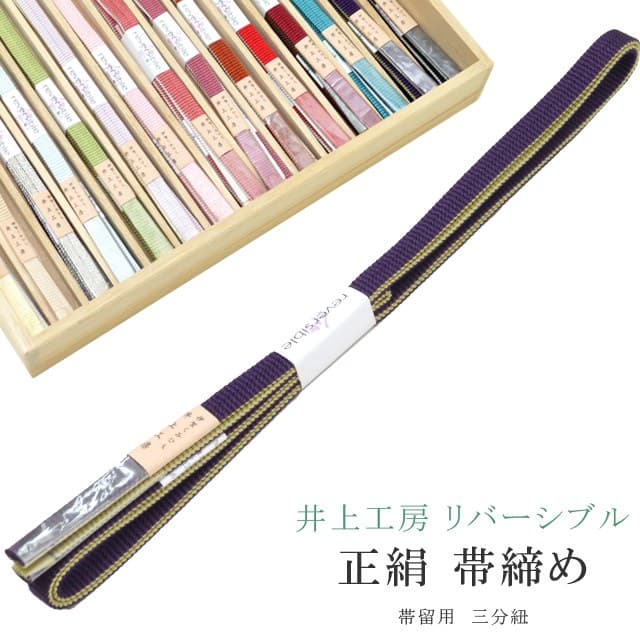
In Mie Prefecture’s Iga City and Nabari City, silk thread, gold and silver threads, and braiding stands shape Iga kumihimo from sutra-scroll cords to obijime, haori cords, straps, and accessories.
Kuwana cast metalCraft objects
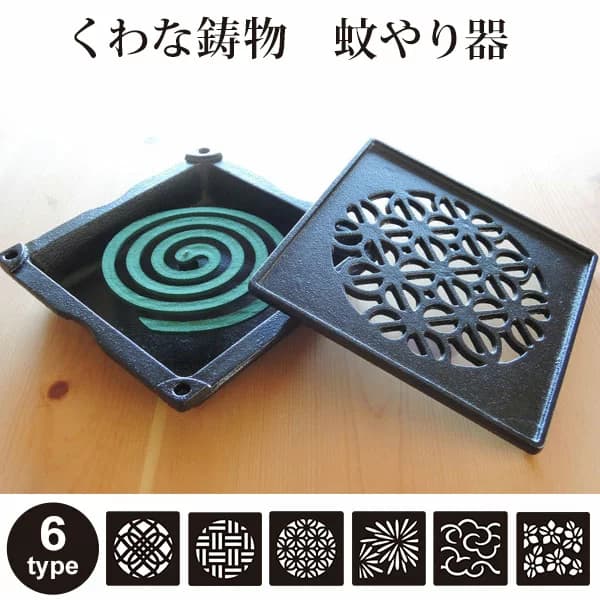
In Kuwana, Mie Prefecture, molten metal moves through molds into pots, machine parts, shrine fittings, wind chimes, and manhole covers shaped by nearby Komukai sand and local foundry work.
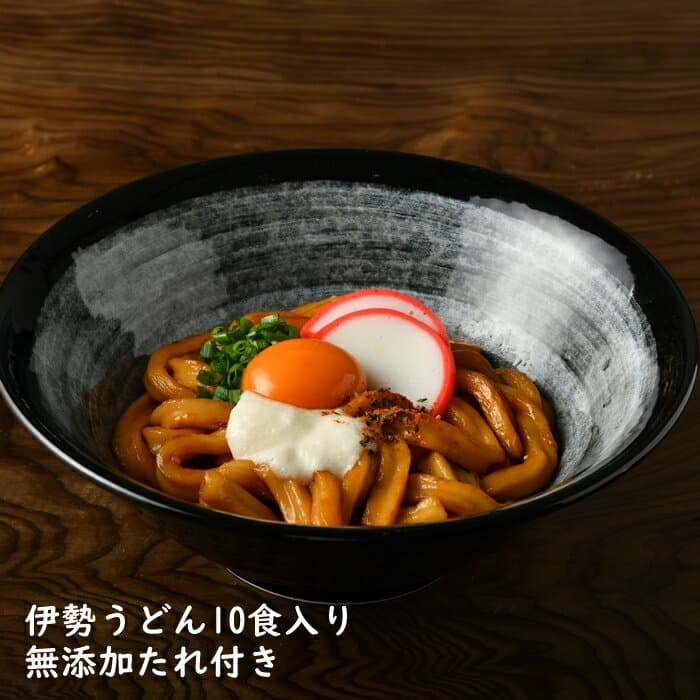
Ise udonRegional foods
In the Ise area of Mie Prefecture, thick soft noodles meet a small pool of tamari-based sauce, chopped green onion, wheat grown after rice, and the old travel towns around Ise Jingu.
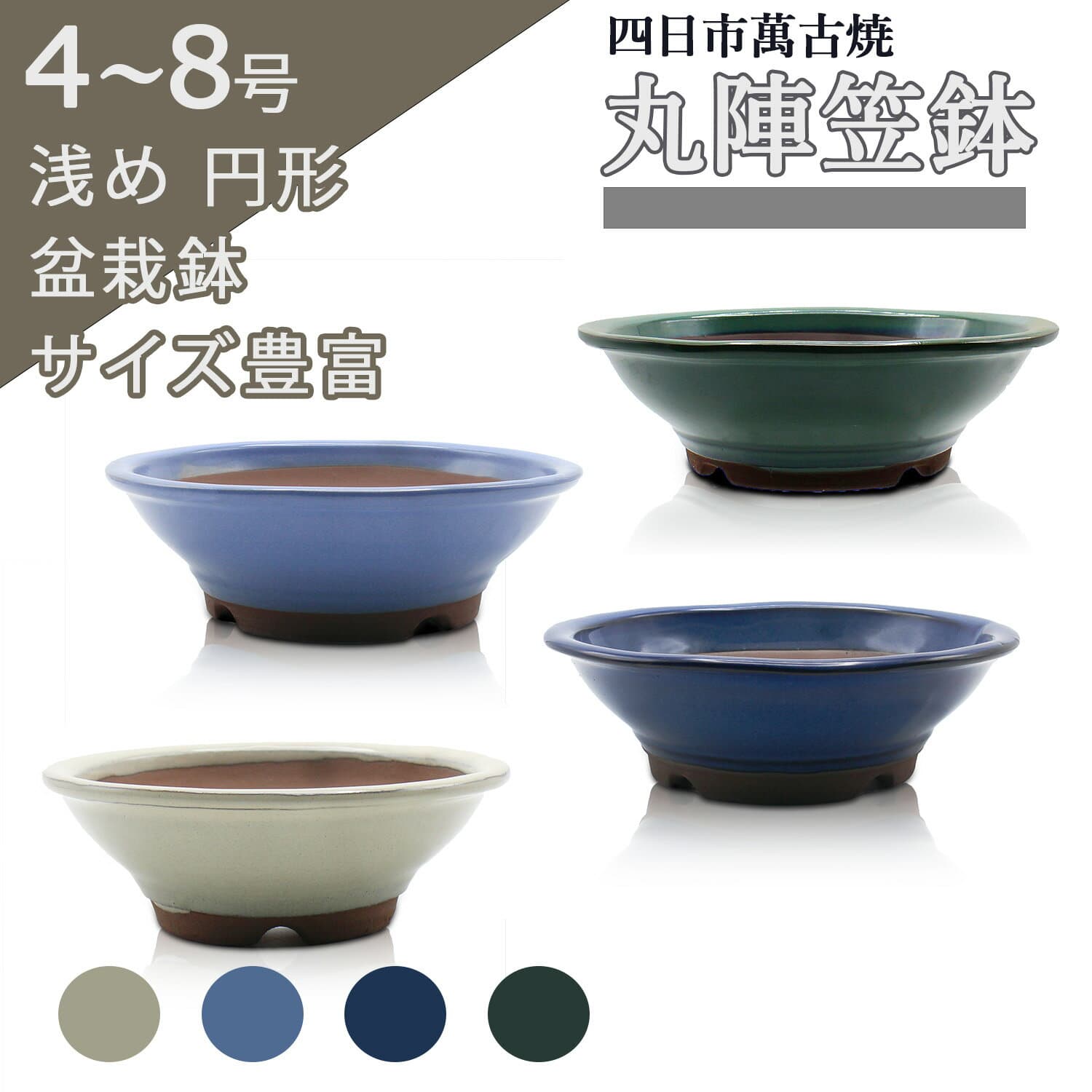
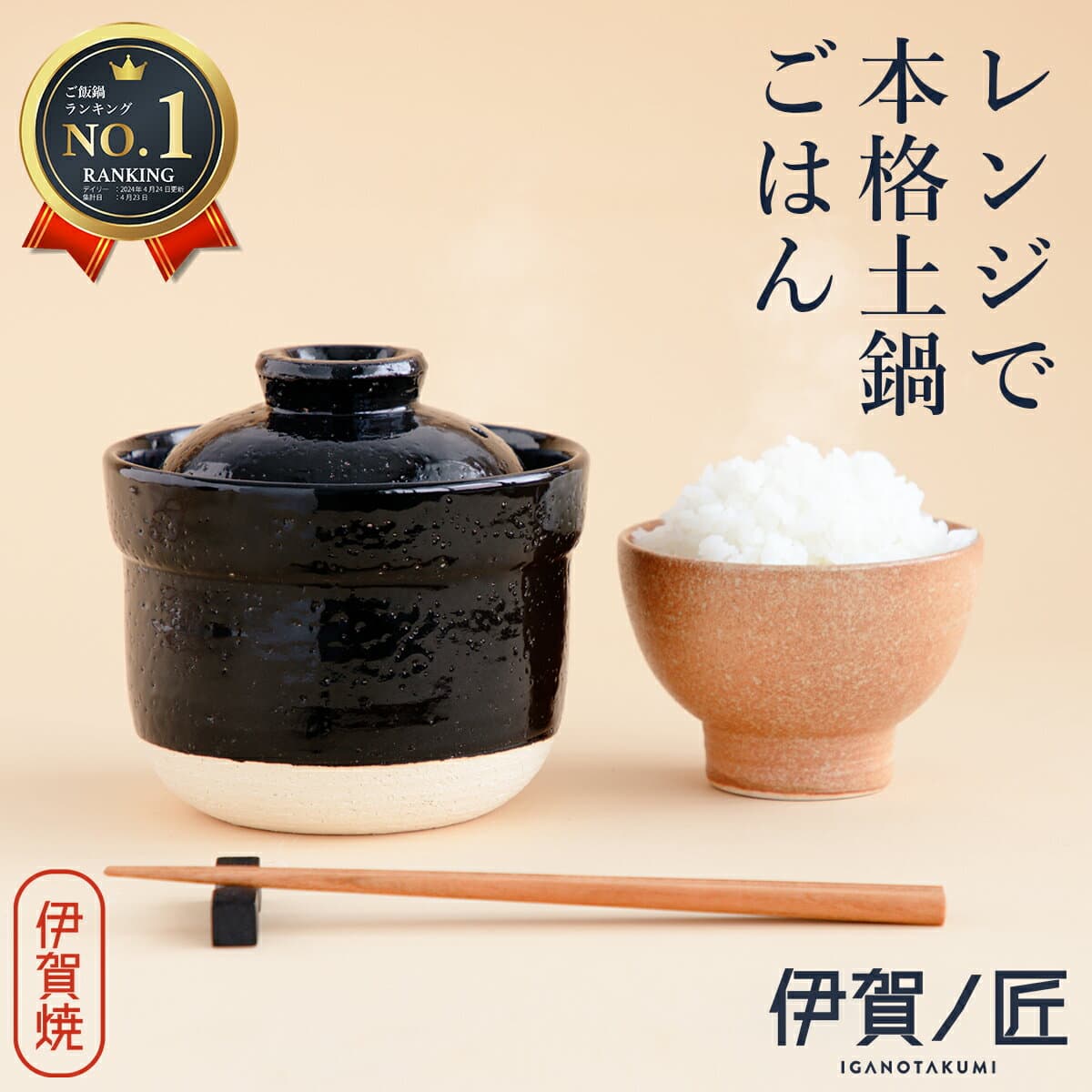
Yokkaichi Banko wareTableware
Across Yokkaichi, Komono, Asahi, Kawagoe, and nearby Mie communities, a heat-resistant semi-porcelain body shapes donabe, cooking vessels, tableware, and unglazed purple-clay kyusu.
Iga wareTableware
In Marubashira, Iga City, clay meets fierce kiln heat; bidoro, ash covering, scorch marks, splits, and warped form give tea ware, flower vessels, tableware, and sake vessels their tactile force.
Ise teaTea & drinks
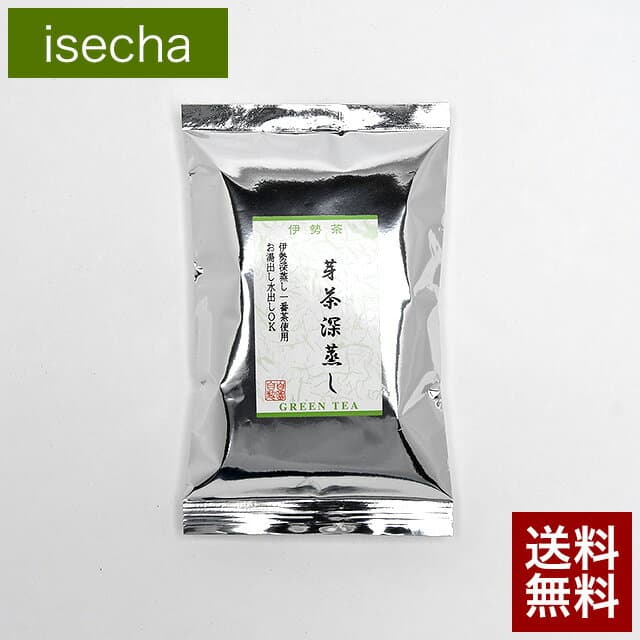
Across Mie Prefecture, Isecha gathers shaded kabusecha, deep-steamed sencha, mountain-facing tea fields, and bay-side climate into one regional tea name.
Regional Gifts
Packable foods and gifts with clear regional character.

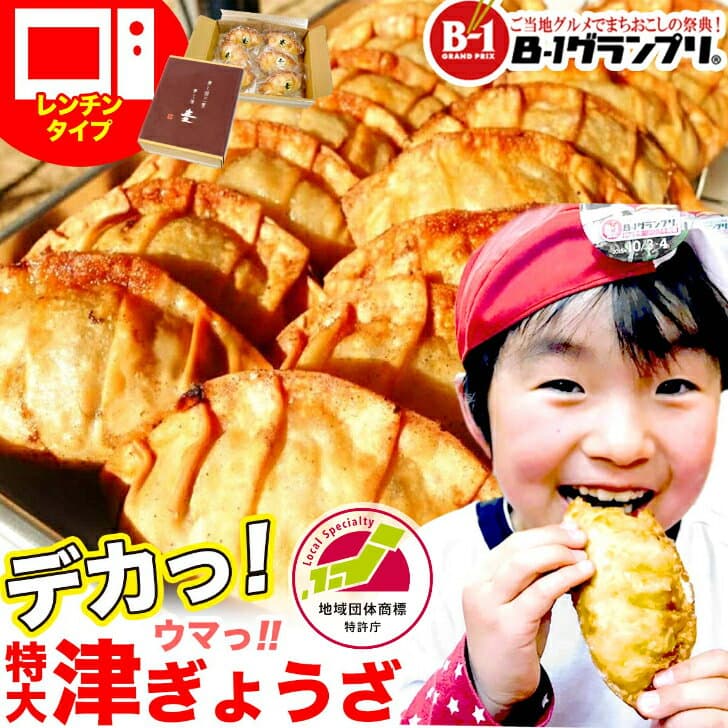
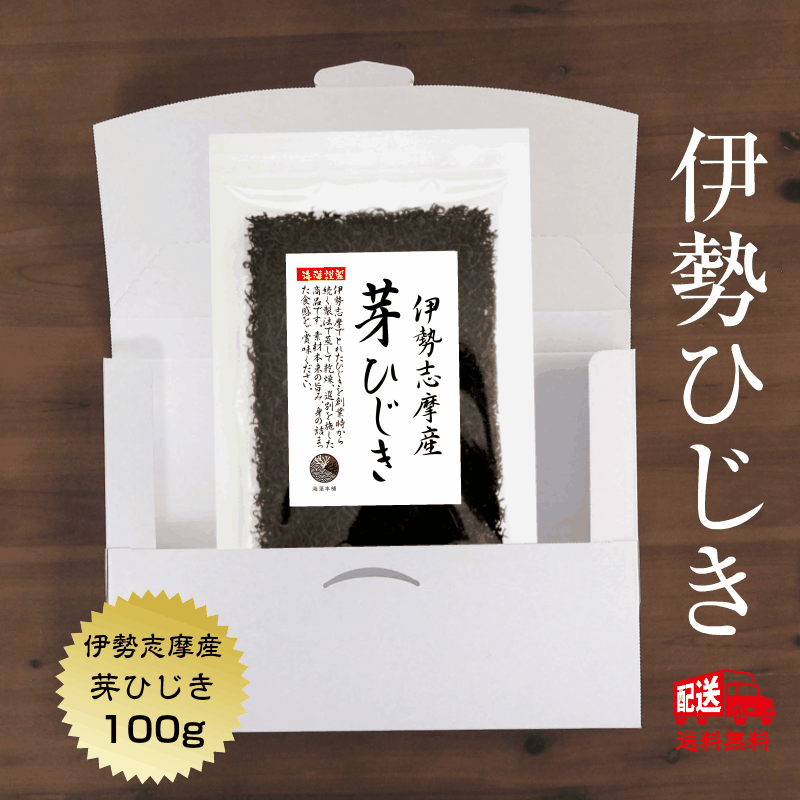
Table & Tea
Tea, drinks, foods, and table pieces shaped by local taste.
Daily Rituals
Home goods and textiles that turn everyday use into a local ritual.
Crafted Forms
Ceramics, lacquer, glass, woodwork, metalwork, folk craft, and their forms.
Sake & Spirits
Local sake, shochu, regional wine and craft spirits shaped by each prefecture. For ages 20+.
Mie's specialties by category
How the same thing is made elsewhere, and what differs: the category overviews start here.
Type first: somen and hand-stretched udon are pulled, soba is about the flour, ramen and Okinawa soba use kansui.
Breed first, brand second: Japanese Black is marbled, akaushi is lean, a brand name is a set of conditions, not a breed.
Kind before region: fresh fish is about handling, crab and oysters about season, nori and dried goods about processing.
Earthenware or porcelain first, then the surface: unglazed like Bizen, glazed like Hagi, or painted like Kutani.
Pick the type before the region: sencha is brisk, gyokuro is sweet and thick, matcha is ground tencha, hojicha is roasted and not bitter.
Everyday Japanese tools, each tied to a named craft region and still made for use.
Woven or dyed first: tsumugi, kasuri and chijimi weave dyed yarn; yuzen, komon and bingata dye white cloth.
FAQ
What is Mie known for?
Mie (Kansai) is represented here by specialties such as Mie sake, Suzuka ink sticks, Iga kumihimo braids — each verified against official registries and matched to Rakuten listings.
Are Mie souvenirs good to bring home?
Many Mie picks — Mie sake, Suzuka ink sticks, Iga kumihimo braids among them — are shelf-stable foods and crafts that travel well; for temperature- or fragility-sensitive items, confirm delivery and packaging on the Rakuten listing.
Are these products sold directly by this site?
No. This site curates Rakuten listings and may earn affiliate revenue from links to Rakuten.
How are products selected?
Listings are filtered for local relevance, product images, availability, and review strength.