 3 images
鈴鹿墨 Suzuka Solid Ink for Kanji by 進誠堂
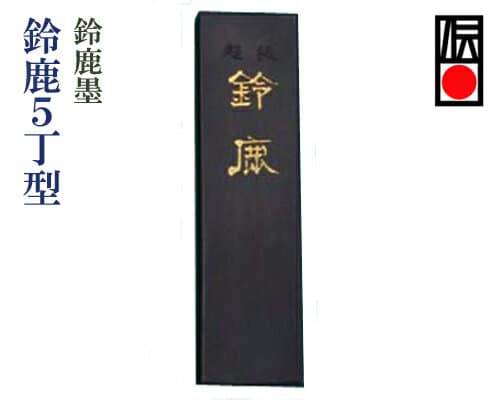
【鈴鹿墨】『鈴鹿/5丁型』固型墨 固形墨 漢字用 菜種油 伝統工芸 進誠堂 書道用品
5-cho size書道用品の跋渉堂
5.0 / 1 reviews
Japanese name鈴鹿墨
In Suzuka City, Mie, solid writing ink joins Shiroko’s port-town setting, a pine-resin soot origin account, vegetable-oil soot, and handwork for calligraphy.
Information last updated 120 days ago
3 images【鈴鹿墨】『鈴鹿/5丁型』固型墨 固形墨 漢字用 菜種油 伝統工芸 進誠堂 書道用品
5-cho size書道用品の跋渉堂
5.0 / 1 reviews
 2 images
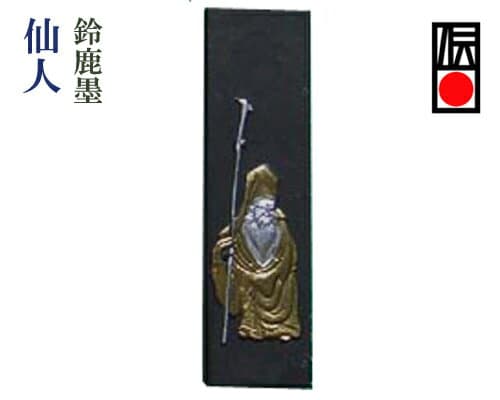
【鈴鹿墨】『仙人』0.5丁型 固型墨 固形墨 仮名用 伝統工芸 進誠堂 書道用品
0.5-cho size書道用品の跋渉堂
4.0 / 1 reviews
 3 images
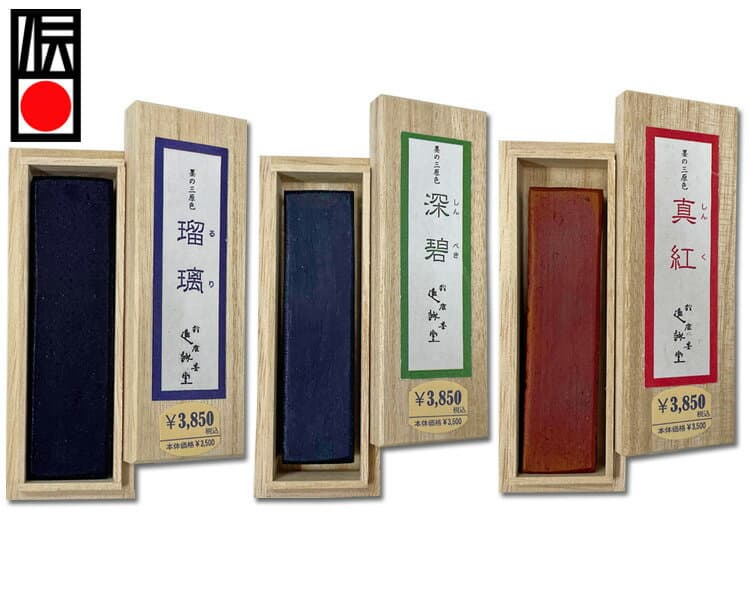
【鈴鹿墨】墨の三原色 1丁型 固型墨 固形墨 色墨 書画用 真紅 深碧 瑠璃 赤 緑 青 伝統工芸 伊藤亀堂 進誠堂 書道用品
1-cho size, choice of crimson, green, or blue書道用品の跋渉堂
First time buying on Rakuten? How residents in Japan order →
The black of Suzuka Sumi begins with visible geography: Ise Bay to the east, the Suzuka Mountains to the west, and Shiroko as an Edo-period port town and post town on the Ise pilgrimage road. Shiroko is the birthplace of Ise Katagami and Suzuka Sumi, while the ink itself is chiefly wakusumi, solid ink for calligraphy. Its arc runs from a local account of pine resin burned for soot in the Suzuka mountains, through Edo-period demand for crests and terakoya writing, to today’s vegetable-oil soot, hand-formed pieces, smooth grinding, deep color, and the balance of written line and bleed.
Suzuka’s geography places sea and mountain in the same frame: Ise Bay lies to the east, and the Suzuka Mountains rise to the west. In the Edo period, the Shiroko district prospered as a port town and as a post town on the Ise pilgrimage road. That setting gives Suzuka Sumi a concrete local outline, with streets, travelers, and writing tools meeting in the same coastal district that also gave rise to Ise Katagami.
The beginning of Suzuka Sumi is carried in a local account from the Enryaku era. The action is material and specific: pine resin from the Suzuka mountains was burned, soot was collected, and that soot was made into ink. Resin and soot keep the mountain in the object itself, so the name Suzuka Sumi is tied to a place as well as to a writing material.
In the Edo period, demand came from visible acts of writing and marking. Daimyo family crests required high-quality ink, and the spread of terakoya schools increased the need for writing ink. The craft later developed under Kishu support, linking Suzuka Sumi to crest lines, lesson tablets and copybooks, and the continued work of a production area around Shiroko and Jike.
Today, the material center of Suzuka Sumi is vegetable-oil soot, and the making still points to long-used methods. In Jike, names such as Suzuka Sumi Honpo and the Suzuka Seiboku Cooperative give that handwork a street-level address. The national traditional-craft designation points to tangible boundaries: Suzuka City, vegetable-oil soot, solid wakusumi for writing, and hand production piece by piece.
The qualities valued in Suzuka Sumi appear when the ink is used. It grinds smoothly, develops good color, and gives a refined depth of black. On paper, the harmony between the base line and the bleed is part of what calligraphers look for; the written line is formed by brush, ink, water, and the way the ink spreads into the sheet.
At the Suzuka City Traditional Industries Hall, production methods and finished works for Suzuka Sumi and Ise Katagami are shown together; Suzuka Sumi craftsperson demonstrations are held on the second and fourth Sundays from 10:00 to 12:00 and 13:00 to 15:00. Suzuka Sumi Honpo offers a nigiri-zumi experience, and the Suzuka Sumi Shodo World Cup, begun in the Reiwa 2 fiscal year, keeps the ink present in home calligraphy and public works. In Jike, Kiyuan, the Suzuka Seiboku Cooperative, and Shinseido make solid calligraphy ink; one fast-grinding ink is used in Suzuka city elementary schools, giving the ink a concrete classroom setting.
Contemporary experiments named in Suzuka include vivid colored inks, dyed goods made with Suzuka Sumi, incense, and architectural paint. These uses move the ink a step away from the inkstone and into color, scent, and built surfaces; still, the main form remains wakusumi and solid calligraphy ink, with the newer forms best understood beside that center.
Suzuka Sumi is shaped by concrete things: Shiroko’s port town and pilgrimage road, soot from pine resin in the Suzuka mountains, Edo-period demand for crests and terakoya writing, vegetable-oil soot, and the deep black that appears as ink is ground. Through hall demonstrations, nigiri-zumi experiences, calligraphy contests, and colored-ink experiments, this solid ink from Suzuka City keeps mountain, town, and writing motion connected.
Compiled from public records and official sources; see the recognition links below. Details may change over time.
Where this product is officially registered, designated, or recognized in Japan.
Traditional craft
Designated a Traditional Craft (dentō kōgeihin) by Japan's Ministry of Economy, Trade and Industry.
Sources1
It is written as 鈴鹿墨 in Japanese. Search Rakuten and other Japanese sites with that spelling — the English name will not bring up the listings.
Suzuka Sumi is solid calligraphy ink from Suzuka City, Mie, chiefly made as wakusumi. It is tied to Shiroko’s port-town and Ise pilgrimage-road setting, a local account of pine resin burned for soot in the Suzuka mountains, Edo-period demand from crests and terakoya schools, vegetable-oil soot, hand production, smooth grinding, deep color, and harmony between written line and bleed.
Suzuka Sumi’s main production area is Suzuka City in Mie, and its main product form is wakusumi for calligraphy. Shiroko was an Edo-period port town and Ise pilgrimage-road post town, and it is the birthplace of Ise Katagami and Suzuka Sumi. A local account places Suzuka Sumi’s beginning in the Enryaku era, when pine resin from the Suzuka mountains was burned to collect soot for ink. Edo-period demand rose through daimyo crest writing and the spread of terakoya schools.
Keep wood, bamboo, and lacquer out of prolonged soaking, dishwashers, and direct sun — wipe dry after use and let them air out in the shade. For metal and fabric goods, follow the care notes on the listing.
Most options are shelf-stable, boxed, and travel well, so they suit gifting or bringing home. Confirm the final storage and delivery terms on the Rakuten listing.
On Rakuten: the shops listed here right now are 書道用品の跋渉堂. We don't sell directly; purchase, payment, stock, and delivery are all handled on the Rakuten product page.