 3 images
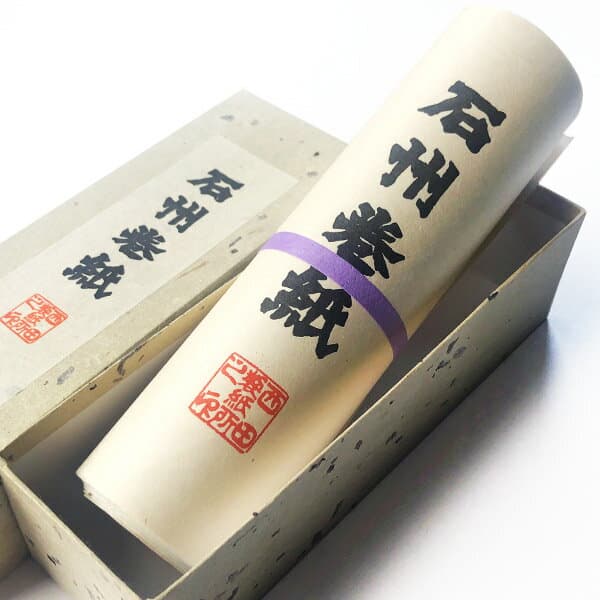
Kamimon Sekishu Washi Scroll Paper
かみもん 石州巻紙 1枚入り 未ざらし 約19.5×960(cm) 30尺 5枚継ぎ 楮紙 箱付き 書道 習字 毛筆 手紙 書き初め きれい 石州和紙 和紙 あす楽
1 sheet, unbleached, boxed京のもん 京都の名店・名品・良品
Japanese name石州和紙
In western Shimane’s Iwami region, Hamada’s Misumi area keeps Sekishu washi close to kozo fiber, tororoaoi mucilage, and nagashi-suki hand papermaking. The sheets are strong, light, soft, and known for a pale yellow tone that whitens with age.
Information last updated 119 days ago
3 imagesかみもん 石州巻紙 1枚入り 未ざらし 約19.5×960(cm) 30尺 5枚継ぎ 楮紙 箱付き 書道 習字 毛筆 手紙 書き初め きれい 石州和紙 和紙 あす楽
1 sheet, unbleached, boxed京のもん 京都の名店・名品・良品
First time buying on Rakuten? How residents in Japan order →
Sekishu washi begins with a clear place: the Iwami region of western Shimane, especially Hamada City’s Misumi area and Furuichiba. Its beginnings are said to be linked to the Nara-period poet Kakinomoto no Hitomaro; by the Engishiki of 905, Iwami appears among provinces associated with paper tribute. That time span returns to practical details: kozo, water, tororoaoi root, bamboo screens, and the movement of pulp in nagashi-suki.
Sekishu washi is handmade in western Shimane’s Iwami region, with Hamada City’s Misumi area appearing again and again as a center of production. Furuichiba connects workshops, the cooperative, and Sekishu Washi Kaikan. Sekishu Hanshi often appears alongside Sekishu washi; Hanshi is a representative, closely related paper within the wider regional hand-papermaking family, while Sekishu washi covers the broader range. Place names, workshops, and learning spaces keep the name attached to working streets rather than a loose regional label.
The paper is made with bast fibers from plants such as kozo, mitsumata, and gampi. Papermakers also use mucilage from tororoaoi root as neri, helping fibers move and form in water. The Iwami setting is tied to good local kozo and favorable water, while the high-volume Sekishu Hanshi is especially linked with locally grown kozo. The material story is therefore physical: fiber, root mucilage, water, and the way the pulp spreads across a screen.
In the making process, bamboo or kaya screens are held in a frame, and the sheet is formed by nagashi-suki. Shimane’s process sequence runs from bark scraping, boiling, chiri removal, and beating to sheet formation, drying, and sorting. Chiri removal matters because bark residue from kozo can leave visible specks on the paper. The high-grade paper called mizarashi is described as 100% kozo with no such visible specks, turning surface cleanliness into something the eye and hand can judge.
Sekishu washi is described through touch as well as use: elastic and strong, surprisingly light, and soft against the hand. Sekishu Hanshi is also described as fine, strong, and glossy. New sheets carry a pale yellow tone that becomes whiter over time. That color change ties the sheet to long preservation uses, including books and art craft, where paper must hold both surface and strength after years of handling.
The uses of Sekishu washi move through writing, interiors, books, and school life. Shimane lists calligraphy paper, shoji paper, shikishi, and envelopes, while also linking the paper’s durability with books and art craft. Sekishu Hanshi was used by Osaka merchants for ledgers, and during fires those ledgers could be thrown into wells for preservation. In recent years, local elementary school students have also made their own graduation certificates by hand, bringing the sheet from workshop practice into the classroom.
Sekishu Washi Kaikan stands in Misumi Central Park in Hamada City’s Misumi-cho Furuichiba. The space presents washi products, allows visitors to view the process, and offers hands-on papermaking. The experience uses locally grown kozo and guidance from craftspeople who carry Sekishu washi techniques. For a reader, Furuichiba becomes a concrete place where Sekishu Hanshi, Sekishu washi, kozo fiber, and nagashi-suki can be understood together.
Sekishu washi stays memorable through concrete details: Iwami Misumi place names, kozo and tororoaoi, nagashi-suki on a screen, careful removal of specks, and the slow whitening of a pale sheet. Its presence in ledgers, books, shoji paper, envelopes, and graduation certificates comes from the same handmade balance of surface, strength, weight, and touch.
Compiled from public records and official sources; see the recognition links below. Details may change over time.
Where this product is officially registered, designated, or recognized in Japan.
It is written as 石州和紙 in Japanese. Search Rakuten and other Japanese sites with that spelling — the English name will not bring up the listings.
Sekishu washi is handmade paper from western Shimane’s Iwami region, especially Hamada City’s Misumi area and Furuichiba. It is formed from bast fibers such as kozo, mitsumata, and gampi, with tororoaoi root mucilage as neri, by nagashi-suki. The paper is strong, light, and soft, pale yellow when new, and known to whiten with age.
Sekishu Hanshi is a representative paper within the broader Sekishu washi range, but the two names are not fully identical. Its beginnings are linked to Nara-period poet Kakinomoto no Hitomaro, and the 905 Engishiki lists Iwami among paper tribute provinces. Sekishu Hanshi was designated an Important Intangible Cultural Property in 1969, and Sekishu washi a national traditional craft in 1989. Making it includes bark scraping, boiling, chiri removal, beating, sheet formation, drying, and sorting, with nagashi-suki on bamboo or kaya screens.
Main uses include calligraphy paper, shoji paper, shikishi, and envelopes. Its durability suits art craft and books that need long-term preservation, and Osaka merchants used Sekishu Hanshi for ledgers, throwing them into wells during fires. Local elementary school students have recently made their own graduation certificates by papermaking.
Keep wood, bamboo, and lacquer out of prolonged soaking, dishwashers, and direct sun — wipe dry after use and let them air out in the shade. For metal and fabric goods, follow the care notes on the listing.
Most options are shelf-stable, boxed, and travel well, so they suit gifting or bringing home. Confirm the final storage and delivery terms on the Rakuten listing.
On Rakuten: the shops listed here right now are 京のもん 京都の名店・名品・良品. We don't sell directly; purchase, payment, stock, and delivery are all handled on the Rakuten product page.