 3 images
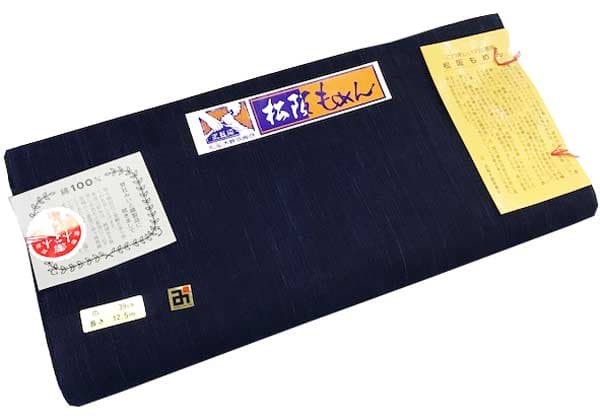
Matsusaka Momen Plain Indigo-Dyed Cotton Fabric Bolt
松阪もめん 反物(無地)《地元三重特産品》 松阪木綿 反物地入れ・湯通し加工サービス洗えば洗うほど色がわいてくる 藍染め 木綿今に粋る 永遠のファッション
plainさくら小町 楽天市場店
5.0 / 3 reviews
Japanese name松阪もめん
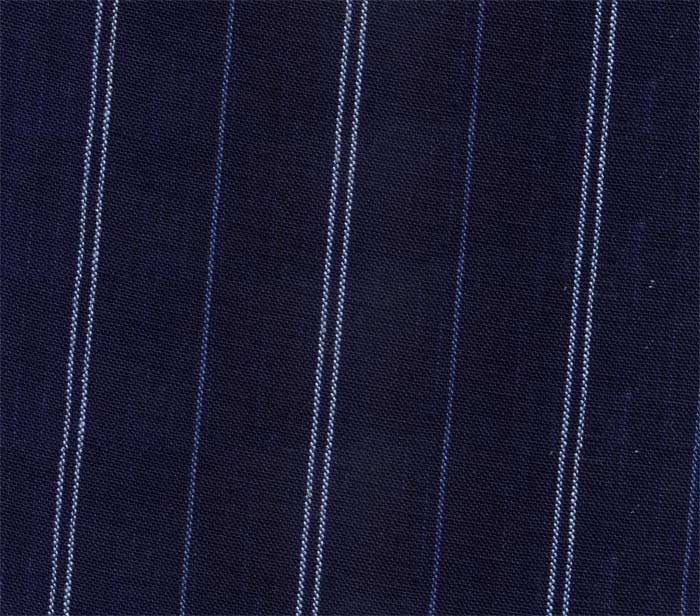
In the Matsusaka area of Mie, cotton yarn dyed first in natural indigo is arranged into Matsusaka-jima, a stripe that reads calm from afar and detailed up close.
Information last updated 3 hours ago
3 images松阪もめん 反物(無地)《地元三重特産品》 松阪木綿 反物地入れ・湯通し加工サービス洗えば洗うほど色がわいてくる 藍染め 木綿今に粋る 永遠のファッション
plainさくら小町 楽天市場店
5.0 / 3 reviews
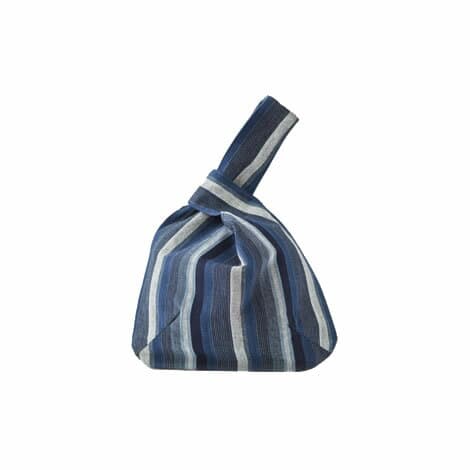
丸川商店 しじみ BK001 松阪もめんの袋物
35cm tall x 25cm widesurou web shop
5.0 / 2 reviews
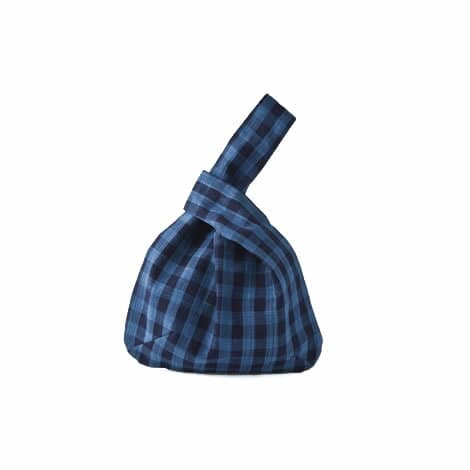
丸川商店 しじみ BK002 松阪もめんの袋物
surou web shop
5.0 / 1 reviews
 2 images
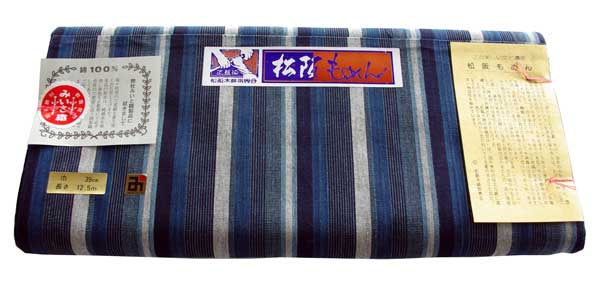
《地元三重特産品》松阪もめん 反物松阪木綿 反物地入れ・湯通し加工サービス洗えば洗うほど色がわいてくる 藍染め 木綿今に粋る 永遠のファッション
Approx. 39 cm x 12.5 mさくら小町 楽天市場店
5.0 / 3 reviews
《地元三重特産品》松阪もめん 反物松阪木綿 反物地入れ・湯通し加工サービス洗えば洗うほど色がわいてくる 藍染め 木綿今に粋る 永遠のファッション
Approx. 39 cm x 12.5 mさくら小町 楽天市場店
5.0 / 1 reviews
First time buying on Rakuten? How residents in Japan order →
All 5 listings of this product on Rakuten, lowest price first.
| Listing | Price | Shop | Reviews | Open listing |
|---|---|---|---|---|
Marukawa Shoten Shijimi Matsusaka Momen Bag 35cm tall x 25cm wideLowest price | ¥4,400 | surou web shop | 5.0 / 2 reviews | View on Rakuten → |
Marukawa Shoten Shijimi Matsusaka Momen Bag Lowest price | ¥4,400 | surou web shop | 5.0 / 1 reviews | View on Rakuten → |
Matsusaka Momen Plain Indigo-Dyed Cotton Fabric Bolt plain | ¥22,000 | さくら小町 楽天市場店 | 5.0 / 3 reviews | View on Rakuten → |
Mie Matsusaka Momen Indigo-Dyed Cotton Fabric Bolt Approx. 39 cm x 12.5 m | ¥23,000 | さくら小町 楽天市場店 | 5.0 / 3 reviews | View on Rakuten → |
Matsusaka Momen Indigo-Dyed Cotton Bolt Approx. 39 cm x 12.5 m | ¥23,000 | さくら小町 楽天市場店 | 5.0 / 1 reviews | View on Rakuten → |
Japanese · new tab
Matsusaka momen is a cotton textile produced in the Matsusaka area of Mie Prefecture. Its yarn is dyed in natural indigo before weaving, then arranged into the striped pattern known as Matsusaka-jima. From a distance the cloth can look almost plain; in the hand, fine blue lines, intervals, and shifts of tone appear. In the Edo period it circulated as Ise momen or Seishu momen, and today the same indigo stripe appears in bolts of cloth, shirts, ties, wallets, and coasters.
The outline of Matsusaka momen begins with the Matsusaka area, cotton yarn, and natural indigo. It is a cotton textile produced around Matsusaka, and its color is built from yarn dyed before weaving. The blue is carried by individual cotton threads rather than added only after the cloth is finished.
Matsusaka-jima names the striped expression that results. Indigo tone, spacing, and arrangement give the surface its variation. Tourism Mie describes the cloth through true indigo-dyed yarn, stripes, and a simple texture, linking the hand of cotton with the visual identity of blue lines.
Matsusaka-jima changes with distance. Matsusaka City describes a cloth that can look almost plain from afar and reveal many stripe patterns at close range. In Edo, where sumptuary rules limited showy clothing, that restrained surface and close-up detail helped make the stripe appealing.
The pre-dyed indigo yarn gives the pattern its range of blues. Across a room, the cloth gathers into a quiet field of color; in the hand, lines, intervals, and tones separate. The effect comes from the order of dyed yarns before they reach the loom and from the differences in indigo tone.
Matsusaka momen is tied to material conditions around Ise Bay. Matsusaka City connects the cloth to a warm climate, well-drained land, dried sardines used as fertilizer, and good cotton from the Ise Bay coast. Those conditions gave cotton a practical footing before it became indigo-dyed yarn and striped cloth.
The Matsusaka area also carries a context of spinning and weaving skill. Natural indigo, cotton yarn, and stripe planning work together in the textile. When Matsusaka momen is described as regional craft, the concrete meaning is Ise Bay cotton, Matsusaka weaving skill, and pre-dyed indigo yarn arranged line by line.
In the Edo period, Matsusaka momen circulated in Edo under names such as Ise momen and Seishu momen. Matsusaka City notes that, when Edo was said to have a population of one million, shipments reached more than 500,000 tan a year. Cotton wholesalers from Ise gathered in Nihonbashi Odenmacho 1-chome, placing Matsusaka’s striped cotton inside the daily fabric trade of the city.
Tourism Mie adds the roles of Matsusaka merchants and Ise pilgrimage routes. Merchants sold the cloth in Edo, and travelers connected with Ise carried it farther as a local gift. The movement becomes tangible through bolts of cotton, wholesalers, an Edo neighborhood, and roads leading to Ise.
The stripes of Matsusaka momen begin before the cloth is woven. In the hand-weaving process, yarn taken up in winding is placed on a warping frame to prepare the needed length. After warping, the threads are reorganized by color, fixing the order of darker and lighter blue lines.
Araosa-doshi then determines the width of one tan. Yarn winding, the warping frame, color-by-color rearrangement, and araosa-doshi divide a quiet stripe into length, color, width, and sequence. The finished cloth may look restrained, but its order is first built at the workbench.
Matsusaka momen begins naturally as cloth by the bolt, and it also appears in wearable and household forms. Mie Prefecture presents bolts and shirts, while Tourism Mie lists ties, wallets, and coasters. These uses move the indigo stripe from rolled fabric into collars, pockets, and tabletops.
In smaller objects, the stripe comes close to the hand. A coaster holds a small field of blue lines; a wallet uses a narrow band of stripe; a tie turns the vertical rhythm into clothing. Continuity here is practical and visible, carried by bolts, shirts, ties, wallets, and coasters.
The present life of Matsusaka momen still returns to people and places in Matsusaka. In 2019, Mie Prefecture added the Matsusaka Momen Hand-Weaving Succession Group Yuzuru-kai to relevant local bodies and listed Oito Orimono alongside the group. The textile is connected to named makers and a hand-weaving group as well as to a cloth name.
Tourism Mie places the Matsusaka Cotton Hand-Weaving Center in Honmachi, Matsusaka City, giving the indigo yarn, stripe pattern, and hand-weaving process a local point of contact. Its cultural meaning stays concrete: Matsusaka, cotton cloth, a weaving business, a succession group, warping work, and bolts of indigo stripe.
Matsusaka momen is clearest through its details: the Matsusaka area of Mie, cotton yarn dyed first in natural indigo, Matsusaka-jima stripes that read calm from afar and fine up close, cotton wholesalers in Edo’s Nihonbashi, color planning on the warping frame, and blue lines still appearing in bolts, shirts, and small daily objects. Ise Bay cotton and Matsusaka weaving skill meet in a quiet, layered cotton cloth.
Compiled from public records and official sources; see the recognition links below. Details may change over time.
Where this product is officially registered, designated, or recognized in Japan.
Regional collective trademark
Registered as a Regional Collective Trademark with the Japan Patent Office.
Sources1
It is written as 松阪もめん in Japanese. Search Rakuten and other Japanese sites with that spelling — the English name will not bring up the listings.
Matsusaka cotton is a cotton textile from the Matsusaka area of Mie Prefecture, known for yarn dyed first in natural indigo and the Matsusaka-jima striped pattern. From a distance the cloth can look almost plain; up close, fine blue stripes appear. In the Edo period it circulated as Ise momen or Seishu momen through cotton wholesalers from Ise and Matsusaka merchants. Today it appears in bolts, shirts, ties, wallets, and coasters.
In the Edo period it circulated in Edo as Ise momen or Seishu momen. Matsusaka City notes annual shipments of more than 500,000 tan when Edo was said to have one million people. Cotton wholesalers from Ise gathered in Nihonbashi Odenmacho 1-chome. Hand weaving includes yarn winding, preparing length on a warping frame, rearranging warped threads by color, and araosa-doshi to set the width of one tan.
It is used as bolts of cloth and sewn into shirts and other garments. It is also used for small goods such as ties, wallets, and coasters.
Naturally dyed textiles shed some colour on first wash. Hand-wash separately with a neutral detergent, avoid long soaking and bleach, and dry in the shade to prevent fading. Silk, ramie, and traditionally dyed pieces often need professional cleaning — the care label on the listing takes precedence.
Most options are shelf-stable, boxed, and travel well, so they suit gifting or bringing home. Confirm the final storage and delivery terms on the Rakuten listing.
On Rakuten: the shops listed here right now are さくら小町 楽天市場店, surou web shop. We don't sell directly; purchase, payment, stock, and delivery are all handled on the Rakuten product page.