 3 images
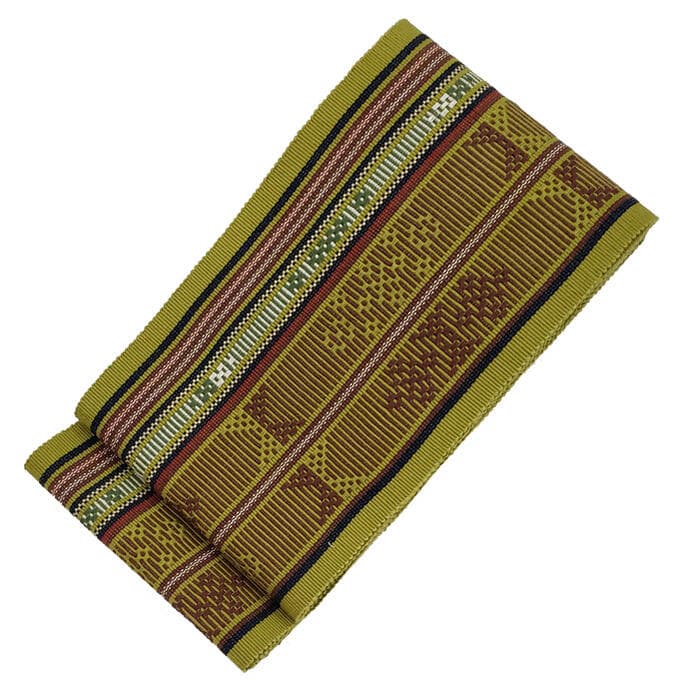
読谷山花織 Minsa Half-Width Obi
::::: 伝統的工芸品 ::::: ■ 読谷山花織 ■ 半幅帯 ミンサー■ 経済産業大臣指定 伝統的工芸品■ 沖縄県指定 伝統工芸品■ 綿 100%夏の浴衣・ゆかたはもちろん紬・小紋のカジュアルきものにもおすすめ☆
15cm x 400cm高松南新町商店街
Japanese name読谷山花織
In Zakimi, Yomitan Village, Yomitanzan Hanaori turns fine dots and lines into flower-like geometry through cotton, silk, natural fibers and cooperative work.
Information last updated 120 days ago
3 images::::: 伝統的工芸品 ::::: ■ 読谷山花織 ■ 半幅帯 ミンサー■ 経済産業大臣指定 伝統的工芸品■ 沖縄県指定 伝統工芸品■ 綿 100%夏の浴衣・ゆかたはもちろん紬・小紋のカジュアルきものにもおすすめ☆
15cm x 400cm高松南新町商店街
 3 images
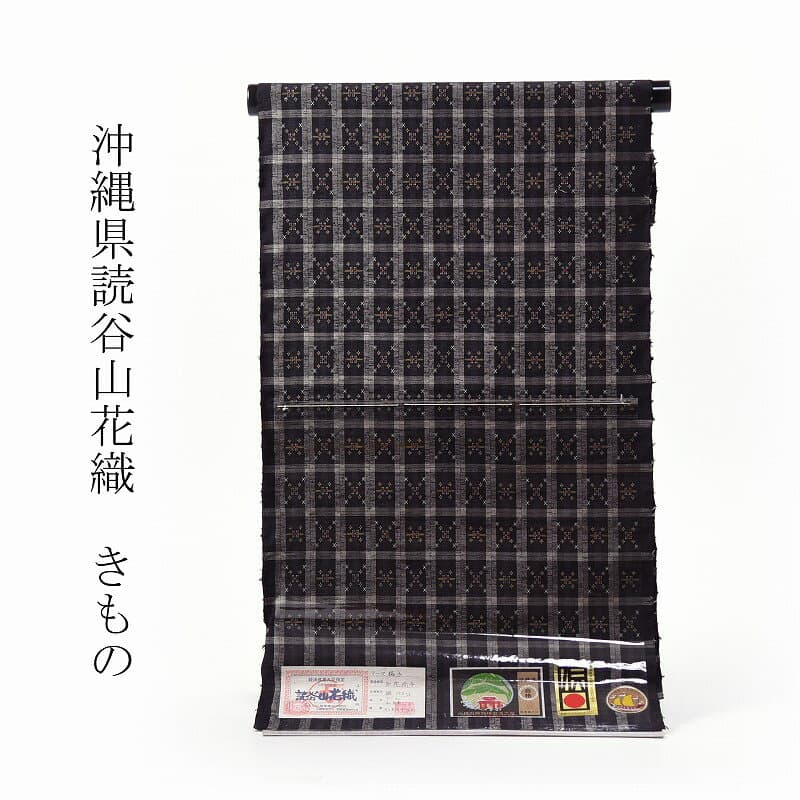
沖縄県読谷山花織 フルオーダー手縫いお仕立て付き 伝統的工芸品・沖縄県読谷山花織 手織り 最高級の紬着物 黒地 着物.おしゃれ着物.街着.外出着.普段着.ショッピング.あたなだけのお着物にお仕立て致します。送料無料
black baseさわらび〜ほりだし堂〜
 3 images
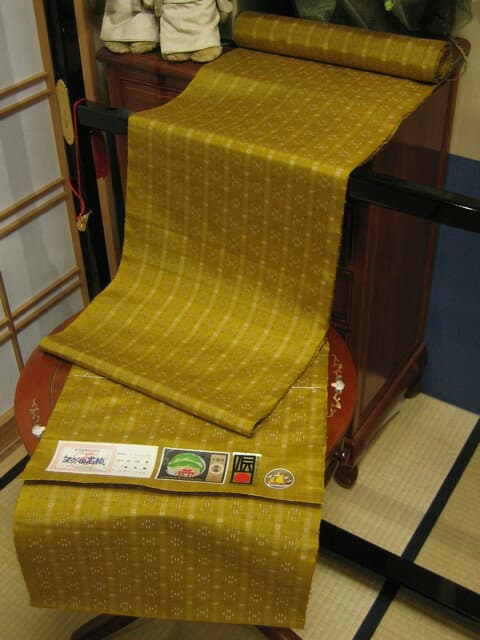
読谷山花織(ゆいたんざ はなうい) 花城由紀子氏謹製 紬着尺 からし色【smtb-k】【ky】
mustard yellowきもの処えりよし
First time buying on Rakuten? How residents in Japan order →
Yomitanzan Hanaori is anchored at Zakimi 2974-2 in Yomitan Village, Nakagami District, Okinawa. The cooperative and the Yomitan Traditional Craft Center bring yarn, dyeing, looms, pattern, exhibitions and successor training into one visible setting. The cloth is recognized by fine dots and lines that form delicate floral geometry, a pattern language connected to Ryukyu-era technique roots and to the 1964 revival that returned the textile to local hands.
The present base of Yomitanzan Hanaori is a specific address: Zakimi 2974-2 in Yomitan Village, Nakagami District, Okinawa. The cooperative and the Yomitan Traditional Craft Center stand there, tying the textile to exhibitions, production viewing and the work of a village craft institution. When culture is mentioned in this setting, it means the craft center, the cooperative, the woven cloth, and the training work that keeps the practice visible in Yomitan.
The clearest visual sign of Yomitanzan Hanaori is its flower-like geometry, made with fine points and lines. The pattern belongs to the woven surface rather than to a separate printed layer, so the eye follows small marks, line rhythms and repeated geometric forms across the cloth. Examples connected with the cooperative include cotton, silk and other natural fibers, appearing in table centers, coasters, scarves, neckties and small zippered coin purses.
The technique background reaches into the Ryukyu Kingdom’s great trade era. Kasuri and float-weave techniques said to have come from China and Southeast Asia are described as roots of Yomitanzan Hanaori, later developed within Yomitan’s weaving practice. The word tradition has concrete content here: named techniques, fine dots, fine lines, floral geometry, yarn handling and the continued use of looms in Yomitan.
Yomitanzan Hanaori declined around the early to mid-Meiji period and, after the Battle of Okinawa, nearly disappeared from local memory. In 1964, volunteers in Yomitan began reviving the so-called phantom hanaori through technical workshops that rebuilt attention and skill. In 1976, the earlier enthusiasts’ group developed into the Yomitanzan Hanaori Business Cooperative, giving the revived textile an organization for continued work.
The continuity of Yomitanzan Hanaori depends on ordinary, exact cooperative labor. The cooperative has 104 members, and its work includes joint dyeing, shared purchasing of yarn, quality labeling, improvement and inheritance of techniques, and successor training. Craft designation gives context to its standing, while the living structure is easier to grasp through practical tasks: prepare yarn together, dye together, inspect and label textiles, and teach the next hands.
At the Yomitan Traditional Craft Center in Zakimi, Hanaori can be encountered as a process as well as a finished textile. Visitors can see production processes and exhibitions, and the center offers a reserved hand-weaving experience for a Hanaori coaster. A coaster-sized loom makes the pattern language approachable: hands, yarn, dots, lines and flower geometry meet in a small woven object.
Yomitanzan Hanaori is held together by concrete anchors: Zakimi in Yomitan Village, fine dots and lines, kasuri and float-weave roots, the 1964 revival, and cooperative work by 104 members. Its continuity is found in cotton, silk, natural fibers, production viewing, hand-weaving experiences, shared dyeing, yarn purchasing, quality labels and successor training.
Compiled from public records and official sources; see the recognition links below. Details may change over time.
Where this product is officially registered, designated, or recognized in Japan.
It is written as 読谷山花織 in Japanese. Search Rakuten and other Japanese sites with that spelling — the English name will not bring up the listings.
Yomitanzan hanaori is a textile associated with Zakimi in Yomitan Village, Okinawa. Fine dots and lines form flower-like geometric motifs, with examples in cotton, silk and other natural fibers. Its roots are linked to kasuri and float-weave techniques from the Ryukyu trade era; after decline and postwar loss from memory, Yomitan volunteers revived it in 1964. A 104-member cooperative now supports joint dyeing, shared yarn purchasing, labels and successor training.
Yomitanzan hanaori is connected to the cooperative and traditional craft center at Zakimi 2974-2 in Yomitan Village, Nakagami District, Okinawa. Material examples include cotton, silk and other natural fibers. Concrete forms include table centers, coasters, scarves, neckties and zippered coin purses. The technique background is linked to kasuri and float-weave techniques associated with China, Southeast Asia and the Ryukyu trade era.
The Yomitan Traditional Craft Center presents production viewing, exhibitions and a reserved hand-weaving experience for hanaori coasters.
Naturally dyed textiles shed some colour on first wash. Hand-wash separately with a neutral detergent, avoid long soaking and bleach, and dry in the shade to prevent fading. Silk, ramie, and traditionally dyed pieces often need professional cleaning — the care label on the listing takes precedence.
Most options are shelf-stable, boxed, and travel well, so they suit gifting or bringing home. Confirm the final storage and delivery terms on the Rakuten listing.
On Rakuten: the shops listed here right now are 高松南新町商店街, さわらび〜ほりだし堂〜, きもの処えりよし. We don't sell directly; purchase, payment, stock, and delivery are all handled on the Rakuten product page.