 3 images
Toshijima Toro Sawara Frozen Spanish Mackerel Fillets
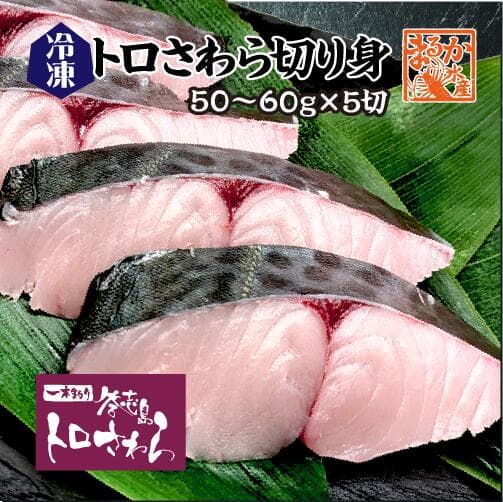
答志島トロさわら 冷凍切り身 50~60g×5切[魚介類]
50-60g x 5 piecesまるか水産楽天市場店
Japanese name答志島トロさわら
Around Toshi Island and Sugashima in Mie, line-caught sawara become Toshi Island Toro Sawara after fish-by-fish fat checks and a 10% threshold.
Information last updated 120 days ago
3 images答志島トロさわら 冷凍切り身 50~60g×5切[魚介類]
50-60g x 5 piecesまるか水産楽天市場店
First time buying on Rakuten? How residents in Japan order →
Toshi Island Toro Sawara begins in the island waters of Toba City, Mie. Near Toshi Island and Sugashima, nutrient-rich currents from Ise Bay meet the Kuroshio, and autumn-winter sawara are checked one by one with a fish body-fat analyzer. The name belongs to sawara landed in Toba waters that meet strict standards, including at least 10% fat content.
Toshi Island is a fishing island in Toba City, Mie, and its nearby waters give this sawara its first concrete setting. Around Toshi Island and Sugashima, the nutrient-rich flow of Ise Bay meets the Kuroshio; the product is rooted in a particular fishing ground, landing area, and island fishing work.
The boundary of the name is specific. It refers to fat-rich sawara landed in Toba City, excluding live fish; it also covers sawara landed around Toshi Island that clear strict standards. Place, landing area, and island fishing work all sit behind the name Toshi Island Toro Sawara.
The process includes a plain, practical sequence: sawara are carefully caught by line, then checked with a fish body-fat analyzer. The measurement work is tied to cooperation with the Mie Prefecture Fisheries Research Institute, giving fishers and cooperative staff a numerical way to judge fat content.
The threshold is 10%. Only sawara with fat content of at least 10% qualify under the Toshi Island Toro Sawara name. That number makes the name a working boundary connected to landing, inspection, and quality control in Toba's fishing community.
The usual season runs from around September to the following January, when sawara fat content rises from autumn into winter. The opening also depends on measurement: the local Toro Sawara declaration is made after the daily average fat content measured by the analyzer exceeds 10% for three consecutive days.
That declaration links the sea, the instrument, and the seasonal rhythm of Toba. The autumn-winter character of Toshi Island Toro Sawara is built from a period of roughly September to January, a three-day measured average, and the 10% fat threshold.
The current form of Toshi Island Toro Sawara grew from recent cooperation in Toba. In 2015, city administration, the tourism association, the fishery cooperative, and fishers began working together on branding; in 2018, Toshi Island Toro Sawara appeared as a new brand. The focus was concrete: raising recognition of Ise Bay sawara while maintaining freshness and quality.
The people behind that work include fisherman Toshiyuki Imura from the Wagu Bay area of Toshi Island and Masashi Kubota of the Toba-Isobe Fishery Cooperative. Around one autumn-winter fish, fishers, cooperative staff, tourism workers, and the city shared tasks of naming, quality control, and ways of presenting the fish.
Sashimi and lightly seared aburi are the clearest eating forms named for Toshi Island Toro Sawara. They are used to show the melting texture and rich fat that come from the 10% threshold, the fish-by-fish checks, and the autumn-winter season.
At the richest points of the season, measured fat content can sometimes exceed 20%, and the flesh may appear almost white. That seasonal detail helps explain why fat measurement sits at the center of the name's quality boundary.
Around November each year, Toshi Island Toro Sawara is offered at Ise Jingu. In Toba's fishing calendar, that offering expresses thanks for the sea's bounty, a wish for the fishery to continue, and a prayer for safety at sea.
At that moment, the product's cultural setting is concrete: a November offering, sawara from Toba waters, and fishers whose work depends on safety at sea. The brand itself is recent, and its present shape connects island fishing grounds, measuring tools, cooperative work, seasonal eating, and the annual offering.
Toshi Island Toro Sawara is defined by place, season, and measurement. The waters around Toshi Island and Sugashima, careful line fishing, a fish body-fat analyzer, the 10% threshold, and a usual September-to-January season all give the name a clear boundary. Sashimi and aburi turn those numbers into texture, while the November offering at Ise Jingu places the fish within Toba's working calendar of gratitude, fishing, and safety at sea.
Compiled from public records and official sources; see the recognition links below. Details may change over time.
Where this product is officially registered, designated, or recognized in Japan.
Regional collective trademark
Registered as a Regional Collective Trademark with the Japan Patent Office.
Sources1
It is written as 答志島トロさわら in Japanese. Search Rakuten and other Japanese sites with that spelling — the English name will not bring up the listings.
Toshi Island Toro Sawara is an autumn-winter sawara brand landed in the Toba waters of Mie, around Toshi Island and Sugashima. Fish are line-caught and checked one by one with a fish body-fat analyzer, and only those with at least 10% fat qualify. The season usually runs from around September to January, and a Toro Sawara declaration marks its start once the daily average exceeds 10% fat for three days running.
Toshi Island Toro Sawara refers to fat-rich sawara landed in Toba City, Mie, that meet strict standards; live fish are excluded from the named goods. The waters near Toshi Island and Sugashima are fishing grounds where nutrient-rich Ise Bay currents meet the Kuroshio. Toshi Island is a fishing island in Toba City, Mie. Branding work began in 2015 through cooperation among Toba City administration, tourism groups, the fishery cooperative, and fishers, and the new brand appeared in 2018.
Sashimi and lightly seared aburi are ways to enjoy the fish's melting texture and rich fat. The brand period usually runs from around September to January, when the fish's fat content rises from fall to winter. Authorized restaurants and lodging facilities inside and outside Toba City handle the product through channels listed on the brand site.
Storage varies by product — shelf-stable, refrigerated, or frozen — and is stated on the packaging and the Rakuten listing. Shelf-stable processed foods usually need refrigerating once opened and eating within a few days; chilled and frozen items go straight into storage on arrival. Treat the best-before date on the physical packaging as authoritative.
Most options are shelf-stable, boxed, and travel well, so they suit gifting or bringing home. Confirm the final storage and delivery terms on the Rakuten listing.
On Rakuten: the shops listed here right now are まるか水産楽天市場店. We don't sell directly; purchase, payment, stock, and delivery are all handled on the Rakuten product page.