 3 images
Ise Hijiki Ise-Shima Dried Me-Hijiki
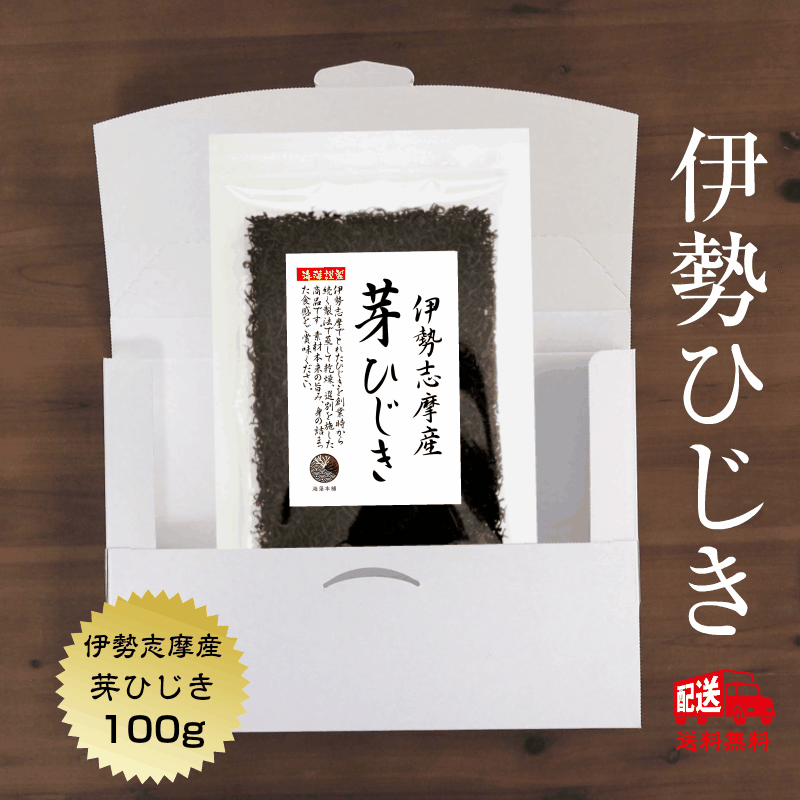
【伊勢ブランド】ひじき 伊勢志摩産 芽ひじき 100g 国産 三重県 天然ひじき 伊勢ひじき ヒジキ (追跡可能メール便) 保存食
100g海藻本舗 楽天市場店
4.8 / 114 reviews
Japanese name伊勢ひじき
On Mie’s Ise-Shima coast, rocky shallows, spring low tides, drying, washing, steaming, and drying again shape Ise hijiki’s long, thick form and firm bite.
Information last updated 119 days ago
3 images【伊勢ブランド】ひじき 伊勢志摩産 芽ひじき 100g 国産 三重県 天然ひじき 伊勢ひじき ヒジキ (追跡可能メール便) 保存食
100g海藻本舗 楽天市場店
4.8 / 114 reviews
 3 images
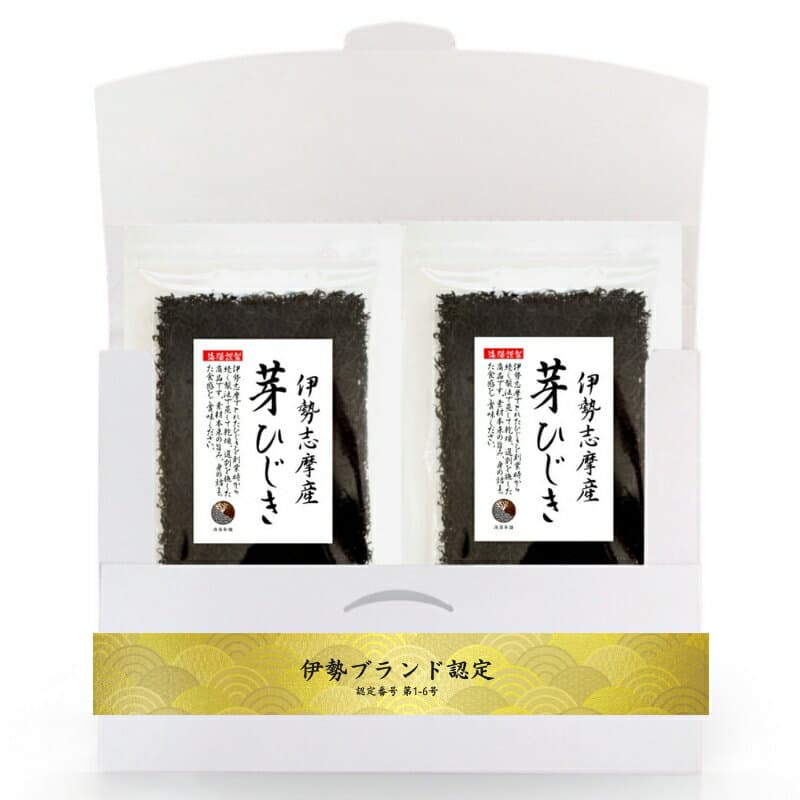
【伊勢ブランド】ひじき 芽ひじき 伊勢志摩産 120g (60g×2袋) 送料無料 (追跡可能メール便) 国産 三重県 伊勢ひじき 天然ひじき ヒジキ 保存食
120g (60g x 2 bags)海藻本舗 楽天市場店
4.9 / 81 reviews
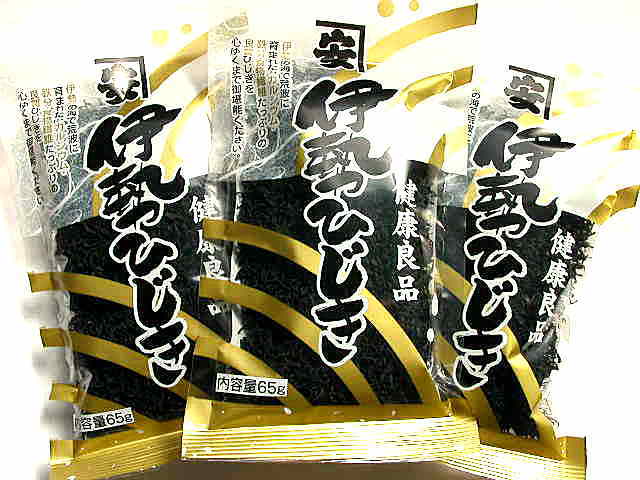
身の締り最高!煮崩れの問題解消♪栄養素がタップリ♪伊勢志摩産の伊勢ひじき65g×3袋[三重県]
65g x 3 bagsあおさ・海苔のことなら伊勢乾物
4.8 / 82 reviews
First time buying on Rakuten? How residents in Japan order →
Ise hijiki is dried hijiki produced in the Ise-Shima region of Mie Prefecture. Its path begins on shallow rocky shores, where nutrient-bearing water from Ise Bay meets Pacific water in strong tidal movement. In spring, harvesters cut hijiki from exposed rocks at low tide. The seaweed is dried, washed and desalted, steamed at high heat, then dried again before it appears in rice dishes, simmered sides, vinegared plates, salads, shira-ae, and stir-fries.
The name Ise hijiki belongs to dried hijiki produced in Mie’s Ise-Shima region. The coast has shallow rocky areas where water from Ise Bay and the Pacific mixes under strong tidal currents, creating a fitting place for hijiki to grow.
Mie has long been known as a hijiki-producing area, and hijiki from the region was shipped around Japan under the Ise hijiki name. The seaweed is described as long, thick, and flavorful; those traits sit beside the rocky shore, the moving water, and the work that follows harvest.
The main harvest runs from March to May. When the tide recedes, hijiki attached to coastal rocks is exposed, and harvesters cut it before the sea returns.
That spring rhythm ties the ingredient to a precise coastal setting. Local continuity here has a concrete shape: reading low tide, walking the rocks, and cutting seaweed from the shore in the months when it can be gathered.
The Ise method begins by drying harvested hijiki once. It is then rehydrated, washed, desalted, steamed at high temperature, dried again, cleaned of impurities, and packed.
Steaming in place of boiling is linked with reducing the loss of water-soluble umami and nutrients, and with creating a chewy texture. When Ise hijiki is described as flavorful or firm, the concrete process behind those words is water, salt removal, heat, steam, and a second drying.
The stem portion is called naga-hijiki, while the leaf portion is called kome-hijiki or me-hijiki. Kome-hijiki and me-hijiki are described as scarce and prized, while naga-hijiki carries the longer stem shape and bite.
This distinction keeps the ingredient from collapsing into one generic seaweed. Stem, leaf, long strip, small leaf piece, and steamed chew are practical differences that cooks meet in hijiki rice, simmered dishes, and dressed sides.
The early Edo-period work Kebukigusa, associated with 1638, names hijiki among noted products of Ise Province. Around the Kansei years, 1789 to 1800, hijiki from Ise is said to have become more widely known as distribution expanded.
Those dates should not be stretched into a single origin legend. They show a grounded continuity: the name of Ise’s seaweed entered product memory early, and later circulation carried it to a broader table.
Ise hijiki appears in hijiki rice, simmered dishes, vinegared preparations, salads, shira-ae, and stir-fries. Restaurants in Mie Prefecture also use Ise hijiki, placing it in both home cooking and local dining.
Each dish draws out a different side of the seaweed. Rice absorbs its flavor, simmered dishes set its chew beside other ingredients, and salads or vinegared plates bring the rehydrated dried seaweed into lighter preparations. Food culture here means concrete bowls, tofu, vinegar, simmering liquid, and everyday menus.
The Mie Hijiki Cooperative established September 15 as Hijiki Day, and a hijiki festival has been held near Ise Jingu at Okage Yokocho. The cooperative’s wish is for people to eat hijiki and live long; in food writing, that belongs as community context, not as a medical claim.
Festival and home-menu examples include hijiki croquettes and egg dishes made by folding prepared five-ingredient hijiki into eggs. These dishes show how Ise hijiki can move from spring rocks into festival stalls, egg pans, and adapted home cooking.
Ise hijiki is shaped by a clear chain of place and work: rocky shallows in Ise-Shima, low-tide harvesting from March to May, drying, washing, desalting, high-temperature steaming, and drying again. Its continuity lives in named parts such as naga-hijiki and kome-hijiki, in an early Edo-period product name, and in present-day bowls of rice, simmered sides, shira-ae, and stir-fries.
Compiled from public records and official sources; see the recognition links below. Details may change over time.
Where this product is officially registered, designated, or recognized in Japan.
Regional collective trademark
Registered as a Regional Collective Trademark with the Japan Patent Office.
Sources1
It is written as 伊勢ひじき in Japanese. Search Rakuten and other Japanese sites with that spelling — the English name will not bring up the listings.
Ise hijiki is dried hijiki produced in the Ise-Shima region of Mie Prefecture. It grows on shallow rocky shores where Ise Bay and Pacific waters meet in strong tidal currents, and it is harvested at low tide from March to May. Producers use the Ise method: drying, washing, desalting, high-temperature steaming, and drying again. Stems are called naga-hijiki, and leaves are called kome-hijiki or me-hijiki, used in rice, simmered dishes, salads, and stir-fries.
The Ise method also includes rehydrating and washing before desalting, plus impurity removal and packing after the final drying. Leaf portions (kome-hijiki, me-hijiki) are scarce and prized compared with stem portions (naga-hijiki). Kebukigusa, dated to around 1638, lists hijiki among the products of Ise Province, and the seaweed became more widely known around the Kansei era as distribution expanded. The Mie Hijiki Cooperative set September 15 as Hijiki Day and has held a hijiki festival near Ise Jingu at Okage Yokocho.
It is commonly eaten in hijiki rice and simmered side dishes. It is also used in vinegared dishes, salads, and shira-ae. Recipes are adapted in various ways, including hijiki croquettes and mixing prepared hijiki into egg dishes.
Storage varies by product — shelf-stable, refrigerated, or frozen — and is stated on the packaging and the Rakuten listing. Shelf-stable processed foods usually need refrigerating once opened and eating within a few days; chilled and frozen items go straight into storage on arrival. Treat the best-before date on the physical packaging as authoritative.
Most options are shelf-stable, boxed, and travel well, so they suit gifting or bringing home. Confirm the final storage and delivery terms on the Rakuten listing.
On Rakuten: the shops listed here right now are 海藻本舗 楽天市場店, あおさ・海苔のことなら伊勢乾物. We don't sell directly; purchase, payment, stock, and delivery are all handled on the Rakuten product page.