 3 images
伊賀ノ匠 Iga Ware Microwave Rice Donabe
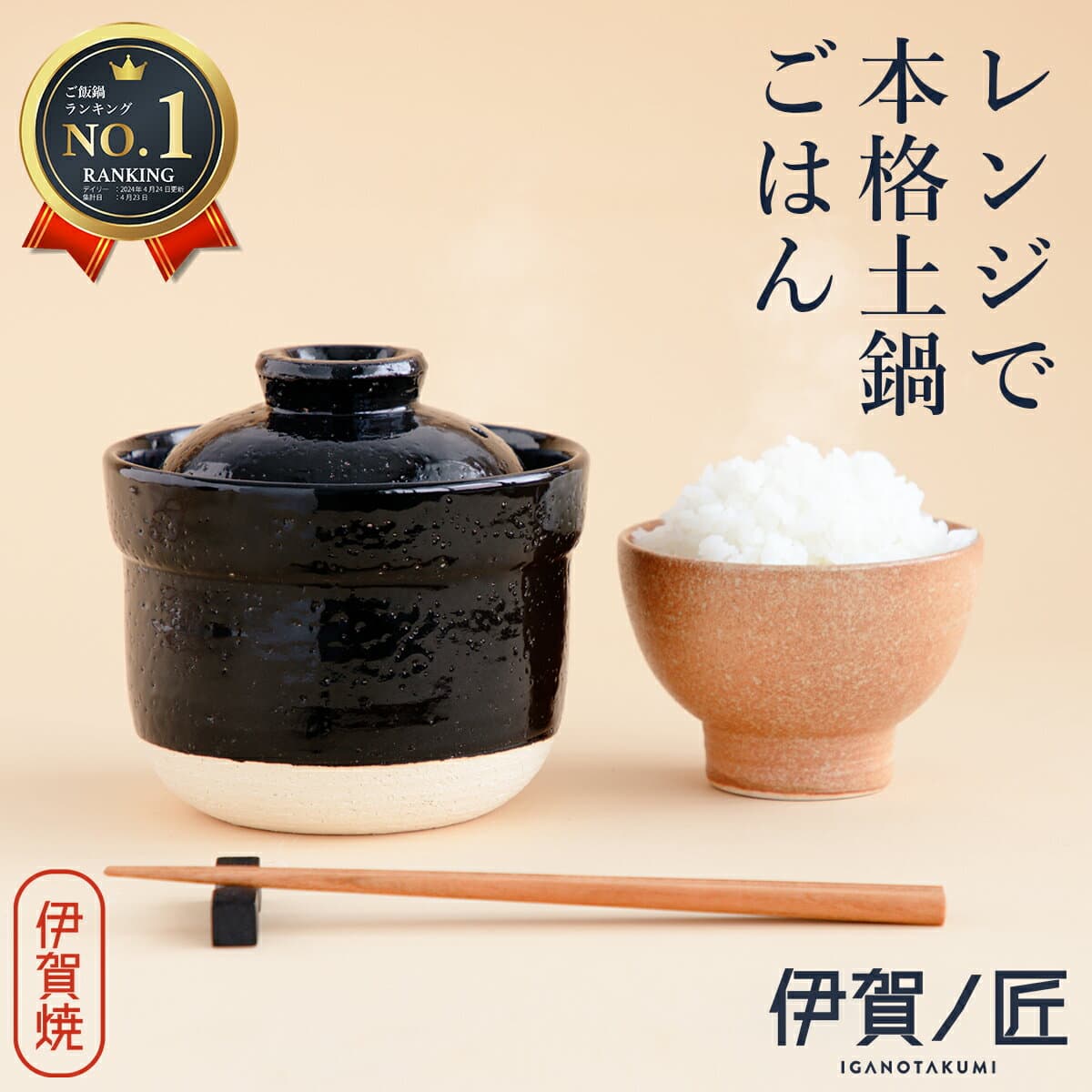
【レンジで 10分 簡単 土鍋】 伊賀ノ匠 一人用 (1人用) 伊賀焼 電子レンジ専用 炊飯 土鍋 1合 土鍋炊飯器 土鍋ご飯 日本製 伊賀の匠
1 go, single-servingプライムダイレクト(モノルル)
4.5 / 172 reviews
Japanese name伊賀焼
In Marubashira, Iga City, clay meets fierce kiln heat; bidoro, ash covering, scorch marks, splits, and warped form give tea ware, flower vessels, tableware, and sake vessels their tactile force.
Information last updated 119 days ago
3 images【レンジで 10分 簡単 土鍋】 伊賀ノ匠 一人用 (1人用) 伊賀焼 電子レンジ専用 炊飯 土鍋 1合 土鍋炊飯器 土鍋ご飯 日本製 伊賀の匠
1 go, single-servingプライムダイレクト(モノルル)
4.5 / 172 reviews
 3 images
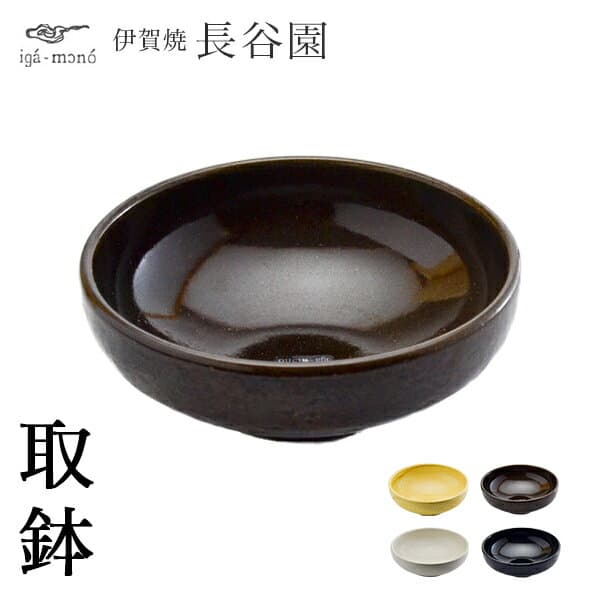
取鉢 ( 長谷園 父の日 プレゼント 和食 セット おつまみ 伊賀焼 結婚 出産 内祝い 引き出物 金婚式 誕生日プレゼント 還暦祝い 古希 喜寿 米寿 退職 定年 プレゼント お祝い お返し お礼 令和 両親 父 母 男性 女性 日本製 おすすめ おしゃれ かわいい 可愛い 人気 )
14 cm diameter伝統本舗
4.9 / 7 reviews
 3 images
【公式】 土鍋 長谷園 みそ汁鍋 大 1800ml 長谷園 7号 ~ 8号 三人用 ~ 四人用 両手鍋 17cm スープ 炊飯 ご飯 3合炊きまで ロースト 煮込み 日本製 伊賀焼 直火 空焚きOK レシピ付き マイナスイオン まろやか 調理道具 ギフト ACT-31
Large, 1800 ml伊賀焼窯元 長谷園
4.7 / 116 reviews
First time buying on Rakuten? How residents in Japan order →
Marubashira in Iga City, Mie, is the clearest place to begin with Iga ware. The area is tied to good ceramic clay and to a Tenpyo-period origin tradition: about 1,200 years ago, farmers are said to have built kilns there for everyday utensils. The Iga Ware Traditional Industry Hall in Marubashira gathers Iga and Shigaraki tea ceramics, jars, excavated sherds, and pottery classes, so the place can be read through both fired fragments and clay in the hand. The vessels carry that place in their surfaces. Iga clay withstands strong heat; wood ash can turn into green glassy bidoro, while ash covering, black scorch marks, surface splits, warping, and flame marks give tea ware, flower vessels, tableware, and sake vessels a tactile edge.
Marubashira anchors Iga ware in a specific part of Iga City. The Iga ware promotion cooperative is based in the area, and Marubashira near the Shiga border has many kilns. The family name therefore rests on a real kiln landscape: clay, workshops, the cooperative address, and the hall where visitors encounter fired fragments and tea ceramics.
A former Iga-yaki ceramics industry cooperative office also stands in Marubashira. Built in 1939 in the kiln district, the building gives the producer community a concrete place in the townscape, separate from any single potter or kiln.
Iga ware begins with everyday utensils in the Marubashira origin tradition: good local clay, farmers, and kilns for daily vessels. In the Muromachi and Momoyama periods, as tea practice grew, Iga ware drew attention as tea utensils, and Old Iga water jars and flower vases became concrete forms associated with that tea-room setting.
The use widened again from the mid-Edo period, when heat-resistant Iga clay was used for daily tableware. A tea bowl, water jar, flower vase, plate, or food bowl may sit in a different room, but each belongs to a family shaped by durable clay and a strong fired surface.
In the kiln, wood ash does part of the drawing. During high firing, falling ash can melt into green glassy bidoro; ash-covered patches, black scorch marks, and surface splits appear nearby, turning the vessel into a map of heat, ash, and clay.
Those marks are planned within the firing, even when they look like natural kiln changes. Iga ware gains force from that tension: the potter prepares for fire, the kiln alters the surface, and the finished vessel keeps the scorch, split, ash, and green glass together on one skin.
Old Iga water jars and flower vases also carry marks made before the firing. A spatula can make the wavy Yamamichi-te pattern; pressed lattice marks can sit across the surface; paired ears can be attached to the vessel body; a balanced shape can be deliberately pushed into asymmetry.
These features slow the eye down. The viewer follows the wave line, checks the pressed grid, notices the ears, then reads the changed silhouette around the mouth, belly, and foot. The rough look is built from named marks, attached parts, and altered form.
Iga ware remains close to use. Its main product types include tea ware, flower vessels, and tableware, and the vessels are made with attention to touch, mouthfeel, and how food looks when it is placed on the surface. A plate or bowl matters in the hand as much as on the table.
Water changes the surface again. When a wetted Iga vessel holds food or sake, the green bidoro stands out; in an Iga City tea-room event, matcha was served in Iga ware tea bowls made by contemporary ceramic artists. Flowers, tea, food, and sake each ask for a different vessel, yet all bring the fired skin into use.
At the Iga Ware Traditional Industry Hall in Marubashira, the material can be approached through objects and practice. Iga and Shigaraki tea ceramics, jars, excavated sherds, and other Iga ware materials sit alongside pottery classes, connecting kiln history with the pressure of fingers on clay.
A 2020 member show by the Iga-yaki Traditional Technology Preservation Society placed Old Iga works beside contemporary pieces, gallery talks, and matcha served in Iga ware bowls. In that Iga City setting, water jars, flower vases, tea bowls, and contemporary makers appeared side by side.
The weight of Iga ware comes from concrete things: Marubashira clay, high firing, falling wood ash, a water jar’s Yamamichi-te line, a flower vase’s ears, a scorched food vessel, a tea bowl with ash on its rim, and bidoro that brightens when a vessel is damp. Across everyday utensils, tea-room forms, tableware, and pottery classes, Iga ware keeps place and use on the surface of the pot.
Compiled from public records and official sources; see the recognition links below. Details may change over time.
Where this product is officially registered, designated, or recognized in Japan.
It is written as 伊賀焼 in Japanese. Search Rakuten and other Japanese sites with that spelling — the English name will not bring up the listings.
Iga ware is a ceramic family centered on Iga City, especially Marubashira, with tea ware, flower vessels, and tableware as main forms. According to tradition, farmers in Marubashira used good clay to make everyday utensils about 1,200 years ago, and tea practice in the Muromachi and Momoyama periods brought attention to Old Iga water jars and vases. High firing turns wood ash into green bidoro, along with ash covering, scorch marks, and surface splits.
Iga ware’s main production area includes Iga City in Mie Prefecture, with Marubashira as a recurring place anchor. From the mid-Edo period onward, heat-resistant Iga clay was used for daily tableware. Old Iga vessels can feature Yamamichi-te spatula waves, pressed lattice marks, paired ears, and deliberate distortion. The Iga Ware Traditional Industry Hall in Marubashira presents tea ceramics, jars, excavated sherds, and pottery classes.
Tea ware is used for tea and matcha settings, including contemporary Iga ware tea bowls for matcha. Flower vessels are used for flower arrangement display, showing kiln effects and surface texture. Tableware and sake vessels are used for food and sake, and wetting the surface makes the green bidoro stand out.
Porous earthenware is usually given a "medome" treatment first — simmer it gently in rice-rinsing water (or water with a little flour), then cool, rinse, and air-dry. This reduces staining and odour absorption. Porcelain normally just needs a wash. Follow the listing where it says otherwise.
Handmade earthenware, pieces with gold or silver overglaze, and lacquerware generally should not go in a dishwasher, microwave, or heated drying cabinet; heat-resistant porcelain usually can. Check the Rakuten listing for the specific piece.
Most options are shelf-stable, boxed, and travel well, so they suit gifting or bringing home. Confirm the final storage and delivery terms on the Rakuten listing.
On Rakuten: the shops listed here right now are プライムダイレクト(モノルル), 伝統本舗, 伊賀焼窯元 長谷園. We don't sell directly; purchase, payment, stock, and delivery are all handled on the Rakuten product page.