 3 images
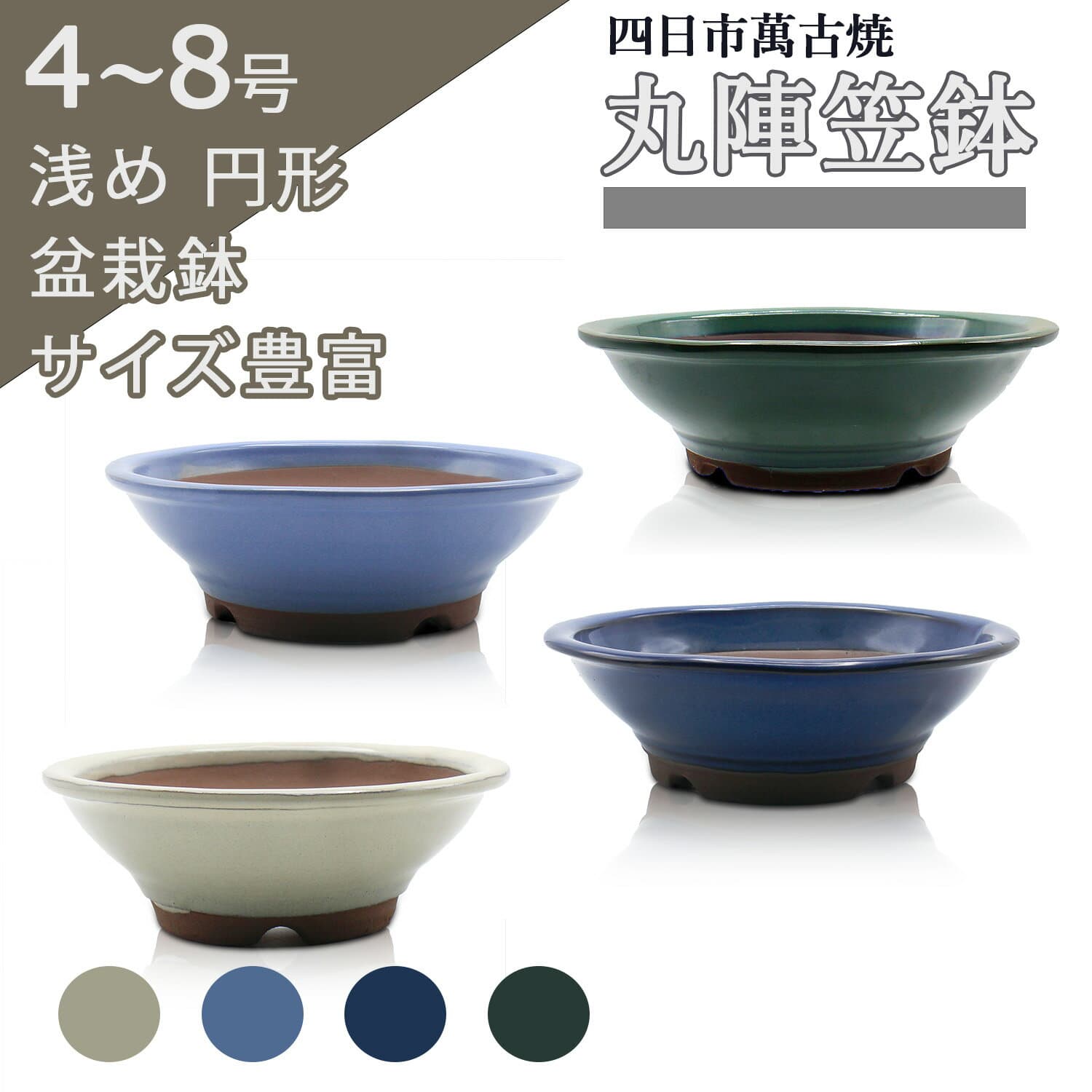
Yokkaichi Banko Ware Round Jingasa Bonsai Pot
盆栽鉢 陶器 4〜8号 丸陣笠鉢 おしゃれ 専門店 白 水色 青 緑 四色 四日市萬古焼 浅型 雑木 小品 小さい 中型 植木鉢 5 6
4-8 go, 4 colorsうめきち盆栽用品店
4.5 / 13 reviews
Japanese name四日市萬古焼
Across Yokkaichi, Komono, Asahi, Kawagoe, and nearby Mie communities, a heat-resistant semi-porcelain body shapes donabe, cooking vessels, tableware, and unglazed purple-clay kyusu.
Information last updated 119 days ago
3 images盆栽鉢 陶器 4〜8号 丸陣笠鉢 おしゃれ 専門店 白 水色 青 緑 四色 四日市萬古焼 浅型 雑木 小品 小さい 中型 植木鉢 5 6
4-8 go, 4 colorsうめきち盆栽用品店
4.5 / 13 reviews
 3 images
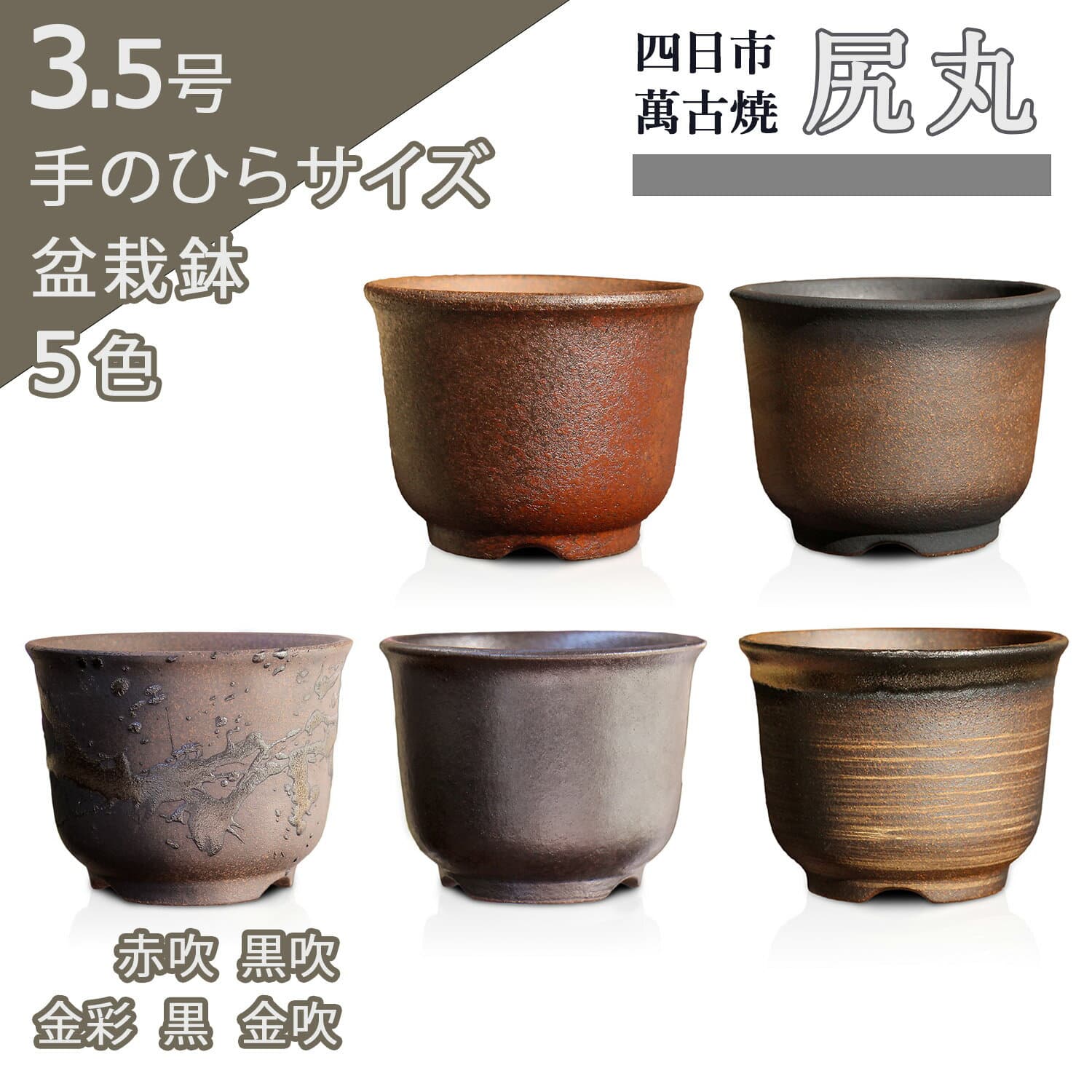
盆栽鉢 陶器 3.5号 尻丸 おしゃれ 専門店 ミニ 小さい 四日市萬古焼 金彩 黒 赤吹 金吹 黒吹 5色 丸 円形 小品 深め アガベ 塊根 多肉 サボテン 雑木 松柏 観葉植物 約10.5センチ 植木鉢 苔 サイズ目安 3号〜4号
3.5-go, 5 colorsうめきち盆栽用品店
3.0 / 1 reviews
 3 images
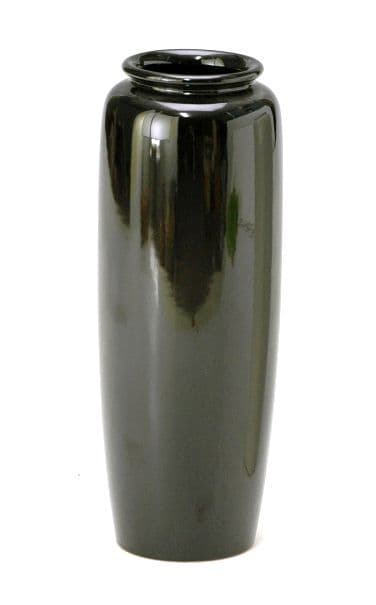
四日市萬古焼 花器 投げ入れ 全7色 西山117-124
7 colors氷販売店
First time buying on Rakuten? How residents in Japan order →
Yokkaichi Banko ware begins with a precise Mie map: Yokkaichi City, Komono Town, Asahi Town, Kawagoe Town, and nearby areas. The ceramic body sits between pottery and porcelain and is known for heat resistance strong enough for direct flame and dry heating. That material fact explains why donabe and other cooking vessels stand beside tea utensils in the same family, while the name reaches back to the mid-Edo period, when Kuwana merchant Nunami Rozan built a kiln in present-day Asahi Town and marked tea wares with “Banko Fueki.”
Compiled from public records and official sources; see the recognition links below. Details may change over time.
Where this product is officially registered, designated, or recognized in Japan.
It is written as 四日市萬古焼 in Japanese. Search Rakuten and other Japanese sites with that spelling — the English name will not bring up the listings.
Yokkaichi Banko ware is a ceramic family from northern Mie, produced mainly in Yokkaichi City, Komono Town, Asahi Town, Kawagoe Town, and nearby areas. It is a semi-porcelain, between pottery and porcelain, and its heat resistance makes it well suited to donabe and other cooking vessels that withstand direct flame and dry heating.
The name traces to Nunami Rozan, a Kuwana merchant who built a kiln in present-day Asahi Town in the mid-Edo period and used the “Banko Fueki” mark on tea wares. Purple-clay kyusu are made from local red clay rich in iron, high-fired without glaze, and treated as a symbol of Banko ware. Many Banko tableware pieces are fired at about 1150 to 1200°C and commonly use lime-based glazes. Banko no Sato Kaikan in Yokkaichi offers painting and pottery experiences.
Donabe and other heat-resistant vessels can be used over direct flame and dry heating, retaining heat well through far-infrared effects. Purple-clay kyusu, a representative Banko ware form, are used to brew tea.
Porous earthenware is usually given a "medome" treatment first — simmer it gently in rice-rinsing water (or water with a little flour), then cool, rinse, and air-dry. This reduces staining and odour absorption. Porcelain normally just needs a wash. Follow the listing where it says otherwise.
Handmade earthenware, pieces with gold or silver overglaze, and lacquerware generally should not go in a dishwasher, microwave, or heated drying cabinet; heat-resistant porcelain usually can. Check the Rakuten listing for the specific piece.
Most options are shelf-stable, boxed, and travel well, so they suit gifting or bringing home. Confirm the final storage and delivery terms on the Rakuten listing.
On Rakuten: the shops listed here right now are うめきち盆栽用品店, 氷販売店. We don't sell directly; purchase, payment, stock, and delivery are all handled on the Rakuten product page.