 3 images
Ise Katagami Stencil-Cutting Pattern Set
伊勢型紙 型抜き図案 型紙付き2
Pattern 2 (May doll)紙・文具の専門店 ミフジ
5.0 / 1 reviews
Japanese name伊勢型紙
In Suzuka, Mie, washi sheets bonded with persimmon tannin become stencil paper for dyeing kimono cloth, carrying fine patterns from Shiroko and Jike into fabric, fittings, lighting, and hands-on workshops.
Information last updated yesterday
3 images伊勢型紙 型抜き図案 型紙付き2
Pattern 2 (May doll)紙・文具の専門店 ミフジ
5.0 / 1 reviews
 3 images
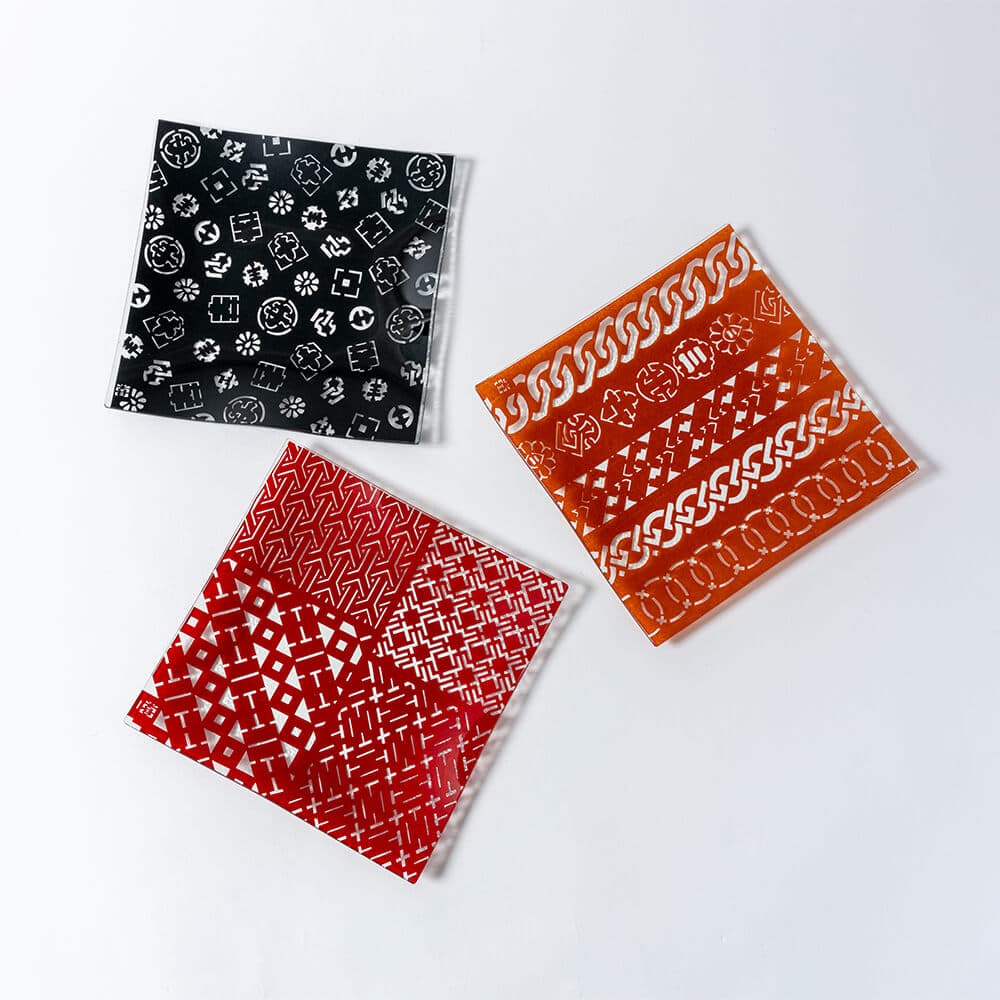
食器 ガラス 角皿 食洗機OK ギフト 伝統工芸品 伊勢形紙 松井形紙店 伊勢形紙ガラス皿 まつり 黒 つなぎ 橙 あわせ 赤
Matsuri black / Tsunagi orange / Awase red小粋屋東京
5.0 / 1 reviews
 3 images
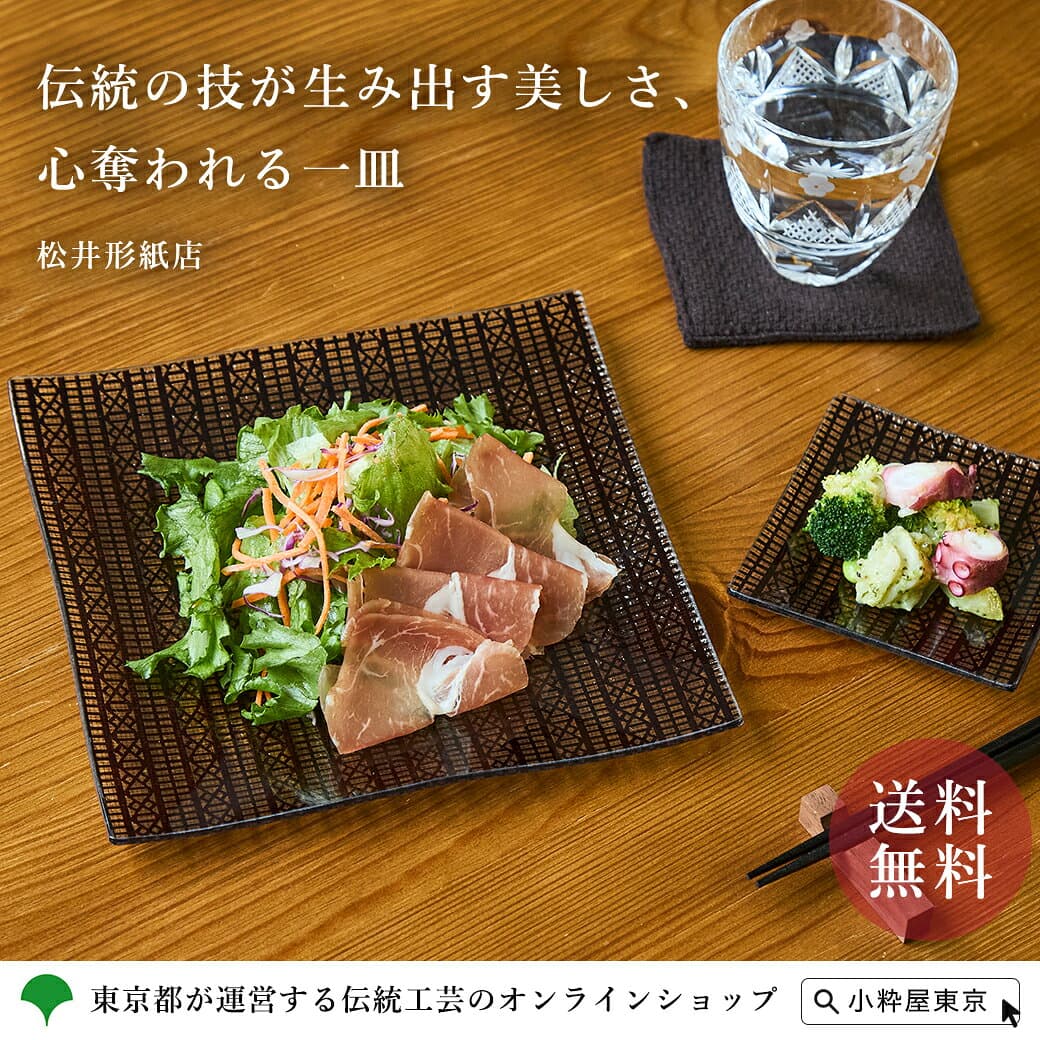
染色用型紙彫刻 伊勢形紙 ガラス皿・紗張り 松井形紙店
Sahari reinforced finish小粋屋東京
 2 images
伊勢型紙 丸きり #7
No. 7, 1.2 mm diameter紙・文具の専門店 ミフジ
5.0 / 3 reviews
 3 images
伊勢型紙 型抜き図案 型紙付き大
Large (420 x 300 mm)紙・文具の専門店 ミフジ
4.8 / 4 reviews
First time buying on Rakuten? How residents in Japan order →
All 5 listings of this product on Rakuten, lowest price first.
| Listing | Price | Shop | Reviews | Open listing |
|---|---|---|---|---|
Ise Katagami Stencil-Cutting Pattern Set Pattern 2 (May doll)Lowest price | ¥1,210 | 紙・文具の専門店 ミフジ | 5.0 / 1 reviews | View on Rakuten → |
Ise Katagami Cutout Design Set with Pattern Paper Large (420 x 300 mm) | ¥1,760 | 紙・文具の専門店 ミフジ | 4.8 / 4 reviews | View on Rakuten → |
Ise Katagami Marukiri Round Punch No. 7, 1.2 mm diameter | ¥2,420 | 紙・文具の専門店 ミフジ | 5.0 / 3 reviews | View on Rakuten → |
Ise-Katagami Sahari Glass Plate by Matsui Katagami-ten Sahari reinforced finish | ¥10,175 | 小粋屋東京 | View on Rakuten → | |
Matsui Katagami-ten Ise Katagami Glass Square Plate Matsuri black / Tsunagi orange / Awase redGift-ready | ¥11,000 | 小粋屋東京 | 5.0 / 1 reviews | View on Rakuten → |
Japanese · new tab
Ise Katagami begins as paper made for cloth. Around Suzuka in Mie Prefecture, washi sheets are bonded with persimmon tannin to form stencil paper, then carved with knives according to a pattern. The cut paper serves a practical role: it helps place motifs onto kimono fabric and bolts of cloth. Place names such as Shiroko, Jike, and Ejima remain tied to its materials, trade, training, museums, and workshops.
Ise Katagami is first a working tool. It is a stencil used in the dyeing process for kimono fabric and bolts of cloth; once the pattern is cut through the paper, dye can pass through the openings onto textile. Suzuka is the center of the craft, with the Ise Katagami Cooperative based in Jike and city institutions presenting tools, works, demonstrations, and the making process.
The material begins with washi bonded by persimmon tannin into katagami base paper. That paper must accept repeated cuts from carving knives while remaining useful in dyeing work. Carvers choose among four broad techniques according to the design, cutting lines, dots, and fine spaces into the sheet. A Mie Prefecture visit report notes that one kind of stencil can take close to a month to complete, and that reaching trainee status in one technique can take five years.
Shiroko and Jike gained importance during the Edo period. After Shiroko came under the Kishu domain, Ise Katagami developed with domain protection; fine komon patterns for samurai formal wear became increasingly detailed, carvers and dyers worked together, and stencil sellers organized trade groups that carried stencils around the country. Earlier beginnings are described through several legends and theories, from Nara to Heian and Muromachi contexts, with no single origin established.
Modern clothing changes affected the stencil trade, and the Pacific War dealt it a severe blow. After the war, domestic recovery brought renewed kimono demand, stencil businesses returned, and demand reached a peak in the Showa 40s. Later, kimono use declined and newer dyeing technologies spread, reducing the need for stencils. Continuity now depends on transmission courses by the Ise Katagami preservation group, successor training, cooperative activity, and exhibitions in Suzuka.
The fine patterns of Ise Katagami depend on disciplined hand and eye work. Preservation training moves through stages, and one technique may require five years before a trainee reaches the next level; works are also submitted and reviewed every year. The cooperative has fifteen members and takes part in events, demonstrations, educational workshops, training programs, and management of the Suzuka City Traditional Industries Museum, keeping the carving practice connected to a wider local community.
Ise Katagami remains linked to textile dyeing while also appearing in everyday objects. Cut patterns are used for business cards, bookmarks, lamps, fusuma panels, lighting fixtures, and architectural fittings. At the Suzuka City Traditional Industries Museum, visitors can encounter bookmark carving, handkerchief dyeing, and craftsperson demonstrations. These newer uses keep the same washi, persimmon tannin, and carved pattern visible beyond kimono cloth.
The strength of Ise Katagami lies in specific work done in Suzuka: washi becomes stencil paper with persimmon tannin, knives open the design, and dyeing turns the paper into a tool for cloth. From Shiroko and Jike to the city’s museum spaces, from Edo-period komon to bookmarks, lamps, fittings, and workshops, the craft continues through material knowledge, trained hands, and local organizations.
Compiled from public records and official sources; see the recognition links below. Details may change over time.
Where this product is officially registered, designated, or recognized in Japan.
Regional collective trademark
Registered as a Regional Collective Trademark with the Japan Patent Office.
Sources1
It is written as 伊勢型紙 in Japanese. Search Rakuten and other Japanese sites with that spelling — the English name will not bring up the listings.
Ise katagami stencils are a dyeing stencil craft centered in Suzuka, Mie. Washi sheets are bonded with persimmon tannin into stencil paper and carved with knives so patterns can be dyed onto kimono fabric and bolts of cloth. Shiroko and Jike developed in the Edo period through Kishu domain protection, fine komon demand, cooperation between carvers and dyers, and traveling stencil sellers. Today, preservation groups, the cooperative, museums, training, review, workshops, and newer uses carry the practice forward.
The production center is Suzuka in Mie Prefecture, and the Ise Katagami Cooperative is located in Jike, Suzuka. After the Pacific War, kimono demand recovered and Ise Katagami demand peaked in the Showa 40s before declining with lower kimono use and newer dyeing technologies. The preservation group and cooperative support transmission through courses, training, annual review, events, demonstrations, and educational workshops. Contemporary uses include business cards, bookmarks, lamps, fusuma panels, lighting fixtures, architectural fittings, and hands-on dyeing or carving experiences.
Ise katagami stencils were made to dye motifs onto kimono fabric and bolts of cloth, and the washi material and form were suited to that dyeing process. In the Edo period, stencil dyeing was used on samurai kamishimo, and finer komon patterns developed through cooperation between carvers and dyers. Today, carved washi is also used for business cards, bookmarks, lamps, fusuma panels, framed pieces, lighting fixtures, and architectural fittings, and Suzuka City Traditional Industry Hall offers bookmark carving and handkerchief dyeing experiences.
Keep craft pieces out of direct sunlight, damp, and sharp temperature swings, and store them where they won't knock against anything. Wood, bamboo, lacquer, and paper don't tolerate water — wipe any moisture off immediately. Specific care notes are on the listing.
Most options are shelf-stable, boxed, and travel well, so they suit gifting or bringing home. Confirm the final storage and delivery terms on the Rakuten listing.
On Rakuten: the shops listed here right now are 紙・文具の専門店 ミフジ, 小粋屋東京. We don't sell directly; purchase, payment, stock, and delivery are all handled on the Rakuten product page.