 3 images
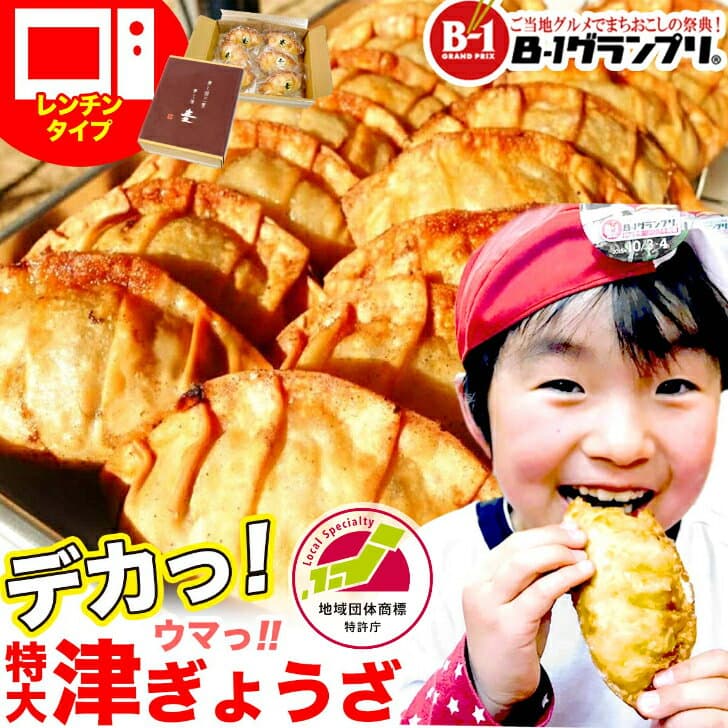
麦一等兵 Microwave Tsu Gyoza
【レンチン津ぎょうざ90g 6ケ】 1セット ジャンボ餃子 餃子 お取り寄せグルメ B級グルメ B-1グランプリ 送料無料【麦一等兵】原材料 オール 国産 特大!90g6ケ入り ご当地グルメ ゴールドグランプリ受賞団体 三重県津市の学校給食メニュー 揚げ餃子 楽天ランキング1位
90g x 6 pieces御麺 麦 一等兵 楽天市場店
4.7 / 32 reviews
Japanese name津ぎょうざ
Tsu gyoza is built around a large 15 cm wrapper, deep-frying, and a memory that moved from school lunches in Tsu City to festivals, restaurants, and civic events.
Information last updated 119 days ago
3 images【レンチン津ぎょうざ90g 6ケ】 1セット ジャンボ餃子 餃子 お取り寄せグルメ B級グルメ B-1グランプリ 送料無料【麦一等兵】原材料 オール 国産 特大!90g6ケ入り ご当地グルメ ゴールドグランプリ受賞団体 三重県津市の学校給食メニュー 揚げ餃子 楽天ランキング1位
90g x 6 pieces御麺 麦 一等兵 楽天市場店
4.7 / 32 reviews
 3 images
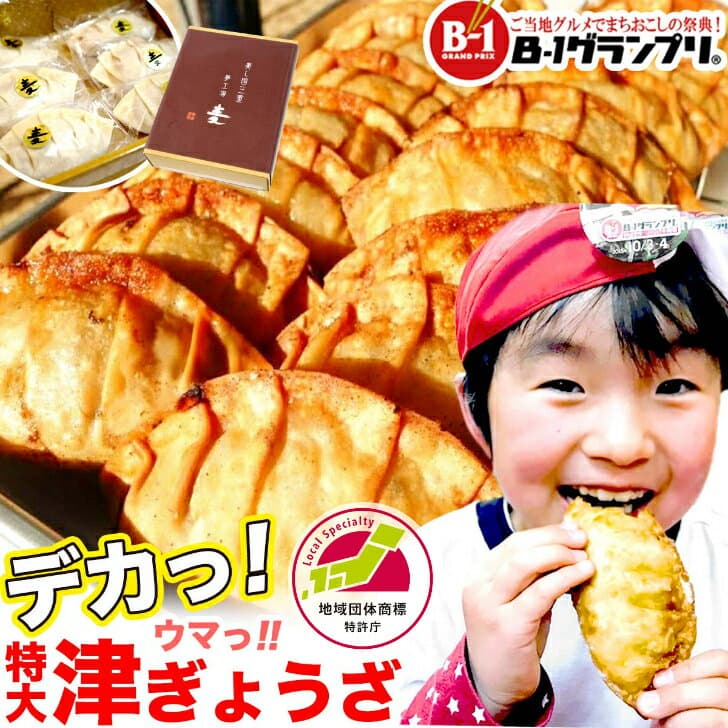
【生 津ぎょうざ90g 6ケ】お取り寄せグルメ B級グルメ B-1グランプリ 送料無料【麦一等兵】原材料 オール 国産 特大! ご当地グルメ ゴールドグランプリ受賞団体 津ぎょうざ小学校 三重県津市の学校給食メニュー 揚げ餃子 楽天ランキング1位【美し国三重】うましくにみえ
90g x 6 pieces御麺 麦 一等兵 楽天市場店
4.3 / 15 reviews
First time buying on Rakuten? How residents in Japan order →
In Tsu City, Mie Prefecture, Tsu gyoza begins with a size people can picture: a custom 15 cm wrapper folded around filling and fried. The dish appeared in Tsu school lunches around 1985, when nutrition staff worked with the needs of children and lunch kitchens at the same time. They wanted one handmade item that could feel satisfying, carry nutrition, and still fit the workload of a school lunch operation. From that kitchen decision, the large fried gyoza later reached Tsu Matsuri, city restaurants, and community events.
The clearest features of Tsu gyoza are concrete: Tsu City, a 15 cm wrapper, and deep-frying. Those features make the dish immediately different from small pan-fried dumplings. The wrapper turns one piece into a school-lunch main item, while frying gives the skin a crisp fragrance and helps heat reach the filling. In plain terms, the protected name is tied to fried gyoza made or served in Tsu City and nearby areas; for a reader at the table, the meaning is felt through the large wrapper, the fried skin, and the city settings where it is served.
Tsu gyoza developed in Tsu school lunches around 1985. Nutrition staff considered children’s nutrition and sense of fullness, along with the labor of wrapping dumplings by hand in school kitchens. The 15 cm custom wrapper answered both needs: fewer pieces had to be wrapped, and each child could receive a striking large fried gyoza on the tray. Its tradition is concrete through lunch kitchens, handmade work, children’s meals, and a size that former pupils could recognize years later.
The school-lunch version uses Mie Prefecture pork, onion, chives, and seasonings mixed as filling, then wrapped in the 15 cm skin. The cooking is slow, low-temperature frying, so heat reaches the inside instead of only browning the surface. That process explains the two textures often associated with Tsu gyoza: a crisp, fragrant wrapper and juicy filling. The dish’s character comes from the connection between wrapper size, filling, oil temperature, and the school-lunch kitchen that had to cook for children at scale.
In October 2008, residents sold Tsu gyoza at Tsu Matsuri for the first time as a civic activity. Across two days, 400 pieces sold out. That moment moved the large fried gyoza beyond the memory of school lunch and into a public festival setting. For people who had eaten it as pupils, the 15 cm fried gyoza carried familiarity after graduation; for people who had not, its size, name, and fried aroma made it a new marker of Tsu City. The response also made restaurant adoption a practical next step.
After the Tsu Matsuri response, local restaurants were asked to add Tsu gyoza to their menus, and about 20 agreed at the start. Later descriptions say more than 30 restaurants in Tsu City offer it. The civic group Tsugyoza Shogakko, founded in 2014, has kept the large fried gyoza visible through event sales and B-1 Grand Prix activity; in 2019, the group won the Gold Grand Prix at B-1 Grand Prix in Akashi. Here, local identity is a restaurant menu, a festival stall, a civic group, and a 15 cm wrapper recognized across the city.
Tsu gyoza is still introduced through its school-lunch origin, and it is described as a popular lunch menu in Tsu City. Its continuity can be seen in several places: children meeting a large fried gyoza at lunch, residents buying it at Tsu Matsuri, restaurants serving it in the city, and a civic group presenting it at events. When different generations can identify a local food by the same size and the same fried form, the dish becomes part of daily meals and public gatherings at once.
Tsu gyoza’s appeal rests on a simple, specific form: a 15 cm wrapper, fried skin, juicy filling made in the school-lunch version with ingredients such as Mie pork, and the shared memory of lunches in Tsu City. From the lunch kitchen around 1985 to the 400 pieces sold at Tsu Matsuri in 2008, then onward to restaurants and Tsugyoza Shogakko events, one large fried gyoza has become a food the city can recognize together.
Compiled from public records and official sources; see the recognition links below. Details may change over time.
Where this product is officially registered, designated, or recognized in Japan.
Regional collective trademark
Registered as a Regional Collective Trademark with the Japan Patent Office.
Sources1
It is written as 津ぎょうざ in Japanese. Search Rakuten and other Japanese sites with that spelling — the English name will not bring up the listings.
Tsu gyoza is a local fried gyoza from Tsu City, Mie Prefecture, defined by a custom 15 cm wrapper and deep-frying. It developed in Tsu school lunches around 1985, when nutrition staff considered children’s nutrition, fullness, and school-kitchen workload.
The school-lunch filling described for Tsu gyoza includes Mie Prefecture pork, onion, chives, and seasonings. Slow low-temperature frying is described as producing a crisp, fragrant wrapper and juicy filling. At Tsu Matsuri in 2008, residents sold 400 pieces of Tsu gyoza over two days. After the 2008 festival response, about 20 restaurants initially agreed to serve Tsu gyoza, and later descriptions refer to more than 30 restaurants in Tsu City offering it.
Tsu gyoza began as a school-lunch menu around 1985 and remains strongly associated with children’s lunches in Tsu, where MAFF says it regularly ranks among favorite menu items. In 2008, residents sold it at Tsu Matsuri as local festival food, after which restaurants in Tsu were asked to add it to menus. Tsugyoza Shogakko, founded in 2014, has also sold and promoted it at civic events and through B-1 Grand Prix participation.
Storage varies by product — shelf-stable, refrigerated, or frozen — and is stated on the packaging and the Rakuten listing. Shelf-stable processed foods usually need refrigerating once opened and eating within a few days; chilled and frozen items go straight into storage on arrival. Treat the best-before date on the physical packaging as authoritative.
Most options are shelf-stable, boxed, and travel well, so they suit gifting or bringing home. Confirm the final storage and delivery terms on the Rakuten listing.
On Rakuten: the shops listed here right now are 御麺 麦 一等兵 楽天市場店. We don't sell directly; purchase, payment, stock, and delivery are all handled on the Rakuten product page.