 3 images
Ouchiyama Milk
【冷蔵】大内山牛乳 1000ml 6本 (三重県産 特産品 贈り物 ギフト )
1000ml x 6 bottles食品卸 KAMBUTSUYA
4.7 / 6 reviews
Japanese name大内山牛乳
In Taiki, southern Mie, twelve Mie dairy farmers supply raw milk that is collected each morning, filled at the factory, and known at many school-lunch tables.
Information last updated 119 days ago
3 images【冷蔵】大内山牛乳 1000ml 6本 (三重県産 特産品 贈り物 ギフト )
1000ml x 6 bottles食品卸 KAMBUTSUYA
4.7 / 6 reviews
 3 images
【冷蔵】大内山酪農 大内山牛乳 1000ml 3本 (三重県産 特産品 ギフト 贈り物)
1000ml x 3 bottlesくまの中谷商店
5.0 / 1 reviews
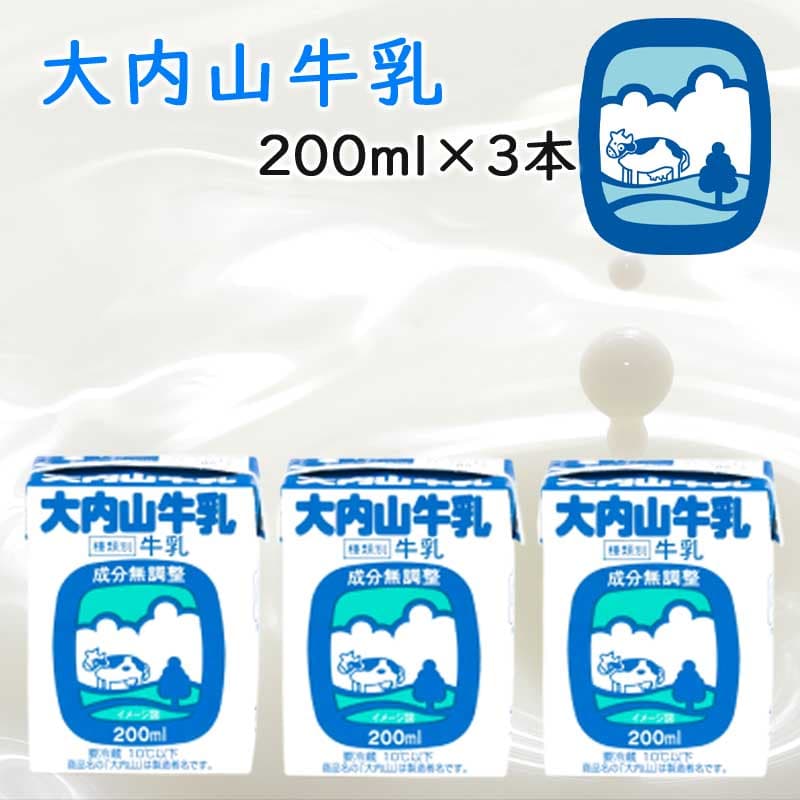 3 images
【冷蔵】大内山酪農 大内山牛乳 200ml 3本 (三重県産 特産品 ギフト 贈り物)
200ml x 3 bottlesくまの中谷商店
5.0 / 1 reviews
First time buying on Rakuten? How residents in Japan order →
Ouchiyama Milk begins in Ouchiyama, Taiki, in southern Mie, where green mountains, clean water, and clear air frame the dairy setting. The cooperative at 3248-2 Ouchiyama was established in 1948, and its present milk route stays close to home: raw milk from Mie dairy farmers is collected in the morning, filled at the factory, and reaches school lunches and local daily use. The family is best understood through that route, through cow health, and through the checks that sit between the farm and a glass of milk.
At 3248-2 Ouchiyama in Taiki, the dairy sits among green mountains, clean water, and clear air. That landscape is tied to work rather than scenery alone: the same Ouchiyama setting is connected with milk as well as pudding, butter, yogurt, and other dairy products. Place, farms, and factory are held together by one local name.
Ouchiyama Milk is supported by twelve dairy farmers who belong to the cooperative, and its milk uses raw milk from twelve contract dairy farms in Mie. The cooperative describes an integrated flow from raising dairy cattle to manufacturing, so feedback from drinkers can return to the production site and quality management can reach back toward the farms and cow condition.
Each morning, raw milk is gathered from the farms and brought to the factory, where it is filled before moving toward school lunches and daily tables in Mie. Production, collection, manufacturing, and consumption are described as staying within the prefecture, shortening the time from milking to the drinker. The freshness claim has a concrete geography: farms, factory, schools, and Mie households are close to one another.
The cooperative’s long-used motto says that good milk starts with healthy cows. That idea has a practical reason: milk flavor is often affected by the condition of the cow, and the Holstein cattle raised here are sensitive to heat, so milk concentration can change between summer and winter. Season enters the glass through the cow’s body, not through decoration.
Inside the factory, milk passes through concrete checkpoints such as a metal detector, weight checker, and date camera, while about twenty cameras help monitor the production line. The checks cover finished products, raw milk, and products near the end of their shelf life; inspection items include antibiotics, bacteria, components, specific gravity, and acidity. These technical words point back to an everyday object: milk served at lunch or poured at home.
Ouchiyama Milk is familiar in Mie school lunches. In 2021, the elementary-school count was 356 of 521 schools, or about 68%; broader local wording rounds school-lunch use to about seven in ten elementary and junior-high schools. For many children in Mie, the name Ouchiyama first appears beside lunch.
The taste cue is simple: Ouchiyama Milk is described as rich, yet light and easy to drink. The concrete frame behind that impression is raw milk from Mie contract dairy farms, morning collection, factory filling, and a nearby dairy line that includes pudding, butter, and yogurt alongside milk.
Seen from Ouchiyama in Taiki, the outline of the milk is drawn by twelve Mie dairy farmers, morning collection, healthy cows, factory checks, and school lunches across the prefecture. Its local character is concrete: the place is Ouchiyama, the raw milk comes from Mie, the route stays inside Mie, and the taste is remembered as rich yet light.
Compiled from public records and official sources; see the recognition links below. Details may change over time.
Where this product is officially registered, designated, or recognized in Japan.
Regional collective trademark
Registered as a Regional Collective Trademark with the Japan Patent Office.
Sources1
It is written as 大内山牛乳 in Japanese. Search Rakuten and other Japanese sites with that spelling — the English name will not bring up the listings.
Ouchiyama milk comes from Ouchiyama in Taiki, southern Mie, and centers on raw milk from twelve Mie dairy farmers. Raw milk is gathered each morning and filled at the factory, with production, collection, manufacturing, and consumption kept on a short route inside Mie. It is familiar in Mie school lunches and is described as rich yet light and easy to drink.
In 2021, Ouchiyama milk was used at 356 of 521 Mie elementary schools, about 68%, and school-lunch use is also described as about 70%. The cooperative was established in 1948. Factory checks include a metal detector, weight checker, date camera, and tests for antibiotics, bacteria, components, specific gravity, and acidity. The Holstein cattle raised by the cooperative are heat-sensitive, and milk concentration can change between summer and winter.
After morning collection and factory filling, it is delivered to sales outlets and schools, and a home delivery service is also offered. It is sold through Mie retailers, roadside stations, and tourism facilities for daily drinking at home or nearby.
Storage varies by product — shelf-stable, refrigerated, or frozen — and is stated on the packaging and the Rakuten listing. Shelf-stable processed foods usually need refrigerating once opened and eating within a few days; chilled and frozen items go straight into storage on arrival. Treat the best-before date on the physical packaging as authoritative.
Most options are shelf-stable, boxed, and travel well, so they suit gifting or bringing home. Confirm the final storage and delivery terms on the Rakuten listing.
On Rakuten: the shops listed here right now are 食品卸 KAMBUTSUYA, くまの中谷商店. We don't sell directly; purchase, payment, stock, and delivery are all handled on the Rakuten product page.