 3 images
Tokyo Milk from Tama Dairy Farmers, 100% Raw Milk
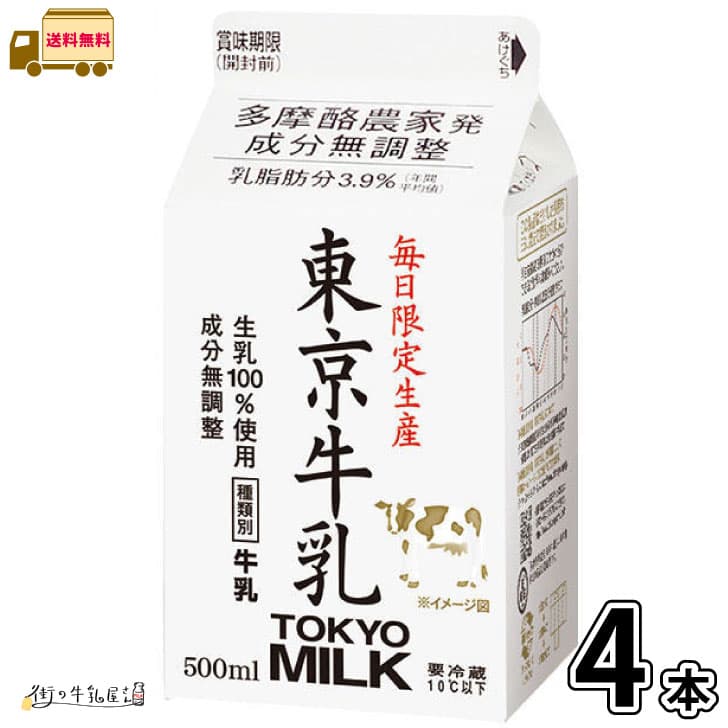
多摩酪農家発 東京牛乳 500ml 4本 【送料無料】 牛乳 生乳100% 成分無調整 無調整牛乳 パック牛乳 限定生産 メイトー 協同乳業 一般製品 【P10】
500ml x 4 packs街の牛乳屋さん
5.0 / 1 reviews
Japanese name東京牛乳
Tokyo Milk begins with raw milk from dairy farmers inside the metropolis, then moves each day through nearby inspection, pasteurization, and packing before it reaches drinkers.
Information last updated 121 days ago
3 images多摩酪農家発 東京牛乳 500ml 4本 【送料無料】 牛乳 生乳100% 成分無調整 無調整牛乳 パック牛乳 限定生産 メイトー 協同乳業 一般製品 【P10】
500ml x 4 packs街の牛乳屋さん
5.0 / 1 reviews
 3 images
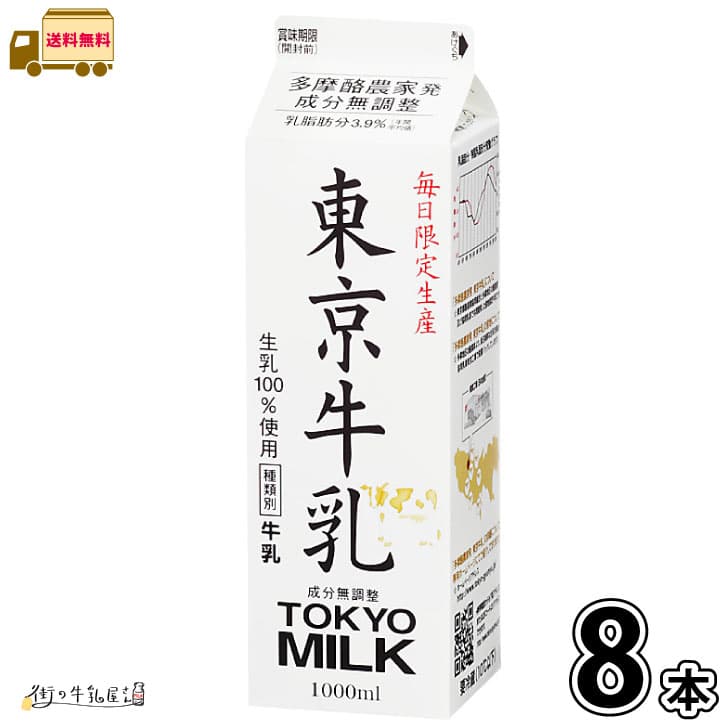
多摩酪農家発 東京牛乳 1000ml 8本 【送料無料】 1L 牛乳 生乳100% 成分無調整 無調整牛乳 パック牛乳 限定生産 メイトー 協同乳業 一般製品 【P10】
1000ml x 8 cartons街の牛乳屋さん
 3 images
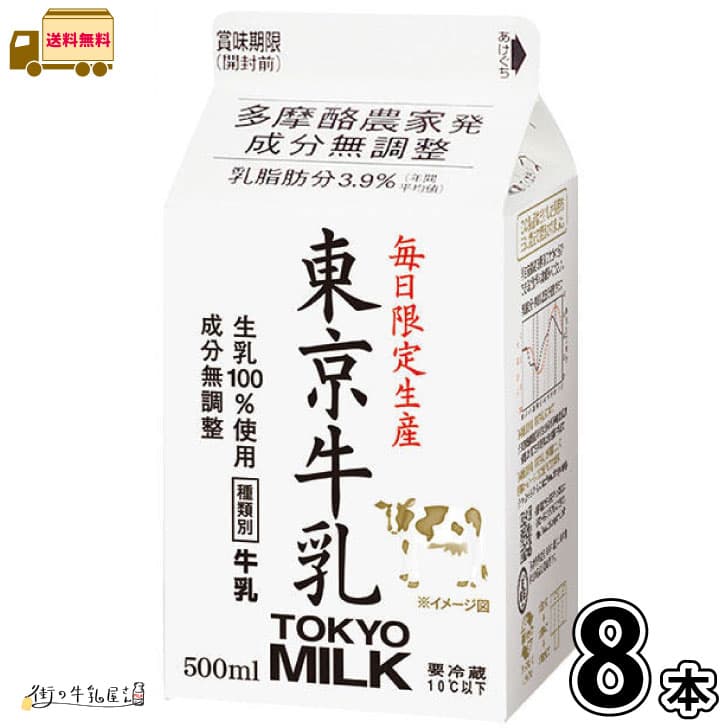
多摩酪農家発 東京牛乳 500ml 8本 【送料無料】 牛乳 生乳100% 成分無調整 無調整牛乳 パック牛乳 限定生産 メイトー 協同乳業 一般製品 【P10】
500ml x 8 cartons街の牛乳屋さん
First time buying on Rakuten? How residents in Japan order →
Tokyo Milk starts with a practical surprise: dairy farming still continues inside Tokyo. The brand was developed by the Tokyo Metropolitan Dairy Cooperative with Kyodo Milk Industry, using raw milk gathered from Tokyo dairy farmers. Each day’s milk moves to a nearby plant for inspection, pasteurization, and packing, so the short distance between farms, factory, and consumers becomes part of the milk’s character.
When the cooperative introduces Tokyo Milk at events, people often ask whether Tokyo has farms. The answer is in the bottle: Tokyo dairy farmers raise cows within the metropolis and send out raw milk every day. In January 2019, Tokyo had 45 dairy farms, and their milk was described as moving through a milk factory before appearing as Tokyo Milk on supermarket shelves the next day.
The route behind Tokyo Milk is direct. Farmers collect raw milk from cows they have raised, the milk is gathered each day, and a nearby factory handles inspection, pasteurization, and packing. Because milk depends so much on time and handling, Tokyo’s close spacing between farms, factory, and drinkers makes freshness a concrete part of the product rather than a loose promise.
Tokyo’s dairy map has shifted over time. In the Meiji period, farms and cattle were found around Iidabashi, Bunkyo, and central Tokyo. By the Showa period, dairy activity had moved more toward the Tama area. That movement gives Tokyo Milk a specific geography: city-center dairy traces at one end, and the continuing Tama dairy area at the other.
Tokyo Milk is made from raw milk from Tokyo cows, and TOKYO GROWN identifies the milking cows as Holsteins. Season changes the taste in a simple way: in summer, cows drink more water and eat watery green grass, so milk fat tends to fall and the milk tastes lighter; in winter, milk fat rises and the milk becomes richer. The carton’s 3.9% or higher milk-fat label gives that seasonal difference a clear dairy reference point.
Tokyo milk also appears in foods that change its texture and use. It is made into soft-serve ice cream, rusks, pudding, baumkuchen, and cheese, while the cooperative also presents Tokyo Milk sable and rusks among related items. These foods keep the same local milk route visible in different forms: cold soft-serve, baked sweets, set pudding, layered cake, and cheese.
Tokyo milk also has a small place in the food scenes of the 1964 Tokyo Olympics. TOKYO GROWN describes it being served in dining halls and at a milk bar in the athletes’ village. The detail works best as a compact scene rather than an origin myth: milk from Tokyo dairy farms was poured in the city during an international event held there.
The character of Tokyo Milk comes from everyday dairy work inside the metropolis: Tokyo cows, daily collection, a nearby plant, inspection, pasteurization, packing, and a short route to consumers. Its taste has a seasonal rhythm, lighter in summer and richer in winter. In a glass, a pudding, a rusk, a baumkuchen, or cheese, it shows Tokyo as a place where dairy farming still has a working address.
Compiled from public records and official sources; see the recognition links below. Details may change over time.
Where this product is officially registered, designated, or recognized in Japan.
Regional collective trademark
Registered as a Regional Collective Trademark with the Japan Patent Office.
Sources1
It is written as 東京牛乳 in Japanese. Search Rakuten and other Japanese sites with that spelling — the English name will not bring up the listings.
Tokyo Milk is a branded milk developed by the Tokyo Metropolitan Dairy Cooperative with Kyodo Milk Industry, using raw milk from dairy farmers in Tokyo. Raw milk is collected daily, sent to a nearby plant, inspected, pasteurized, and packed. It is labeled 3.9% or higher milk fat, and tastes lighter in summer and richer in winter.
Tokyo had 45 dairy farms in January 2019. In the Meiji period, farms existed around Iidabashi, Bunkyo, and central Tokyo; by the Showa period, dairy activity had shifted toward Tama. Tokyo milk was served in dining halls and at a milk bar in the athletes' village during the 1964 Tokyo Olympics. Tokyo milk is used in soft-serve ice cream, rusks, pudding, baumkuchen, and cheese.
It is sold as everyday drinking milk: raw milk is collected daily from Tokyo dairy farmers, inspected and pasteurized at a nearby factory, and appears on supermarket shelves the next day. Milk fat changes by season, so summer milk tends to be lighter and winter milk richer. It is also used in soft-serve ice cream, rusks, pudding, baumkuchen, cheese, and related products such as Tokyo Milk sable and rusks.
Storage varies by product — shelf-stable, refrigerated, or frozen — and is stated on the packaging and the Rakuten listing. Shelf-stable processed foods usually need refrigerating once opened and eating within a few days; chilled and frozen items go straight into storage on arrival. Treat the best-before date on the physical packaging as authoritative.
Most options are shelf-stable, boxed, and travel well, so they suit gifting or bringing home. Confirm the final storage and delivery terms on the Rakuten listing.
On Rakuten: the shops listed here right now are 街の牛乳屋さん. We don't sell directly; purchase, payment, stock, and delivery are all handled on the Rakuten product page.