 3 images
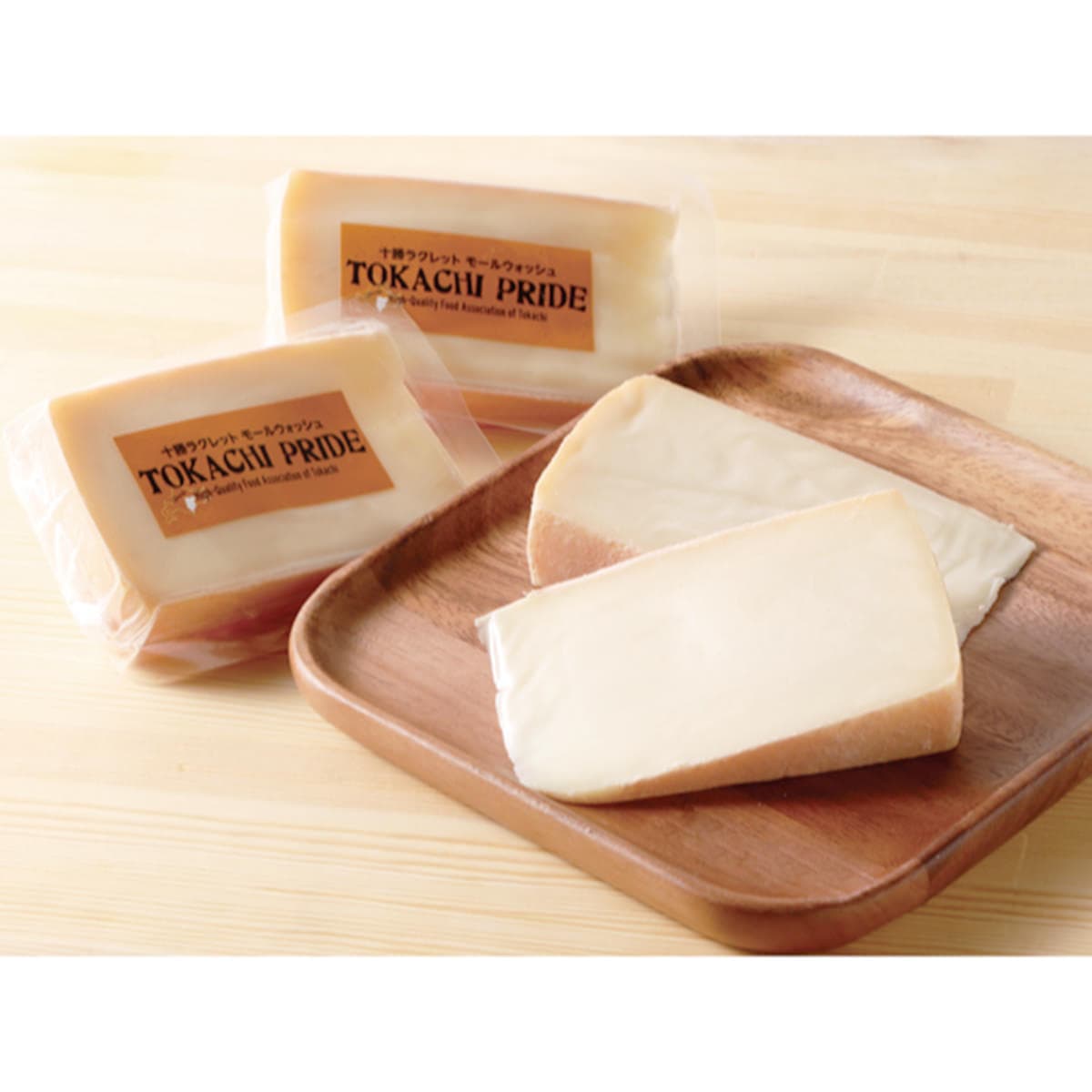
Ezorisu Cheese Tokachi Raclette Moor Wash
エゾリスチーズ 十勝ラクレットモールウォッシュ 4個 チーズ 国産 ラクレット パンのお供 温野菜 バゲット トッピング 手作り ナチュラルチーズ 十勝 北海道 広内エゾリスの谷チーズ社
150g x 4 pieces産直お取り寄せNセレクト
5.0 / 1 reviews
Japanese name十勝ラクレット
In Hokkaido’s Tokachi dairy country, fresh farm milk and water drawn nearby become a pressed semi-hard cheese. Washed as it ripens and held for at least eight weeks, it carries nutty, hay-like aroma and a clean milk finish.
Information last updated 113 days ago
3 imagesエゾリスチーズ 十勝ラクレットモールウォッシュ 4個 チーズ 国産 ラクレット パンのお供 温野菜 バゲット トッピング 手作り ナチュラルチーズ 十勝 北海道 広内エゾリスの谷チーズ社
150g x 4 pieces産直お取り寄せNセレクト
5.0 / 1 reviews
 3 images
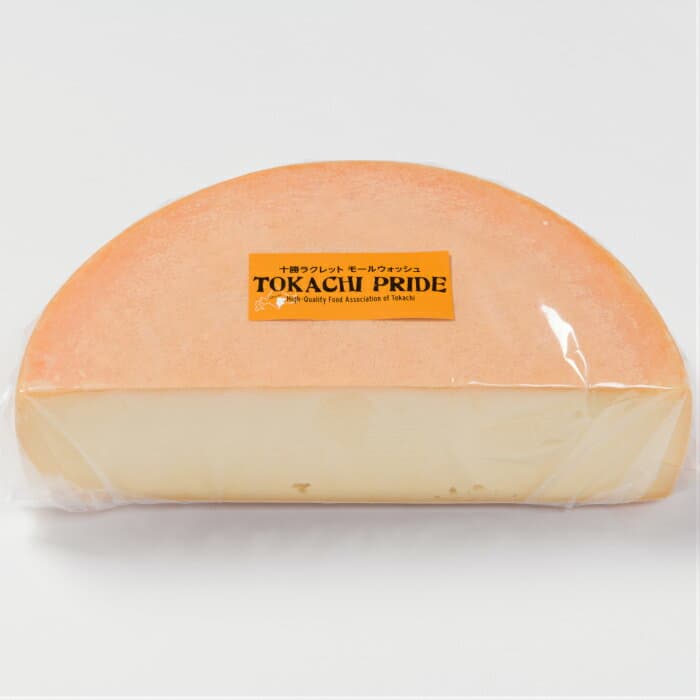
”北のハイグレード食品2019受賞”『 十勝ラクレット モールウォッシュ 1/2ホール 約1800g 』北海道 十勝 乳製品 産地直送 ラクレットチーズ チーズフォンデュ 絶品 パーティ お中元 お歳暮 年末年始 贈り物
half wheel, approx. 1,800g旭川エアポートショップ アゼリア
4.5 / 2 reviews
 3 images
北海道 チーズ 詰め合わせ セット 5選 送料無料選りすぐりのチーズを楽しめる 北海道チーズ 十勝 ラクレット ナチュラルチーズ 手作り 乳製品 食べ比べ ギフト 国産チーズ 日本チーズ 贈答 チーズ好き おすすめ 妻 母の日 2026 父の日 人気 食べ物 義母 義父
5-piece assortment北海道くしろキッチン
4.0 / 168 reviews
First time buying on Rakuten? How residents in Japan order →
Tokachi Raclette begins in the dairy country of Tokachi, Hokkaido. The production area runs through Obihiro and the towns and villages of Otofuke, Shihoro, Kamishihoro, Shikaoi, Shintoku, Shimizu, Memuro, Nakasatsunai, Sarabetsu, Taiki, Hiroo, Makubetsu, Ikeda, Toyokoro, Honbetsu, Ashoro, Rikubetsu, and Urahoro. Makers press a semi-hard natural cheese from fresh raw milk at Tokachi farms, using animal-derived rennet, water drawn in Tokachi, a washed surface, and at least eight weeks of ripening.
The production area sits in the Tokachi region of Hokkaido: Obihiro, together with Otofuke, Shihoro, Kamishihoro, Shikaoi, Shintoku, Shimizu, Memuro, Nakasatsunai, Sarabetsu, Taiki, Hiroo, Makubetsu, Ikeda, Toyokoro, Honbetsu, Ashoro, Rikubetsu, and Urahoro. Dairy farms, local water, and cheese workshops all belong to that same stretch of land.
Tokachi has long used its broad farmland for dairy farming, and the cool climate helps with making food and storing it. Raclette-style cheese took root there. Fresh Tokachi milk, water drawn in the region, and work in the ripening room turn a European cheese style into a Tokachi pressed semi-hard natural cheese.
The cheese starts with two materials: fresh raw milk from Tokachi farms, and animal-derived rennet. The milk brings the dairy country into the curd. The rennet starts the coagulation a pressed semi-hard cheese needs.
Tokachi Raclette takes its meaning from those choices: where the milk is produced, where the water is drawn, how the surface is washed, and how long the wheel ripens.
Water drawn in Tokachi is added during production to lower lactose concentration. Later, salt and Brevibacterium linens are dissolved in Tokachi water to make the liquid used for washing the surface as the cheese ripens. The same regional water meets the curd, then the rind.
In the aging room, temperature, humidity, and the degree of washing are adjusted, and ripening lasts at least eight weeks. The finished form is about seven centimeters high and, uncut, a cylinder some twenty-six to thirty centimeters across. During ripening the pH is 5.2 or higher, and salt is around 1.8 percent.
Ripe Tokachi Raclette is described with aromas like nuts and hay, and a fresh milk aroma. Its pungency is held back, and the taste is clean, so melted cheese can sit with vegetables, bread, or meat without a heavy odor taking over the table.
Those aromas are built from Tokachi milk, the water added to lower lactose, a wash of salt and Brevibacterium linens, at least eight weeks of ripening, and control of temperature and humidity. The surface is tended; the wheel is held to its shape, pH, and salt.
Cheese-making in Tokachi gathered pace in the mid-1980s. Around 1984, interest grew in integrated cheese production using fresh farm milk and conditions suited to the region. In 1990, a French instructor taught cheese-making knowledge rooted in local weather and food culture; in 1991, cheese producers formed a promotion association. By 2018, eight workshops in the area were steadily selling Tokachi Raclette, with annual production of about 72,000 wheels.
Another thread runs through the Tokachi Quality Business Cooperative, made up of ten cheese workshops in the Tokachi area. Its unified brand, Tokachi Raclette Moor Wash, gathers cheeses from individual workshops into one aging cellar and washes the surfaces with moor hot-spring water instead of brine. That moor-wash method belongs to the unified brand rather than every Tokachi Raclette wheel. It still shows Tokachi workshops linking a shared ripening space, surface care, and regional water.
Tokachi Raclette is shaped by fresh milk, Tokachi water, a cool dairy region, aging-room care, and a community of workshops. Raw milk is coagulated, the surface is washed with salt and Brevibacterium linens, and the wheel ripens for at least eight weeks. Place shows up in texture and aroma: nutty and hay-like maturity, fresh milk notes, and a cleaner, milder presence at the table.
Compiled from public records and official sources; see the recognition links below. Details may change over time.
Where this product is officially registered, designated, or recognized in Japan.
Geographical Indication (GI)
Registered under Japan's Geographical Indication Protection System, run by the Ministry of Agriculture, Forestry and Fisheries.
Sources1
It is written as 十勝ラクレット in Japanese. Search Rakuten and other Japanese sites with that spelling — the English name will not bring up the listings.
Tokachi raclette cheese is a pressed, semi-hard natural cheese made in the Tokachi area of Hokkaido, using fresh raw milk from Tokachi farms and animal-derived rennet. Locally drawn water is added to lower the lactose concentration, and during at least eight weeks of ripening the surface is washed with salt and Brevibacterium linens dissolved in Tokachi water. The finished cheese carries nutty, hay-like ripe aromas, a fresh milk note, and restrained pungency.
Tokachi Raclette is produced across the Tokachi area of Hokkaido, including Obihiro and several surrounding towns and villages. Around 1984, local momentum grew for cheese-making that used fresh farm milk together with the region's climate conditions. In 1990 a French instructor taught cheese-making knowledge rooted in local weather and food culture, and in 1991 producers formed a promotion association. By 2018, eight workshops in the region were steadily selling Tokachi Raclette, with annual production of about 72,000 wheels.
Tokachi Raclette is a melting-style cheese, suited to dishes where a mild, aromatic melted cheese flavor is wanted without a strong odor dominating.
Storage varies by product — shelf-stable, refrigerated, or frozen — and is stated on the packaging and the Rakuten listing. Shelf-stable processed foods usually need refrigerating once opened and eating within a few days; chilled and frozen items go straight into storage on arrival. Treat the best-before date on the physical packaging as authoritative.
Most options are shelf-stable, boxed, and travel well, so they suit gifting or bringing home. Confirm the final storage and delivery terms on the Rakuten listing.
On Rakuten: the shops listed here right now are 産直お取り寄せNセレクト, 旭川エアポートショップ アゼリア, 北海道くしろキッチン. We don't sell directly; purchase, payment, stock, and delivery are all handled on the Rakuten product page.