 3 images
Edo Sweet Miso
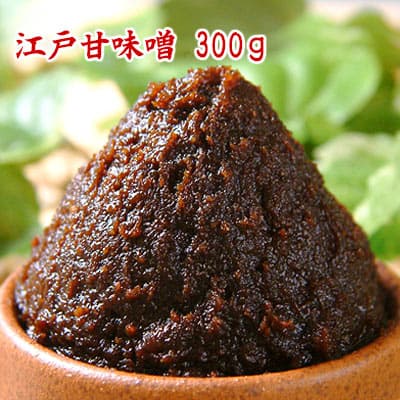
【ネコポス可】 江戸甘味噌 300g お試しサイズの300g 送料負担の少ないネコポスも選択可 甘味噌 赤味噌 米味噌 なめ味噌 東京都地域特産品 食品 調味料 みそ 赤みそ
300g生きてるみそ
4.7 / 24 reviews
Japanese name江戸甘味噌
Miso, soy sauce & fermented seasonings overview
Edo Amamiso is Tokyo-made sweet miso shaped by deeply steamed soybeans, koji sweetness, and a three-day non-pressure steaming step called tomegama.
Information last updated 125 days ago
3 images【ネコポス可】 江戸甘味噌 300g お試しサイズの300g 送料負担の少ないネコポスも選択可 甘味噌 赤味噌 米味噌 なめ味噌 東京都地域特産品 食品 調味料 みそ 赤みそ
300g生きてるみそ
4.7 / 24 reviews
 3 images
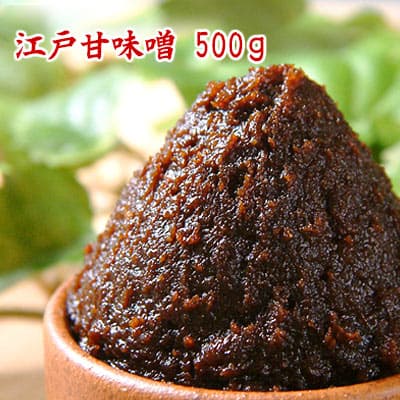
江戸甘味噌 500g 手頃なサイズの500g 米味噌 米麹味噌 なめ味噌 甘ミソ 東京都地域特産品 食品 調味料 みそ 赤みそ
500g生きてるみそ
4.8 / 16 reviews
 3 images
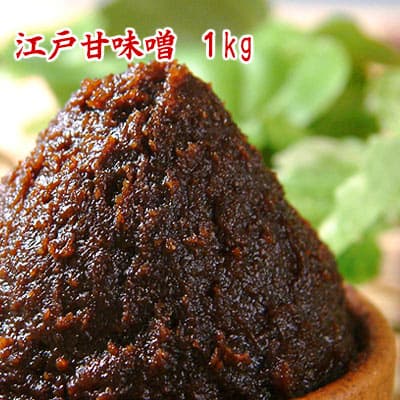
江戸甘味噌 1kg たっぷり使える1kg 米糀味噌 なめ味噌 甘味噌 米味噌 東京都地域特産品 食品 調味料 みそ 赤みそ
1kg生きてるみそ
4.4 / 9 reviews
First time buying on Rakuten? How residents in Japan order →
The first clue in Edo Amamiso is Tokyo. The name points to Tokyo-made sweet miso and is connected with the Tokyo Miso Industrial Cooperative Association. At the table, its character is easier to meet through color, aroma, and texture: glossy brown miso, the aroma of deeply steamed soybeans, sweetness from koji, and a smooth, thick sweetness. Its most concrete process detail is tomegama, a three-day non-pressure steaming step that turns place into steam, beans, and time.
Edo Amamiso is framed as Tokyo-made sweet miso, with the Tokyo Miso Industrial Cooperative Association connected to the name. That gives the product family a clear boundary: Tokyo is the place, sweet miso is the category, and the association points to a maker community.
The Tokyo connection can be understood through concrete pieces: Edo Amamiso, Tokyo-made sweet miso, and a cooperative association of miso producers in Tokyo. Those details keep the place claim narrow and readable.
Edo Amamiso is described through a compact set of sensory details: glossy brown color, aroma from deeply steamed soybeans, sweetness from koji, and a smooth, thick sweetness. These anchors explain the sweetness through materials and texture.
The local taste is something a reader can imagine in a bowl. Brown sheen gives the miso visual depth, steamed soybeans bring aroma, and koji carries sweetness into the paste. When the word tradition appears here, it means these material details rather than a broad claim about the past.
The central process detail is tomegama, a three-day non-pressure steaming step used for Edo Amamiso. The key facts are three days, steaming, and a non-pressure kettle process. That gives the miso a production spine strong enough to carry the article without adding maker legends.
The association links the method to manufacturing practice from the Edo period. In reader terms, that history is best understood through the named step: a kettle, soybeans, three days, and steam. The continuity rests on process, with no founding date or first maker added.
Edo Amamiso reaches the table through several kinds of cooking. It appears in miso soup with nameko mushrooms, tofu, and mitsuba, as well as clam soup and pork soup. These examples place the sweet miso in ordinary bowls with mushrooms, tofu, shellfish, and pork.
The same cooking list extends beyond soup to grilled or stir-fried dishes and simmered dishes. Miso mapo eggplant and tofu miso dengaku show how the sweet miso can move from a soup bowl to eggplant, tofu, and cooked savory sauces.
Put the pieces together and Edo Amamiso becomes easy to distinguish: Tokyo-made sweet miso, deeply steamed soybeans, koji sweetness, glossy brown color, smooth thickness, and the three-day tomegama step. The product family is best read through those nouns and actions rather than through broad claims about status.
Its cultural setting is concrete. Tokyo gives the place boundary; the Tokyo Miso Industrial Cooperative Association gives the producer-community link; the Edo-period reference is tied to tomegama; and the table examples include miso soup, clam soup, pork soup, miso mapo eggplant, tofu miso dengaku, and simmered dishes.
Edo Amamiso carries Tokyo in a practical form: sweet miso made within a Tokyo boundary, built from deeply steamed soybeans, koji sweetness, glossy brown color, and a three-day tomegama step. Its table life is equally concrete, moving through miso soup, clam soup, pork soup, miso mapo eggplant, tofu miso dengaku, and simmered dishes. Remembering it starts with a kettle, beans, steam, and a bowl of sweet, smooth miso.
Compiled from public records and official sources; see the recognition links below. Details may change over time.
Where this product is officially registered, designated, or recognized in Japan.
Regional collective trademark
Registered as a Regional Collective Trademark with the Japan Patent Office.
Sources1
It is written as 江戸甘味噌 in Japanese. Search Rakuten and other Japanese sites with that spelling — the English name will not bring up the listings.
Edo sweet miso (Edo Amamiso) is Tokyo-made sweet miso connected with the Tokyo Miso Industrial Cooperative Association. Its identity rests on glossy brown color, aroma from deeply steamed soybeans, koji sweetness, and a smooth, thick sweetness. Its central process is tomegama, a three-day non-pressure steaming step, and it appears in dishes such as miso soup, clam soup, pork soup, miso mapo eggplant, tofu miso dengaku, and simmered dishes.
Edo Amamiso is described as glossy brown. Its aroma comes from deeply steamed soybeans, with sweetness linked to koji. Edo Amamiso is described as having a smooth, thick sweetness. Its central process is a three-day non-pressure steaming step called tomegama.
Miso soup uses include nameko-tofu-mitsuba miso soup, clam soup, and pork soup. It is also used in grilled and stir-fried dishes such as miso mapo eggplant and tofu miso dengaku. It appears in simmered (braised) dishes as well.
Storage varies by product — shelf-stable, refrigerated, or frozen — and is stated on the packaging and the Rakuten listing. Shelf-stable processed foods usually need refrigerating once opened and eating within a few days; chilled and frozen items go straight into storage on arrival. Treat the best-before date on the physical packaging as authoritative.
Most options are shelf-stable, boxed, and travel well, so they suit gifting or bringing home. Confirm the final storage and delivery terms on the Rakuten listing.
On Rakuten: the shops listed here right now are 生きてるみそ. We don't sell directly; purchase, payment, stock, and delivery are all handled on the Rakuten product page.